HCPCS Code L0472: Hyperextension TLSO billing guide
HCPCS code L0472: Official descriptor and device definition HCPCS code L0472 des...

Last Updated: Nov 5, 2026
L7040 is the CCSD code for open cannulation of intra-abdominal artery. The surgeon opens the abdomen, exposes the artery under direct vision and places a cannula or catheter in it. CCSD is the procedure schedule UK private medical insurers use, and claims usually go through Healthcode.
The word open carries the claim. Catheter placement through the skin under imaging falls outside this descriptor. The operative note should name the artery, record the open approach and state why arterial access was needed.
Let Pabau's smart automation suggest the right codes, reduce claim denials, and keep your practice compliant—effortlessly.
Automate repetitive tasks and focus on what matters most—your patients.
Reduce coding errors and ensure compliance with the latest regulations.
Clean claims, fewer denials, and faster reimbursements.
Powerful insights and reporting to help your practice thrive.
HIPAA compliant SOC 2 certified GDPR-compliant Trusted by 4,000+ clinics worldwide

CCSD code L7040 covers open cannulation of an intra-abdominal artery, where the surgeon reaches the vessel through an abdominal incision under direct vision.
CCSD is the UK private-healthcare procedure schedule used by insurers such as Bupa, AXA Health, Aviva and VitalityHealth, and claims usually travel through Healthcode.
The operative note should name the artery, confirm the open approach and record why arterial access was needed.
Before adding a separate laparotomy code, check the insurer’s schedule and rules on separate laparotomy billing.
Most UK insurers expect pre-authorisation before the theatre date, so keep the authorisation number with the claim.
CCSD code L7040 is the UK private billing code for open cannulation of an intra-abdominal artery. The surgeon opens the abdomen, exposes the artery under direct vision and places a cannula or catheter in it. The code sits in the CCSD codes schedule maintained by the Clinical Coding & Schedule Development (CCSD) Group.
UK private medical insurers, including Bupa, AXA Health, Aviva and VitalityHealth, use the CCSD schedule to identify the procedure on a claim. The schedule describes procedures. Each insurer sets its own benefit, fee and recognition rules, so the CCSD Group does not decide what a policy pays.
CCSD codes that begin with L generally cover arteries and veins, mirroring Chapter L of OPCS-4. The full L7040 narrative and its coding principles sit behind a login on the CCSD schedule, so check them there before you finalise a claim.
Three parts of the descriptor decide whether L7040 fits the operation. Test them in order, because a no at any step rules the code out.
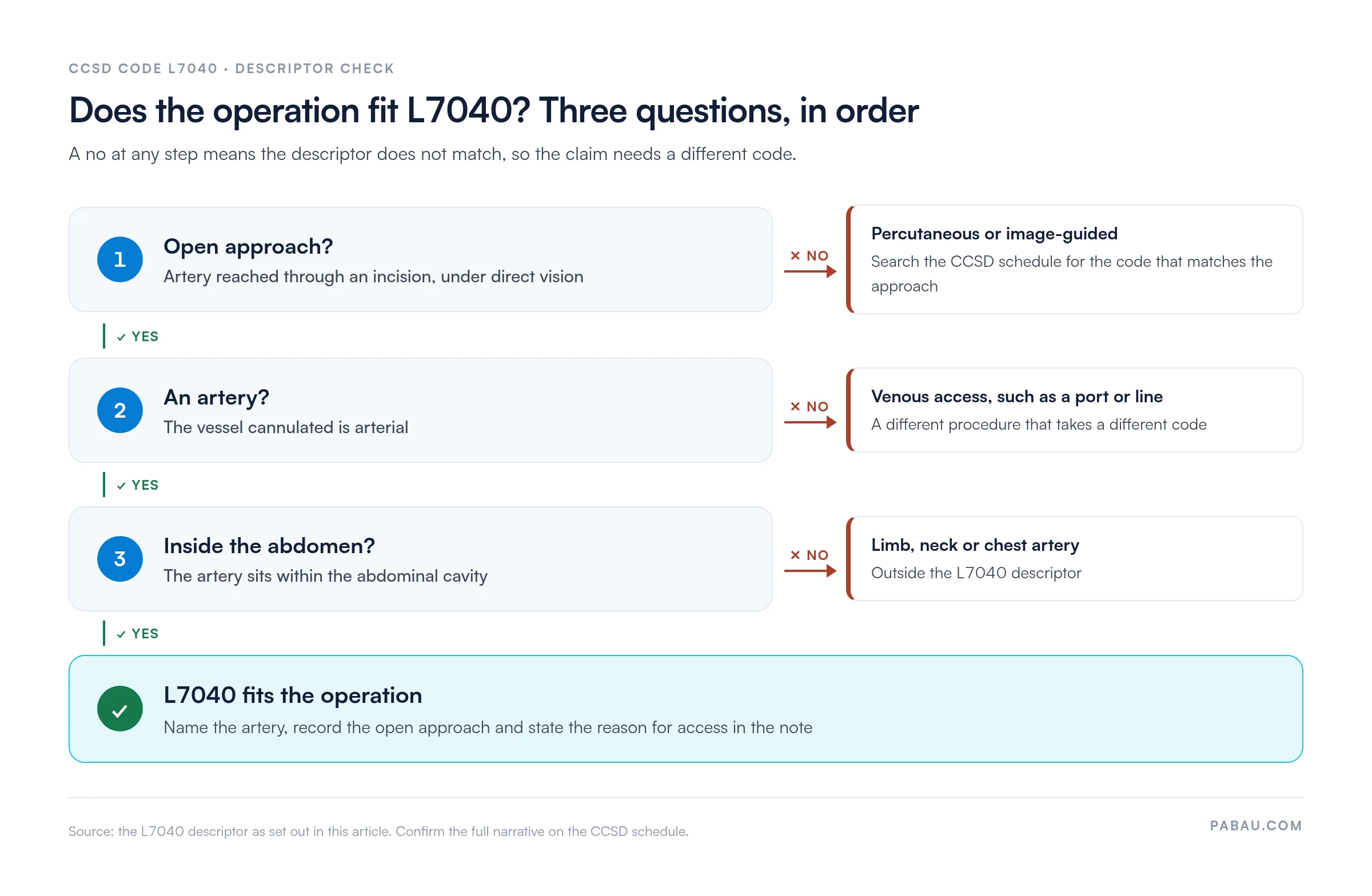
If the operation repairs a damaged abdominal vessel instead, look at a repair code such as L7980. When the clinical purpose of the cannulation matters to the insurer, check the CCSD narrative and the insurer’s own rules rather than assuming a restriction.
An open arterial cannulation rarely happens in isolation, so the claim can touch other codes and other clinicians’ invoices. The table shows the usual questions and where to find each answer.
CCSD does not publish modifiers or set reimbursement. If an insurer handles assistants, devices or combined procedures in a particular way, its provider guide will say so. Read that guide before you build the claim, and keep a note of the rule you followed.
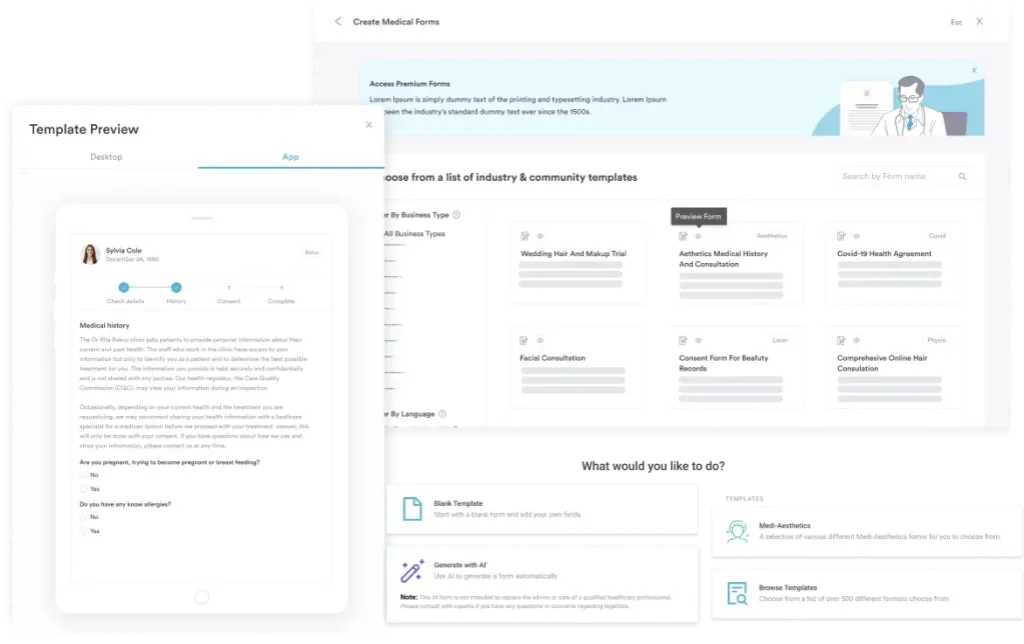
The operative note is the document an insurer reads first when it queries an L7040 claim. A structured operation-note template makes it harder to leave a required detail out.
Most UK private insurers expect pre-authorisation before a planned operation like this one. The patient usually calls their insurer for an authorisation number, using the CCSD code and diagnosis from the surgeon’s practice.
Send the insurer the information it asks for, which commonly includes:
Keep the authorisation number on the patient record and carry it onto the claim. If the operation changes in theatre, tell the insurer before the claim goes in. A procedure that no longer matches the authorisation is a common reason for a query. Insurers publish their codes and rules for providers, such as the Bupa code search.
UK insurers expect diagnosis codes from WHO ICD-10, not the US ICD-10-CM edition. Choose the code that matches the indication written in the operative note and the pre-authorisation. Check its wording and hierarchy in the WHO ICD-10 browser before you submit.
The same diagnosis code should appear on the authorisation request, the claim and the clinical record. A mismatch between any two of them invites a query, even when the procedure code is right.
Most L7040 queries trace back to the note, the authorisation or the code choice. Keeping those records together in surgical practice claims software shortens the time it takes to answer one.
Answer a query through the insurer’s provider route with the claim, the operative note and any addendum. If a patient’s dispute with their insurer stays unresolved after its final response, the patient can take the complaint to the Financial Ombudsman Service.
In many surgical practices, the operative note sits in one system and the authorisation number sits in an email. The invoice is then built by hand. When an insurer queries the claim, someone has to rebuild the trail from three places.
Pabau keeps those pieces on the patient record. The operation-note template captures the artery and the approach. The pre-authorisation reference and the codes stay together on the claim, which Pabau sends to Healthcode and then tracks until the insurer pays.
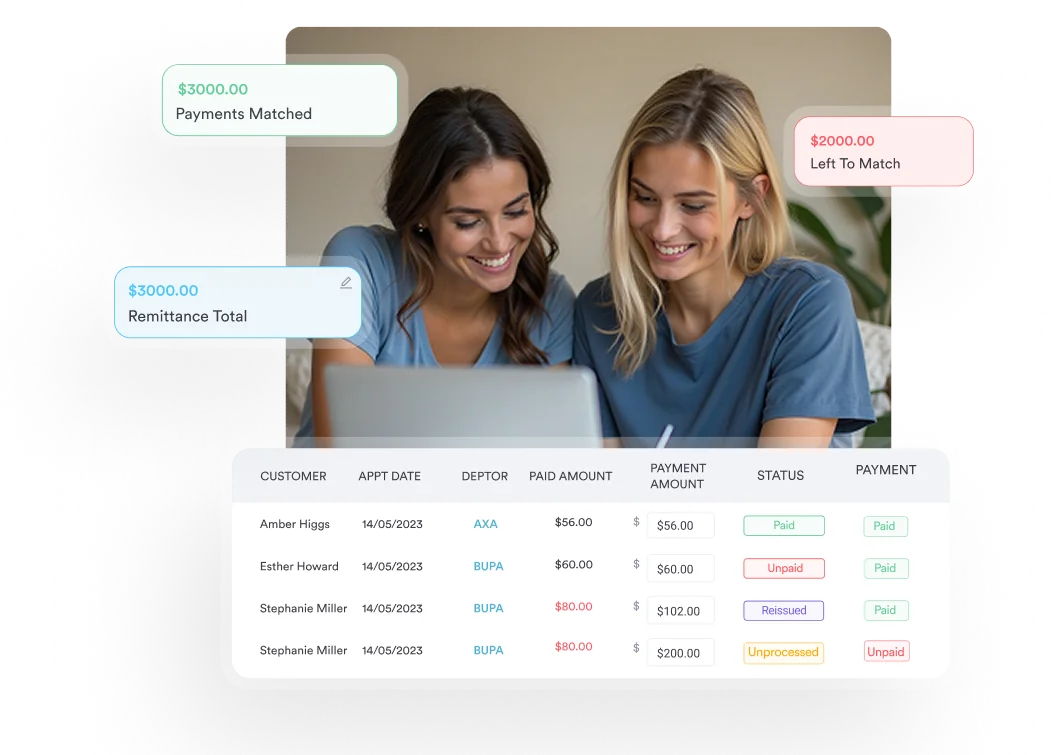
Pabau only submits the codes and details already on the record. Your team still chooses the CCSD and ICD-10 codes, so the claim reflects the clinical decision.

Pabau keeps the operative note, the pre-authorisation reference and the CCSD code together on each claim. Your team sends it to Healthcode and tracks payment in one place.

L7040 turns on the word open. If the note proves the surgeon reached an intra-abdominal artery through an incision, the code fits. If it doesn’t, the claim stalls whatever the clinical merit.
Confirm the narrative on the CCSD schedule and follow each insurer’s own rules on laparotomy and devices. Write the artery and the approach into every note. Book a demo to see how Pabau keeps surgical insurer claims and their records together.

Need guidance on CCSD code submissions for private insurers? CCSD codes for Bupa billing covers how CCSD procedure codes are submitted and processed by private health insurers.
Want to reduce claim rejections across your practice? Claims management software explains how Pabau sends insurer claims to Healthcode and tracks them to payment.
Working out what a UK insurer pays for a procedure? Bupa procedure codes and fee schedule explains how Bupa links CCSD codes to its fee guidance.
CCSD code L7040 covers open cannulation of an intra-abdominal artery. The surgeon reaches the artery through an abdominal incision and places a cannula or catheter under direct vision. UK private insurers use the CCSD schedule to identify the procedure on a claim.
CCSD is the procedure schedule for UK private healthcare, used by insurers such as Bupa, AXA Health, Aviva and VitalityHealth. Claims usually travel through Healthcode. Other countries use their own coding and tariff systems.
The operative note should name the artery, confirm the open approach and record the reason for access. Add any device placed and the operating consultant, who should be GMC-registered and recognised by the insurer. Keep the pre-authorisation number with the claim.
L7040 describes open access through an abdominal incision. Catheter placement through the skin under imaging does not match that descriptor. Search the CCSD schedule for the code that matches the approach used.
Check the insurer’s schedule and rules on separate laparotomy billing before you add one. CCSD describes procedures, but each insurer decides how it pays combined codes on one claim.
No. CCSD does not publish modifiers or set reimbursement. If an insurer has its own rules for assistants or combined procedures, they appear in its provider guide.
The practice should first answer the query with the operative note and any addendum. If the patient’s complaint stays unresolved after the insurer’s final response, they can refer it to the Financial Ombudsman Service.