HCPCS Code J1560: Gamma globulin IM injection billing guide
HCPCS Code J1560: Official descriptor and covered services HCPCS Code J1560 carr...

Last Updated: Nov 11, 2026
L4530 is the CCSD code for endarterectomy and patch repair of a visceral branch of the abdominal aorta. The surgeon removes plaque from the artery and closes it with a patch, and both steps sit inside the one code.
It sits in CCSD section 9.4.0, Abdominal Vessels. UK private medical insurers such as Bupa use it on specialist invoices, usually sent through Healthcode.
Let Pabau's smart automation suggest the right codes, reduce claim denials, and keep your practice compliant—effortlessly.
Automate repetitive tasks and focus on what matters most—your patients.
Reduce coding errors and ensure compliance with the latest regulations.
Clean claims, fewer denials, and faster reimbursements.
Powerful insights and reporting to help your practice thrive.
HIPAA compliant SOC 2 certified GDPR-compliant Trusted by 4,000+ clinics worldwide

CCSD code L4530 is the UK private-practice code for endarterectomy and patch repair of a visceral branch of the abdominal aorta.
The patch closure is part of the descriptor, so it never goes on the claim as a separate line.
The code sits in CCSD section 9.4.0, Abdominal Vessels, beside L4600 for other open operations on a visceral branch.
Name the treated vessel in the operative note, for example the celiac axis, superior mesenteric artery or a renal artery.
Get the insurer’s authorization for L4530 before surgery, and check its published terms before billing a second procedure.
CCSD code L4530 covers endarterectomy and patch repair of a visceral branch of the abdominal aorta. The surgeon opens the artery, removes the plaque narrowing it, and closes the opening with a patch. The code is published by the Clinical Coding & Schedule Development Group (CCSD), the body that maintains the procedure schedule UK private medical insurers use.
L4530 sits in Chapter 9 of the CCSD schedule, Vascular System, in section 9.4.0, Abdominal Vessels. Its CCSD reference is FI.028. UK insurers such as Bupa recognize the schedule, and most specialist invoices reach them electronically through Healthcode.
Our guide to Bupa CCSD codes explains how the schedule works with Bupa claims, recognition and fees.
A visceral artery endarterectomy treats atherosclerotic plaque in a major branch arising from the abdominal aorta. Common examples are the celiac axis, the superior mesenteric artery (SMA) and the renal arteries. The descriptor itself names only “visceral branch of abdominal aorta”, so it lists no fixed set of eligible vessels. The schedule also lists CCSD code L4140 for renal artery endarterectomy, so compare both descriptors when the treated vessel is a renal artery.
The operative note for an L4530 case usually records these steps:
Closing a small artery with a primary suture line can narrow the repaired segment. A patch widens the closure instead, which is why the descriptor pairs the two steps.
Surgeons perform this operation when plaque in a visceral branch restricts blood flow to the gut or the kidneys. The usual indications are:
Insurers expect the record to show why open surgery was needed. That usually means duplex ultrasound, CT angiography or MR angiography confirming the stenosis, plus the consultant’s clinical reasoning.
The code covers endarterectomy and patch repair of one visceral branch. The table shows where its boundary sits.
Adding a separate patch code alongside L4530 bills the same work twice. Expect the insurer to query or reject that line.
Section 9.4.0 holds a short list of abdominal vessel codes. Picking a neighbor by mistake is easy when the operative note is vague about technique. The diagram sorts them by where the surgeon worked and what was done.
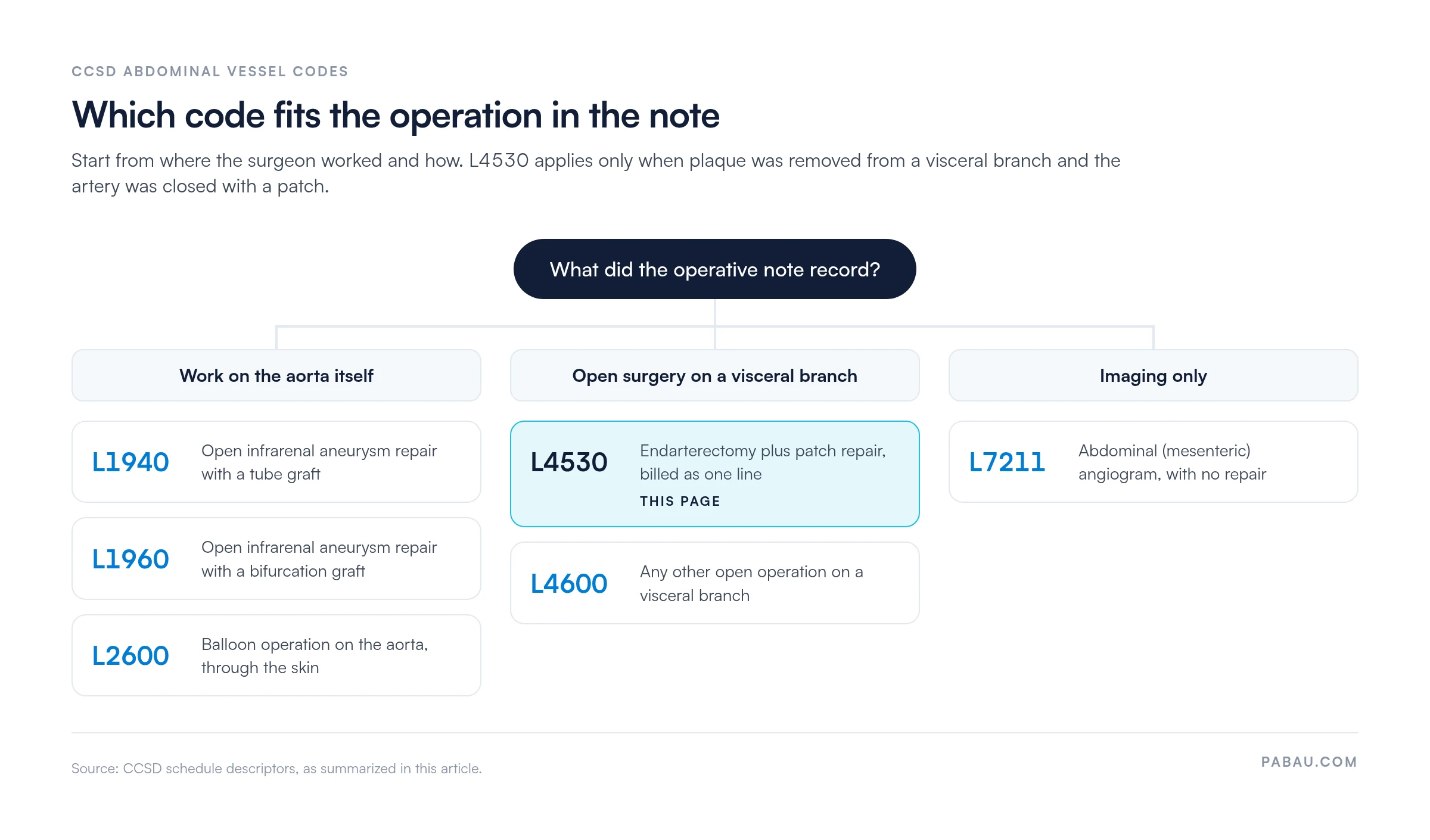
The technique in the note decides the code. An open aneurysm repair with a bifurcated graft, for example, is billed as L1960 instead. For a bypass on another vascular territory, see CCSD code L1680 for axillo-bifemoral bypass. Where visceral arteries are reimplanted during an open thoracoabdominal aneurysm replacement, that reimplantation is part of CCSD L2190.
The insurer reads the operative note against the descriptor. If the note doesn’t confirm both parts of the procedure, the claim is open to a query. Make sure it states these points plainly:
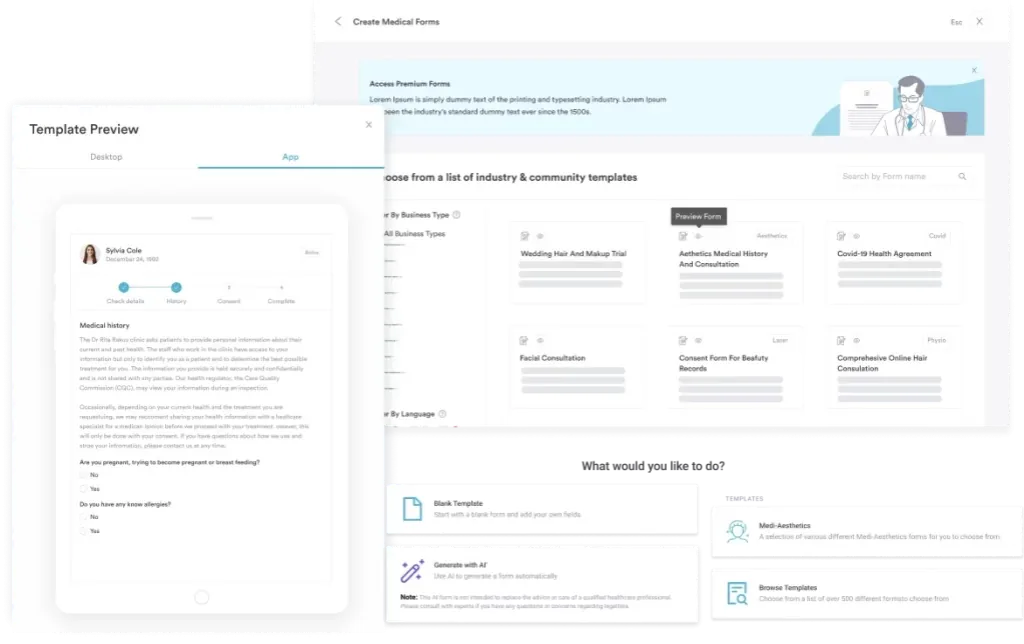
Pabau, the practice management platform we build, lets a vascular practice set up operative and consent forms with required fields. Each note then records the vessel, the technique and the patch material before it can be signed off.
Visceral artery endarterectomy is planned inpatient surgery. UK private medical insurers generally expect the patient to get authorization before admission. Without it, the insurer may decline to pay.
The authorization request should carry:
If the surgeon treats a second vessel or changes technique in theater, tell the insurer afterwards and have the authorization amended. A claim that doesn’t match its authorization is a common reason for payment to stall.
One admission produces several invoices, each billed against the same procedure code:
Specialist invoices usually go through Healthcode or the insurer’s own portal. Fees depend on the insurer and your recognition status, so check the current schedule rather than relying on an old figure.
Some patients need endarterectomy of two visceral branches in one operation, such as the celiac axis and the SMA. How the second procedure is paid depends on each insurer’s published terms.
Keep a record of what the insurer confirmed. If a line is later short-paid, you have its own answer to support an appeal.
Before surgery on two visceral branches, ask the insurer in writing how it pays a second procedure in the same sitting. Save its reply on the patient record with the authorization number. If the second line is short-paid, that reply supports your appeal.
L4530 claims fail for a small set of repeating reasons. Denial management starts with spotting them before the invoice goes out.
When a vascular claim stalls, the cause is usually paperwork. The authorization sits in an email, the operative note sits in the hospital system, and the invoice is typed up days later.
Pabau keeps those pieces on one patient record. You record the patient’s insurance policy, the case and the authorization code alongside the consent and operative note. The invoice is raised from that record, and claims management sends it to UK insurers through Healthcode and Bupa.
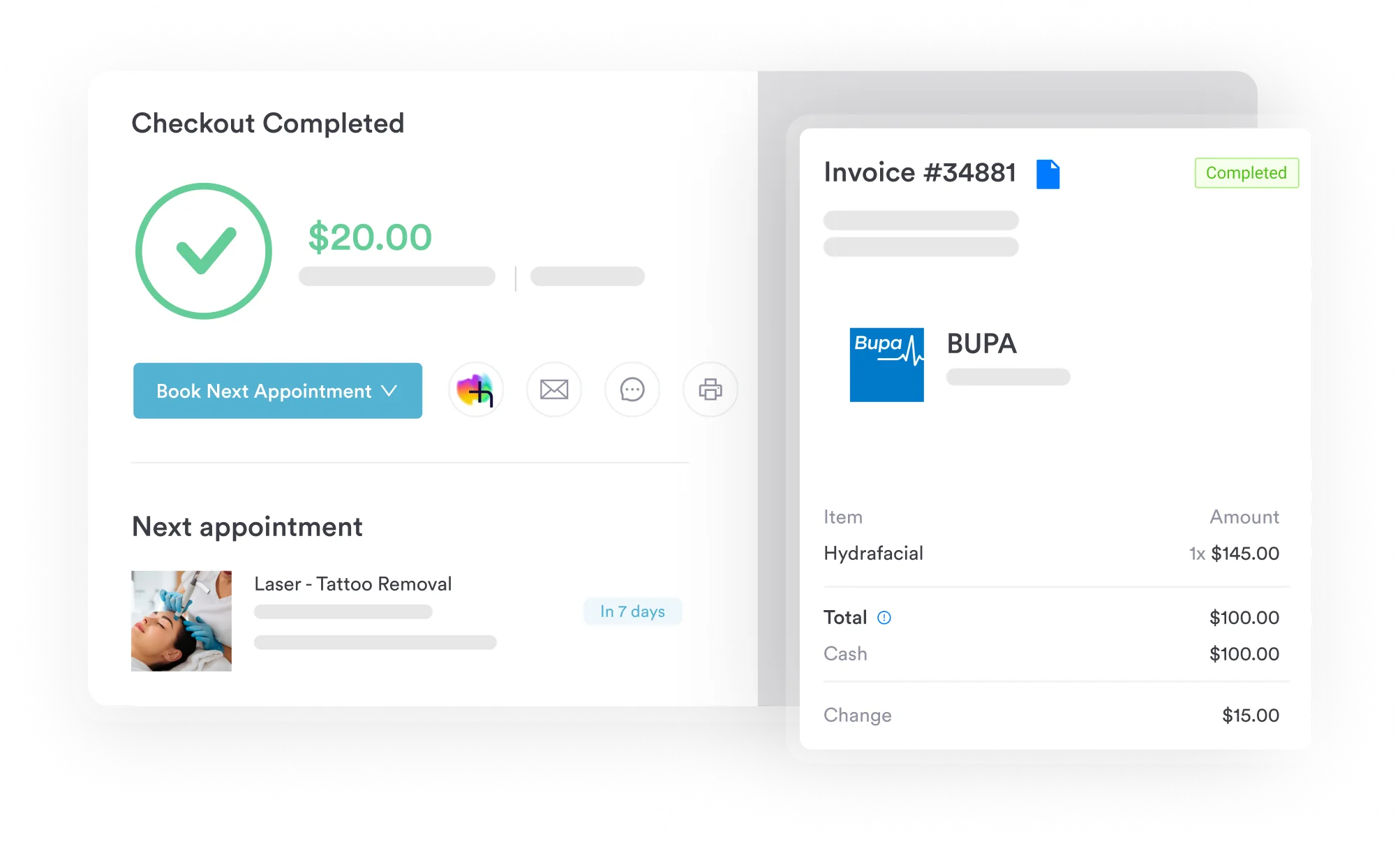
The result is fewer insurer queries about missing details, and faster payment for your surgical work.

Pabau keeps the insurance policy, authorization code and operative note on one record, then sends the invoice to UK insurers through Healthcode.

L4530 is a narrow vascular code. Bill it only when the surgeon removed plaque from a visceral branch of the abdominal aorta and closed it with a patch. Leave the patch off the claim as a separate line.
Name the vessel in the note and match the invoice to the authorization. Check the insurer’s terms before billing a second vessel. Do that, and the insurer has little paperwork reason to query the claim.
Book a demo to see how Pabau keeps each surgical claim and its evidence on one patient record.

Need the full Bupa coding picture? Bupa CCSD codes explains how the CCSD schedule works with Bupa claims, recognition and fees.
Billing another vascular operation? CCSD code L1680 covers axillo-bifemoral bypass and its documentation.
Struggling with rejected claims? Denial management in healthcare sets out how to find, appeal and prevent repeat denials.
CCSD code L4530 describes endarterectomy and patch repair of a visceral branch of the abdominal aorta. The surgeon removes plaque from the artery and closes the opening with a patch. Both steps sit inside the one code.
The descriptor says only “visceral branch of abdominal aorta”. Common examples are the celiac axis, the superior mesenteric artery and the renal arteries. Name the treated vessel in the operative note.
No. The descriptor reads “endarterectomy and patch repair”, so the patch is already part of the code. A separate patch line bills the same work twice and invites an insurer query.
The Clinical Coding & Schedule Development Group (CCSD) publishes the schedule. UK private medical insurers such as Bupa use it to identify procedures on specialist invoices.
UK private medical insurers generally expect authorization before planned surgery. Send the code, the vessel, the diagnosis and the supporting imaging. Amend the authorization if the operation changes in theater.
Bill L4530 for the first vessel, then follow the insurer’s published terms for the second procedure. Rules differ between insurers, so confirm them in writing before you invoice.
L4530 covers endarterectomy with patch repair of a visceral branch. L4600 covers other open operations on a visceral branch of the abdominal aorta. The technique in the operative note decides which applies.