HCPCS Code J1110: Dihydroergotamine mesylate injection billing guide
HCPCS Code J1110: Official descriptor and drug overview HCPCS Code J1110 is the ...

Last Updated: Oct 29, 2026
D2040 is the CCSD code for a diagnostic tympanotomy performed as the only procedure. The surgeon lifts the eardrum to inspect the middle ear when hearing tests and scans have not explained a problem. It sits in the ear, nose and throat chapter, under Middle ear and mastoid.
The words "as sole procedure" decide most D2040 claims. If the surgeon goes on to a stapedectomy, ossiculoplasty or eardrum repair, that operation's code applies instead. The CCSD schedule bars D2040 from a claim with codes such as D1520, D1710 and D2050.
Let Pabau's smart automation suggest the right codes, reduce claim denials, and keep your practice compliant—effortlessly.
Automate repetitive tasks and focus on what matters most—your patients.
Reduce coding errors and ensure compliance with the latest regulations.
Clean claims, fewer denials, and faster reimbursements.
Powerful insights and reporting to help your practice thrive.
HIPAA compliant SOC 2 certified GDPR-compliant Trusted by 4,000+ clinics worldwide

CCSD code D2040 covers a diagnostic tympanotomy, billed only when exploring the middle ear is the sole procedure in the session.
If the surgeon goes on to repair or reconstruct the ear, bill the code for that operation instead of D2040.
The CCSD schedule bars D2040 from a claim with codes such as D1520, D1610, D1710 and D2050.
The operation note should record the indication, the approach, what was inspected and that no other procedure was done.
Fees vary by insurer, and Freedom Health Insurance grades D2040 as Major with a £500 specialist fee.
CCSD code D2040 is the UK private billing code for a diagnostic tympanotomy. It sits in the ear, nose and throat chapter, under Middle ear and mastoid. The full descriptor reads “Diagnostic tympanotomy (as sole procedure)”.
In a diagnostic tympanotomy, the surgeon lifts the eardrum to look directly at the middle ear. The aim is to find a cause that hearing tests and scans could not confirm. Conductive hearing loss behind an intact eardrum is a common reason to explore.
The words “as sole procedure” carry the billing rule. D2040 fits a session where the surgeon explores, records the findings and closes. Once the surgeon repairs or replaces a structure, the claim needs the code for that operation.
The CCSD codes specialists bill are maintained by the Clinical Coding and Schedule Development Group. Its schedule records D2040 as added on 20 January 2010.
The CCSD schedule lists unacceptable combinations for D2040, and the list includes the eight codes below. Each one works on the same middle ear structures, so it already covers opening and inspecting the ear.
The CCSD Group describes its coding principles as guidance, not an exhaustive rulebook. Each insurer decides which combinations it adopts. So read the insurer’s own rules before you bill D2040 next to any other ear code.
A diagnostic tympanotomy often ends in a decision on the table. Take a common case. A patient with conductive hearing loss and a normal eardrum is booked for D2040 to check the ossicles.
The surgeon lifts the eardrum, finds a fixed stapes and performs a stapedectomy in the same session. The session is no longer an exploration on its own. Bill D1710 for the stapedectomy and drop D2040, since the two codes are a barred pair.
When an exploration might become a stapedectomy or ossiculoplasty, ask the insurer at authorization how it handles a code change. Consent the patient for both, so the note and the claim can follow what the surgeon finds.
Rebuilding the ossicular chain or repairing the eardrum works the same way. Ossiculoplasty takes D1610, and myringoplasty takes D1420. Then tell the insurer the code changed and ask it to update the authorization. The decision path below shows which code each outcome takes.
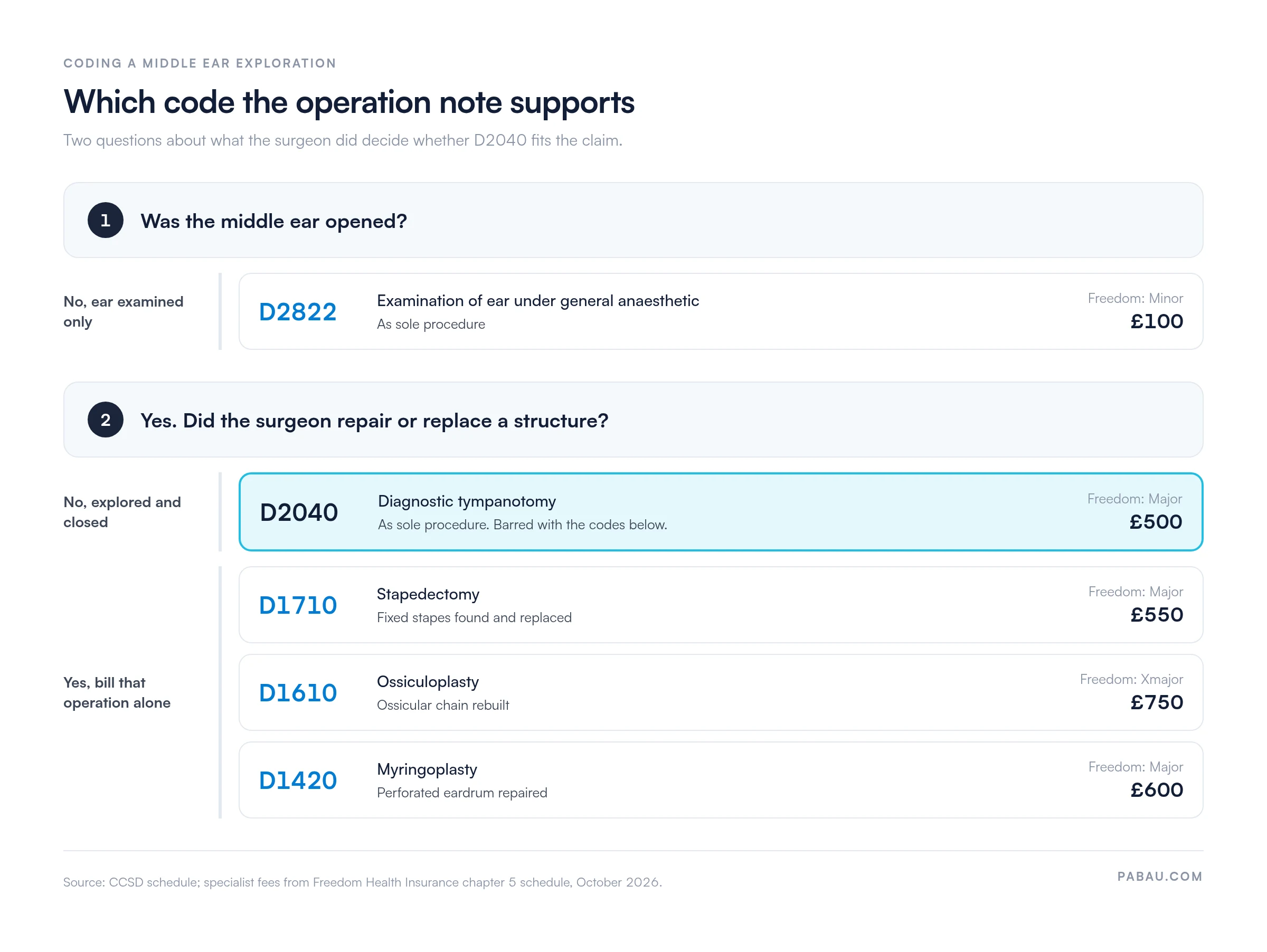
Four neighboring codes cause most of the confusion. The descriptor, not the code number, tells you which one the operation note supports.
Fees come from the Freedom Health Insurance chapter 5 schedule, updated October 2026. D2040 and D2822 both carry “as sole procedure”, but only D2040 involves opening the middle ear. The note has to show which one happened.
Insurers query D2040 when the note leaves room for a second procedure. Before the claim goes out, check that the record covers each point below.
The sole procedure line matters most. Without it, an auditor can read a freed adhesion or a sealed window as separate work.
Once the note is right, a D2040 claim moves through six steps from authorization to payment.
The CCSD Group maintains the schedule, but it does not set fees. Each insurer decides its own fee, band and authorization rules for D2040.
Freedom Health Insurance grades D2040 as Major, with a £500 specialist fee and a £285 anesthetist fee. Other insurers publish their own figures, and our Bupa fee schedule reference explains how Bupa bands its codes.
Check the current schedule for the patient’s policy before the procedure.
Rejected D2040 claims tend to trace back to one of the five errors below. Each one has a direct fix.
A two-minute check catches most of the problems above. Run it on every diagnostic tympanotomy invoice.
In many ENT practices, the operation note lives in one system and the invoice in another. A biller then copies the code, the side and the authorization number across by hand.
Pabau, the practice management and billing platform we build, keeps clinical forms and invoices on the same patient record. You can build an operation note form with a required sole procedure field.
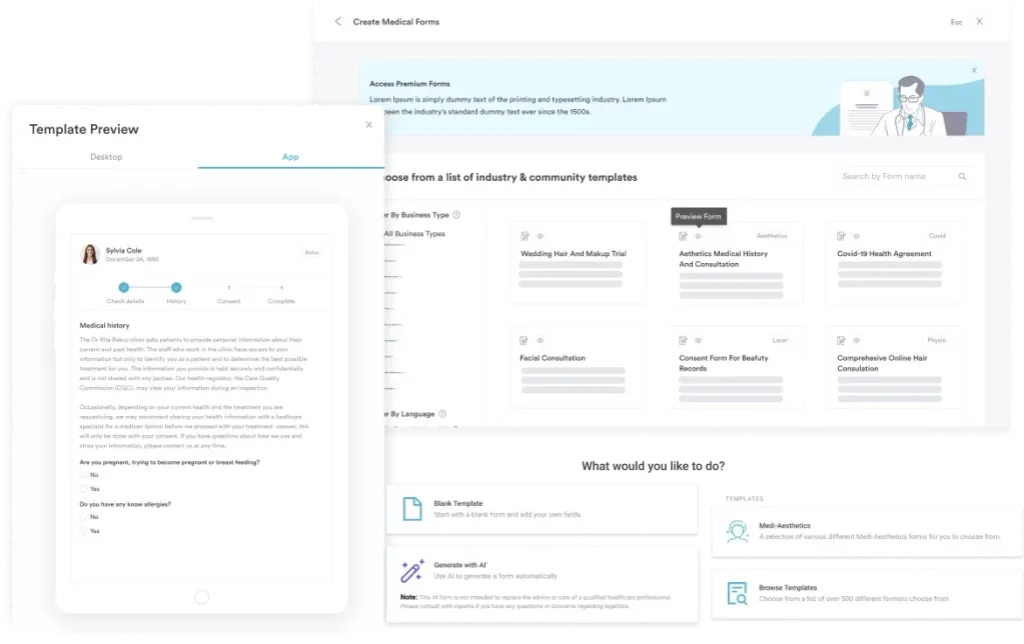
With claims management, the CCSD code, membership number and authorization reference carry into the claim. Pabau checks the required fields, then sends the invoice to Healthcode.
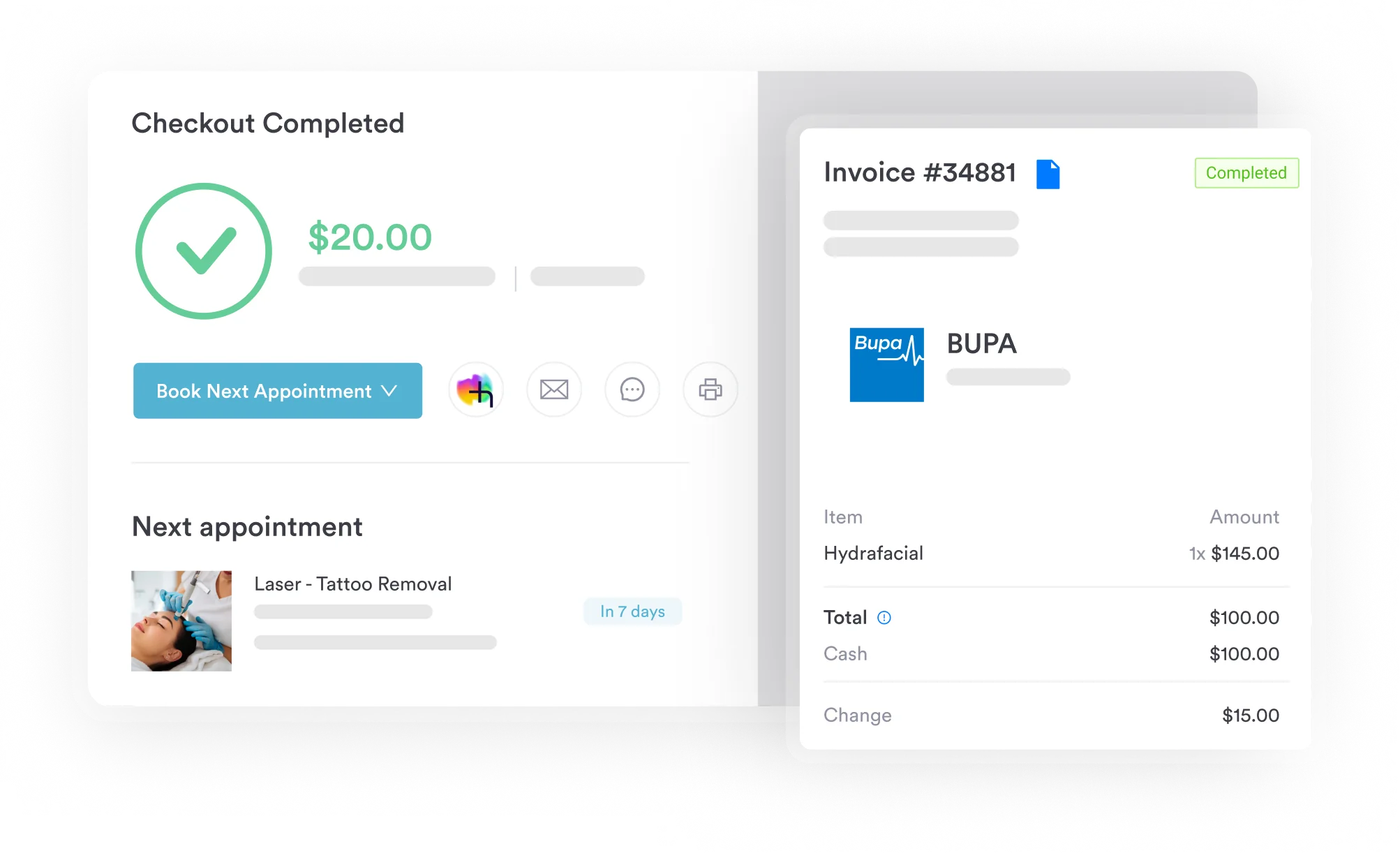
You then follow each claim’s status and payment in one place. Your team stops re-keying, and a missing authorization number gets caught before the insurer sees it.

Pabau builds CCSD claims like D2040 from the patient record and checks required fields before submission. Then you can track each claim’s status in one place.

D2040 rewards one habit. Before you code, ask whether the surgeon only looked. If the ear was explored and closed, the code fits. If the surgeon repaired or replaced a structure, that operation’s code takes the claim.
Plan for the switch before the day, because an exploration can end as surgery. Get the note to name the findings and the sole procedure plainly, and the insurer has little left to query.
Book a demo to see how Pabau carries a D2040 claim from the operation note to Healthcode without retyping.

Only cleared the middle ear? CCSD code D1520 covers suction clearance of the middle ear as a sole procedure.
Did a grommet go in? CCSD code D1510 explains myringotomy with tube insertion.
Treating cholesteatoma? CCSD code D1440 covers combined approach tympanoplasty with an intact canal wall.
Taking a grommet out? CCSD code D2030 covers removal of grommets.
Want every Bupa code in one place? Bupa CCSD codes sets out the schedule and how its codes are organized.
No. The CCSD schedule lists D1710 stapedectomy as an unacceptable combination with D2040. If the exploration leads to a stapedectomy, bill D1710 alone.
The CCSD schedule records D2040 as added on 20 January 2010. Its descriptor carries the sole procedure condition.
No. CCSD D2040 is a UK ear procedure code for a diagnostic tympanotomy. US dental code sets also use codes that start with D, so check which schedule a source is quoting.
Follow the insurer’s own rules. The CCSD Group publishes its principles as guidance, and each insurer chooses which combinations it applies. Keep a note of the insurer’s confirmation with the claim.
Each insurer sets its own pre-authorization rules for D2040, often by policy. Ask before the operation, and put the reference on the invoice if the insurer issues one.