ICD-10 code S61.201A: Open wound of left index finger without nail damage
ICD-10 code S61.201A covers a left index finger wound of unstated type ICD-10 co...

Last Updated: Oct 16, 2026
Billable Code Specific Code
S72.124S is the billable ICD-10-CM code for nondisplaced fracture of lesser trochanter of right femur, sequela.
The character that decides the claim is the 7th. Use "S" once the fracture has healed and you are treating what it left behind. Use "D" while you are still managing the healing itself. Everything below reflects the FY2026 ICD-10-CM tabular list.
Let Pabau's smart automation suggest the right codes, reduce claim denials, and keep your practice compliant—effortlessly.
Automate repetitive tasks and focus on what matters most—your patients.
Reduce coding errors and ensure compliance with the latest regulations.
Clean claims, fewer denials, and faster reimbursements.
Powerful insights and reporting to help your practice thrive.
HIPAA compliant SOC 2 certified GDPR-compliant Trusted by 4,000+ clinics worldwide

S72.124S describes a nondisplaced fracture of the lesser trochanter of the right femur, sequela. It is billable for FY2025 and FY2026.
The 7th character ‘S’ means the visit treats a late effect of a healed fracture. Use ‘D’ while you are still managing the healing itself.
One digit separates the two sides. S72.125S is the same fracture on the left femur, and no payer edit will catch the swap for you.
Documentation must confirm right laterality, nondisplaced status, the lesser trochanter as the site, and a link to the prior fracture.
Practice management software like Pabau captures laterality and prior injury history at the point of care, so coders are not chasing documentation later.
ICD-10 code S72.124S is a billable, specific ICD-10-CM diagnosis code valid for claim submission in FY2025 and FY2026. It sits in the S72.12 subcategory, which covers lesser trochanter fractures of the femur at any laterality or displacement status.
Coders in physical therapy, orthopedic surgery, and musculoskeletal rehabilitation reach for it when treating residual problems from a prior right-side fracture.
Every character in ICD-10 code S72.124S carries a specific clinical meaning. Misreading any one of them leads to the wrong code, which means a denial or a request for more documentation. The breakdown below maps each character to what it tells the payer.
The 6th character does double duty inside S72.12x. It records displacement status and laterality in a single digit.
That one digit is why S72.124S and S72.125S look almost identical but describe opposite legs. The same right, left, unspecified pattern runs through the femur fracture codes. CMS ICD-10-CM guidance requires both laterality and displacement status on every one of them.
A 7th character is required on every S72.124 code, and it defines the encounter type. Without it, the code is invalid and the claim rejects at the front end. The table below covers the six characters used for closed fractures and sequelae.
Open fractures of the femur use the same S72.124 base code with a different 7th character. Ten more characters cover the Gustilo open fracture types, so the base code never changes with the wound. Fixation work on those injuries is billed separately, under procedure codes such as 20690.
The distinction that matters most for S72.124S is “D” against “S”. “D” applies while you are still managing how the fracture heals. “S” applies once the fracture has healed and you are treating something it caused, such as hip flexor weakness, gait change, or chronic pain.
The ICD-10-CM Official Guidelines also require a second code naming the sequela itself. Other injury subcategories follow the same convention, so a wrist sprain sequela takes wrist sprain sequela takes S63.592S.
The lesser trochanter is a bony prominence on the posteromedial surface of the proximal femur. It serves as the insertion point for the iliopsoas muscle. Fractures here are most common in adults over 60 and are often linked to osteoporosis. In younger patients they usually follow an athletic avulsion injury.
For sports medicine and orthopedic practices, the clinical picture confirms whether the encounter really meets the sequela definition. The physician’s note should reference the prior fracture and connect the current complaint to it.
Medical records rarely use the exact ICD-10 phrasing. Coders meet a range of clinical descriptions that all map to S72.124S. Recognizing these synonyms prevents undercoding and wrong code selection.
When the record says only “late effect of a hip fracture” without naming the trochanteric region, query the physician before assigning a specific code. Tight documentation habits cut the chance of a payer query, which matters most on orthopedic claims reviewed under Medicare.
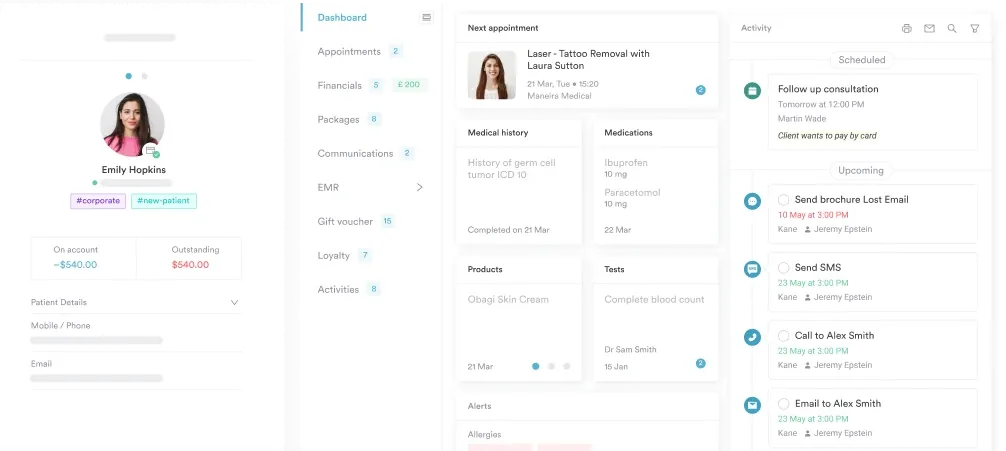
Practice management software like Pabau supports structured client records and note templates, so orthopedic practitioners capture that specificity at the point of care.
Check whether the physician’s note references the original fracture event and links the current condition to that injury. If the note says ‘hip pain’ with no connection to the prior lesser trochanter fracture, you do not yet have the documentation S72.124S needs. Request a clinical addendum before you submit.
S72.124S belongs to the S72.12 subcategory, which covers lesser trochanter fractures of the femur. Knowing the whole family helps when documentation names a different side or a different displacement status.
AAPC’s ICD-10-CM coding resources group these codes within the S72 trochanteric fracture cluster.
Every code in that table takes the full set of 7th characters. If the note specifies the left side, the sequela code is S72.125S rather than S72.124S. Greater trochanter fractures sit in a separate subcategory, S72.11x, where the 6th character 1 to 3 marks displaced and 4 to 6 marks nondisplaced.
Apophyseal fractures of the femur are different again, under S72.13x. The same 7th character logic runs through the neighboring injury subcategories, including S43.121S and S43.312S.
S72.124S will not survive a payer audit without complete documentation. The ICD-10-CM Official Guidelines for Coding and Reporting, maintained jointly by CMS and NCHS, require the most specific code the record supports. For this code, five elements have to appear in the chart.
Practices that use structured intake and note workflows hit far fewer of these queries. Pabau’s digital forms let orthopedic and musculoskeletal practices build templated intake questions covering laterality, prior injury history, and the link to the current complaint. That data flows straight into the client record, so coders see it without a separate documentation request. Loop and segment rules in the EDI 837 format decide where a code and its modifiers are carried. Revenue cycle management reporting separates claims that were denied from claims nobody submitted.

Sequela against subsequent encounter is the most common source of 7th character errors in hip fracture coding. Both “D” and “S” describe visits after the original injury, but the clinical situations are different. Picking the wrong one is a coding error that can prompt a denial or an audit.
Per CDC and NCHS ICD-10-CM guidance, sequela coding also needs an additional code naming the late effect. If the sequela is chronic pain, for example, G89.21 may belong alongside S72.124S.
Rehabilitation visits for these patients bring their own procedure codes, such as G0283. Confirm with the treating clinician which secondary diagnosis code fits the current complaint.
Orthopedic fracture coding generates more payer queries than most specialties. Errors involving S72.124S fall into five predictable patterns.
A pre-submission check catches most of these before the claim leaves the building. Physical therapy practice management software that connects documentation to billing can flag a missing laterality or a missing secondary code. It does that while the encounter is still open.
The S72 category carries several Excludes notes that shape when S72.124S can be used and what can sit beside it. These conventions come straight from the ICD-10-CM tabular list, and payer claim editing systems enforce them. Ignoring one generates an edit that flags the claim for manual review.
S72 has an Excludes1 note for traumatic amputation of the hip and thigh (S78.-). S72.124S therefore cannot be reported on the same claim as a traumatic amputation code for the hip and thigh. Excludes1 means the two conditions do not occur together, so documentation suggesting both calls for a physician query.
S72 carries Excludes2 notes for three conditions.
Any of them can be reported with S72.124S when both conditions are documented and clinically relevant. An Excludes2 note means the conditions are not mutually exclusive. They are simply classified somewhere other than S72.
Sequela encounters using S72.124S require an additional code naming the nature of the sequela. Common pairings include chronic pain codes such as G89.21 and G89.28, and M62.x codes for muscle weakness.
Always confirm which secondary code best describes the presenting complaint. The Official Guidelines require coding to the highest level of specificity the documentation supports.
Run a pre-submission check for Excludes1 conflicts whenever S72.124S appears alongside other injury codes from the S00-T88 range. Claims editing software flags most conflicts automatically, but manual review is still worth it on multi-code fracture claims.
ICD-10-CM codes are updated every October 1 by CMS and NCHS. The table below shows the validity history for S72.124S across recent fiscal years. No change to the description or validity of this code appears in the published CMS update files for FY2025 or FY2026.
Verify current-year validity against the official CMS annual update files before each October 1 coding cycle. Those files publish the full tabular list plus every addition, deletion, and description change for the fiscal year.
The laterality problem usually surfaces at the worst possible moment. The coder opens the note days after the visit and finds “right hip pain” with no reference to the old fracture. A query then goes back to the clinician. The claim sits while the encounter ages, and the patient has long since gone home.
Pabau moves that check to the point of care. Structured note templates and intake forms prompt for the injured side, the displacement status, and the date of the original fracture. The patient is still in the room when those fields get filled. Coders then open a complete note instead of writing a query.
Pabau’s claims management software then checks the claim before it goes out. A missing secondary sequela code or an absent laterality surfaces inside the practice. You fix it there, not on a remittance advice weeks later.
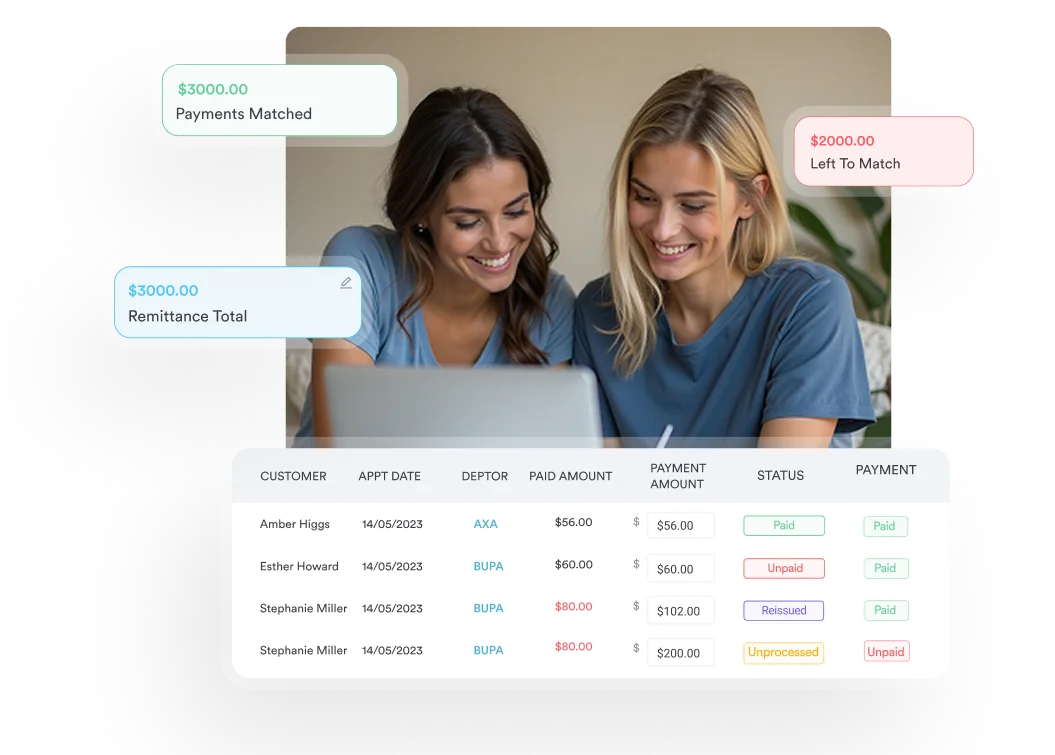

Pabau helps orthopedic and musculoskeletal practices capture what codes like S72.124S require: laterality, displacement status, prior injury history, and sequela confirmation. It all gets structured at the point of care, not after a payer query.

Documentation is where S72.124S usually fails. When the note never connects the current complaint to the prior lesser trochanter fracture, the “S” 7th character will not hold up. The claim then risks denial or audit.
The second failure is quieter. A right-side fracture coded as S72.125S reads as a clean claim until someone compares it against the chart.
Build the check into the encounter rather than the appeal. Laterality, displacement status, and prior fracture history belong in the note while the patient is still in the room. Book a demo to see how Pabau supports accurate orthopedic coding.

Coding a sequela in the shoulder? S49.109P applies the same late-effect rules to a physeal fracture of the upper humerus.
Need the initial-encounter version of a muscle injury code? S46.191A shows how the 7th character shifts while treatment is still active.
Working through sequela codes for the hand? S63.202S covers laterality and digit specificity after a subluxation.
Billing the procedure side of a musculoskeletal visit? 20550 explains the documentation and units a tendon sheath injection needs.
Need a cleaner claim for self-pay patients? Superbill template gives you a filled-in example with every field a payer expects.
S72.124S is the ICD-10-CM diagnosis code for a nondisplaced fracture of the lesser trochanter of the right femur, sequela. It is billable. Use it when a patient is treated for a condition caused by a prior right lesser trochanter fracture that has since healed. The “S” 7th character shows the visit treats the late effect, not the fracture.
Laterality is the only difference. S72.124S is the sequela of a nondisplaced lesser trochanter fracture of the right femur, and S72.125S is the same fracture on the left femur. Both are billable, so a transposed digit will pass claim edits and only surface when someone compares the claim against the chart.
Yes. S72.124S is a billable, specific ICD-10-CM code valid for claim submission in FY2025 and FY2026. It is specific enough for electronic submission and needs no further subcode. A secondary code naming the nature of the sequela must be reported alongside it.
All three describe a nondisplaced fracture of the lesser trochanter of the right femur, and they differ only by encounter type. S72.124A covers the initial encounter, when the patient first receives active treatment. S72.124D covers subsequent encounters during routine healing. S72.124S applies once the fracture has healed and treatment targets a residual condition it caused.
Five elements are required. The note must confirm sequela status, meaning the current condition follows the prior fracture. It must give right-side laterality, nondisplaced status for the original fracture, and the lesser trochanter as the site. It must also reference the prior fracture history to establish the causal link.
Sequela coding applies once the femur fracture has healed. The patient then presents for treatment of a condition it caused, such as chronic pain, muscle weakness, or gait impairment. If the fracture is still healing and the visit manages that healing, use a subsequent encounter character instead, meaning D, G, K, or P.
The closest relatives are the rest of the S72.12x family. They are S72.121xS displaced right, S72.122xS displaced left, S72.123xS displaced unspecified, S72.125xS nondisplaced left, and S72.126xS nondisplaced unspecified. Greater trochanter fractures fall under S72.11x, and apophyseal fractures of the femur fall under S72.13x.