ICD-10 Code Y76.0: Diagnostic obstetric and gynecological devices
ICD-10 Code Y76.0: Definition and billable status ICD-10 Code Y76.0 is a valid, ...

Last Updated: Oct 23, 2026
Billable Code Specific Code
S42.242K is the billable ICD-10-CM code for 4-part fracture of surgical neck of left humerus, subsequent encounter for fracture with nonunion.
Let Pabau's smart automation suggest the right codes, reduce claim denials, and keep your practice compliant—effortlessly.
Automate repetitive tasks and focus on what matters most—your patients.
Reduce coding errors and ensure compliance with the latest regulations.
Clean claims, fewer denials, and faster reimbursements.
Powerful insights and reporting to help your practice thrive.
HIPAA compliant SOC 2 certified GDPR-compliant Trusted by 4,000+ clinics worldwide

S42.242K is the billable ICD-10-CM code for a 4-part left humerus surgical neck fracture at a subsequent encounter with nonunion.
The 7th character K marks a follow-up visit where the fracture has failed to unite, unlike S42.242A or S42.242D.
Documentation must confirm nonunion with imaging evidence, since a vague follow-up note invites a denial.
Practice management software like Pabau links ICD-10 code selection to the claim, which cuts manual lookup errors and rejections.
S42.242K is a billable, specific ICD-10-CM code valid for the FY2026 billing period, effective October 1, 2025. It can be used for reimbursement without a more specific code.
S42.242K means a 4-part fracture of the surgical neck of the left humerus, seen at a follow-up visit where the bone has not united. Each segment of the code carries one clinical detail. Coders who read the structure catch laterality and encounter-type errors before the claim goes out.
The laterality digit separates left (2) from right (1) and unspecified (9). Missing or incorrect laterality is a common denial trigger. The AAPC ICD-10-CM code reference confirms S42.242K as a valid specific code, with laterality and encounter type fully specified.
The 7th character is where most S42.242x errors happen. The wrong extension turns a correctly identified fracture into an incorrectly billed encounter. Other shoulder girdle fractures use the same character set.
Key distinction: K means the fracture has failed to heal. G means healing is progressing, but slowly. P means the fracture healed in an abnormal position. These three are not interchangeable, and confirming nonunion takes imaging documentation rather than a clinical impression.
Elsewhere in the shoulder girdle, S42.002G applies delayed healing to a fracture in an unspecified part of the left clavicle.
Injury recovery often runs through occupational therapy, and occupational therapy software tracks function from assessment to discharge.
The surgical neck of the humerus is the narrowed region just below the greater and lesser tubercles. It is where the proximal humerus meets the shaft, and that anatomy leaves it vulnerable to fracture. Older adults with osteoporosis are most at risk.
A 4-part fracture involves four separate bone fragments: the humeral head, the greater tubercle, the lesser tubercle, and the shaft. This pattern carries a high risk of avascular necrosis of the humeral head, because the blood supply to the articular segment is usually disrupted.
Practices that follow these patients through recovery.
Nonunion means the fracture has failed to heal in the expected timeframe, with no further progression toward union. It differs from delayed union, where healing is slow but still happening, and from malunion, where the bone healed in a non-anatomical position.
For coding, the 7th character K is appropriate only when the documentation and imaging explicitly support nonunion. The CMS ICD-10-CM guidance requires the provider’s documentation, not the coder’s interpretation, to establish the diagnosis. Submitting K when the note only says “follow-up” risks a payer audit.
S42.242K sits inside a defined hierarchy, and reading the parent chain confirms you have reached the right level of specificity. The same logic runs through Chapter 19. S42.242 needs no placeholder, because every character position is already filled.
The S42.24x family covers 4-part fractures of the surgical neck of the humerus across all three laterality options. Coders picking S42.242K should scan the full sibling set to confirm laterality and encounter type. The CDC ICD-10-CM tool holds the authoritative tabular list for each fiscal year.
S42.249K belongs only where the documentation genuinely does not say which side is affected, which is uncommon in practice. Payers prefer specified laterality wherever the note supports it. When the note also omits the part count and records a displaced fracture that healed in a faulty position, the code is S42.213P.
Before submitting with ICD-10 Code S42.242K, run a checklist. Does the chart explicitly state nonunion? Is there imaging documentation within this encounter confirming failure to heal? Is left laterality confirmed in the provider note, rather than assumed from an earlier visit? All three must be present to defend the code on audit.
Legacy systems and historical claim reviews still reference ICD-9-CM codes. The approximate ICD-9-CM equivalent for S42.242K is 733.82, nonunion of fracture.
That mapping is approximate rather than a 1:1 conversion, because ICD-9-CM never captured this level of anatomical specificity or laterality. The WHO ICD-10 browser sets out the structural differences between the two code architectures.
For practices converting historical records, or answering a payer request for legacy equivalents, 733.82 is the standard reference. Do not use ICD-9 codes for current FY2026 billing.
The ICD-10-CM Official Guidelines for Coding and Reporting govern how fracture codes are assigned at subsequent encounters. Chapter 19 sets the rules that decide whether S42.242K survives a payer review.
Follow-up notes for a proximal humerus fracture often record shoulder function testing. Reading the two together tells a coder whether the encounter genuinely documents nonunion.
Practices running HIPAA-compliant practice software can embed these rules in their documentation templates. A nonunion code then rarely reaches a payer without support in the record. Tidy notes also lighten the load on clinical documentation workflows at the point of care.
Read the encounter note for three phrases before assigning K: ‘nonunion confirmed,’ ‘no evidence of healing,’ or ‘fracture remains ununited.’ If the note says ‘healing slowly’ or ‘pain at fracture site,’ that points to G for delayed healing instead. Coders who flag ambiguous notes before billing protect the practice from audit exposure.
A standalone code reference tool answers the lookup question and stops there. The claim still gets built by hand afterwards, and that hand-off is where transcription errors collect.
Practice management software like Pabau closes that hand-off. Pabau’s claims management software keeps diagnosis coding inside the clinical encounter, so the note, the diagnosis, and the claim sit in one system. Coders stop retyping a six-character code with a 7th character attached, which is exactly where S42.242K goes wrong. Denial management works backwards from the remittance to the step that caused it. Revenue cycle management treats coding, submission and collection as one process rather than three handoffs.
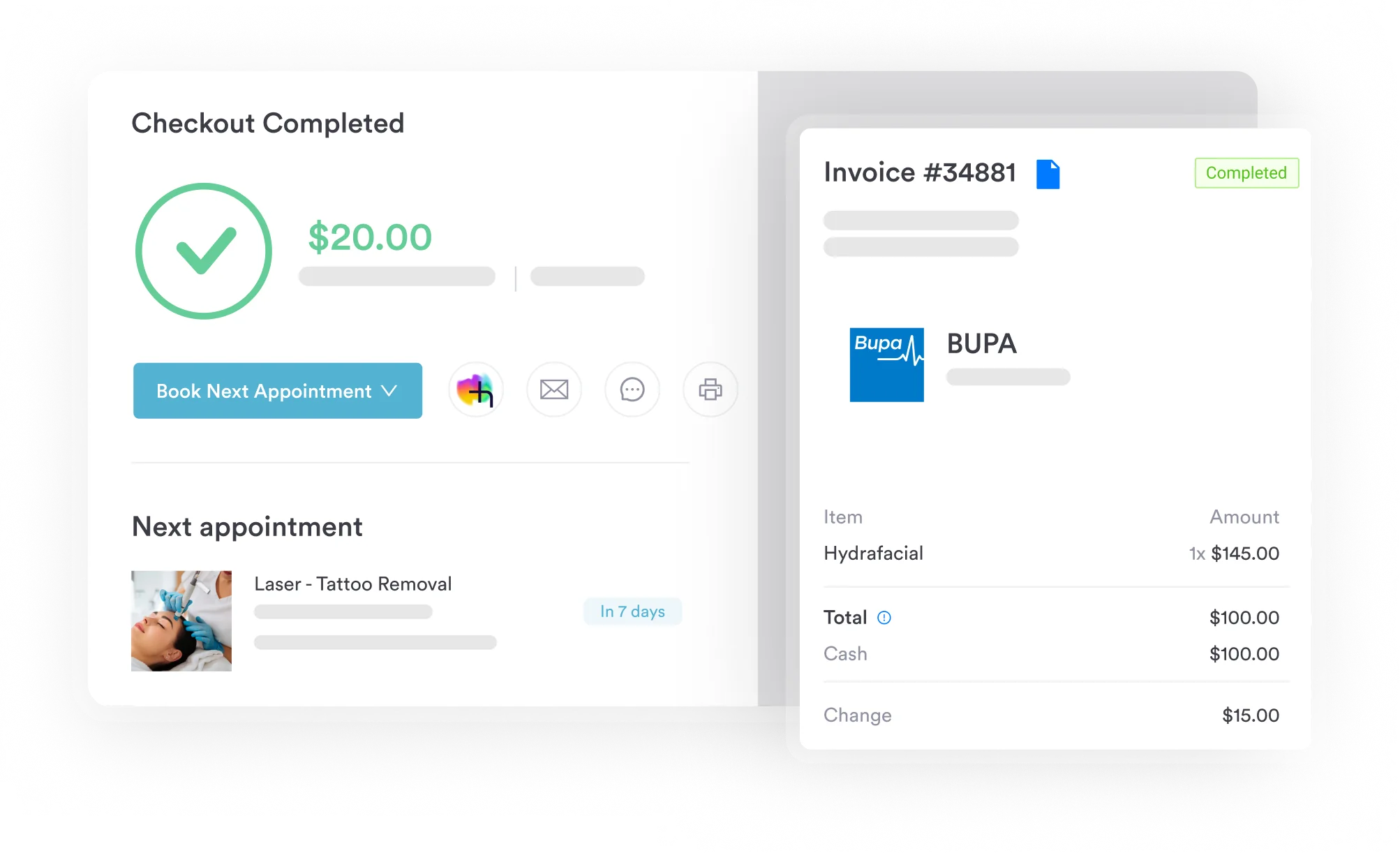
For patients with several encounters on the same fracture. Coders can then pick the right 7th character instead of repeating the last one. Practices on sports medicine software work the same way, since musculoskeletal injury coding comes up daily.
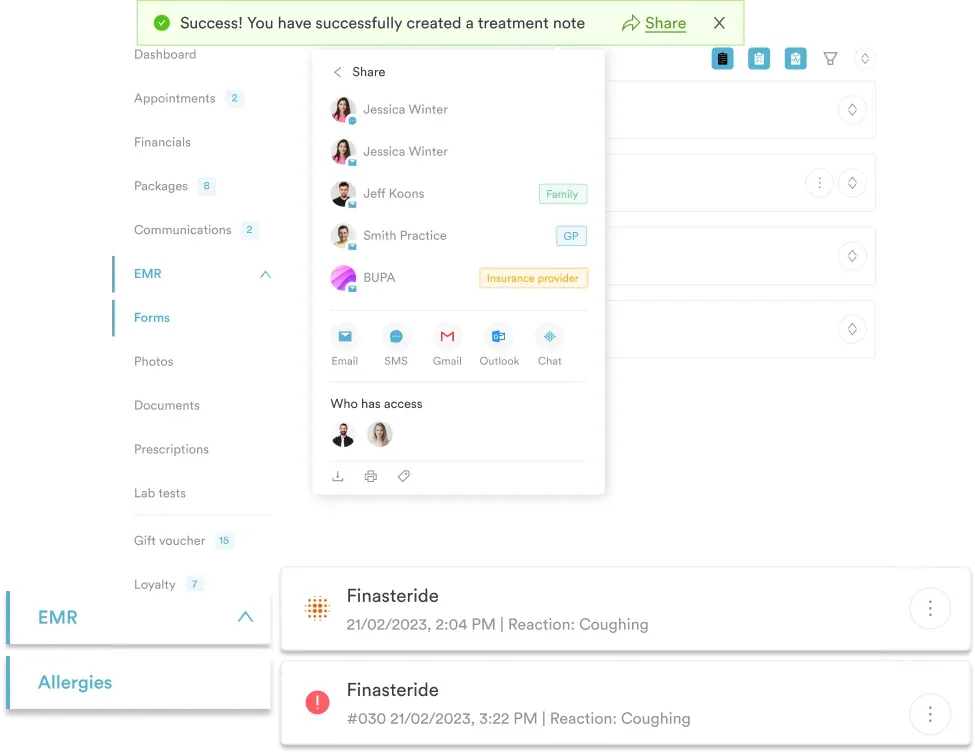

Pabau’s claims management tools tie ICD-10 codes to the billing workflow. That cuts manual lookup errors and helps orthopedic and physical therapy practices submit cleaner claims first time.

Three elements decide whether S42.242K holds up. The note needs left laterality, a 4-part surgical neck fracture, and nonunion confirmed at a follow-up visit. With all three on the page, the code defends itself on audit.
Denials tend to come from a guessed 7th character, or from laterality carried over out of a previous encounter. That is a documentation habit rather than a coding one, so it is worth building into the encounter template.
Fracture follow-ups create a lot of coding rework. Book a demo to see how Pabau keeps the note, the code, and the claim in step.

Coding delayed healing rather than nonunion? S52.033J shows how the delayed-healing character works on an open elbow fracture.
Need the initial encounter for shoulder girdle trauma? S42.009B covers the open clavicle rules and when the B character applies.
Treating patients whose bones fracture easily? Q78.8 explains how the skeletal dysplasia codes are grouped and documented.
Billing the surgery that follows a fracture? CPT code 21812 sets out the fixation procedure and what the operative note must show.
ICD-10 Code S42.242K is a billable code for a 4-part fracture of the surgical neck of the left humerus with nonunion. It applies at a subsequent encounter, where the fracture has failed to achieve normal union. The 4-part pattern involves the humeral head, the greater and lesser tubercles, and the shaft.
Yes, S42.242K is a specific, billable ICD-10-CM code valid for the FY2026 billing period (effective October 1, 2025). It can be used directly for reimbursement without requiring a more specific child code.
The 7th character K in ICD-10-CM fracture codes indicates a subsequent encounter for fracture with nonunion. The patient is being seen after the initial active treatment phase, and the fracture has failed to heal normally. It differs from D for routine healing, G for delayed healing, and P for malunion.
The approximate ICD-9-CM equivalent of S42.242K is 733.82, nonunion of fracture. The mapping is approximate. ICD-9-CM did not capture laterality or fracture part count at this level of detail, so use ICD-9 codes only for historical reference.
The encounter note must state nonunion explicitly, using language such as ‘fracture remains ununited’ or ‘no evidence of healing.’ Imaging documentation, from X-ray or CT, should confirm the failure of osseous union. The provider must also document left laterality and show that this is a follow-up visit. A vague follow-up note with no imaging reference risks denial on audit.
The S42.24x family covers S42.241x for the right humerus, S42.242x for the left, and S42.249x for unspecified laterality. For left-side subsequent encounters, check S42.242D, S42.242G, and S42.242P. Select the 7th character from the documented clinical outcome, not the most convenient option.