ICD-10 Code Y76.0: Diagnostic obstetric and gynecological devices
ICD-10 Code Y76.0: Definition and billable status ICD-10 Code Y76.0 is a valid, ...

Last Updated: Oct 23, 2026
Billable Code Specific Code
S42.343K is the billable ICD-10-CM code for displaced spiral fracture of shaft of humerus, unspecified arm, subsequent encounter for fracture with nonunion.
Let Pabau's smart automation suggest the right codes, reduce claim denials, and keep your practice compliant—effortlessly.
Automate repetitive tasks and focus on what matters most—your patients.
Reduce coding errors and ensure compliance with the latest regulations.
Clean claims, fewer denials, and faster reimbursements.
Powerful insights and reporting to help your practice thrive.
HIPAA compliant SOC 2 certified GDPR-compliant Trusted by 4,000+ clinics worldwide

ICD-10 Code S42.343K describes a displaced spiral fracture of the shaft of the humerus, unspecified arm, at a subsequent encounter with nonunion.
S42.343K is a billable, specific ICD-10-CM code valid for submission on HIPAA-covered claims. The 2026 edition became effective October 1, 2025.
The 7th character K marks a subsequent encounter where the fracture has gone to nonunion. That separates it from D for routine healing and G for delayed healing.
Use S42.341K for the right arm and S42.342K for the left arm whenever the record documents the side.
Practice management software like Pabau links diagnosis codes to procedure codes at the point of documentation, which keeps fracture claims consistent.
Before applying S42.343K, confirm each field below. Submitting a code flagged as “not valid for submission” at the parent-code level is a guaranteed denial.
Each character in S42.343K carries a specific clinical meaning. Misreading a segment, particularly the 6th or 7th character, is how laterality and encounter-type errors enter the billing cycle.
The 6th character “3” carries two pieces of information at once: displacement and unspecified laterality. When the treating provider documents a side, use S42.341K for the right arm or S42.342K for the left arm. Choosing S42.343K when the side appears in the record signals a documentation problem rather than a valid code choice. Tracking which plans carry an authorization requirement for a service saves the appeal later. Accounts receivable aging shows which codes are slow to pay long before anyone calls it a denial problem.
The 7th character is where most fracture coding errors start. Six suffixes are available across the S42.3xx family, and each one describes a different healing status at the time of the visit. The same set applies to neighboring humerus and shoulder codes.
K is only appropriate once imaging or clinical assessment confirms that healing has ceased. Applying it before nonunion is established puts an inaccurate diagnosis on the claim, which is what payer audits look for. Rehabilitation teams often spot the transition from D to K when a patient presents for a delayed-healing workup.
Accurate coding depends on understanding the clinical picture. A displaced spiral fracture of the humeral shaft comes from a twisting force applied to the arm. That force creates a helical fracture line along the diaphysis, the mid-section of the bone, and the fragments shift out of anatomical position.
Nonunion occurs when the biological healing process stops before bony union is achieved. Risk factors include inadequate immobilization, poor vascular supply, infection, and comorbidities such as diabetes or osteoporosis. What remains is a persistent fracture gap that needs further intervention, usually surgical.
Common clinical documentation terms acceptable for S42.343K code selection include:
Providers in sports medicine practices and orthopedic trauma settings document these encounters most often. Delayed presentation and incomplete immobilization both raise nonunion rates in high-activity patients.
The most common errors in this family involve laterality confusion and the wrong 7th character. This decision table covers the primary alternatives.
Fractures elsewhere in the humerus take their own codes. S42.409P covers malunion at the lower end. A displaced segmental break in the right shaft with delayed healing is coded S42.361G. The CDC ICD-10-CM tool lists the full tabular hierarchy if you need to browse further.
Knowing where S42.343K sits in the code tree prevents category-level submissions that payers reject for lack of specificity.
S42.3 through S42.343 are parent codes that appear in the hierarchy but cannot be submitted on claims. Only codes with a valid 7th character are billable. The CMS ICD-10 codes page publishes the annual tabular list updates and valid code files.
Check your practice management system annually against the CMS FY2026 ICD-10-CM update files. S42.343K was effective October 1, 2025. Any code billed under the 2025 edition for dates of service on or after that date may generate an edit on the claim.
Section I.C.19.c of the ICD-10-CM Official Guidelines for Coding and Reporting governs fracture coding. Most code reference pages publish the descriptor and stop there, so here is what the guidelines actually require.
Encounter type is set by treatment status rather than by visit number. A patient who sees a new provider for active management of a nonunion uses suffix A for that visit. That holds even if months have passed since the original injury.
Key documentation requirements for S42.343K:
Practices using clinical documentation workflows that link imaging reports to the patient record cut the risk of 7th character mismatches. Review the encounter suffix at every visit, not only at first presentation.
This table covers the procedure codes most often paired with displaced humeral shaft fractures and nonunion repair. Verify payer coverage and reimbursement against the CMS Physician Fee Schedule before submission.
CPT 24430 and 24435 line up most directly with S42.343K, because both describe procedures triggered by established nonunion. CPT 24516 and 24515 usually appear with suffix A, when active surgical management is the reason for the visit. Anesthesia is reported separately.
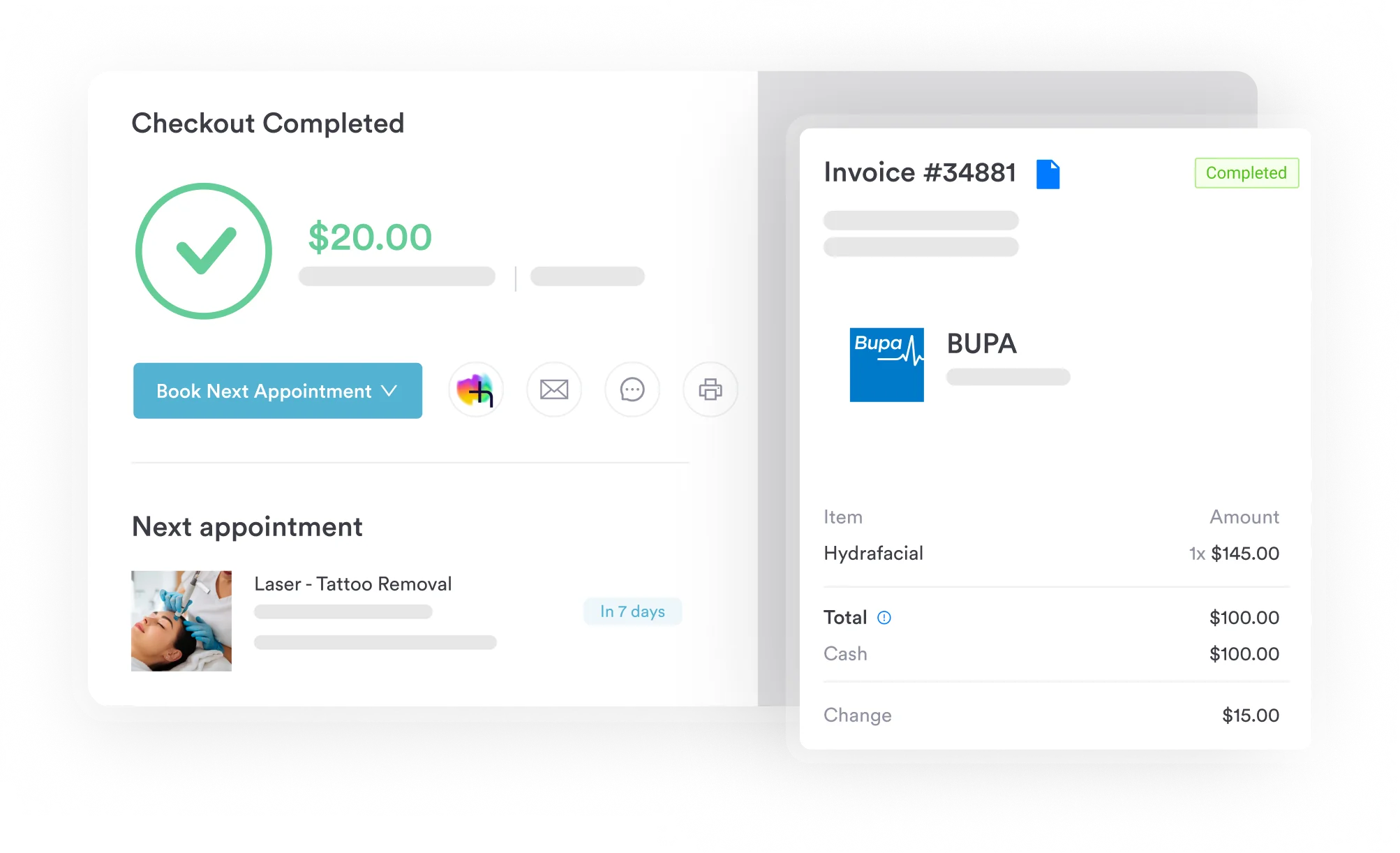
Most orthopedic practices split this work across two systems. Imaging reports and clinical notes sit in the patient record, and the coder rebuilds the diagnosis from scratch when the claim goes out. The suffix is the first thing to slip.
Pabau, our practice management software, keeps both in one place. The treatment note carries the imaging finding that establishes nonunion, and the diagnosis code travels with it into the claim. Your coder can see why K was chosen without opening a second system.
Pabau’s claims management software then pairs that diagnosis with the procedure code before submission. Fewer suffix mismatches reach the payer, so your team spends less time reworking denials on follow-up visits.

Pabau connects clinical documentation to billing workflows for orthopedic and musculoskeletal practices. Code each encounter accurately and submit claims without the manual cross-referencing that leads to denials.

The K suffix stands or falls on what the imaging shows. Before you use S42.343K, confirm the record documents that healing has stopped. Confirm too that this visit is follow-up care rather than active treatment.
Laterality is the other thing worth re-checking at each visit. If the side turns up anywhere in the chart, the specific code replaces the unspecified one and the claim gets stronger. Unspecified codes are a last resort, not a shortcut past a thin note.
Catching both at the point of documentation costs less than catching them in a denial letter. Book a demo to see how Pabau ties fracture documentation to the claim that leaves your practice.

Coding a fracture that is healing slowly rather than not at all? S52.033J walks through the delayed-healing suffix on a displaced olecranon fracture.
Documenting an open wound alongside the fracture? S41.021A covers a laceration with a foreign body at the shoulder on an initial encounter.
Coding a small shave removal of a lesion? CPT code 11300 shave removal guide covers a single trunk, arm, or leg lesion measuring 0.5 cm or less.
Want another worked example of a subsequent-encounter suffix? S33.4XXD applies the D suffix to a traumatic rupture of the symphysis pubis.
Billing anesthesia for a nonunion repair? 01744 covers anesthesia for elbow nonunion and malunion procedures.
ICD-10 Code S42.343K is a billable ICD-10-CM diagnosis code for a displaced spiral fracture of the humeral shaft, unspecified arm. The K suffix marks a subsequent encounter with nonunion. It is valid on HIPAA-covered claims and belongs to the 2026 edition, effective October 1, 2025.
Yes. S42.343K is a specific, billable ICD-10-CM code valid for submission on medical claims. Its parent codes S42.3, S42.34 and S42.343 are not billable, because they lack the required 7th character. Only the fully specified 7-character code is accepted by payers.
The K suffix indicates a subsequent encounter for a fracture with nonunion. The fracture is being managed at a follow-up visit, and healing has stopped without achieving bony union. It differs from D for routine healing and G for delayed healing, where healing is still progressing.
The only difference is laterality. S42.341K specifies the right arm, S42.342K specifies the left arm, and S42.343K indicates unspecified arm. When the treating provider documents the affected side, coders must use the laterality-specific code. S42.343K is reserved for cases where the side is genuinely absent from the record.
CPT 24430 covers repair of nonunion or malunion of the humerus. It pairs most directly with S42.343K when surgical correction of an established nonunion is performed. CPT 24435 applies when the repair needs an autogenous bone graft. Verify payer coverage before submission using the CMS Physician Fee Schedule.
Use K when clinical or radiological evidence confirms the fracture has stopped healing without achieving union. The visit must also be follow-up care rather than active treatment. Use D for routine healing follow-up visits, and G when healing is progressing more slowly than expected. Applying K before nonunion is confirmed creates a compliance risk on the claim.