ICD-10 Code Y76.0: Diagnostic obstetric and gynecological devices
ICD-10 Code Y76.0: Definition and billable status ICD-10 Code Y76.0 is a valid, ...

Last Updated: Oct 23, 2026
Billable Code Specific Code
Q78.8 is the billable ICD-10-CM code for other specified osteochondrodysplasias.
That routing is where the code goes wrong. Ellis-van Creveld syndrome still gets attached to Q78.8 in practice cheat sheets, yet it belongs to Q77.6. Coders also fall back on Q78.9 when the note already names a type. Two lookups prevent both mistakes, and neither one takes long.
Let Pabau's smart automation suggest the right codes, reduce claim denials, and keep your practice compliant—effortlessly.
Automate repetitive tasks and focus on what matters most—your patients.
Reduce coding errors and ensure compliance with the latest regulations.
Clean claims, fewer denials, and faster reimbursements.
Powerful insights and reporting to help your practice thrive.
HIPAA compliant SOC 2 certified GDPR-compliant Trusted by 4,000+ clinics worldwide

ICD-10 code Q78.8 is a billable ICD-10-CM code for other specified osteochondrodysplasias, valid through September 30, 2026.
Osteopoikilosis is the only Applicable To term printed under Q78.8 in the FY2026 tabular list.
A dozen further Alphabetic Index terms route to Q78.8, including Caffey’s syndrome, cartilage-hair hypoplasia and craniometaphyseal dysplasia.
Ellis-van Creveld syndrome and chondroectodermal dysplasia belong to Q77.6, so coding them to Q78.8 is an error.
Use Q78.8 when the record names a specific osteochondrodysplasia. Reserve Q78.9 for notes that never state the type.
Pabau keeps the diagnosis detail in the patient record, then checks each claim for the fields your insurer needs before it goes out.
Q78.8 is a billable and specific ICD-10-CM code, so it stands on its own to support reimbursement. No extra character or supplementary code is needed to make it valid. The FY2026 edition took effect on October 1, 2025 and applies to encounters through September 30, 2026.
The title reads broadly and the tabular entry does not. Chapter 17 stretches from neural tube defects such as Q00.2 all the way to the skeletal dysplasias in Q65-Q79. Q78.8 sits at the narrow end of that range. The annual update files behind it come from the CMS ICD-10 codes page.
The Applicable To row is the one that settles most assignments, so start there.
The FY2026 tabular list prints exactly one Applicable To term under Q78.8, and that term is osteopoikilosis. Everything else you can code here arrives through the Alphabetic Index. Both routes are valid, and the index settles far more assignments than the tabular note does.
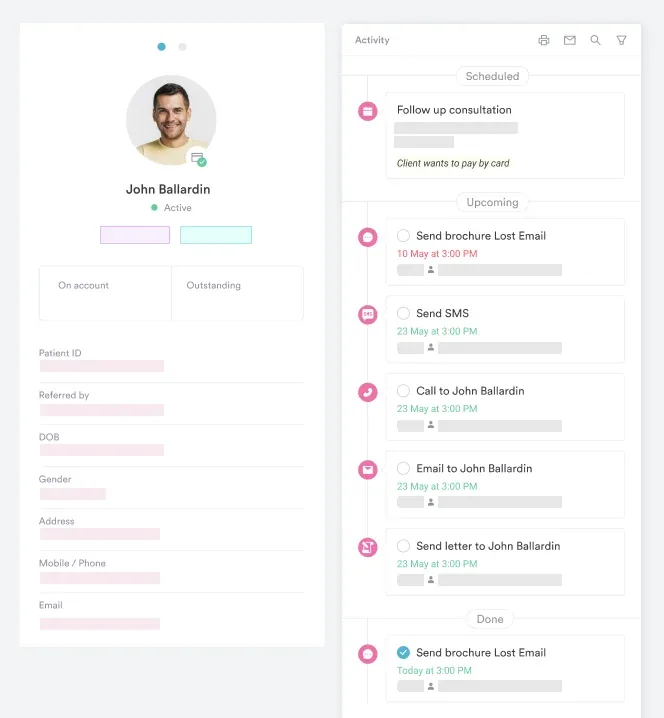
That makes the wording in the chart the deciding factor. For rare congenital diagnoses.
Osteopoikilosis is a benign sclerosing bone dysplasia marked by small, round islands of dense bone. The foci cluster near the ends of the long bones and in the hands, feet and pelvis.
They are usually symmetric and painless. Most turn up on an X-ray taken for something else entirely. Inheritance is autosomal dominant, and loss-of-function mutations in the LEMD3 gene are the recognized cause.
When the same patient also has connective-tissue skin nevi, the combined presentation is called Buschke-Ollendorff syndrome.
Code the bone dysplasia to Q78.8 and code the skin findings separately. One rule protects that assignment. Category M85 carries an Excludes1 note for osteopoikilosis, so the acquired bone-density codes are never correct for it.
Acquired metabolic bone disease keeps its own codes in Chapter 13. None of them substitute for a congenital dysplasia, however incidental the imaging finding looks.
Caffey’s syndrome is the eponym for infantile cortical hyperostosis. Infants under six months present with irritability, tender soft-tissue swelling, and new periosteal bone along the mandible, clavicles or scapulae.
The course is self-limiting, so most encounters are diagnostic rather than surgical. The Alphabetic Index lists Caffey’s syndrome directly, and it routes to Q78.8.
The descriptive name behaves differently. Under the main term Hyperostosis, the subterm “cortical, infantile” routes to M89.8X- instead.
Two names for one condition land in two chapters, so the term the clinician wrote is the term you code. Where the note carries both names, query the clinician before you choose.
The index sends metaphyseal chondrodysplasia to Q78.8 and names three variants in the entry: Jansen’s, McKusick’s and Schmid’s.
Cartilage-hair hypoplasia is the McKusick type, and it has its own index entry pointing to the same code. It combines short-limb short stature with fine sparse hair and immune deficiency.
The trap here is Q78.5, titled metaphyseal dysplasia, whose Applicable To term is Pyle’s syndrome. The two titles read almost identically.
Pyle’s syndrome takes Q78.5, while the named chondrodysplasia variants above take Q78.8. Read the eponym in the record before you pick between them.
Craniometaphyseal dysplasia produces progressive thickening of the craniofacial bones with flared metaphyses in the long bones.
The dominant form follows ANKH mutations and a recessive form follows GJA1. Cranial nerve compression can cause hearing loss or facial palsy, so these encounters often involve several specialties at once.
Leri’s pleonosteosis is rarer still. It presents with broad spade-shaped thumbs, flexion contractures of the interphalangeal joints and short stature. Both conditions index to Q78.8.
Code the term the clinician actually wrote. Caffey’s syndrome indexes to Q78.8, while the descriptive phrase infantile cortical hyperostosis indexes to M89.8X-. If a note carries both, query the clinician instead of choosing for them. That one query protects the claim during an audit.
Thirteen entries in the FY2026 Alphabetic Index point to Q78.8. Checking that list before assignment is faster than reasoning from the code title, and it is what an auditor does.
The table below gives each entry as the index words it, with the reason it lands here.
Two entries in that list reward a second look. SHOX deficiency with dyschondrosteosis routes to Q78.8, yet Leri-Weill syndrome as a named entity routes to Q77.8.
Congenital synostosis defaults to Q78.8, while its site-specific subterms leave the category entirely. A standing index check before submission is what catches that kind of split.
An EMR built for OB-GYN practices carries perinatal diagnoses through delivery records and newborn follow-up.
Use Q78.8 when documentation names an osteochondrodysplasia that sits in the Q78 category without a dedicated code. Use Q78.9 only when the record never specifies the type.
The bare main term Osteochondrodysplasia indexes to Q78.9, and its subterm “specified NEC” indexes to Q78.8.
The ICD-10-CM Official Guidelines for Coding and Reporting require the most specific code the documentation supports.
Reaching for Q78.9 when a named dysplasia sits in the note is therefore a coding error. If a clinician names a condition and no dedicated code exists, Q78.8 is correct, provided the condition is an osteochondrodysplasia.
Q78 (Other osteochondrodysplasias) is the parent category for Q78.8, and reading it end to end confirms that no narrower code fits. There is no Q78.7, so the category runs Q78.0 to Q78.6, then Q78.8 and Q78.9.
The CDC ICD-10-CM web tool publishes each entry with its Applicable To terms.
If the documentation matches any entry from Q78.0 to Q78.6, use that code instead of Q78.8. The “other specified” designation exists for conditions inside the osteochondrodysplasia family that the classification does not name individually. The AAPC code lookup searches the whole category by keyword.
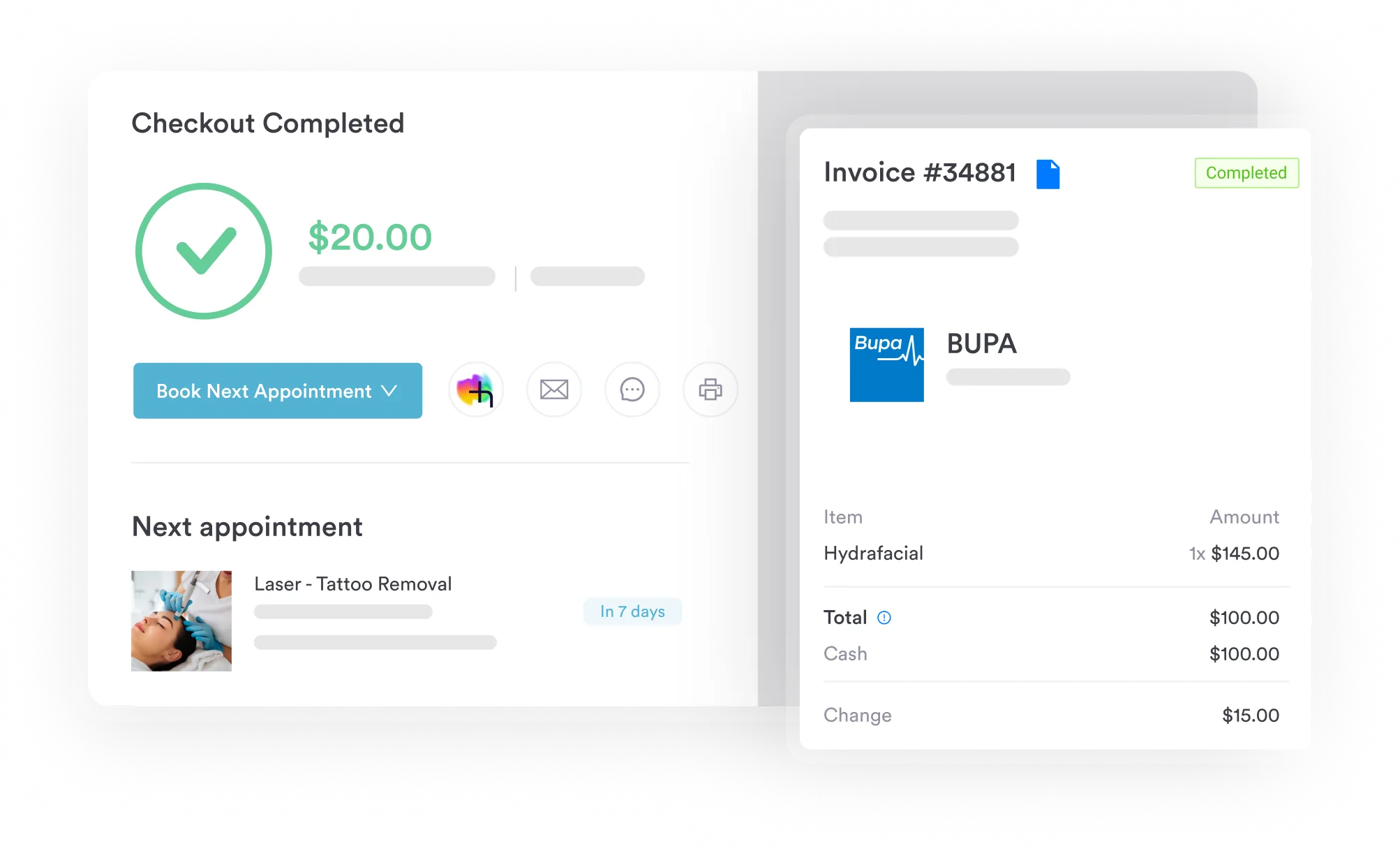
For practices juggling several rare diagnosis codes.
Several skeletal dysplasias get attached to Q78.8 in secondary sources without belonging there.
Chondroectodermal dysplasia leads the list, and it sits at Q77.6 with Ellis-van Creveld syndrome as its printed term. Sound-alike titles cause most of the rest. Juvenile osteochondrosis.
The Ellis-van Creveld error is worth a targeted check in your own data. If past claims put that syndrome or chondroectodermal dysplasia under Q78.8, they carry the wrong code and may need correcting. Run that report before your next payer audit rather than after it.
Payers expect the note to substantiate the coded diagnosis, and rare congenital conditions make that harder than usual. A dysplasia often passes through several specialties before anyone writes a firm name in the chart. These five points are what a reviewer looks for.
Children with cartilage-hair hypoplasia or craniometaphyseal dysplasia are usually followed by orthopedics alongside physical therapy teams. Each of them adds to the same record, so the diagnosis name has to be there from the start.
Fix the point in the workflow where that name gets captured and the rest of the chain gets easier. That takes the guesswork out of the moment a coder picks between Q78.8 and a sibling code.
That discipline matters most for practices billing HIPAA-covered transactions to payers who request records to support rare congenital claims.
Run a periodic audit of Q78.8 and Q78.9 claims in your practice management system. A high share of Q78.9 relative to Q78.8 usually means clinicians are under-documenting the dysplasia type. That costs you specificity and invites payer scrutiny on the rest of the claim.
A Q78.8 claim passes through four hands, and only the first pair is clinical. The clinician names the dysplasia in the note.
The coder looks that exact wording up in the Alphabetic Index, then confirms Q78.8 in the tabular list. Billing sends the claim with the service codes for the encounter. The payer checks whether the diagnosis supports what was billed.
Nothing further down that chain re-reads the chart for you. If the note says “skeletal dysplasia” and stops there, the coder has no route to Q78.8. The claim then goes out at Q78.9 or waits for a query.
Three things hold these claims up, and none of them are coding mistakes in the strict sense. The named diagnosis sits in an outside specialist’s letter that never reaches the chart.
Time pressure then pushes a coder toward Q78.9 as the default. Or an associated condition gets left off, and the payer questions why an audiology or immunology service was needed at all.
Each of those is fixable at the record, before a claim exists. That is where the software you already own can carry some of the load.
Documenting a diagnosis such as Q78.8 depends on catching the precise term at the first encounter. Practice management software like Pabau gives clinicians a structured client record built for that job. Diagnosis names, associated findings, and the imaging or genetic evidence all sit in one chart.
For patients seen across several visits, Pabau Scribe, our AI scribe, turns the consultation into structured notes inside that record. It keeps the typing down when one presentation touches bone, hearing and immune function at once.
Pabau’s claims management then checks each submission for the fields your insurer requires. The Send button stays locked until those fields pass, and a status dashboard shows you where every claim sits. The diagnosis detail itself stays in the patient record, which is where a reviewer will look for it.
Practices following congenital musculoskeletal cases through occupational therapy have one more option.
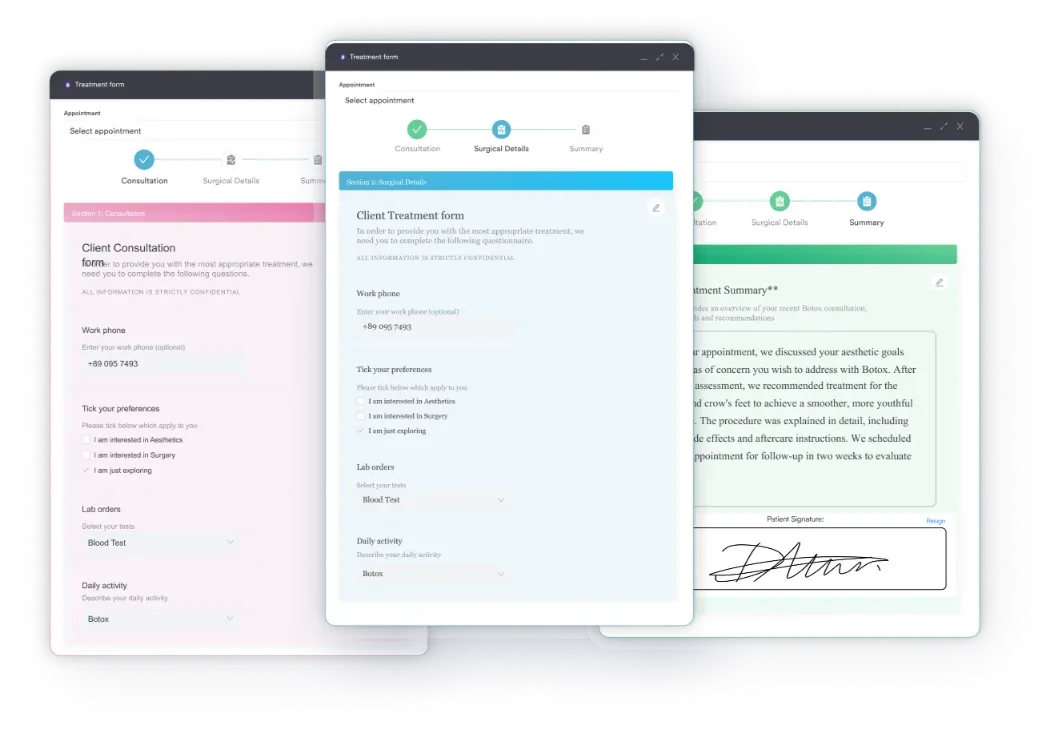

Pabau holds congenital diagnoses like Q78.8 in structured patient records. It then checks each claim for the fields your insurer requires and shows you the status of every submission in one place.

Q78.8 rewards a coder who reads the note twice. The classification will accept Q78.9 without complaint, and so will most payers, right up to the day someone audits the specificity of your rare-disease claims. The index lookup that prevents that costs you under a minute.
So most of the work sits upstream, in how the diagnosis gets written down. Capture the wording at the first encounter and the coding decision mostly makes itself. See how Pabau supports practice management, or book a demo to walk through it with your own case mix.

Coding another Chapter 17 malformation? Q30.2 walks through a congenital nose malformation where the index splits by wording.
Stuck with an unspecified skeletal deformity? M43.9 shows how the same specificity problem plays out in a deforming dorsopathy claim.
Billing a cranial nerve repair? Cranial nerve repair billing guide walks through the Healthcode submission steps for this complex neurosurgical procedure.
Coding a systemic disease with joint damage? M36.2 covers sequencing when the skeletal finding belongs to a wider condition.
No. The diagnosis has to come from the treating provider’s documentation, so an incidental sclerotic pattern on imaging needs their confirmation first. Query the provider, then code the term they write.
Yes. Q78.8 sits on the CMS present-on-admission exempt list, so an inpatient claim needs no POA indicator for it. Re-check Appendix I each October, because the list is updated annually.
No. The named diagnosis in the record supports the code on its own. A genetic result strengthens the file when a payer requests records, so note it wherever one exists.
Yes. Congenital codes carry no age limit, and osteopoikilosis is usually found by accident on an adult X-ray. A late diagnosis does not make Q78.8 the wrong code.
For as long as the dysplasia affects care. Congenital conditions do not resolve, so the code returns at every encounter where it is evaluated, monitored, or drives a service.