ICD-10 Code Y76.0: Diagnostic obstetric and gynecological devices
ICD-10 Code Y76.0: Definition and billable status ICD-10 Code Y76.0 is a valid, ...

Last Updated: Oct 23, 2026
Billable Code Specific Code
S42.242P is the billable ICD-10-CM code for 4-part fracture of surgical neck of left humerus, subsequent encounter for fracture with malunion.
The code is valid for HIPAA-covered electronic transactions in fiscal year 2026. That period runs from October 1, 2025 through September 30, 2026. This page covers the 7th character system, the sibling codes, the documentation payers look for, and the errors that trigger claim edits.
S42.242 without a 7th character is non-billable. A full seven-character code has to reach the payer before the claim can process. Validity for HIPAA transactions is also not a promise of payment, because coverage policies vary by plan.
Let Pabau's smart automation suggest the right codes, reduce claim denials, and keep your practice compliant—effortlessly.
Automate repetitive tasks and focus on what matters most—your patients.
Reduce coding errors and ensure compliance with the latest regulations.
Clean claims, fewer denials, and faster reimbursements.
Powerful insights and reporting to help your practice thrive.
HIPAA compliant SOC 2 certified GDPR-compliant Trusted by 4,000+ clinics worldwide

ICD-10 code S42.242P covers a 4-part fracture of the surgical neck of the left humerus, subsequent encounter with malunion.
The code is valid for HIPAA-covered transactions in FY2026, which runs from October 1, 2025 through September 30, 2026.
The 7th character ‘P’ marks a fracture that healed in a non-anatomical position. Nonunion is a different outcome and takes the character ‘K’.
S42.242 on its own is non-billable, so the full seven-character code has to reach the claim.
Practice management software like Pabau helps orthopedic and physical therapy practices document encounter type and laterality before a claim goes out.
The surgical neck of the humerus is the narrowed region just below the greater and lesser tuberosities. It is anatomically distinct from the anatomical neck, which sits immediately below the humeral head. Fractures here account for a large share of proximal humerus injuries, particularly in older adults after low-energy falls.
A 4-part fracture, as described by the Neer classification, involves four separate fragments. Those are the humeral head, the greater tuberosity, the lesser tuberosity, and the humeral shaft. This configuration disrupts the blood supply to the humeral head. It carries a higher risk of avascular necrosis than a 2- or 3-part fracture.
Surgical management often involves open reduction and internal fixation, known as ORIF, or shoulder arthroplasty. Treatment decisions rest with the treating clinician and sit outside the scope of this coding reference.
Malunion at this site often leaves lasting loss of shoulder range of motion, so these patients come back for repeated follow-up visits. Whether those visits are logged in a physical therapy EMR or in occupational therapy software, each one needs its encounter type recorded before billing.
The malunion diagnosis itself must also be in the record before S42.242P or any sibling code can be assigned.
ICD-10-CM fracture codes use a 7th character to record the type of encounter. Without it, S42.242 is incomplete and cannot go out as a billable claim. The character ‘P’ has a narrow meaning that sets it apart from the characters next to it.
What malunion means: Malunion is a fracture that healed, but in a non-anatomical position, leaving altered alignment, angulation, or rotation. Nonunion is the opposite outcome, where the fragments never unite at all.
Assign ‘P’ from the physician’s documented diagnosis, not from your own reading of the imaging. Per the ICD-10-CM Official Guidelines, the 7th character has to reflect the encounter as documented.
In fracture coding, “initial encounter” does not mean the first time the patient saw a physician. It means the period when the patient is receiving active treatment for the fracture. Once the fracture is considered healed, even in a malunited position, later visits take a subsequent-encounter character.
The ‘P’ extension keeps the same meaning across the rest of the humerus families. Another humerus malunion code such as S42.489P reads exactly the same way. What changes between those codes is the anatomy and the laterality, never the definition of malunion.
Knowing where S42.242P sits in the ICD-10-CM tabular list helps you check a code choice before it goes out. Each level narrows the anatomy first, then the laterality, then the encounter.
The right-side equivalent is S42.241, with the same set of 7th characters, and S42.249 covers the unspecified side. Laterality has to be documented before you can pick S42.242P over S42.241P or S42.249P. Where the record does not support a 4-part pattern, the unspecified surgical-neck family that includes S42.212D applies instead.
If the note shows a displaced surgical-neck fracture but documents neither the part count nor the side, S42.213P is the malunion code.
Not every upper-end fracture has a named part like the surgical neck. Those code to the S42.29 subcategory, such as S42.294G for a nondisplaced fracture with delayed healing.
Our roundup of alternatives to Jane App looks at platforms that pair injury coding with rehab treatment plans.
The codes below all share the same anatomical base, a 4-part fracture of the surgical neck of the left humerus. Only the 7th character changes. Picking the wrong sibling is the most common source of claim edits for this fracture.
K vs. P: ‘K’ records nonunion, where the fragments never united. ‘P’ records malunion, where the bone united in the wrong position. Those two are the pair most often confused at audit, especially when a chart notes complicated healing without naming the outcome.
Only the treating physician’s documented diagnosis settles it, so query the chart rather than infer from imaging. Where the physician has documented nonunion, S42.242K is the code that belongs on the claim.
The ICD-10-CM Official Guidelines for Coding and Reporting, maintained by the National Center for Health Statistics and CMS, govern how S42.242P is applied. Practices running claims management software that understands encounter-type logic cut the manual review a coder faces on complex fracture follow-ups.
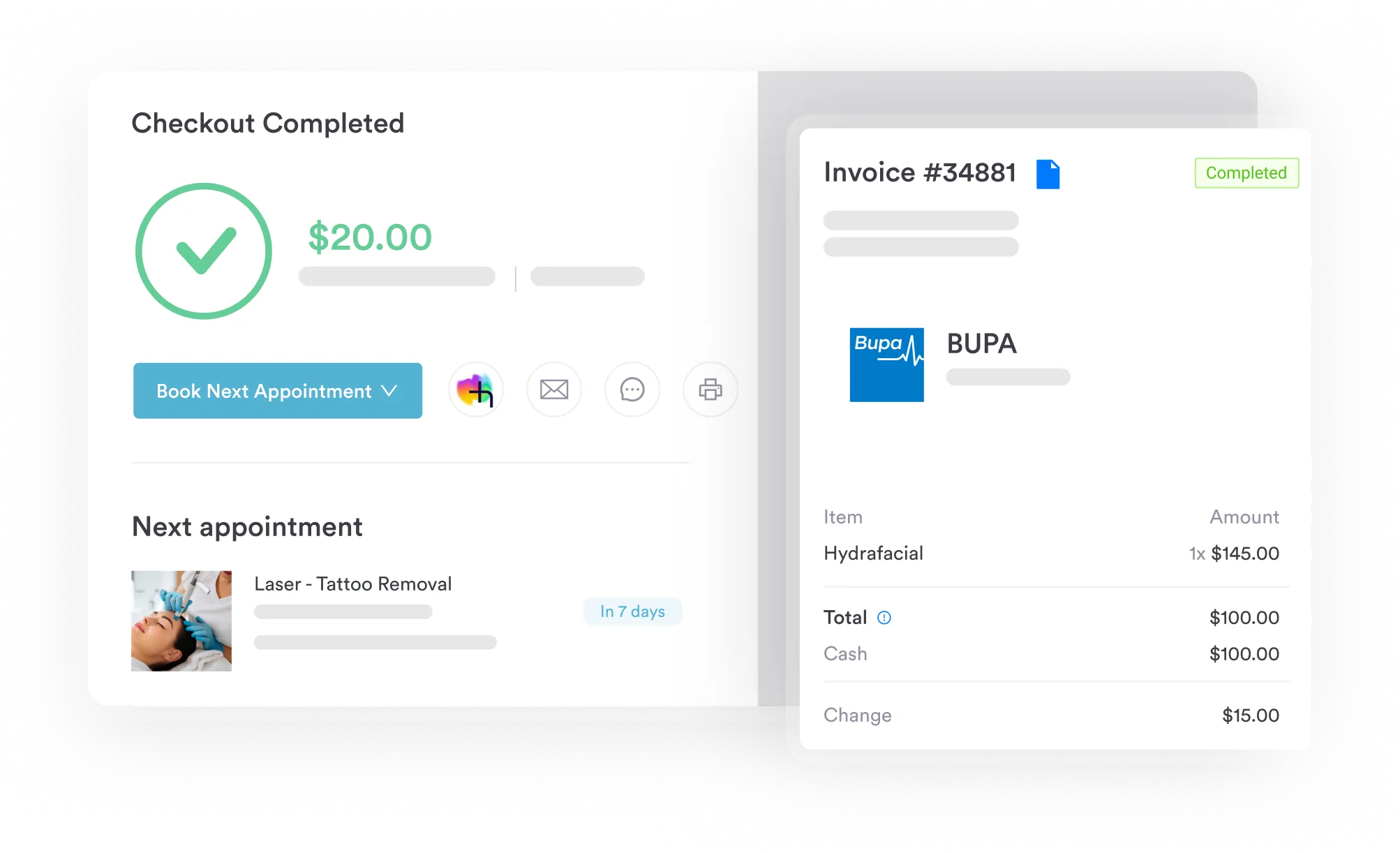
Accurate encounter-type documentation is also the first thing an auditor looks for when a subsequent-encounter claim is questioned.
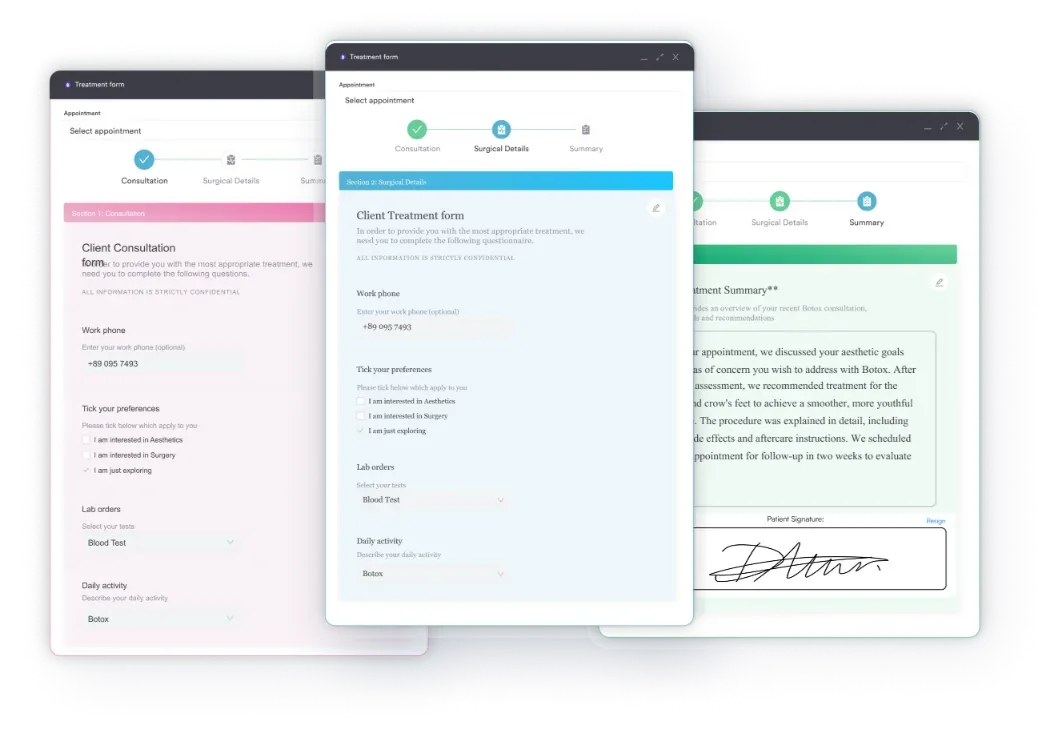
Audit charts for phrases like ‘continues to have shoulder pain’ without a documented fracture healing outcome. These notes often lack the malunion or nonunion characterization needed to justify a ‘P’ or ‘K’ 7th character. Flag them for physician clarification before billing.
Most denials on this code trace back to one of five errors. Each one has a fix that happens before the claim goes out, not after the denial arrives. Those five errors each show up later on the electronic remittance advice, which names the exact reason code.
Mapping between ICD-9-CM and ICD-10-CM is approximate rather than a direct equivalence. ICD-9-CM used fewer specificity levels and did not consistently capture laterality or fracture part count. As ResDAC notes, the move to ICD-10 expanded fracture code specificity sharply, so one ICD-9 code can map to several ICD-10 codes.
Use these entries for legacy reconciliation and audit trails only. Do not lean on an ICD-9 predecessor to validate a current ICD-10-CM selection. AAPC’s code lookup carries crosswalk references, and the CDC’s ICD-10-CM tool is the authority for the current code set.
In most practices the coder learns about a malunion after the fact. The operative note says one thing, the follow-up note says another, and the query goes back to the physician a week later.
Practice management software like Pabau puts those fields in the note itself. Laterality, fragment count, and healing outcome are captured as structured entries at the visit, not reconstructed from free text later. Every follow-up encounter stays attached to the same patient record, so the encounter type is obvious when the claim is built.
Records stay in one HIPAA-compliant system, so the imaging notes, the operative report, and the coding detail are never in separate tools. When a payer questions an S42.242P claim, the support is already assembled.

Capture the encounter type, laterality, and healing outcome at the visit. Coders get what they need before the claim is built, so fewer denials come back.

S42.242P is a narrow code, and that is what makes it easy to get wrong. It holds up only when the record names a documented malunion, a subsequent encounter, and the left side.
The fix sits upstream of billing. Build the note so those three facts are there the first time, and the coding decision stops being a judgment call. Book a demo to see how Pabau captures encounter type and laterality at the point of care.

Coding the nonunion outcome instead? S42.242K covers the same fracture where the fragments never united.
Need the humeral shaft equivalent? S42.343K handles a displaced spiral shaft fracture that has gone to nonunion.
Working on a distal humerus claim? S42.475G covers a left transcondylar fracture with delayed healing.
Coding a sequela rather than a complication? S42.126S shows how the ‘S’ extension works on a shoulder girdle fracture.
Debriding muscle and fascia after the first excision? CPT code 11046 debridement guide is the add-on code for each extra 20 square centimeters billed with CPT 11043.
ICD-10 code S42.242P is a billable ICD-10-CM diagnosis code. It describes a 4-part fracture of the surgical neck of the left humerus, subsequent encounter for fracture with malunion. The code is valid for HIPAA-covered transactions during FY2026, which runs from October 1, 2025 through September 30, 2026. You use it after active fracture treatment has ended and the fracture has healed in a non-anatomical position.
Yes. S42.242P is a billable, specific ICD-10-CM code valid for claim submission. The parent code S42.242, without any 7th character, is non-billable and cannot be submitted. The full seven-character code is required for reimbursement under HIPAA-covered transactions.
S42.242P indicates malunion, where the fracture healed but in a non-anatomical position. S42.242K indicates nonunion, where the fragments did not unite at all. Both are subsequent-encounter codes, but they describe clinically distinct outcomes. The treating physician’s documented diagnosis determines which code applies. Coders should not make the distinction independently of the chart.
No. The valid 7th characters for S42.242 are A, B, D, G, K, P, and S, so there is no Q variant. Nonunion is coded S42.242K, and malunion is S42.242P. Where ICD-10-CM does use Q, it marks malunion on certain open-fracture variants in other code families.
Malunion is a fracture that has finished healing, but in a position that is not anatomically aligned. The result is altered bone shape, angulation, or rotation. It is captured by the 7th character P across multiple fracture code families. For a fracture of the surgical neck of the left humerus, malunion is coded as S42.242P on subsequent encounters.
Use S42.242D when the fracture is healing normally at a follow-up encounter. Use S42.242P once the fracture has finished healing in a malunited position. If the notes indicate routine healing with no malunion diagnosis, D is the right choice. Once malunion is documented, P replaces D for later visits tied to that complication.
The medical record has to show four things. It needs a 4-part fracture of the surgical neck and left-side laterality. It also needs the encounter recorded as subsequent rather than initial, plus the physician’s explicit diagnosis of malunion. Imaging findings alone are not enough without a documented clinical diagnosis. Payers may also request operative reports, imaging narratives, and progress notes during an audit.