ICD-10 Code S42.444P: Medial epicondyle fracture, right humerus
ICD-10 Code S42.444P: full descriptor and code validity ICD-10 Code S42.444P car...

Last Updated: Oct 13, 2026
Billable Code Specific Code
S82.222E is the billable ICD-10-CM code for displaced transverse fracture of shaft of left tibia, subsequent encounter for open fracture type I or II with routine healing.
Let Pabau's smart automation suggest the right codes, reduce claim denials, and keep your practice compliant—effortlessly.
Automate repetitive tasks and focus on what matters most—your patients.
Reduce coding errors and ensure compliance with the latest regulations.
Clean claims, fewer denials, and faster reimbursements.
Powerful insights and reporting to help your practice thrive.
HIPAA compliant SOC 2 certified GDPR-compliant Trusted by 4,000+ clinics worldwide

S82.222E covers a displaced transverse fracture of the shaft of the left tibia at a follow-up visit. Specifically, the 7th character E adds open fracture type I or II with routine healing.
Assigning E when the notes document malunion is a coding error. Instead, malunion of an open type I or II fracture takes Q, not E.
Malunion and nonunion map to different letters. Specifically, malunion uses P, Q, or R and nonunion uses K, M, or N, split by closed, open type I-II, and open type III.
Practice management software like Pabau pulls patient, treatment, and insurer details already on the record into a pre-filled claim. However, your billing team still picks the code.
ICD-10 Code S82.222E is a billable code for a displaced transverse fracture of the shaft of the left tibia. Specifically, it applies at a subsequent encounter, once the original open fracture has been graded Gustilo type I or II. In addition, the bone must be healing normally at that visit.
The code is valid for submission on HIPAA-covered electronic transactions, and the 2026 edition took effect October 1, 2025. For example, you can check its current status with the CDC/NCHS ICD-10-CM web tool. As with S82.291J and the other codes in the S82.2 subcategory, it needs full documentation support before it goes on a claim.
Each segment of S82.222E carries specific clinical meaning. In fact, misread one and you end up with the wrong code and a likely denial.
The digit “2” at position S82.222 specifies the transverse fracture pattern. Similarly, the second “2” at S82.222 locks in left-side laterality. Together, both matter. For instance, coding the right tibia as S82.221 when the chart documents left is an error, even if the 7th character is right.
The 7th character does three jobs at once on an open fracture code in the S82 category. Specifically, it identifies the encounter type, the Gustilo grade, and the healing status. By contrast, closed fracture characters track only encounter and healing, which is why open fracture coding takes longer to get right. Likewise, other fracture families follow the same pattern, including same pattern, including S92.145K, though the letters on offer differ by category.
The official ICD-10-CM tabular list reads “subsequent encounter for open fracture type I or II with routine healing” for S82.222E. However, some lookup tools still show malunion wording for this code, and that is where the confusion starts. Instead, malunion of an open type I or II fracture is S82.222Q. So check the 7th character against the CMS ICD-10-CM tabular list before you submit.
Confirm every 7th character for S82.222x against the official CMS or NCHS tabular list rather than a third-party lookup tool. In fact, display strings on those tools go stale, and the 7th character is the one part of this code a payer will test.
The Gustilo-Anderson classification is the clinical standard for grading open fracture severity. Specifically, S82.222E and its sibling characters B, H, M, and Q all apply to Gustilo types I and II. By contrast, Type III fractures use a different set of characters, namely C, F, J, N, and R.
The Gustilo grade has to appear in the operative or emergency department notes to support S82.222E. For example, a chart that says “open fracture” without a type forces a physician query rather than a coder’s assumption. In addition, the AAPC ICD-10-CM code lookup carries more clinical context on open fracture coding. In particular, practitioners at sports medicine and orthopedic practices see this injury pattern often in high-impact trauma.
Mixing up malunion and nonunion is one of the most audited errors in orthopedic subsequent encounter coding. Fortunately, the clinical difference is clear, and so is the coding consequence.
Payers audit this distinction because malunion and nonunion lead to different follow-up procedures, such as corrective osteotomy or bone grafting. In turn, each carries its own CPT billing. As a result, coding a malunion as routine healing understates the clinical picture and can trigger a medical necessity review. Likewise, other fracture families use the same nonunion letter, so a tarsal bone that fails to unite is S92.209K.
S82.222 is the non-billable parent, and every billable code in the family extends it with a 7th character. Accordingly, the table below covers the siblings orthopedic coders reach for most on subsequent encounter claims.
Displaced transverse fractures of the tibial shaft usually come from high-energy trauma: motor vehicle accidents, falls from height, and direct impact in sport. In addition, the tibia sits close to the skin with little soft tissue over it. That is why open fractures are so common at this site.
Malunion in a tibial shaft fracture usually follows inadequate reduction, loss of fixation, or weight bearing before the bone consolidates. Specifically, in open fractures, wound management can take priority over the alignment achieved at fixation, which makes malunion more likely than in closed injuries. Consequently, practices in physical therapy and orthopedics need the healing status recorded at every visit, because that is what drives the 7th character. A clean claim carries the code, the modifiers and the diagnosis in agreement, and needs no rework before payment. The 1500 claim form and its electronic equivalent ask for the same data in a different layout.
Seven documentation elements have to appear in the chart to support S82.222E. Otherwise, miss one and you have a query or a denial. Therefore, documentation workflows should capture all seven before the encounter is coded.
Structured clinical records that prompt for laterality, displacement, pattern, and healing status cut the number of physician queries. In turn, that pays off most in practices running high volumes of fracture aftercare visits.
The ICD-10-CM Official Guidelines for Coding and Reporting govern fracture subsequent encounter coding. Specifically, CMS and the National Center for Health Statistics maintain them together. Of these, four points matter most for S82.222E.
For practices managing HIPAA compliance, backing every submitted code with documentation is a core obligation. Indeed, unsupported code selection carries audit exposure under the CMS fraud and abuse rules. Additionally, CMS publishes the files for each new code year every October.
Notably, knowing where S82.222E sits in the ICD-10-CM hierarchy helps coders move around the family and keeps non-billable parent codes off claims.
Submitting S82.222 without the 7th character gets the claim rejected, because non-billable parent codes are invalid on a claim. Therefore, every S82.222x claim needs the full seven characters. For that reason, the features to look for in practice software include code lookup at the point of claim preparation, which heads off these avoidable rejections.
Run a pre-submission scrub that flags any S82 code shorter than 7 characters. For example, non-billable parent codes like S82.222 and S82.22 will always trigger a rejection. Your clearinghouse should catch these, but a front-end edit saves the rework cycle.
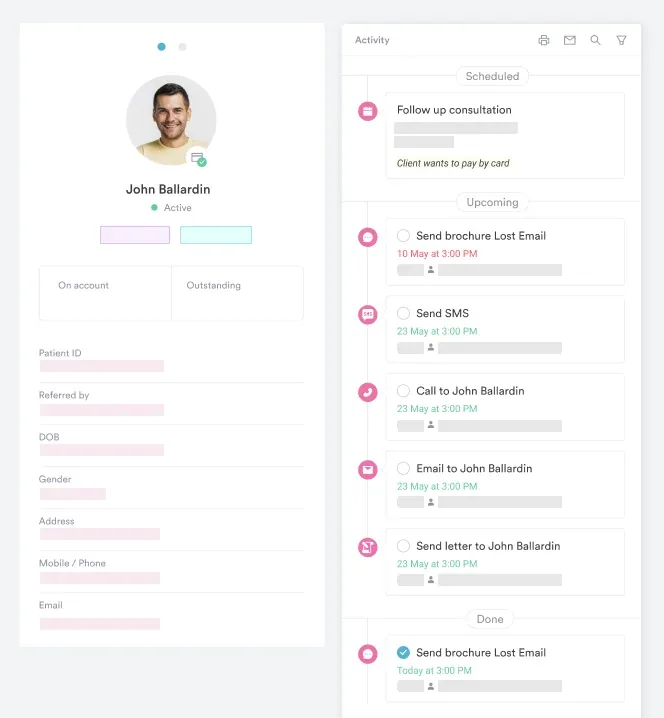
Orthopedic follow-up visits generate a high volume of subsequent encounter claims, and thin documentation is the leading cause of denials in this category. To help, practice management software like Pabau holds the treatment note, the patient record, and the insurer details in one place.
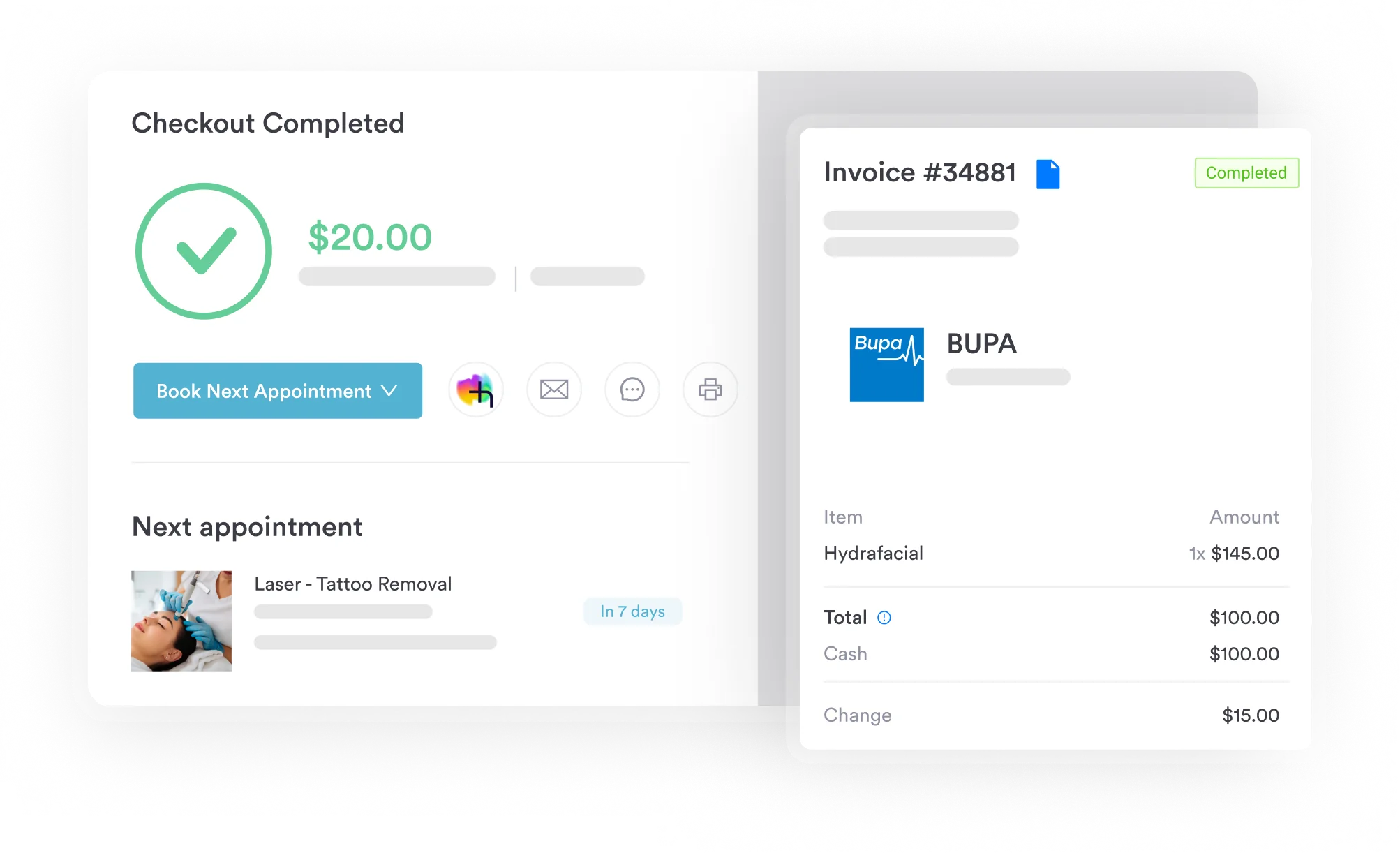
Its claims management software then pulls that stored data into a pre-filled claim and submits it. As a result, your billing team stops retyping details that are already on the record. However, code selection stays with your coder, but the supporting detail is in front of them when they open the claim.
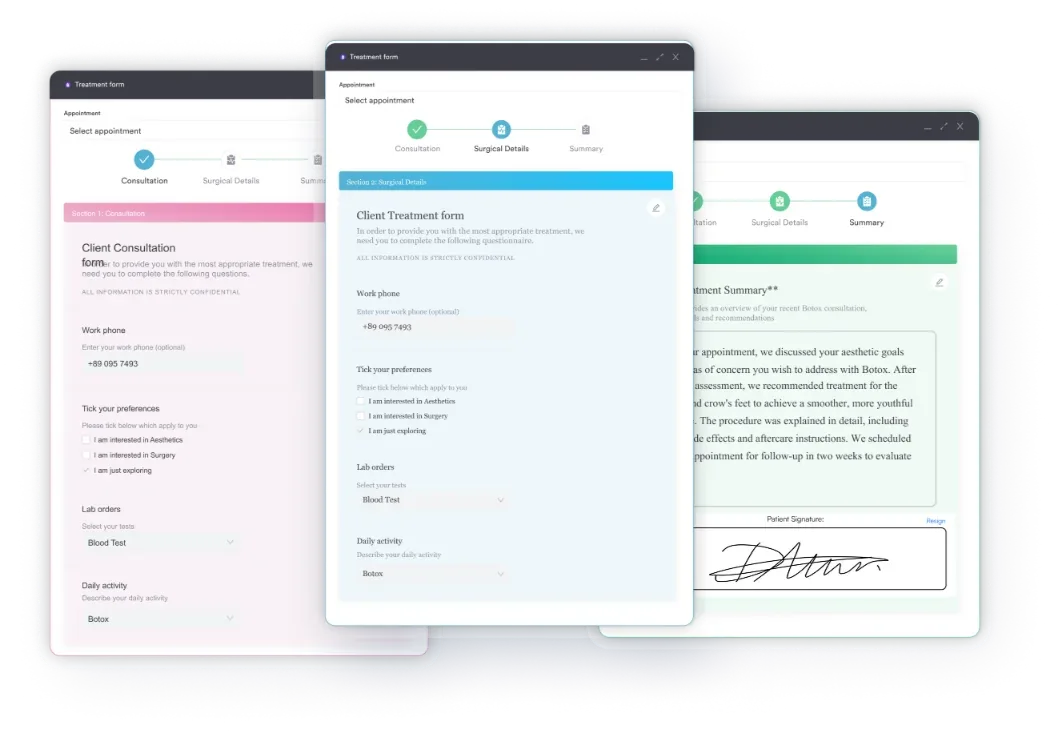
Practices using Pabau’s digital intake forms can build orthopedic follow-up templates that prompt for fracture side, healing status, and any complication flags. In turn, that structure cuts the physician query rate and shortens the billing cycle. Additionally, the practice management platform also keeps coding workflows consistent across multi-location orthopedic groups.

Pabau pulls the patient, treatment, and insurer details already on the record into a pre-filled claim, then submits and tracks it. As a result, your billing team spends less time rekeying what the chart already holds.

The 7th character is where S82.222E is won or lost. In fact, the table for S82.222x holds 16 letters. Yet only one of them fits an open type I or II fracture that is healing normally at a follow-up visit.
So pin the healing status down in the note before the claim goes out. If the chart says malunion, the code is S82.222Q, and no amount of clean billing will fix an E on that claim. Likewise, if the chart says nothing at all, that is a query, not a judgment call.
Getting that detail into the note is a workflow problem more than a coding problem. So book a demo to see how Pabau keeps fracture aftercare documentation and claims in one place.

Billing the walking aids that follow a tibial fracture? E0111 walks through coverage rules and modifiers for forearm crutches, for example.
Coding another subsequent encounter fracture? S52.529D applies the same 7th character logic to a torus fracture of the radius, as well.
Coding an unlisted procedure claim? CPT code 66999 billing guide covers the narrative report and benchmark code unlisted anterior segment eye procedures require.
Billing for a brain MRI claim? CPT code 70553 billing guide covers the contrast documentation radiology departments need to avoid claim denials.
Setting up a new billing provider record? Type 1 vs type 2 NPI explains which identifier belongs on which claim, as well.
S82.222E is a billable ICD-10-CM code for a displaced transverse fracture of the shaft of the left tibia. Specifically, it is used at a subsequent encounter, after an open fracture graded Gustilo type I or II. In addition, the 7th character E confirms that the fracture is healing normally. Furthermore, the code is valid for the 2026 code year, effective October 1, 2025.
Yes. S82.222E is a specific, billable ICD-10-CM code, valid for submission on HIPAA-covered electronic transactions. By contrast, the parent code S82.222 carries no 7th character, so it is non-billable and will be rejected on a claim.
S82.222E covers Gustilo type I and type II. Specifically, Type I is a wound under 1 cm with minimal contamination. Meanwhile, Type II is a wound of 1 to 10 cm with moderate contamination. By contrast, Type IIIA, IIIB, and IIIC fractures take different 7th characters, including C, F, and R.
Fracture follow-up visits are usually billed with evaluation and management codes, such as 99213 or 99214, depending on complexity. Alternatively, orthopedic aftercare codes are the other common pairing. Ultimately, the right CPT code depends on what was actually done and documented at that visit.
Use S82.222Q rather than S82.222E for a displaced transverse fracture of the shaft of the left tibia with malunion. Note that this assumes the original injury was graded Gustilo type I or II. In addition, the documentation must confirm malunion on imaging or clinical assessment. So check the 7th character against the current CMS ICD-10-CM tabular before you submit.