CRM for chiropractors: how to manage patients, bookings and marketing
A CRM for chiropractors is a patient relationship management system built around...

Last Updated: Oct 13, 2026

Hearing test frequency refers to the Hz ranges used in audiometry – standard clinical tests cover 250 Hz to 8,000 Hz across eight octave points
Normal adult hearing spans 20 Hz to 20,000 Hz, but sensitivity narrows with age – adults over 65 typically lose clear access above 8,000 Hz
Reading an audiogram means understanding two axes: frequency (Hz) on the horizontal and hearing threshold (dB HL) on the vertical, with normal hearing defined as under 20 dB HL by the WHO
Pabau’s digital forms and automated recall workflows help audiology and ENT practices manage hearing assessments, documentation, and follow-up appointments in one place
One in eight Americans over age 12 has hearing loss in both ears, according to the National Institute on Deafness and Other Communication Disorders, or NIDCD. Yet most people cannot explain what their audiogram results mean. If your practice also runs or plans aesthetic services, our ranking of the best med spa management software compares scheduling and charting tools.
Understanding hearing test frequency is the first step toward interpreting those results accurately, whether you are a patient reviewing your own chart or a clinician communicating findings to a patient.
This guide covers the standard frequency ranges used in audiometry, how audiograms display threshold data, how normal ranges shift with age, and what the high-frequency zone tells clinicians about early hearing damage. It also looks at complementary tests that sit beyond the standard pure tone protocol.
Frequency, measured in hertz (Hz), describes how many sound wave cycles occur per second. High Hz values correspond to high-pitched sounds; low Hz values correspond to low-pitched sounds. During a hearing test, frequency determines which pitch is being assessed at any given moment.
Decibels (dB) measure loudness. In audiometry, the specific unit is dB HL (hearing level), calibrated to the average threshold of a young, healthy adult. A threshold of 0 dB HL does not mean silence; it means the softest sound detectable by a person with normal hearing at that frequency.
Together, these two axes form the audiogram, which is the standard output of a speech therapy practice management workflow and any audiology assessment. Every point plotted on that chart represents the softest sound heard at a specific frequency. Audiology practices often track these thresholds over time using measurements tracking over time, which makes subtle progressive changes visible across appointments.
Standard pure tone audiometry tests eight frequencies, all within the 250 Hz to 8,000 Hz range. This window covers almost all of spoken language. Each frequency maps to a distinct real-world sound category.
The pure tone average (PTA), commonly used to classify hearing loss severity, is typically calculated from thresholds at 500, 1,000, 2,000, and 3,000 Hz, according to ASHA’s pure tone audiometry guidelines. Some protocols use only 500, 1,000, and 2,000 Hz, so clinicians should confirm which convention applies when reviewing a report.
An audiogram is a two-axis chart. Frequency runs along the horizontal axis, lowest Hz on the left (250 Hz) and highest on the right (8,000 Hz). Hearing threshold level runs vertically, with softer sounds near the top (0 dB HL) and louder sounds toward the bottom (120 dB HL).
A point plotted high on the chart means the patient heard a very soft sound, indicating good sensitivity. A point plotted low means they needed a louder sound to perceive it.
Clinicians use two standard markers: “O” for the right ear (red) and “X” for the left ear (blue). Each marker shows the threshold at that frequency.
Normal patient record management in audiology practices includes storing these baseline audiograms alongside a client information record, then comparing results at annual reviews.
The “speech banana” is the region on an audiogram where most conversational sounds cluster, roughly 250 Hz to 8,000 Hz horizontally and 25 dB to 65 dB vertically. It gets its name from the banana-like shape this cluster creates when plotted on a standard audiogram.
Different sounds occupy different parts of the speech banana. Low-frequency vowels (“ah”, “oo”) sit in the bottom-left. High-frequency consonants (“s”, “f”, “th”, “sh”) sit in the upper-right. A patient whose thresholds fall below the banana’s lower edge at high frequencies will struggle with consonant clarity even if they can hear that someone is speaking.
The World Health Organization (WHO) classifies hearing loss using a four-frequency pure tone average, calculated from thresholds at 500, 1,000, 2,000, and 4,000 Hz in the better-hearing ear. This grading system comes from the WHO’s 2021 World Report on Hearing and replaced the organization’s earlier severity scale. These categories apply regardless of whether the loss is sensorineural, conductive, or mixed.
These thresholds represent average loss across the tested frequencies. A patient may show normal thresholds at 250-1,000 Hz but moderate loss at 4,000-8,000 Hz. That pattern is characteristic of high-frequency hearing loss, which requires separate interpretation rather than a single PTA figure.
Documenting these frequency-specific patterns accurately in patient intake forms helps practitioners track progression at each return visit. Patients whose thresholds reach moderate loss or beyond are typically referred for a hearing aid evaluation to determine appropriate amplification.
High-frequency hearing loss, defined as elevated thresholds in the 2,000-8,000 Hz range, is the most common pattern audiologists encounter. It is typically the first zone to deteriorate because the outer hair cells in the cochlea that process high-frequency sounds are positioned at the base, where they receive the most mechanical stress.
Three causes account for most cases:
On the audiogram, high-frequency loss appears as a downward slope from left to right, with thresholds remaining near normal at 250-1,000 Hz and then dropping sharply at 2,000 Hz and above. Speech intelligibility often suffers disproportionately because consonants like “s”, “f”, and “th” all sit in this zone.
Standard protocols stop at 8,000 Hz, but extended high-frequency (EHF) audiometry tests up to 16,000 or even 20,000 Hz. This range is increasingly used in two specific clinical contexts.
First, ototoxicity monitoring. Hearing damage from cisplatin and similar agents often appears at 10,000-16,000 Hz before it shows up at standard frequencies. Detecting this early means clinicians can flag the pattern and discuss dose modification with the oncology team before functional speech frequencies are affected.
Second, early noise-induced hearing loss detection. Workers with occupational noise exposure can show sub-clinical damage at 10,000-12,000 Hz years before the standard 4 kHz notch appears. EHF audiometry used in occupational health screenings can identify at-risk individuals earlier.
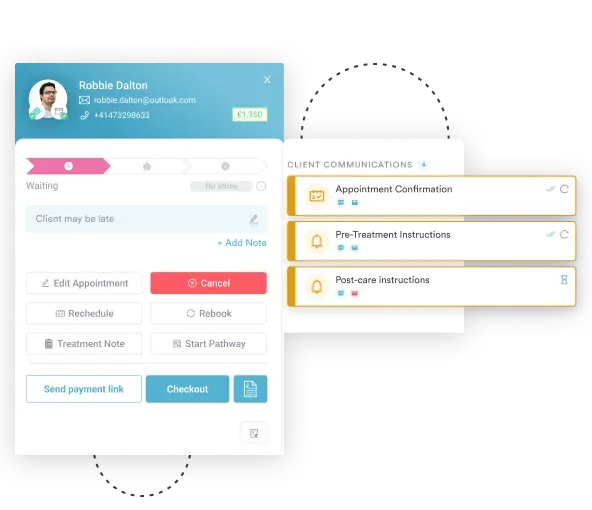
Practitioners managing these programs benefit from automated follow-up systems. Automated patient recall workflows can schedule monitoring appointments at clinically appropriate intervals without manual coordination.
When reviewing an audiogram for a patient on platinum-based chemotherapy, request EHF results at 10,000 Hz and above if available. A threshold shift of 10 dB or more at these frequencies may indicate early cochlear toxicity, even if the standard 250-8,000 Hz protocol shows normal results.
Age has a predictable effect on which frequencies a person can reliably detect. Children typically perceive the full 20 Hz to 20,000 Hz range. That upper ceiling narrows steadily through adulthood.
These figures represent typical population benchmarks rather than diagnostic cutoffs. Individual variation is significant, and factors like cumulative noise exposure, genetics, and cardiovascular health all influence how quickly high-frequency sensitivity declines.
For audiologists and ENT practitioners, tracking these shifts longitudinally using digital intake forms that capture risk-factor history at each visit makes it easier to contextualize a threshold change when comparing audiograms across years.
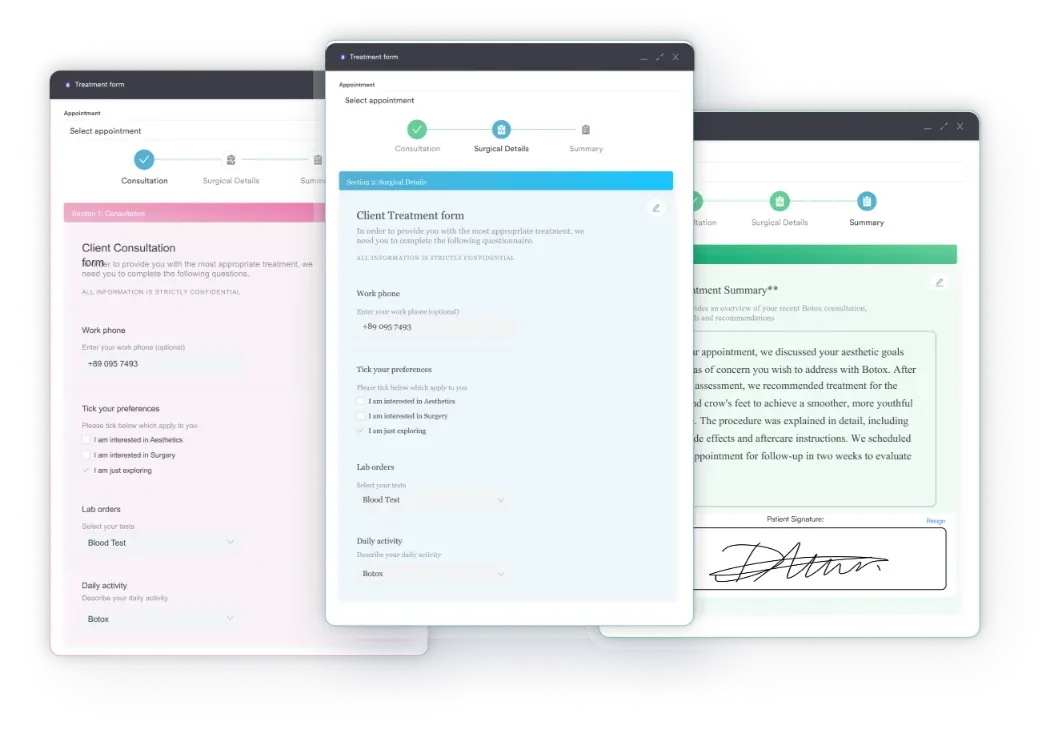

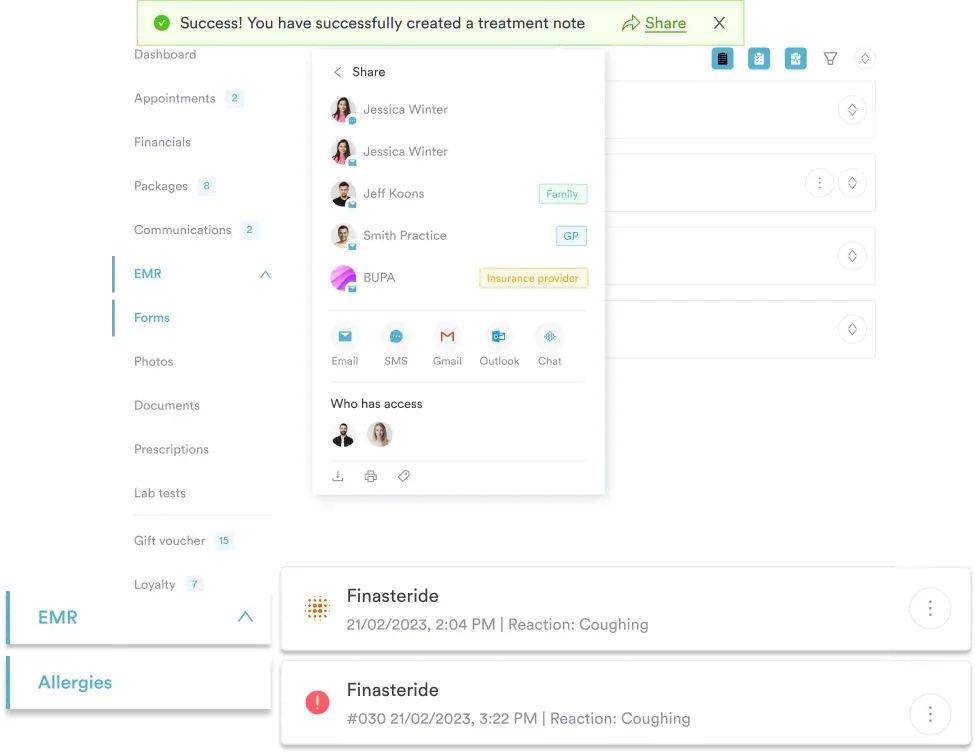
Pabau helps audiology and ENT practices automate appointment recalls, store longitudinal audiogram data in patient records, and send digital forms before every visit so clinicians can focus on the assessment, not the admin.

Pure tone audiometry is the foundation of a hearing assessment, but it does not tell the full diagnostic story. Much like orthopedic exams pair maneuvers such as the lift off test with imaging, audiology pairs pure tone results with complementary tests. Three are commonly ordered when the pure tone results raise specific questions.
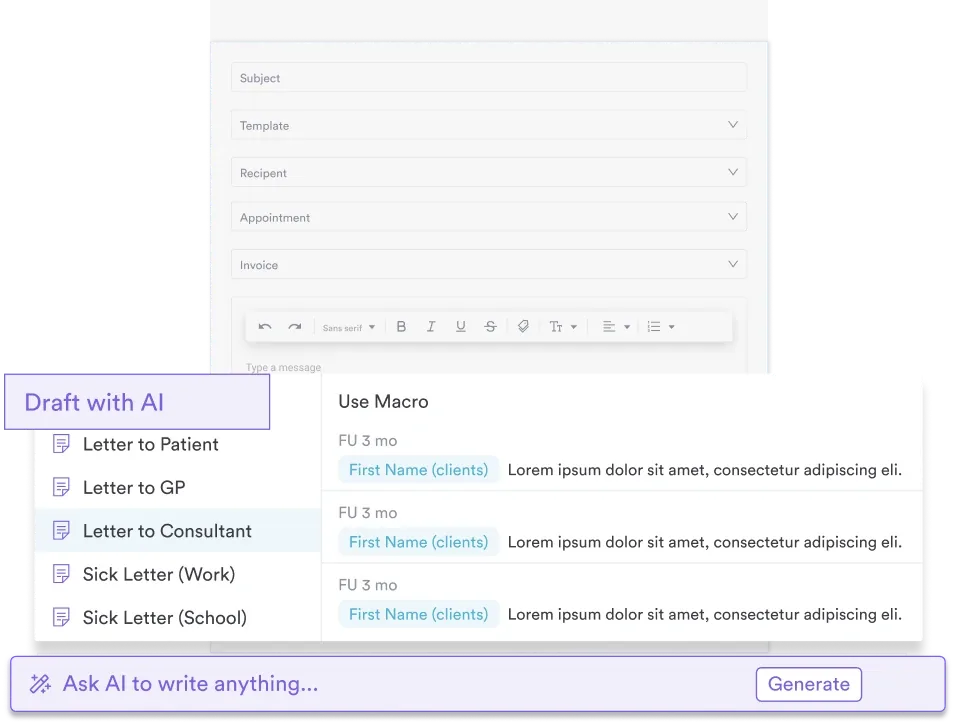
For practices providing ENT or audiological services, coordinating across these assessments requires robust scheduling and ongoing patient care management that links pre-assessment forms, in-visit results, and post-assessment referrals. Practitioners using a platform with integrated AI-assisted clinical documentation can reduce the time spent summarizing multi-test findings into a coherent letter or referral note.
The recommended hearing test frequency varies by age group and risk profile. No single universal standard applies across all populations, but the following reflects guidance from the American Speech-Language-Hearing Association, or ASHA, and general audiological consensus.
For adults with no other risk factors, that baseline check often happens during a routine visit to a primary care practice using GP practice management software, well before any referral to audiology. For school-age children, pairing results with a structured pediatric review keeps developmental history alongside the audiogram.
Practices that see significant volumes of older adults or occupational health patients benefit from post-appointment care instructions and recall reminders set at clinically appropriate intervals. A patient at 65+ who leaves without a scheduled follow-up will typically not self-refer until symptoms are already significantly affecting daily life.
Hearing test frequency data is only as useful as the clinical workflow built around it. Identifying a 4 kHz notch or a progressive high-frequency slope matters when that finding gets documented accurately, communicated clearly to the patient, and followed up at the right interval.
Pabau helps audiology and ENT practices manage the full cycle: digital intake capturing risk factors before the appointment, structured patient records storing longitudinal audiogram data, automated recalls triggered at clinically set intervals, and AI-assisted documentation reducing post-consultation admin. See how Pabau handles this at book a demo.

Documenting a normal review of systems? Normal review of systems template covers all 14 organ systems with copy-paste wording aligned to the 2021 E/M rules.
Need a bedside positioning reference? Patient positions in bed covers seven core bed positions with indications, contraindications, and turning intervals.
Checking blood pressure in children? Pediatric blood pressure chart helps clinicians identify elevated readings and diagnose hypertension early.
Normal adult hearing spans 20 Hz to 20,000 Hz, though the clinically relevant range for speech is 250 Hz to 8,000 Hz. The WHO classifies a four-frequency pure tone average under 20 dB HL as within the normal range. Sensitivity at the upper end of the range typically begins to decline from the mid-30s onward.
A standard pure tone audiometry test assesses eight frequencies: 250, 500, 1,000, 2,000, 3,000, 4,000, 6,000, and 8,000 Hz. These octave and half-octave points cover the full range of conversational speech. Extended protocols may add 10,000 Hz and above for ototoxicity monitoring or occupational health screening.
High-frequency hearing loss is a threshold elevation in the 2,000-8,000 Hz range, typically visible on the audiogram as a downward slope from left to right. It is detected during a standard pure tone audiometry test. Common causes include noise exposure, presbycusis, and ototoxic medications. Patients often report difficulty distinguishing consonants (“s”, “f”, “th”) before they notice general volume problems.
The speech banana is the zone on an audiogram where most conversational sounds fall, spanning approximately 250-8,000 Hz horizontally and 25-65 dB HL vertically. It earns its name from the banana-like shape this cluster creates on the chart. Thresholds falling below the banana’s lower edge indicate the patient cannot reliably perceive those speech sounds without amplification.
Adults aged 18-50 with no risk factors should get a hearing test every 3-5 years. Adults 50-64 benefit from testing every 1-3 years, and those over 65 should be tested annually. Anyone on ototoxic medications, with occupational noise exposure, or following a sudden threshold shift should be tested at least once a year regardless of age.
No. Online frequency tests can suggest whether high-frequency sensitivity may be reduced, but they cannot produce a calibrated audiogram, test bone conduction, or assess middle ear function. They are useful as an informal screening prompt, not as a diagnostic tool. Any concern raised by an online test should be followed up with a clinical pure tone audiometry assessment conducted by a qualified audiologist.