Pabau GO app

The new Pabau GO is heredownload on the App Store

Download on the App Store
Book a demo Book a demo
Templates

Pediatric Review Form

Key Takeaways

Key Takeaways

A pediatric review is a structured assessment that documents a child’s developmental progress, health status, and wellbeing across multiple body systems and developmental domains.

The pediatric review covers 10-14 body systems (HEENT, respiratory, cardiovascular, GI, GU, musculoskeletal, neurological, psychiatric, dermatological, endocrine) plus developmental milestones aligned with AAP Bright Futures guidelines.

Unlike a physical exam (objective clinical findings), a pediatric review captures subjective symptoms and health history reported by the child or caregiver, forming the foundation of clinical documentation for well-child visits and acute encounters.

Pabau’s digital forms and clinical templates eliminate manual ROS paperwork, enable customizable body-system prompts by specialty, and auto-integrate findings into the patient record for faster, more complete documentation.

Download Your Free Pediatric Review Template

Pediatric Review Template

A ready-to-use assessment form covering developmental milestones, constitutional review, HEENT, respiratory, cardiovascular, gastrointestinal, genitourinary, musculoskeletal, neurological, behavioral, dermatological, and endocrine/hematologic screening aligned with AAP preventive care standards.

Download template

Clinicians working with pediatric patients often struggle to balance thoroughness with efficiency during health evaluations. A comprehensive pediatric review conducted during well-child visits, acute encounters, and follow-up appointments captures the health history and symptom review that drive clinical decision-making. Without a structured approach, reviews become fragmented – some systems are overlooked, documentation is incomplete, and clinicians spend extra time reconstructing notes. A standardized pediatric review template solves this by organizing the assessment into logical body-system domains, ensuring no critical history is missed and every encounter is documented consistently.

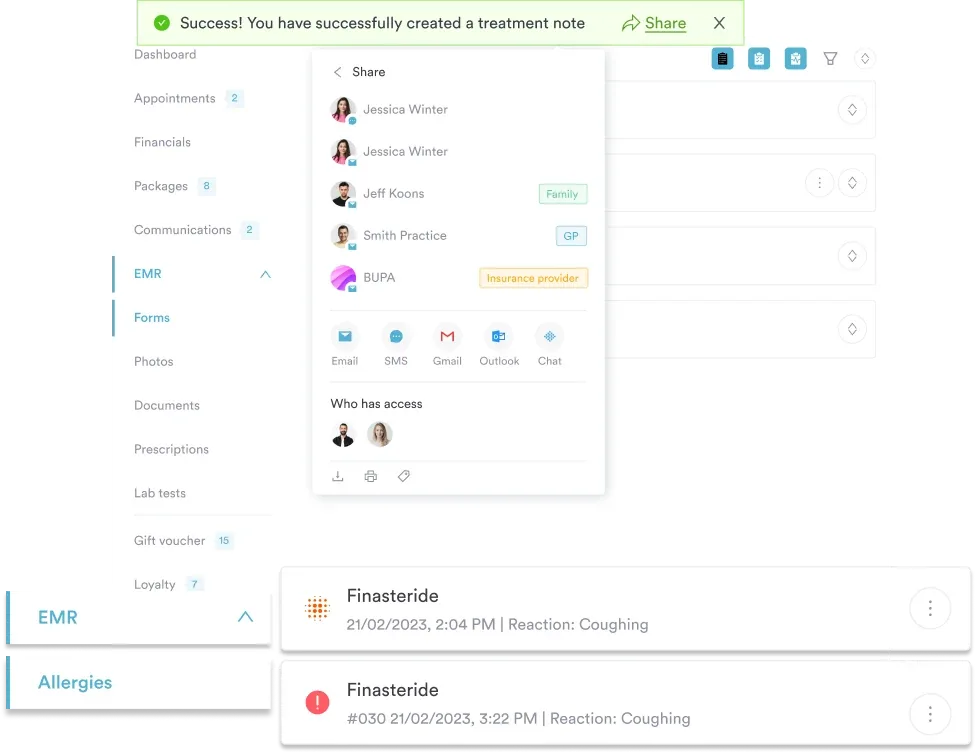
Comprehensive EMR & patient record management

This guide explains what a pediatric review is, how it differs from a physical exam, when to use it in clinical practice, and how to document findings that comply with AAP guidelines and support evidence-based pediatric care.

What Is a Pediatric Review of Systems?

A pediatric review is a systematic inquiry into the child’s medical history, current symptoms, and health concerns across multiple body systems. It is a subjective assessment-information reported by the child or caregiver-that forms the foundation of clinical documentation in pediatric encounters.

The review captures the “story” of the child’s health: recent illnesses, ongoing symptoms, developmental progress, behavioral changes, and family history. During a structured clinical assessment, the clinician systematically asks about symptoms in each body system to uncover concerns that might not be volunteered spontaneously. This creates a complete picture before the physical exam begins.

The American Academy of Pediatrics (AAP) and Centers for Medicare & Medicaid Services (CMS) recognize the pediatric review as a critical component of well-child visits and acute care encounters. AAP Pediatrics In Review and Bright Futures guidelines emphasize systematic health screening during preventive care to identify developmental delays, health risks, and psychosocial concerns early.

A pediatric review is not the same as a physical examination. The review is subjective (what the child reports or what symptoms are present); the physical exam is objective (what the clinician observes and measures). Together, they form a complete health assessment.

What Body Systems Does the Pediatric Review Cover?

A comprehensive pediatric review systematically covers 10-14 body systems. Each system includes specific screening questions tailored to child development and age-appropriate health concerns. Using a standardized framework for clinical documentation ensures consistency and prevents gaps in the assessment.

  • General / Constitutional: fever, fatigue, weight changes, appetite, activity level, sleep patterns
  • HEENT (Head, Eyes, Ears, Nose, Throat): headaches, vision changes, ear pain, hearing, nasal congestion, sore throat
  • Respiratory: cough, wheezing, shortness of breath, asthma history
  • Cardiovascular: chest pain, palpitations, murmur history, exercise tolerance
  • Gastrointestinal: nausea, vomiting, diarrhea, constipation, abdominal pain, feeding issues
  • Genitourinary: urinary frequency, dysuria, enuresis, genital concerns
  • Musculoskeletal: joint pain, swelling, gait abnormalities, limb pain
  • Neurological: seizures, headaches, dizziness, coordination problems
  • Psychiatric / Behavioral: mood, anxiety, attention, behavior changes, school performance
  • Dermatological / Skin: rashes, lesions, eczema, pruritus
  • Endocrine / Hematologic: polyuria, polydipsia, easy bruising, growth concerns

Each body system is assessed with age-appropriate questions. A preschooler’s review focuses on developmental milestones and common childhood illnesses; a school-age child’s includes questions about academic performance and peer relationships; an adolescent’s explores pubertal development and mental health.

How to Use the Pediatric Review Template

A pediatric review is most effective when conducted systematically during the health visit. Here are five operational steps clinicians follow when using a structured template:

  1. Begin with the chief complaint and opening history. Start by asking the caregiver why they brought the child in today. Document any acute symptoms or concerns before moving into the system-by-system review. This grounds the assessment in the immediate reason for the visit and helps prioritize the review’s focus.
  2. Work through each body system using the template’s prompts. Follow the template’s structured questions for each system (general, HEENT, respiratory, cardiovascular, etc.). Ask about symptoms, recent illnesses, chronic conditions, and any changes since the last visit. Check off systems as you review them to ensure no system is skipped.
  3. Document findings and “red flags” concisely. Record positive findings and significant negatives (e.g., “denies cough, wheezing, or shortness of breath”). Flag any concerning symptoms (fever lasting >3 days, unexplained weight loss, developmental regression) for further investigation during the physical exam or specialist referral.
  4. Integrate developmental milestone screening. For pediatric patients, ask about age-appropriate developmental progress: motor skills (rolling, walking, fine motor tasks), language (babbling, words, sentences), social-emotional development, and adaptive behaviors. Compare findings against AAP Bright Futures periodicity schedules for the child’s age.
  5. Record the completed review in the patient’s clinical record. Transfer findings from the template into the EHR or paper chart using a standardized format (e.g., “ROS: negative for fever, cough, vomiting; positive for mild nasal congestion x3 days”). This creates a permanent record that supports clinical decision-making and meets documentation standards.

Many pediatric clinics now use digital templates within their EHR to streamline this workflow. Structured intake forms allow clinicians to input findings directly during the encounter, reducing transcription errors and saving time spent on manual documentation after the visit.

Customizable consent and intake forms

Pediatric Review of Systems vs. Physical Exam Checklist: Key Differences

A pediatric review and a physical exam are often confused because both are part of a complete child health assessment. However, they serve fundamentally different purposes and should not be conflated.

Element Pediatric Review Physical Exam Checklist
Data Type Subjective (reported symptoms, history) Objective (observed findings, measurements)
Who Provides Information Child or caregiver reports symptoms Clinician observes and palpates
Timing Conducted before or during visit start Conducted after review, before clinical decision
Example Items “Does your child have a cough?” “Any recent fever?” “Behavior changes?” Listening to lungs, checking heart rate, assessing rash, testing reflexes
Documentation “ROS: denies cough, fever, wheezing” “PE: lungs clear bilaterally, RRR, no rashes”

This distinction is clinically important. A child may report no cough (negative ROS) but the clinician hears crackles on lung auscultation (positive PE finding). Both pieces of data are documented and guide clinical thinking. The pediatric review sets up the physical exam by identifying what to focus on; the physical exam confirms or refutes symptoms reported in the review.

When Should You Use a Pediatric Review Template?

A structured pediatric review is appropriate in several clinical scenarios. Documentation quality and clinical confidence improve when a template is used consistently, reducing the risk of missing critical health information.

  • Well-child preventive visits: Annual or periodic health maintenance exams where comprehensive health screening and developmental assessment are expected. Pediatric behavioral health documentation requires thorough psychiatric and developmental review.
  • Acute sick visits: When a child presents with a chief complaint (fever, cough, rash), a focused review of relevant systems helps rule out additional concerns and guides treatment decisions.
  • Follow-up visits: Return appointments after acute illness or to monitor chronic conditions (asthma, diabetes, behavioral health). The template tracks symptom progression and treatment response.
  • Specialist referrals: When referring a child to pediatric dermatology, psychiatry, or other specialties, a comprehensive review documented in the referral letter ensures the specialist has complete health context.
  • School or sports physicals: Standardized health screening exams often require a documented ROS to establish baseline health and clear the child for activity.

In any setting where a pediatric clinician documents a child’s health status, a structured review is the professional standard. AAP guidelines recommend comprehensive assessment at every well-child visit as part of preventive care.

Developmental Milestones and the Pediatric Review

A distinguishing feature of pediatric review (compared to adult ROS) is the integration of developmental assessment. The pediatric review does not simply ask about symptoms; it also systematically evaluates whether the child is meeting age-appropriate developmental milestones.

Developmental screening includes four domains: motor development (rolling, sitting, walking, fine motor tasks), language (babbling, first words, sentence formation), social-emotional (smiling, stranger anxiety, peer interaction), and adaptive behavior (self-feeding, toileting, play skills). AAP Bright Futures schedules specify which milestones to assess at each age and interval. A pediatric review template should include prompts for developmental screening aligned with the child’s current age, enabling early identification of delays or concerns that warrant formal evaluation or referral.

Why this matters: Early identification of developmental delays significantly improves long-term outcomes. By incorporating developmental review into the standard ROS template, clinicians ensure that no child’s developmental progress is overlooked during routine health visits. Digital forms can be configured to display age-appropriate developmental questions automatically, eliminating manual effort and reducing inconsistency in screening.

AAP Guidelines and the Pediatric Review

The American Academy of Pediatrics sets the standard for pediatric preventive care through its Bright Futures initiative. Bright Futures guidelines outline the health supervision visits, screening recommendations, and developmental assessments that define high-quality pediatric care.

Every well-child visit includes a comprehensive review of systems aligned with AAP standards. The timing and content of the review change with the child’s age: newborns and infants receive close surveillance for feeding, growth, and early developmental milestones; toddlers and preschoolers are screened for behavior, language, and social development; school-age children and adolescents receive screening for mental health, substance use risk, and sexual health.

CMS E/M documentation guidelines also recognize the pediatric review as a core component of clinical decision-making. While billing no longer depends on the volume of ROS systems documented (post-2021 guideline revision), the thoroughness and accuracy of the review still drives clinical quality, patient safety, and the appropriateness of subsequent care.

How Pabau Streamlines Pediatric Review Documentation

Manual pediatric review documentation is time-consuming and error-prone. Clinicians often spend 5-10 minutes per encounter manually transcribing findings into patient charts after the visit, disrupting workflow and delaying care coordination. AI-powered documentation assistance now allows clinicians to record their verbal assessment during the encounter and have it automatically structured into a formatted note, freeing up time and improving documentation consistency.

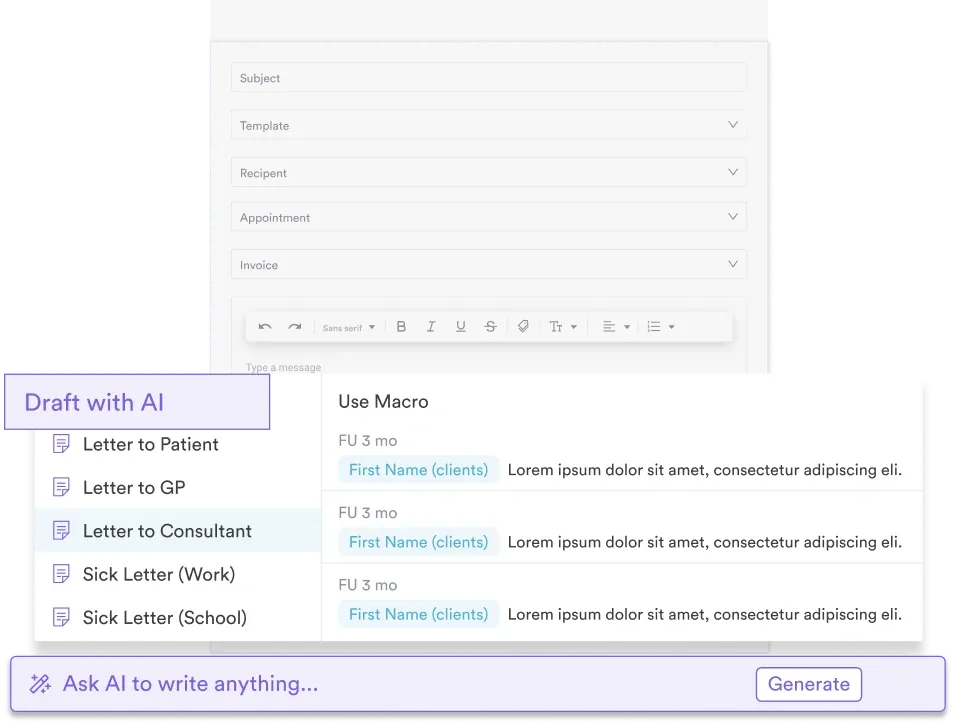
AI powered patient letters

Pabau’s clinical documentation platform enables practice-specific customization of pediatric review templates. Teams can modify body-system prompts to match their specialty, add conditional logic that surfaces age-appropriate questions automatically, and integrate the completed review directly into the patient’s permanent medical record with a single click. Multi-location practices can standardize pediatric assessment across all sites while allowing individual clinicians to adapt prompts to their patient population.

Pro Tip

Document the pediatric review DURING the encounter, not after. Using a digital template on a tablet or computer keeps the clinician engaged with the family, allows real-time note revision if the child reports new symptoms, and eliminates transcription errors. Completing documentation during the visit (rather than on memory afterward) also improves documentation accuracy by 20-30% and reduces the risk of missing critical health information.

Benefits of Using a Pediatric Review Template

Consistency and completeness: A template ensures every encounter follows the same assessment structure. No body systems are overlooked, and caregivers are asked the same screening questions across visits, enabling trend tracking and early problem identification.

Compliance with guidelines: A template grounded in AAP Bright Futures standards ensures screening aligns with current evidence and regulatory expectations for preventive care and documentation quality.

Time efficiency: Structured prompts reduce cognitive load. Clinicians work through the template systematically rather than improvising questions, speeding up the review and reducing appointment duration.

Developmental surveillance: Built-in developmental milestone screening ensures no child’s progress is missed during routine visits, supporting early identification and intervention for delays.

Audit and quality improvement: A template creates a consistent format for health data, making it easier to audit chart completeness, identify gaps in screening, and measure quality metrics across the practice.

See how Pabau streamlines pediatric documentation

Customizable clinical templates, digital forms, and AI-assisted documentation reduce admin work and help teams spend more time with patients.

Pabau clinical documentation dashboard

Conclusion

A structured pediatric review is the foundation of complete child health assessment. By systematically documenting symptoms, health history, and developmental progress across all major body systems, clinicians ensure thorough screening, comply with AAP guidelines, and create a comprehensive clinical record that supports evidence-based care and continuity across encounters.

Using a standardized template eliminates gaps, improves consistency, and reduces documentation time. Many practices now digitize their templates to enable real-time note capture during the visit, further streamlining workflow. See how Pabau’s customizable clinical templates and digital forms can modernize your pediatric practice – letting clinicians focus on patient care instead of paperwork.

Continue your research

Continue your research

Need a framework for clinical assessment? Psychiatric evaluation template demonstrates structured assessment design for mental health settings – principles that apply to any clinical review form.

Want to improve note quality? Clinical note safety guide covers documentation best practices that reduce errors and improve chart defensibility.

Looking for digital form solutions? Digital forms feature transforms paper templates into interactive intake and assessment forms that auto-populate charts.

Frequently Asked Questions About Pediatric Review Templates

What is included in a pediatric review template?

A pediatric review template includes structured assessment sections for constitutional symptoms (fever, fatigue, weight changes), HEENT, respiratory, cardiovascular, gastrointestinal, genitourinary, musculoskeletal, neurological, behavioral/psychiatric, dermatological, and endocrine/hematologic systems, plus age-appropriate developmental milestone screening and a space for documenting the chief complaint and clinical impression.

How does a pediatric review differ from a physical exam?

A pediatric review (ROS) is subjective – it documents symptoms reported by the child or caregiver. A physical exam is objective – it documents findings the clinician observes and measures (vital signs, heart sounds, rashes, reflexes). Both are essential; together they complete a comprehensive health assessment.

How do I document a pediatric review in the EHR?

Use the template to systematically ask about each body system during the encounter. Document positive findings (symptoms present) and significant negatives (key symptoms the child denies). Organize findings by system: “ROS: Denies cough, wheezing, or shortness of breath. Reports mild nasal congestion x3 days. Denies fever, vomiting, or diarrhea.” Most modern EHRs include structured templates that auto-format this content.

Is there a free pediatric review of systems template available?

Yes. The downloadable pediatric review template above is free to use immediately. It covers all major body systems and developmental domains aligned with AAP guidelines and can be printed, photocopied, or imported into digital form platforms for electronic documentation.

What AAP guidelines apply to the pediatric review?

AAP Bright Futures guidelines outline periodic health supervision visits, developmental screening recommendations, and health assessment content for every pediatric age group (newborn, infant, toddler, preschool, school-age, adolescent). The pediatric review is a core component of each well-child visit per Bright Futures standards, ensuring comprehensive health screening aligned with current evidence.

Can I use a pediatric review template in an EHR?

Yes. Most modern EHRs (including Pabau) support custom digital form templates. You can import the pediatric review template as a structured form, customize body-system questions to match your specialty, enable age-appropriate conditional logic, and have findings auto-populate into the patient’s clinical note – eliminating manual transcription and reducing documentation time by up to 50%.

×