Laser tattoo removal aftercare instructions template
Download your free laser tattoo removal aftercare instructions template A ready-...

26
Last Updated: Sep 4, 2026

Sleep hygiene is a set of behavioral and environmental practices that improve sleep quality and consistency. It’s essential for practitioners treating insomnia and sleep disorders.
The sleep hygiene handout provides an evidence-based checklist (schedule consistency, environment optimization, stimulant limits, relaxation techniques) ready to distribute to adult patients.
Timing the handout correctly within consultations, paired with automated follow-up communication, significantly increases patient compliance and treatment outcomes.
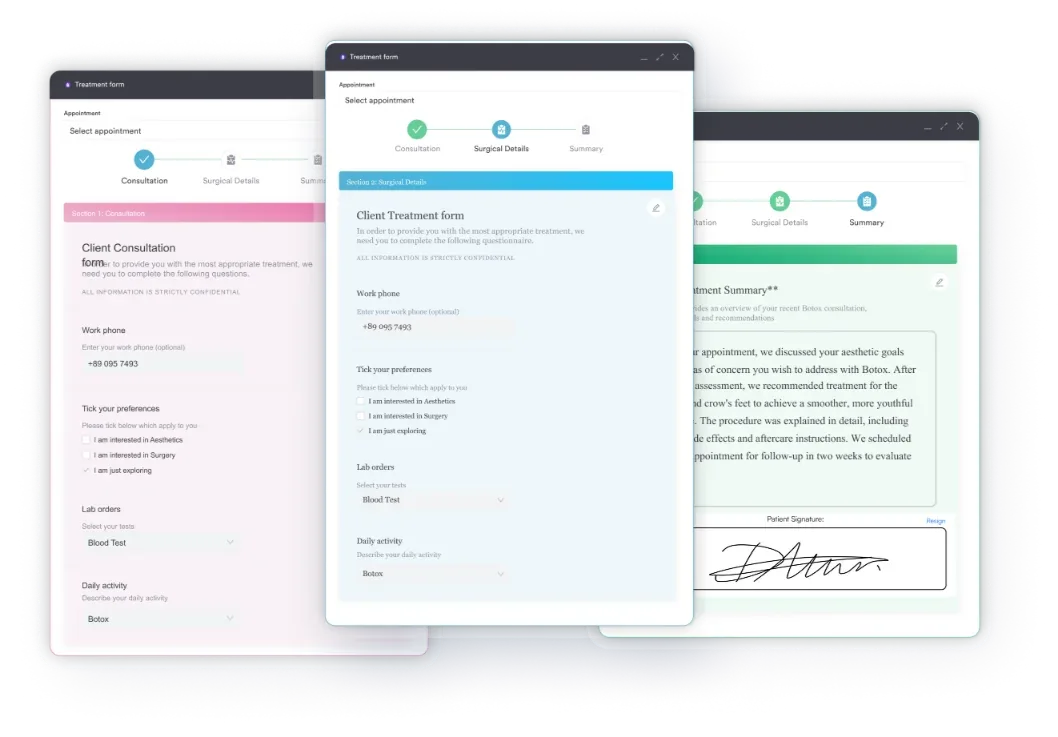
Practice management software like Pabau lets practitioners send this handout through automated workflows, timed to when patients need it most.
A one-page, ready-to-use checklist covering sleep schedule consistency, bedroom environment, a relaxing pre-bed routine, and stimulant management, plus a brief adult sleep-duration guideline. Print it or send it digitally to support behavioral sleep interventions.
Download templateSleep problems affect up to 35% of adults and are even more prevalent in adolescents navigating academic stress and digital device use. A mental health practitioner distributing a sleep hygiene handout early in treatment gives patients concrete, actionable strategies they can start immediately. This turns clinical guidance into daily habit change. The handout bridges assessment and behavioral intervention, turning what patients hear in session into what they do at home.
Whether you practice therapy, counseling, primary care, or wellness, a sleep hygiene handout is a foundational patient education tool. It reinforces your clinical recommendations and increases treatment compliance.
A sleep hygiene handout is a patient-facing educational document that outlines evidence-based behavioral and environmental strategies for improving sleep quality and consistency. Unlike sleep medications, which address symptoms temporarily, sleep hygiene targets the root causes of poor sleep: irregular schedules, suboptimal bedroom conditions, and pre-sleep stimulation.
The handout serves three clinical purposes:
From a regulatory perspective, distributing a handout demonstrates informed patient care and supports your clinical decision-making documentation.
The American Academy of Sleep Medicine (AASM) treats sleep hygiene as adjunct, foundational patient education rather than a standalone therapy. Cognitive behavioral therapy for insomnia (CBT-I) is AASM’s recommended first-line treatment for chronic insomnia.
Sleep hygiene still matters. Poor sleep contributes to depression, anxiety, cognitive impairment, and higher cardiovascular risk, making it a central concern in mental health, primary care, and wellness practices.
Adults need 7-9 hours of nightly sleep. Teens require 8-10 hours. When patients fall short, they experience reduced emotional regulation, impaired decision-making, and delayed recovery from treatment. Patients who cannot name those mood shifts tend to under-report them. A self-awareness test at intake gives them language for the emotional changes that poor sleep drives. By providing structured guidance on sleep habits, you help patients achieve the recovery that makes therapy, medication, or lifestyle interventions more effective.
Effective handout use depends on timing and follow-up. Rather than handing it over at the end of a session when retention is lowest, distribute it early in the consultation. Do this after you’ve explained the connection between sleep and their presenting problem. This positions sleep hygiene as a treatment, not an afterthought.
Follow-up visits keep plans like this on track, and patient scheduling software makes those check-ins automatic.
The sleep hygiene handout organizes evidence-based strategies into six actionable habits, each with specific patient instructions:
The body’s circadian rhythm depends on consistency. The handout instructs patients to go to bed and wake up at the same time every day, even on weekends. This trains the brain to anticipate sleep. It doesn’t specify an exact bedtime or wake time, since the instruction is simply to keep the same schedule daily.
The handout tells patients to create a comfortable sleep environment using blackout curtains, a white noise machine, and a comfortable mattress. Removing light and sound disruptions helps patients stay asleep through the night instead of waking repeatedly. Clinicians can pair this guidance with pre-sleep care instructions that remind patients to prepare their bedroom before they start winding down.
The handout advises patients to avoid stimulants close to bedtime: no caffeine, nicotine, or alcohol in the hours before sleep. Caffeine’s five- to six-hour half-life means an afternoon coffee can still be active at bedtime. Alcohol has an initial drowsy effect, but it fragments sleep later in the night. The handout doesn’t name additional hidden stimulant sources, so raise those with patients yourself when it’s relevant to their history.
The handout recommends a relaxing pre-bed routine: reading quietly, listening to soft music, or taking a warm bath. These screen-free activities give the nervous system time to settle before sleep.
The handout asks patients to limit naps. Short naps of 20 to 30 minutes can be beneficial, but longer naps can disrupt nighttime sleep. For patients who nap out of necessity, such as shift workers or caregivers, suggest setting a timer to wake before they reach deep sleep. Deep-sleep naps are what delay sleep onset the following night.
The handout’s final instruction is to use the bed for sleep only, avoiding work or screens while lying in it. This strengthens the mental association between bed and sleep, so patients fall asleep faster once they lie down. If a patient reads, works, or scrolls from bed, suggest moving that activity to a chair or another room.
The handout itself doesn’t cover exercise, but many clinicians add this verbally. Vigorous exercise within three hours of bedtime can raise heart rate and core body temperature, delaying sleep onset. Recommend morning or afternoon workouts, and reserve gentle movement, like yoga or walking, for the evening.
The handout’s own duration guidance is a single adult benchmark. For clinical context, here is the fuller picture from CDC and National Sleep Foundation guidelines across every age group:
Teens face unique sleep challenges: a biological shift (circadian phase delay) makes them naturally fall asleep 1-2 hours later, yet school schedules demand early wakeups. The handout itself is written for adults, so use it as a starting point and add verbal guidance for adolescent patients:
When working with teens, frame the handout around how sleep helps the brain regulate emotions and make better decisions. This framing resonates more than clinical jargon.
Sleep hygiene alone is insufficient for chronic insomnia or suspected sleep disorders. These red flags call for referral to a sleep specialist, independent of anything in the handout:
Document these referral criteria in your clinical record so follow-up clinicians see you’ve ruled out primary sleep pathology before assuming behavioral causation. If the specialist orders a sleep study, a stages of sleep chart helps you walk the patient through the report.
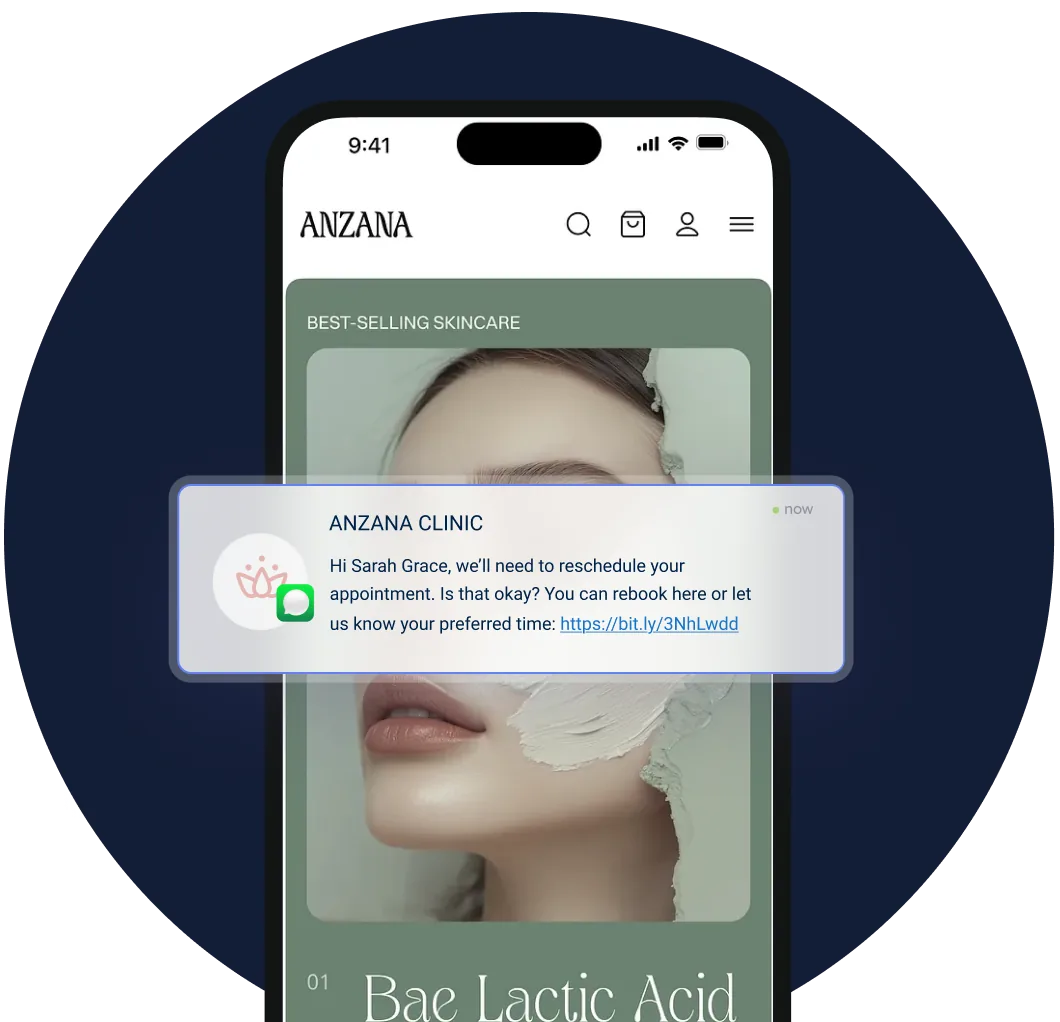
Distributing a printed handout works, but integrating it into your practice workflow multiplies its impact. Pabau’s automated patient communication lets you send the sleep hygiene handout as part of post-appointment workflows, timed to when patients need it most. Follow-up reminders can prompt patients to implement their chosen strategy. This connects education and outcomes measurement in a way static PDFs cannot.

Automate handout distribution, track patient compliance, and measure sleep outcomes within your clinical workflow.

For practitioners using AI-powered clinical documentation, session notes mentioning sleep problems can be auto-tagged to trigger the handout for the next appointment. This removes manual distribution tasks and helps ensure no patient is overlooked.
Sleep hygiene is foundational patient education for any practice addressing mood, cognition, or chronic disease. A sleep hygiene handout turns clinical advice into a portable reference patients use every day. By pairing the handout with follow-up communication. The combination of education plus behavior tracking is what separates one-off advice from sustained habit change. Book a demo to see how Pabau turns this handout into a tracked part of your patient education workflow. A psychology practice running several assessments needs them scored and stored the same way each time.

Working with anxiety-driven insomnia? The fear hierarchy worksheet helps you build a graded exposure plan for patients whose anxiety keeps them awake.
Want to reinforce behavior change beyond sleep? The cost-benefit analysis worksheet helps patients weigh the effort of a new habit against its payoff.
Treating social anxiety alongside sleep problems? The conversation skills worksheet gives patients scripted practice for daytime anxiety that can disrupt sleep.
Need a tool for younger patients? The emotions card template helps children and teens name feelings that interfere with a bedtime routine.
Working with adolescent patients too? The friendship worksheet gives teens a structured tool for social skills that often improve alongside better sleep.
This handout covers six core habits: sleep-schedule consistency, a comfortable environment, a relaxing pre-bed routine, stimulant limits, nap limits, and reserving the bed for sleep. It also includes a brief adult sleep-duration guideline. It’s a one-page, printable checklist for a general adult audience, so pair it with verbal guidance for adolescent patients or complex clinical cases.
Sleep hygiene works best as adjunct, foundational education rather than a standalone treatment. Cognitive behavioral therapy for insomnia (CBT-I) is the recommended first-line treatment for chronic insomnia, per the American Academy of Sleep Medicine. Chronic insomnia is defined as symptoms lasting three months or longer. For insomnia that persists despite consistent sleep hygiene practice, refer patients for CBT-I or a medical evaluation.
A sleep hygiene handout educates patients on behavioral strategies to improve sleep. A sleep diary tracks sleep patterns (bedtime, wake time, quality) night-to-night, helping clinicians identify patterns and measure outcomes. Many practitioners use both: the handout as a change tool and a diary as a measurement tool. Pabau’s digital forms can capture both handout completion and diary data within a single patient record.
Start by connecting their sleep to their presenting problem (anxiety, depression, fatigue). Explain the brain’s sleep-wake cycle and why consistency matters. Then walk through the handout, asking which one or two strategies they’re willing to try first. Avoid overwhelming patients with all six recommendations. Small, specific changes build compliance. Document the discussion and assign a follow-up check-in at the next session.
Not within this handout. It’s written for a general adult audience, so use it as a starting point. Add verbal guidance on the teen circadian phase delay, screen-time effects on melatonin, and the conflict between academic schedules and sleep needs. Teens respond better to messaging framed around emotional regulation, focus, and impulse control rather than clinical language.