Free model waiver form + what it is and when your practice needs one
A model waiver form is a signed document that lets a healthcare practice use a p...

4
Last Updated: Sep 29, 2026

Zerona is an FDA-market-cleared body contouring laser that uses low-level light to release fat from cells for lymphatic clearance.
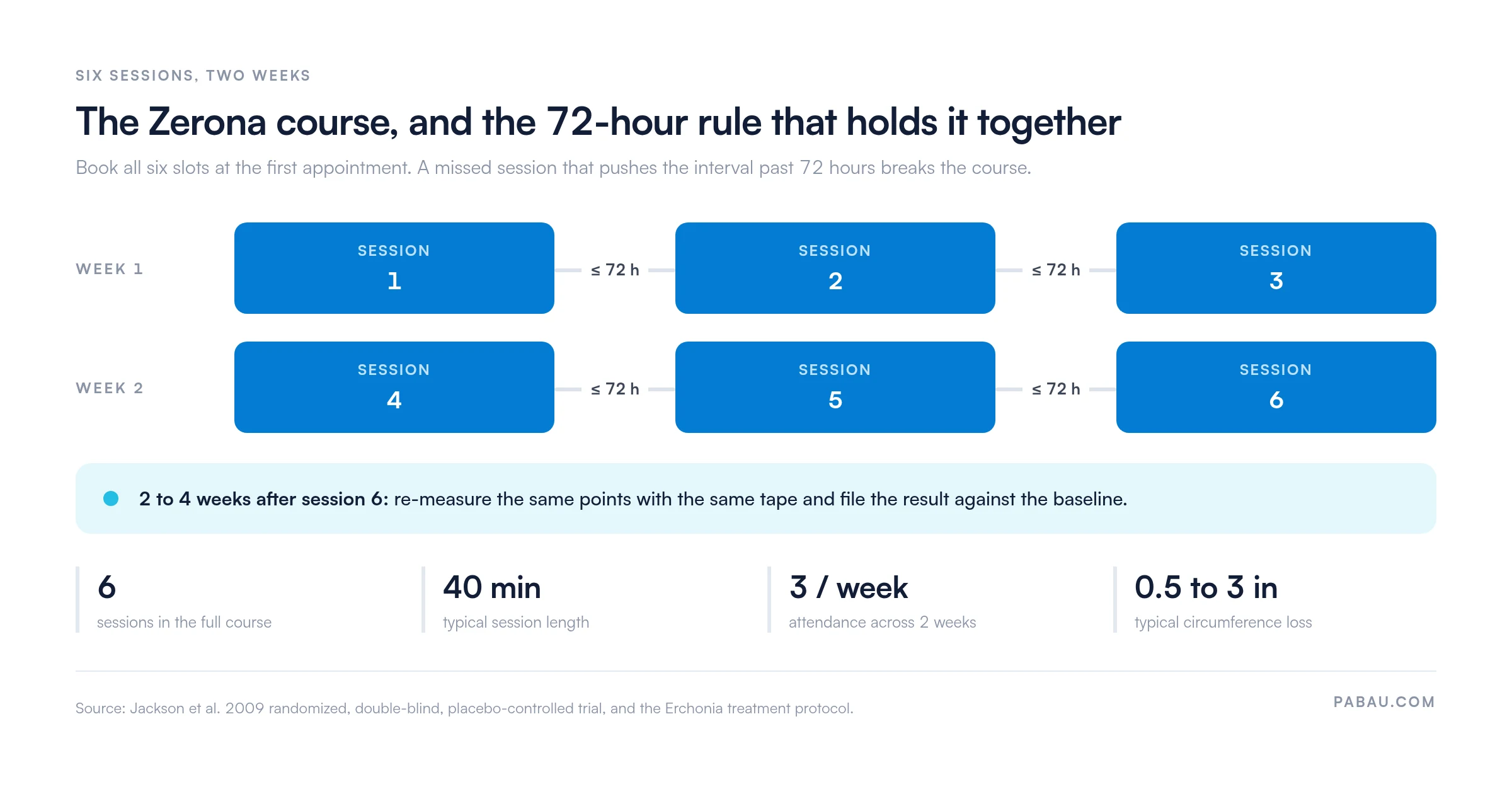
The published protocol is six 40-minute sessions, three per week across two weeks, with no more than 72 hours between sessions.
Results are measured in inches lost rather than pounds, so baseline and follow-up circumference measurements belong in every client record.
How closely a client follows the hydration, movement, and alcohol rules decides how much circumference they actually lose.
Practice management software like Pabau sends the consent, intake, and aftercare forms automatically and files each signature in the client record.
A one-page sheet you can hand a client at checkout. It covers hydration targets, activity limits, alcohol rules, dry brushing, clothing, and what to do between sessions.
Download templateZerona only delivers circumference reduction when clients hold up their end between sessions. That makes the paperwork around the treatment part of the clinical outcome rather than admin overhead. Choosing a system to hold that paperwork means weighing clinical checks, which our guide to medical spa software scores for eight platforms.
This page gives you the forms and the rules behind them. It covers what a Zerona consent form has to disclose and how to screen candidates. It also covers the 72-hour scheduling constraint that decides whether a six-session course works at all.
Zerona is a non-invasive body contouring device made by Erchonia. It uses low-level laser therapy at 635nm and 532nm to target stubborn fat deposits, and it holds FDA market clearance for body contouring.
Zerona targets inch loss, not weight loss, and that distinction is the one your consultation has to land. The laser does not move the number on the scale. It releases fat from inside the cell, and the body clears the released lipids through the lymphatic system over the following days and weeks.
Knowing the mechanism helps your team explain Zerona credibly and makes the aftercare instructions sound like clinical advice rather than upsell.
This is why aftercare reminders matter so much on this treatment. Clients need prompting to hydrate, keep moving, and skip alcohol during the window when released fat is being cleared.
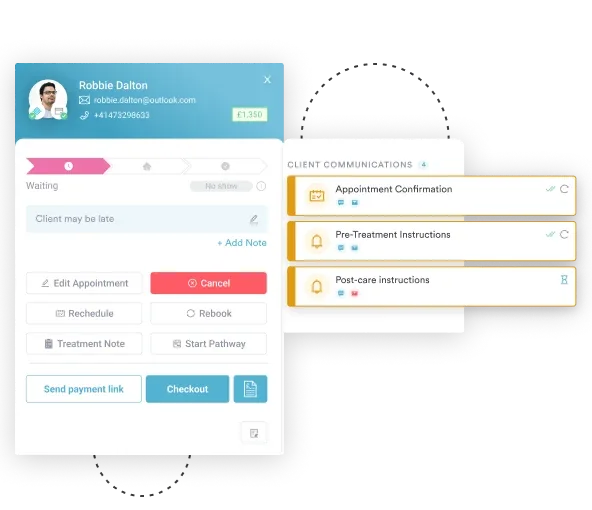
The published Zerona protocol is six 40-minute sessions across two weeks. Clients attend three times a week, and no more than 72 hours may pass between any two sessions.
The 72-hour rule is the part a booking system usually handles badly. A client who misses Friday and rebooks for Monday has already broken the interval. Block all six slots at the first appointment instead of booking them one at a time, and the schedule below stays intact.
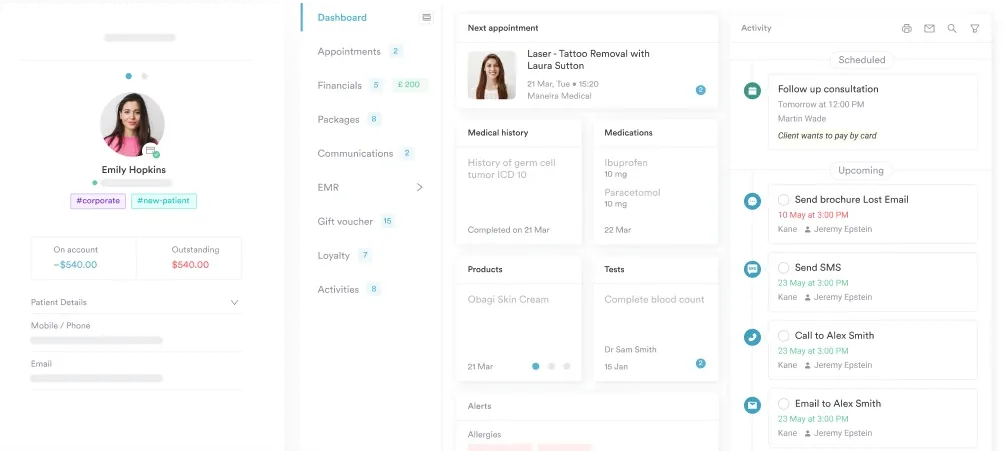
Log session dates, target areas, and baseline measurements in the client records so outcomes can be tracked and reported back to the client accurately.
Careful selection improves outcomes and lowers your liability. Work through this checklist before a client books, not after they have paid for six sessions.
Record the screening result on the intake form so the practice has a dated account of the pre-treatment assessment. Clients ruled out on schedule alone are often a good fit for cryolipolysis, which runs on a very different appointment pattern.
Preparation primes the lymphatic system to clear fat, so it changes the result rather than just the experience.
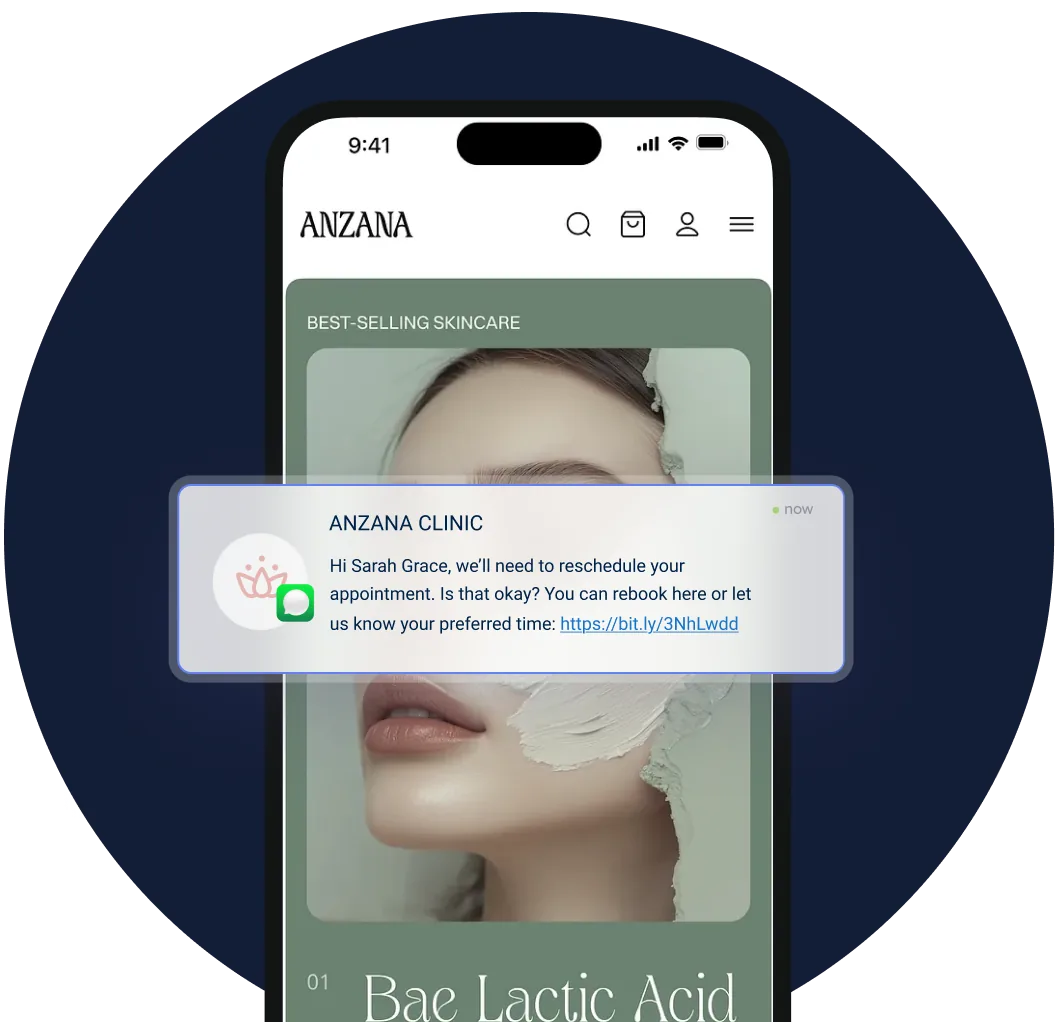
Send these reminders by text the day before each session, while the client can still act on them. A reminder that arrives on the morning of the appointment is too late to fix hydration.
The 24 to 72 hours after each session is the window that decides how much of the released fat is cleared. Hand out written instructions at every appointment, not only the first.
Sending these instructions as digital forms gets every client the same wording every time, and leaves a compliance record in the chart.
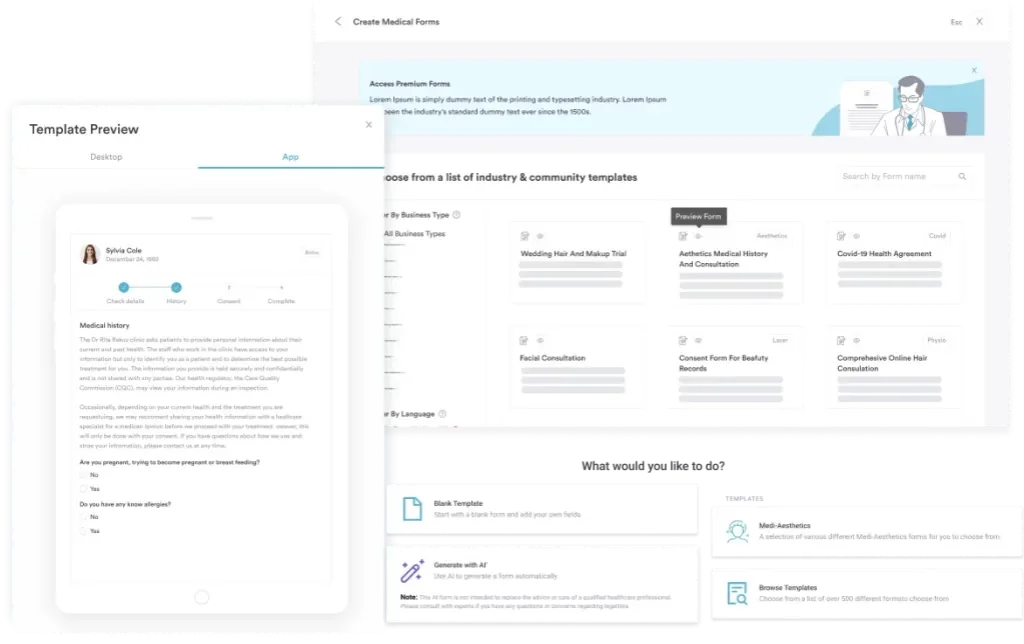
A thorough informed consent form protects the practice and the client. The template covers each of these points:
Practices running Zerona alongside injectables and skin treatments usually keep these forms in their purpose-built med spa software. The signed copy then attaches itself to the client record.
Erchonia’s trial data supports Zerona’s circumference results. The pivotal double-blind, placebo-controlled study randomized participants across a two-week course. It found significantly greater circumference reduction in the treatment group than in the placebo group.
Satisfaction outside the trial is more mixed. RealSelf reports a “Worth It” rating of roughly 40% to 50% for Zerona, which reflects how much the outcome depends on metabolism and aftercare. Say that during consent rather than at session six.
Teach clients the measurement vocabulary before the first session, so the follow-up conversation is about numbers you both agreed on.
Keep the baseline and the final figures on the client record and show them side by side at the review. Progress then arrives as a number rather than an impression.
A Zerona program lives or dies on repeatable documentation. Four habits carry most of the weight:
Set up once, and every Zerona client gets the same instructions in the same order, whoever is on shift.
In most practices the Zerona paperwork is scattered. Consent sits in a folder, the aftercare sheet goes home in a bag, and the tape measurements live in someone’s notebook. By session four, nobody can say who read what.
Practice management software like Pabau puts that on one track. The consent form goes out before session one and comes back signed to the client record. The aftercare sheet sends automatically after each of the six appointments. Measurements sit on the chart next to the session dates.
So you get a course you can audit. You can see who signed, who was reminded, and what changed between the first tape measurement and the last, without opening a filing cabinet.

Pabau sends the consent form before the first session and the aftercare sheet after each one. Signed forms and circumference measurements land on the client record, so the whole course is documented without extra admin.

Zerona rewards scheduling discipline more than most aesthetic treatments do. The laser does its part in 40 minutes, and the rest of the week decides how far the tape moves.
So treat the paperwork as clinical work. Screen honestly, book all six slots at once inside the 72-hour rule, and measure the same points with the same tape every time. Clients who hear that at consent arrive at session six with expectations that match their result.
Customize these templates for your own practice, and have a lawyer read the consent form before you use it. Book a demo to see how Pabau delivers Zerona consent and aftercare forms on schedule and keeps every measurement on the client record.

Offering more than one body contouring device? Cryolipolysis consent and treatment form template covers the paperwork for the fat-freezing side of the menu.
Running ablative resurfacing too? CO2 laser aftercare instructions template gives you the recovery sheet for a far more demanding downtime.
Need an aftercare sheet for your busiest treatment? Laser hair removal aftercare instructions follows the same course-based structure across multiple sessions.
Comparing consent wording across fat reduction treatments? Coolsculpting consent form shows how another non-invasive device handles expectations and risk disclosure.
Adding a new laser to the treatment menu? ClearSilk laser treatment consent form and clinical guide walks through the clinical detail alongside the forms.
Zerona is an FDA-market-cleared laser for non-invasive body contouring. It uses low-level laser therapy to release fat from cells, reducing circumference in areas like the abdomen, thighs, flanks, and arms without surgery or downtime.
The published protocol is six sessions across two weeks, three per week, with no more than 72 hours between any two of them. Circumference loss usually shows two to four weeks after the final session, and typically ranges from 0.5 to 3 inches.
No. The released fat is eliminated, but new fat can accumulate if the client’s diet or activity level changes. Monthly or quarterly maintenance sessions help sustain the result.
Absolute contraindications include pregnancy, pacemakers, active cancer, open wounds, and severe kidney disease. Relative ones include recent liposuction and autoimmune conditions. Anyone who cannot attend all six sessions inside the two-week window is also a poor candidate.
Three to four liters of water in the 24 hours after a session, gentle daily movement, no alcohol for 48 hours, and loose clothing. Each of these supports the lymphatic clearance the treatment depends on.
Yes, they are ready to customize and use. Have your legal counsel review the consent form and clinical protocols before you deploy them, so they meet the regulations that apply where you practice.