Despina Petrushevska

Human body quiz: Free printable PDF
What the quiz covers The quiz has four sections of five questions each. Run the ...

3
Last Updated: Oct 28, 2026
Free PDF 1 page, print-ready Clinician-reviewed
A self-advocacy worksheet is a printable tool that helps people identify their strengths, needs, and rights. It then helps them turn those into clear goals and words they can use. It matters most when someone has to speak up for themselves. That might be a patient explaining symptoms to a clinician, a student asking for support at school, or someone in therapy building confidence.
Our free version is a one-page PDF focused on self-awareness. It asks four questions about strengths, weaknesses, and current self-advocacy skills, then closes with a short reflection. The sections below show how to build those answers into needs, goals, and an action plan.
A one-page printable PDF with a personal details block, four questions on strengths, weaknesses, and self-advocacy skills, and a short reflection section. Use it as the starting point for needs, goals, and an action plan.
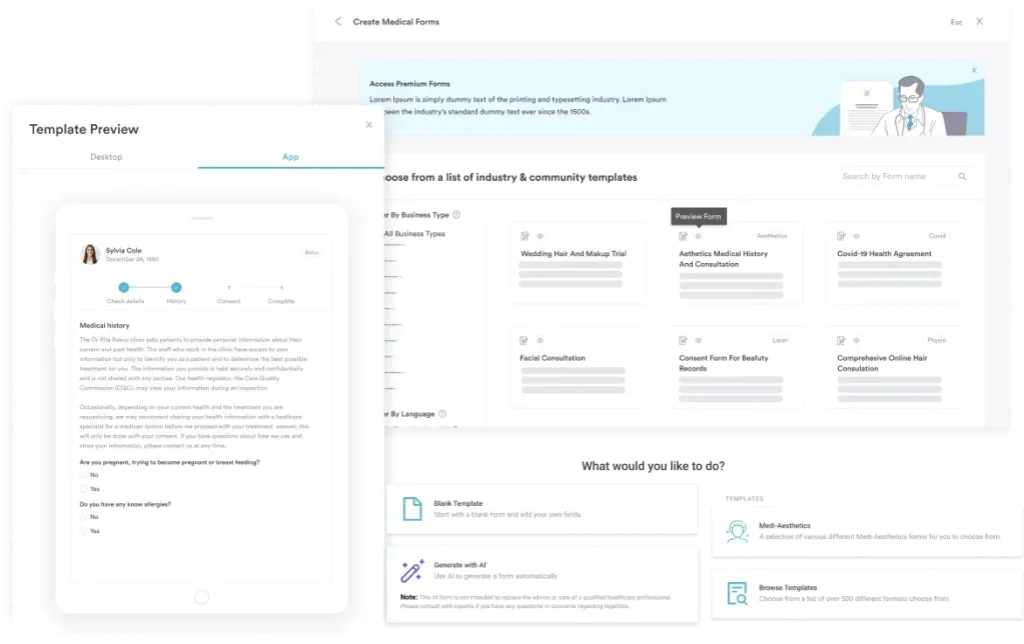
Start from scratch, or upload this PDF or any form you already use, and Pabau's AI Form rebuilds it with tick boxes, text fields and a signature. Attach it to the treatment once, and every patient gets it on time.
AI Form rebuilds the consent, history and aftercare forms you already use. You review each one, then publish.
Patients complete forms on their phone before they arrive, so the front desk stops retyping paper.
Every signed form is versioned and attached to the treatment record, ready when you need it.
Set how long a consent stays valid. Returning patients skip forms they have already signed.
Supports HIPAA and GDPR compliance AES-256 encryption 4.8 on G2 4.7 on Capterra Trusted by 4,000+ practices worldwide

A self-advocacy worksheet helps users name their strengths, needs, rights, and goals before a difficult conversation.
Patients use it to prepare for appointments, and students use it for IEP and 504 plan meetings.
The free PDF covers strengths and self-awareness. Needs, goals, and an action plan are worked through in session.
It supports self-advocacy skills but does not diagnose, treat, or replace professional advice.
Practices using Pabau, the practice management platform, can issue the template through digital forms and Client records.
Many people know what they want but struggle to say it under pressure. A worksheet slows that moment down, so the thinking happens on paper before the conversation starts.
A self-advocacy worksheet is a printable form that walks the user through a sequence of prompts about themselves. It captures how they communicate, what they’re good at, what they need, which rights apply, and what they want to achieve next.
Self-determination research treats self-advocacy as a core component of self-determination. Disability and education services have used structured worksheets to build it for decades. Clinicians and educators like the format because it turns a vague wish (“I want to be heard”) into specific requests someone can say out loud.
The worksheet suits several groups:
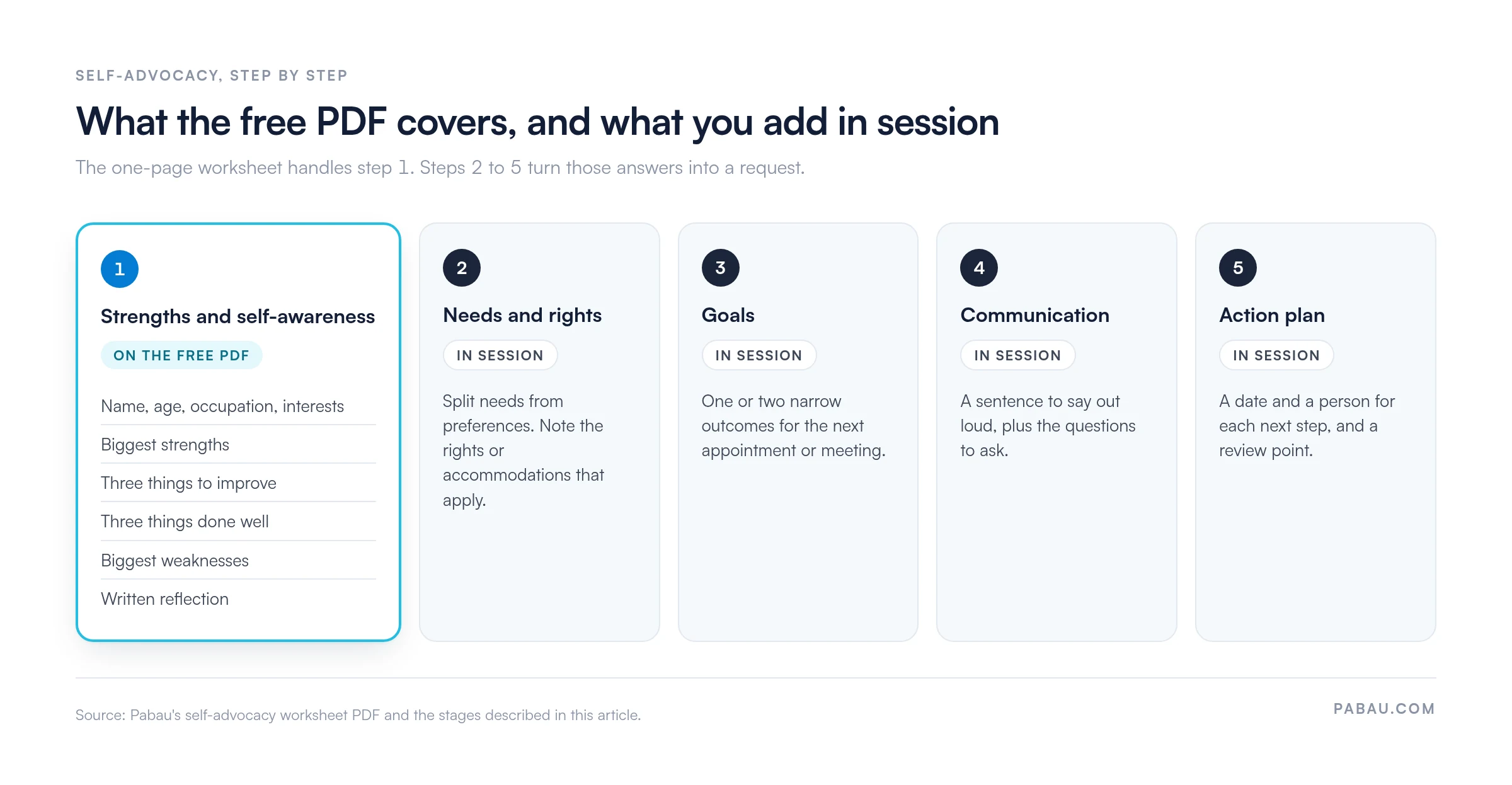
Self-advocacy work usually moves through five stages, and each one builds on the last. The free PDF covers the first stage. The other four are easy to add on the back of the page or work through in conversation.
This is the stage the PDF covers. After a short personal details block, it asks for the user’s biggest strengths and biggest weaknesses. It then asks for three self-advocacy skills they already do well and three they want to improve. A closing reflection asks how they can use those strengths to speak up for themselves.
Starting from competence makes the later stages easier to complete. If a patient needs more groundwork first, a self-awareness worksheet makes a natural companion page.
Here the user separates needs (what would help) from preferences (what would be nice). They then note any rights that apply in their setting. Examples include the right to ask questions about a treatment plan or to request a school accommodation.
Rights vary by state and setting, so check the rules that apply rather than assume them. The PDF has no section for this stage, so add it on the back of the page or talk it through in session.
Goals work best when they’re narrow. “Ask the physical therapist to explain the exercise progression before my next session” is easier to act on than “get better care”. The action plan then assigns a date and a person to each step.
The diagram below shows where the free page ends and where session work takes over.
Clinicians and therapists get the most value when the worksheet is introduced before a session, not during it. Give it to the patient a few days ahead and review it together at the start of the next visit. Then revisit the action plan at follow-up.
Patients can complete the worksheet before an appointment and bring it along with a note of what they need from the visit. A patient who has written “I need the discharge instructions in writing” is far less likely to leave without them.
Practices running digital forms can send the template as a pre-visit form, so the answers reach the clinician before the consultation begins.
Therapists can use the worksheet as a warm-up for assertiveness work. The patient practices reading one of their answers aloud, and the therapist gives feedback on tone and clarity. An assertive communication worksheet picks up where this page leaves off.
In group settings, participants can compare strengths lists. That often surfaces skills people didn’t realize they had.
School counselors and special educators use the worksheet to prepare students for IEP meetings and transition planning. Knowing their strengths and weaknesses helps a student answer for themselves, rather than sitting silently while adults decide.
Some students find those meetings hard because of anxiety. A 504 plan for anxiety puts the agreed accommodations in writing next to the student’s own words.
For younger students, staff often read the prompts aloud and let the student answer verbally, then write the answers down. The aim stays the same: one clear need and one clear request per meeting.
The PDF is free to download and print, and most people complete it by hand. Keep completed copies with the person’s records if they’re part of a clinical or educational plan. Store them under HIPAA, FERPA, or whichever privacy rules apply to your setting.
The worksheet supports reflection and preparation. It doesn’t diagnose a condition or replace advice from a clinician, lawyer, or school 504 coordinator.
If you issue the worksheet as a digital form, review it once a quarter. Drop prompts patients skip, add the ones they ask about, and check the rights guidance still matches local rules.
The main benefit is preparation. Users arrive at appointments and meetings with a short, specific request instead of a general worry, which shortens the time spent on preliminaries.
Clinicians benefit too. A documented patient request gives the team something concrete to act on and to review at the next visit.
On paper, a completed worksheet tends to end up in a folder or a patient’s bag. The next clinician rarely sees what the patient said they needed.
Pabau, the therapy practice management software we build, stores completed templates against the patient in Client records. Whoever sees the patient next can read their requests before the session starts.
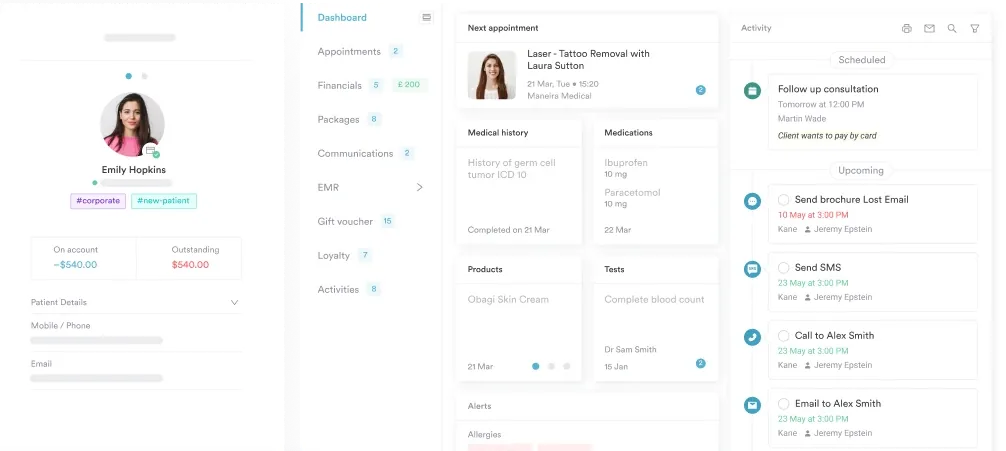
Teams that send forms through the Client Portal can ask patients to complete the worksheet before a first consultation. Staff then review the answers in the same record they use for clinical notes, rather than chasing paper copies.

See how Pabau stores completed forms, templates, and patient notes in one place, so every team member can act on what the patient asked for.

Start small. Hand the one-page worksheet to a patient or student a few days before their next appointment or meeting. Then spend the first five minutes on what they wrote.
The page gets them talking about strengths. The payoff comes from the stages you add: one need, one goal, and one sentence they can say out loud. Skip those and the worksheet stays a reflection exercise.
The trade-off is time. Session work takes longer than handing over a form, but it’s how a quiet patient learns to ask for what they need. Book a demo to see how Pabau keeps those answers in the patient record for every clinician who follows.

Want to explore how patients communicate? Communication styles worksheet helps patients name how they usually communicate before they practice speaking up.
Need a gentler first session? All about me worksheet for adults gives adult patients low-pressure prompts for talking about themselves.
Working on identity in therapy? Who am I worksheet offers a structured self-reflection exercise that pairs well with a strengths list.
Building routines alongside advocacy? Self-care worksheet helps patients plan the daily habits that support their goals between sessions.
A self-advocacy worksheet is a printable form that helps a person identify their strengths, needs, rights, and goals, then practice communicating them. It is used in healthcare, therapy, and education.
Yes. The template above is free to download as a PDF and is written so adults can complete it alone or with a clinician.
Yes. Staff can read the prompts aloud for younger students and let them answer verbally before writing the answers down.
Self-determination is the broader idea that people make their own choices about their lives. Self-advocacy is one of the skills that makes those choices happen, namely speaking up for your own needs and rights.