List of vitamins: All 13 with RDAs and deficiency signs
A list of vitamins names the 13 essential vitamins the body needs from food or s...

12
Last Updated: Oct 8, 2026

A postpartum diet plan supports maternal recovery by replenishing nutrient losses from pregnancy and childbirth while sustaining energy and milk production.
Breastfeeding mothers need an additional 300-500 calories per day, with emphasis on protein, iron, calcium, and omega-3 fatty acids.
Safe postpartum weight loss requires nutrient-dense foods rather than severe caloric restriction, which can compromise milk supply and energy.
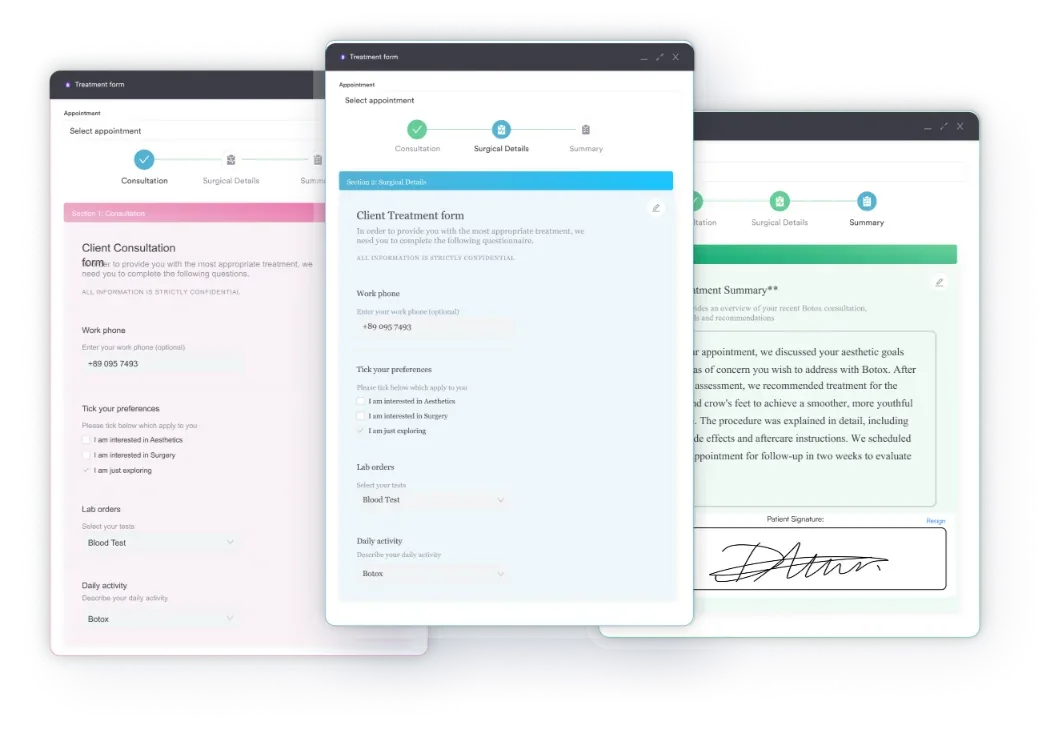
Pabau’s digital forms and patient portal enable practitioners to deliver and track postpartum nutrition guidance consistently across multiple patients.
A comprehensive nutritional guide for supporting new mothers during postpartum recovery, covering caloric needs, key nutrients, sample meal plans, breastfeeding considerations, and safe weight loss strategies.
Download templateA postpartum diet plan is a structured nutritional framework designed to support recovery in the weeks and months following childbirth. New mothers face exceptional nutritional demands – their bodies must repair tissue damage, restore depleted micronutrients (iron, calcium, folate), support milk production if breastfeeding, and sustain energy for the physical and emotional labor of caring for a newborn.
The postpartum period carries unique dietary challenges. Pregnancy and labor deplete iron stores, calcium reserves, and B vitamins. If breastfeeding, mothers require additional calories and fatty acids to sustain milk quality and volume. A well-designed postpartum diet plan supports maternal recovery, and practitioners who guide patients through structured meal planning see improved breastfeeding outcomes, faster healing, and greater patient satisfaction.
A pregnancy nutrition tracker logs iron and calcium intake against daily pregnancy targets, flagging any nutrient that falls below 80%. Reviewing that antenatal log tells you whether a patient’s iron or calcium intake was already falling short before delivery.
This evidence-based template gives healthcare practitioners (midwives, dietitians, postnatal care providers, functional medicine specialists) a ready-to-use resource for patient education. Share it during postnatal consultations, customize it for individual circumstances, and track dietary adherence through your practice management system.
This template is a clinical education document that outlines postpartum nutritional requirements, provides daily meal examples, and clarifies dietary safety during breastfeeding. It translates clinical guidelines (from ACOG, NHS, and the British Dietetic Association) into practical daily advice new mothers can follow.
Unlike consumer-facing diet blogs, this template is designed for practitioner-to-patient distribution. It carries professional branding, cites clinical evidence (caloric targets, nutrient thresholds, food safety guidance), and includes informed consent language around breastfeeding dietary changes. Practitioners can customize sections for patients with gestational diabetes, hypertension, or other postpartum conditions, or for those following specific dietary patterns (vegetarian, elimination diet). Fertility clinic software keeps cycle timing, results and appointments in one record where the sequence matters.
Integrate the template into your postpartum care workflow in five operational steps:
After a cesarean delivery, pair this nutrition guidance with a phased post C-section exercise plan so diet and activity follow one healing timeline. Weight management programs run smoother in weight loss clinic software, where progress and plans live together.
This template is most useful for midwives, registered dietitians, primary care practices offering postnatal care, OB/GYN practices, functional medicine practitioners. Structured, evidence-based templates like this one are especially useful when shared consistently across a team.
The template is also valuable for doulas, lactation consultants, and prenatal educators who want to extend their guidance into the postpartum nutrition phase. Any clinician who counsels patients on nutrition during recovery – whether in primary care, private practice, or hospital settings – can adapt this resource for their patient population.
Consistency and compliance: A written, branded template signals professionalism and removes ambiguity. Patients who receive a clear, customized plan are more likely to follow dietary guidance than those given verbal advice alone.
Evidence-based practice: The template embeds clinical guidelines (ACOG, NHS, BDA, WHO), protecting practitioners from liability and ensuring recommendations align with current standards. Hosting the template in a patient portal lets practitioners update guidance as new evidence emerges.
Time efficiency: Rather than writing individualized meal plans from scratch for every postnatal patient, practitioners customize a proven template, reducing consultation time while maintaining clinical depth.
Breastfeeding support: The template explicitly addresses milk supply, caloric needs for lactating mothers, and foods to avoid – reducing the risk of mothers abandoning breastfeeding due to unaddressed dietary concerns or unsafe weight-loss attempts.
Safe weight loss framework: The template contextualizes postpartum weight loss within the competing goal of maintaining energy and milk supply, preventing patients from adopting crash diets that compromise recovery.
Caloric requirements vary significantly by breastfeeding status and pre-pregnancy body composition.
These targets align with USDA MyPlate guidance for pregnancy and breastfeeding, and mirror recommendations from ACOG and the British Dietetic Association.
Five micronutrients demand special attention in the postpartum diet:
Emphasize nutrient-dense, easy-to-prepare whole foods. New mothers are sleep-deprived and time-poor, so meals that require minimal prep but still deliver maximum nutrition work best.
Most foods are safe while breastfeeding. The following have clinical evidence of concern:
No food has definitive clinical proof of boosting milk supply. However, certain foods (galactagogues) have long traditional use and modest anecdotal support:
Clinical note: Fenugreek and blessed thistle are herbal galactagogues with mixed evidence. Recommend consulting a lactation specialist before supplementation.
Safe postpartum weight loss differs fundamentally from conventional dieting. Breastfeeding mothers who cut calories too severely risk reduced milk supply, maternal fatigue, and nutrient deficiency.
This sample demonstrates how to structure nutritionally complete days. Customize portions and foods for individual preferences and dietary restrictions.
Snacks should require minimal prep, deliver protein and healthy fats, and be edible one-handed while holding a baby.
Suggest batch cooking:
Breastfeeding mothers lose significant fluid through milk production, and dehydration reduces milk supply and worsens postpartum fatigue.
Daily target: 3-4 liters (80-130 ounces) per day, or drink to thirst. Practical strategy: Fill a 1-liter water bottle and refill it 3-4 times daily. Keep water within arm’s reach during nursing sessions (a common trigger to drink). Preferred beverages: Water, herbal tea (avoid excessive caffeine), broth, coconut water, and diluted fruit juice for variety. The NHS breastfeeding diet guidance treats hydration as foundational to postpartum recovery.
Red flags: Dark urine, dizziness, or rapidly declining milk supply signal dehydration. Advise immediate fluid increase and practitioner consultation.
Midwives and postnatal care providers play a critical role in normalizing this postpartum diet plan template within clinical practice. By positioning nutrition as a cornerstone of recovery, not a lifestyle choice, practitioners empower new mothers to nourish themselves with the same care they extend to their infants.
This template is most effective when shared as a professional, branded document that reinforces evidence-based, clinician-supported guidance as part of a comprehensive recovery plan. Use it flexibly. For new mothers struggling with fatigue or anemia, highlight the iron-rich sections. For those expressing concerns about weight loss, point to the safe postpartum weight loss approach.
The postpartum period demands deliberate nutritional support. A well-designed postpartum diet plan translates clinical guidelines into practical daily eating, helping new mothers recover faster, sustain milk production, and build energy for the demands of early parenthood. This template gives you the framework to guide patients with confidence and consistency. Book a demo to see how Pabau helps practitioners deliver and track patient nutrition guidance consistently.

Running a fertility practice too? IVF clinic management software guide compares platforms built for embryology coordination, donor management and SART reporting.
Checking fetal wellbeing before delivery? Nonstress test guide explains what a reactive result looks like and what a nonreactive one means.
Investigating an adrenal or PCOS concern? 17-hydroxyprogesterone test reference covers reference ranges, specimen collection and CPT code 83498 for CAH and PCOS.
Focus on nutrient-dense whole foods: lean proteins (chicken, fish, eggs, legumes), iron-rich foods (red meat, spinach, lentils), whole grains, leafy greens, healthy fats (avocado, nuts, olive oil), and plenty of fluids. Prioritize foods that require minimal prep, as time and energy are limited in early parenthood.
Breastfeeding mothers need an additional 300-500 calories per day above pre-pregnancy baseline, typically totaling 2,100-2,700 calories daily depending on activity and body composition. This supports milk production without compromising maternal nutrition. If unsure of your baseline, consult a dietitian.
Modest weight loss (0.5-1 pound per week) is safe while breastfeeding through a 300-500 calorie deficit. Severe restriction (cutting more than 500 calories) risks reducing milk supply and causing maternal fatigue. Prioritize nutrient density over calorie counting, and monitor milk supply closely.
High-mercury fish (shark, swordfish, king mackerel), alcohol, and excess caffeine (over 300 mg/day) have clinical evidence of concern. Allergenic foods are rarely problematic unless your infant shows sensitivity. Most foods are safe, so avoid unnecessary restriction.
Weight loss varies widely. Most mothers lose 10-15 pounds in the first 6 weeks (uterine involution, fluid loss). Further loss depends on diet, exercise, and breastfeeding. Expecting 9-12 months to return to pre-pregnancy weight is realistic. Breastfeeding mothers often lose weight faster but should still prioritize nutrition over speed.
No food has definitive clinical proof of boosting supply. Oats, leafy greens, legumes, and flaxseed are traditionally used (anecdotal evidence). Adequate hydration, calories, and protein are the most evidence-backed factors. If concerned about low supply, consult a lactation specialist.