Despina Petrushevska
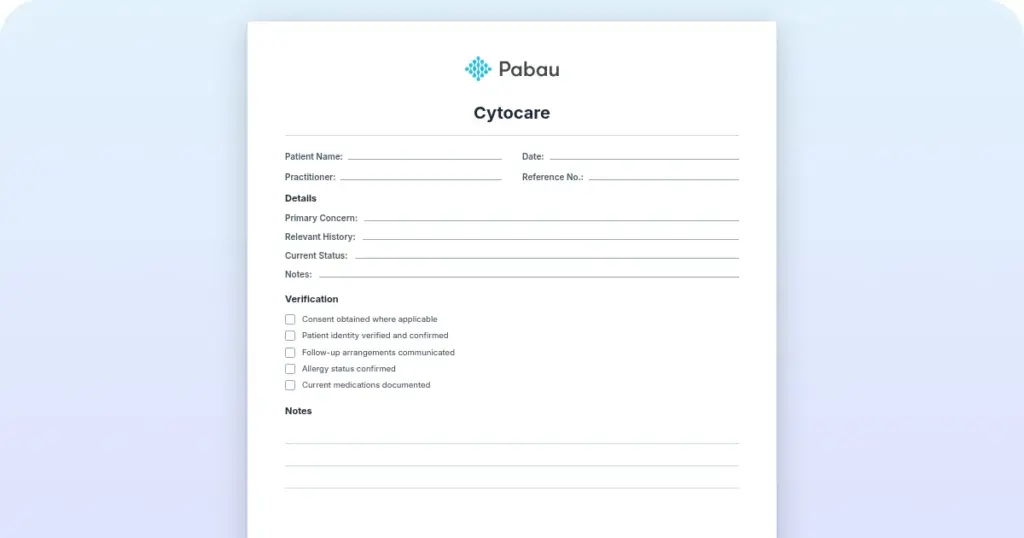
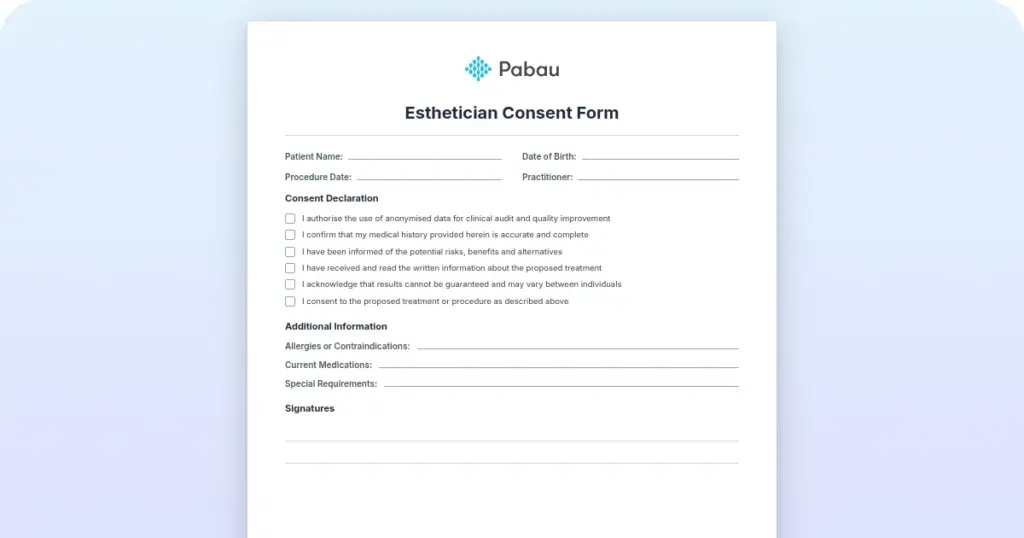
Cytocare consent form
Cytocare is a hyaluronic acid-based mesotherapy skin booster from Revitacare, in...

2
Last Updated: Oct 27, 2026
Free PDF 3 pages, print-ready Clinician-reviewed
Download your free parenting worksheets PDF Parenting Worksheet A comprehensive parenting assessment worksheet covering parenting styles, family dynamics, communication patterns, behavior management, co-parenting agreements, and emotion regulation – designed for therapists, counselors, and parent coaches to use in clinical practice. Download template What is a parenting worksheet? A parenting worksheet is a structured assessment tool […]
A comprehensive parenting assessment worksheet covering parenting styles, family dynamics, communication patterns, behavior management, co-parenting agreements, and emotion regulation – designed for therapists, counselors, and parent coaches to use in clinical practice.
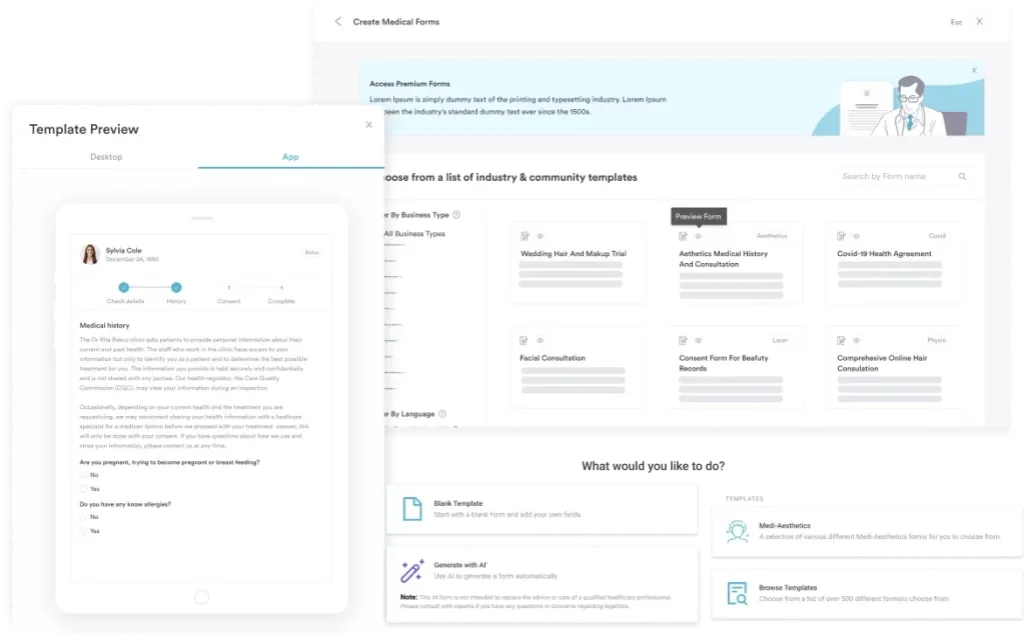
Start from scratch, or upload this PDF or any form you already use, and Pabau's AI Form rebuilds it with tick boxes, text fields and a signature. Attach it to the treatment once, and every patient gets it on time.
AI Form rebuilds the consent, history and aftercare forms you already use. You review each one, then publish.
Patients complete forms on their phone before they arrive, so the front desk stops retyping paper.
Every signed form is versioned and attached to the treatment record, ready when you need it.
Set how long a consent stays valid. Returning patients skip forms they have already signed.
Supports HIPAA and GDPR compliance AES-256 encryption 4.8 on G2 4.7 on Capterra Trusted by 4,000+ practices worldwide

A parenting worksheet is a structured clinical assessment tool that helps therapists, counselors, and coaches evaluate parenting styles, family dynamics, and communication patterns.
Key worksheet types cover parenting styles (authoritative, authoritarian, permissive, uninvolved), behavior management, emotion regulation, co-parenting agreements, and goal setting – each addressing specific family challenges.
Parenting worksheets improve session engagement, provide homework consistency, and create measurable progress tracking between therapy sessions – evidence-based outcomes in family work.
Practice management software like Pabau lets therapists distribute, track completion, and review parenting worksheets within a unified clinical workflow, replacing scattered email attachments.
A parenting worksheet is a structured assessment tool that helps healthcare professionals, including therapists, counselors, and parent coaches, evaluate parenting styles and family dynamics and identify where additional support may help. This clinical document facilitates meaningful conversations between clinicians and parents while providing insights into family functioning and parent-child relationships.
The worksheet serves multiple purposes:
Unlike generic self-help materials, a clinical worksheet is grounded in evidence-based frameworks such as Baumrind’s parenting styles model and attachment theory.
These worksheets are particularly valuable in family therapy, individual counseling with parents, parent coaching programs, and multi-generational trauma work. They serve as both assessment tools and therapeutic interventions, allowing clinicians to normalize parenting challenges while building collaborative change plans.
A good worksheet creates structure in family-focused clinical work. Instead of relying on clinician memory or vague recall of session discussions, the worksheet provides concrete documentation of parenting challenges, goals, and agreed-upon strategies. This clarity improves therapeutic alliance and accountability.
Research-informed practice emphasizes psychoeducation and skill-building for parents. A well-designed worksheet operationalizes this: it teaches parents about their own patterns while creating space for reflection and change. When parents complete the worksheet as homework between sessions, they deepen the work and notice progress more readily.
A comprehensive worksheet typically includes several assessment domains. Here are the main types that clinicians and coaches use:
This self-assessment helps parents identify whether their dominant approach is authoritative (high warmth, high structure), authoritarian (high structure, low warmth), permissive (high warmth, low structure), or uninvolved (low warmth, low structure). Parents answer questions about their typical responses to rule-breaking, emotional distress, and household decisions.
The worksheet then links each parenting style to developmental outcomes and offers targeted strategies for adjustment. This format normalizes that no style is “wrong” and instead opens dialogue about the fit between parent intentions and impact.
Grounded in strengths-based approaches, it asks parents to identify moments when parenting went well, what they did in those moments, and how they felt. This reframes therapy from “fixing problems” to “building on what works.” Parents then practice specific techniques, such as descriptive praise, labeled appreciation, and connection rituals, using structured reflection prompts.
When parent-child conflict centers on discipline, a behavior tracking worksheet helps parents identify the antecedent (what triggered the behavior), the behavior itself, and the consequence (parent response). Over 1-2 weeks, parents note patterns. Clinicians then help them adjust triggers, teach replacement skills, or redesign consequences using learning theory. This worksheet transforms vague complaints (“He never listens”) into observable, changeable patterns.
Many parents struggle with their own emotional regulation: frustration during tantrums, anxiety about their child’s future, and guilt about parenting mistakes. This worksheet helps parents map their stress triggers, early warning signs like body sensations, and coping strategies. DBT’s ABC PLEASE framework offers structured emotion regulation skills parents can practice between sessions.
Parents learn to notice when they are dysregulated and use grounding techniques before responding to their child. Pairing this with a body map emotions worksheet for the child helps address both sides of the same interaction, since many competitor worksheets focus only on child behavior rather than the parent’s internal state.
For separated, divorced, or blended families, a co-parenting worksheet documents communication agreements, parenting schedules, and boundary-setting between parents. The worksheet covers decision-making authority (health, education, discipline), consistency expectations across homes, and conflict resolution protocols. Therapists use this to reduce parental conflict that spills onto children and create a written reference both parents can access.
Distinct from a legal custody agreement, a parenting plan worksheet maps out daily routines, care responsibilities, and developmental goals for the child. It addresses meal times, homework support, screen time, bedtime routines, and how parents will celebrate successes. Parents building consistency at home can pair this with a daily routine worksheet to structure their own habits too.
Parents note what they want their child to learn this year, such as resilience, kindness. This worksheet is not a legal document, so parents considering custody changes should consult attorneys.
Practices using software for managing patients retrieve past forms in seconds during consultations.
Using worksheets well requires structure within your patient care management workflow. Here are five key steps to integrate the worksheet into your therapeutic workflow:
The worksheet bridges assessment, psychoeducation, and behavior change in one integrated tool.
Digital distribution and tracking of worksheets can improve patient engagement. Rather than printing copies and managing paper trails.
The client portal allows parents to access worksheets on any device, complete them at home, and submit securely, eliminating lost homework and enabling real-time review.
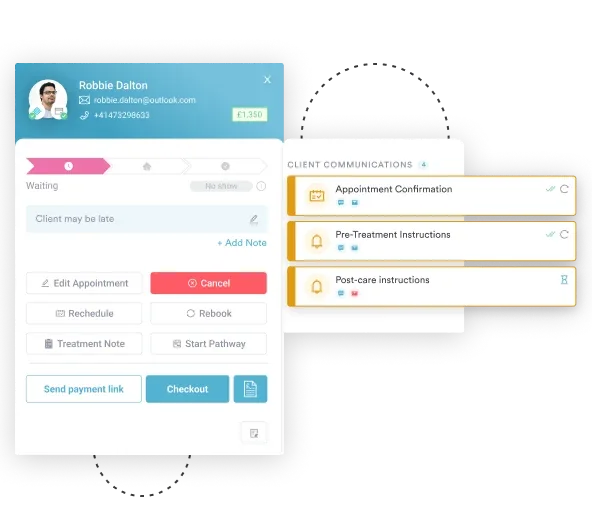
For example, assign a parenting style worksheet Monday; if it is not completed by Thursday, send an automated SMS reminder: “We’d love to see your worksheet completed by your Friday session so we can discuss your results.” This simple nudge increases completion rates and keeps parents engaged between sessions.
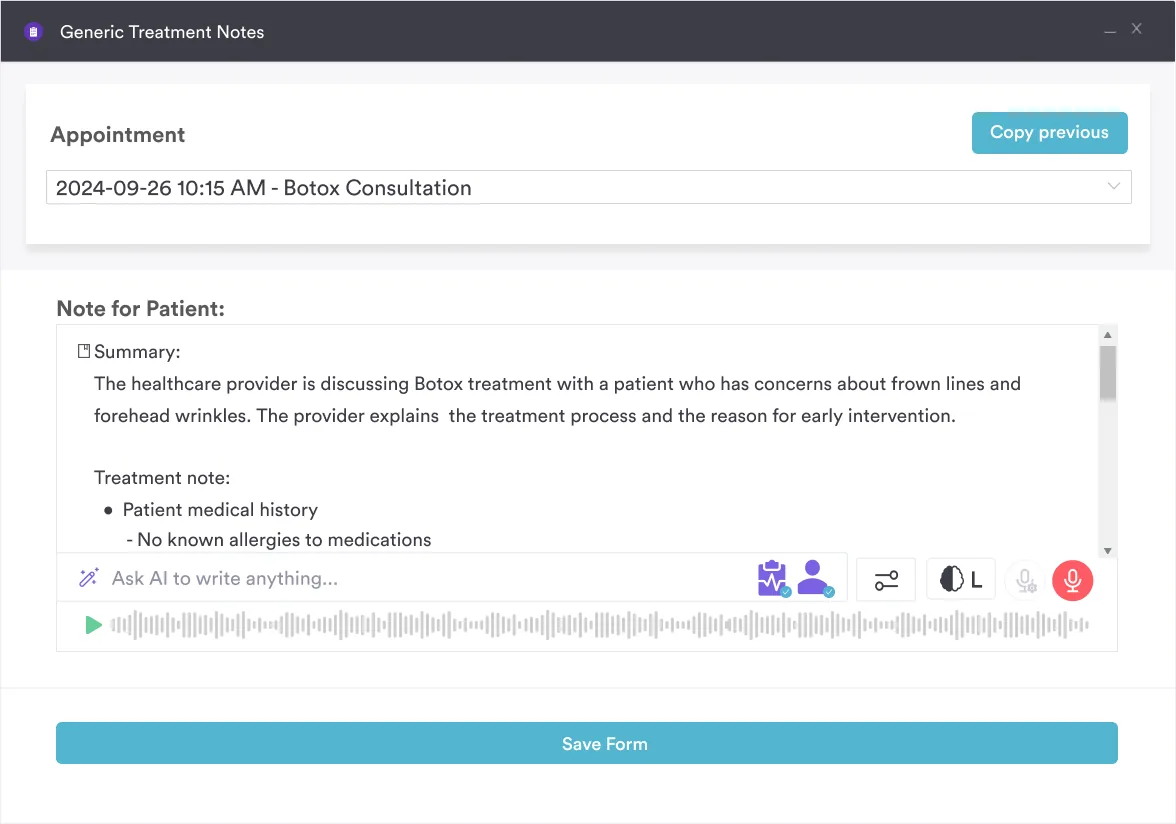
Pabau’s client portal also enables AI-assisted documentation of worksheet reviews. After reviewing the completed worksheet in session, clinicians can dictate key findings and clinical impressions, which the AI structures into a standardized note format, saving documentation time and ensuring consistency.
These worksheets serve multiple practitioner types and clinical settings:
When using parenting worksheets in clinical practice, ensure:
According to the American Psychological Association’s parenting resources, structured parenting assessment and skill-building are core components of evidence-based family treatment. SAMHSA’s family support programs similarly emphasize the role of parenting education and assessment in reducing child behavioral health risks and improving family resilience.
A parenting worksheet is a foundational clinical tool that bridges assessment, psychoeducation, and measurable behavior change in family-focused therapy. Whether you work with individual parents, families, or co-parenting pairs, a well-designed worksheet creates structure, normalizes parenting challenges, and documents progress in a way that reinforces therapeutic gains.
The free parenting worksheet template above offers a starting point for practices seeking to integrate assessment-driven parenting work into their care. Book a demo to see how Pabau’s digital forms and client portal streamline worksheet distribution, completion tracking, and clinical review, keeping parents engaged between sessions and supporting your practice’s growth.

Supporting a patient who struggles to stay organized? ADHD planner template gives patients a daily and weekly planner with prompts for tasks and medication tracking.
Need to screen for anger patterns in session? Anger assessment quiz screens for anger patterns, triggers, and intensity with a scored interpretation framework.
Looking for a more detailed anger screening? Anger issues test measures anger across six dimensions with a scoring key and follow-up sheet.
A parenting worksheet is used to assess parenting styles, family dynamics, communication patterns, and behavior management strategies. It helps clinicians and parents identify strengths and areas for growth, creates a baseline for tracking change, and provides structured homework assignments that deepen therapeutic learning between sessions. The worksheet operationalizes psychoeducation and skill-building so parents leave therapy with concrete, documented strategies.
The most common types are parenting style self-assessment (identifying authoritative, authoritarian, permissive, or uninvolved patterns); behavior management tracking (documenting antecedents, behaviors, and consequences); emotion regulation for parents (helping parents manage their own stress and triggers); co-parenting agreements (for separated or blended families); and parenting plan worksheets (mapping daily routines and developmental goals). Each addresses different family challenges.
Introduce the worksheet by explaining its clinical purpose, complete at least the first section together in session so the client understands the response style, assign remaining sections as homework, review responses in the next session with open reflection questions, identify specific change targets based on worksheet insights, and track progress by re-administering the same worksheet monthly or quarterly to measure behavioral and relational improvement.
Yes. Therapist-facing sites like TherapistAid and SimplePractice offer downloadable parenting worksheets at no cost, though their libraries often prioritize breadth over clinical depth. Pabau provides clinical-grade parenting worksheet templates designed specifically for medical practices and therapy clinics, with the added benefit of digital delivery and progress tracking through your practice management system.