Pabau GO app

The new Pabau GO is heredownload on the App Store

Download on the App Store
Book a demo Book a demo
Clinical guides

Osteomyelitis nursing care plan

Key takeaways

Key takeaways

Osteomyelitis is a bone infection usually caused by Staphylococcus aureus, so care starts with systematic assessment and evidence-based planning.

The five primary NANDA diagnoses are Acute Pain, Risk for Infection, Impaired Physical Mobility, Deficient Knowledge, and Imbalanced Nutrition.

Prioritize those diagnoses by acuity, because pain and infection risk lead in the acute phase and mobility comes later.

Interventions cover antibiotic therapy, wound care, pain control, mobility, and nutrition, each recorded with the rationale behind it.

Practice management software like Pabau links the care plan to the patient record, so assessments and interventions sit in one chart.

Download your free osteomyelitis nursing care plan

A printable one-page form with fields for patient information, allergies, medical history, physical examination, and diagnosis. Planning covers goals, interventions, evaluation, and patient education.

Download template

Osteomyelitis is a bone infection that needs structured nursing care from admission onward. A written care plan keeps the team aligned across assessment, diagnosis, planning, implementation, and evaluation.

The template above is a printable one-page form built around NANDA-I diagnoses and standard clinical practice. Fill it in per shift and your documentation stays consistent from the first dose of antibiotics through to discharge teaching.

What is osteomyelitis?

Osteomyelitis is a bacterial or fungal infection of bone that runs an acute or chronic course. Knowing the pathophysiology helps you anticipate complications and rank your interventions. Infection reaches bone by three routes.

  • Hematogenous spread, where bacteria travel through the bloodstream and seed the bone directly.
  • Contiguous spread, where infection crosses from a wound or soft tissue next to the bone.
  • Vascular insufficiency, where poor blood flow starves bone of the defenses it depends on.

Staphylococcus aureus causes roughly 80% of cases. Watch for localized bone pain, swelling, warmth, erythema, and fever. Diagnosis is confirmed by bone biopsy culture, MRI, and raised inflammatory markers. Those markers are white blood cell count, erythrocyte sedimentation rate, and C-reactive protein, and StatPearls sets out the thresholds in detail.

Untreated infection becomes chronic. From there it can progress to sepsis, pathological fracture, and permanent bone damage. When you chart the diagnosis before a site or organism is confirmed, the billing team codes it as M86.9.

How to fill in each section

The template is a printable one-page clinical form. Work through it top to bottom and it maps onto the nursing process.
  1. Patient information: Record name, age, sex, and allergies. Allergy detail earns its space here, because treatment runs on weeks of antibiotics.
  2. Medical history: Note reported bone pain, fever history, recent surgery or trauma, diabetes, vascular disease, and any loss of mobility.
  3. Physical examination: Document vital signs, wound appearance, swelling, warmth, erythema, and drainage. Lab values and imaging results belong here too.
  4. Diagnosis: Write the NANDA diagnosis with its related factors, phrased for this patient. Add the medical diagnosis and the site once confirmed.
  5. Goals: Write SMART goals, which are specific, measurable, achievable, relevant, and time-bound. For example, pain falls to 3 out of 10 within 48 hours of starting antibiotics.
  6. Interventions: List the nursing actions and put the rationale for each one in the same field. The form has no separate rationale column, so pair the action and the reason on one line.
  7. Evaluation: Score progress against every goal each shift and at care plan review. The standalone evaluation nursing care plan goes deeper if you need a dedicated review sheet.
  8. Patient education: Log what you taught, who was present, and what the patient repeated back to you.
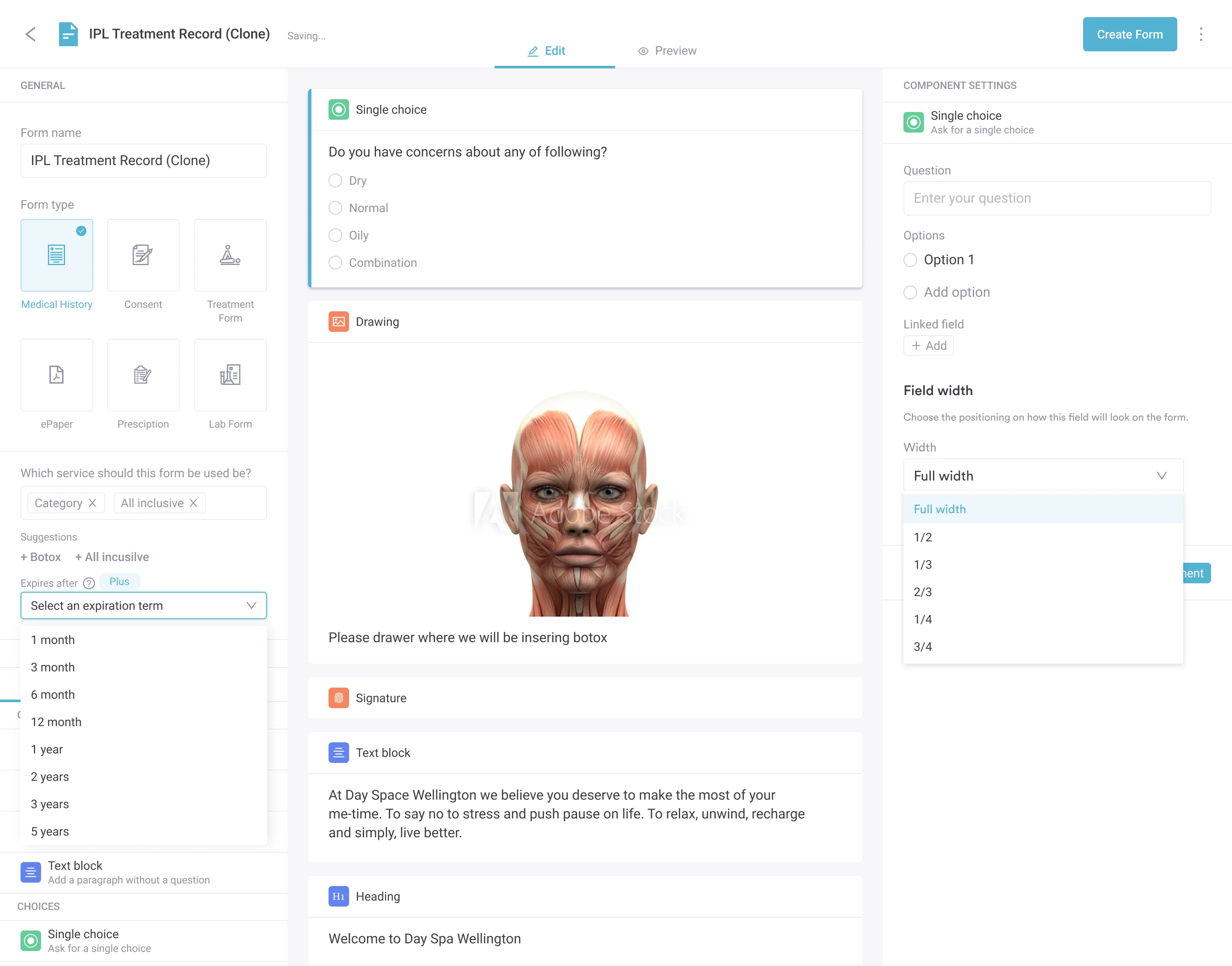
Pabau form builder showing question components being added to a clinical form
Pabau’s form builder rebuilds this care plan as a digital form, so every shift records assessment and interventions in one place.

Nursing assessment for osteomyelitis

Assessment is the foundation of the plan. Gather subjective and objective data so the characteristics you record genuinely support the diagnosis you pick. In post-acute settings the MDS assessment cheat sheet covers the wider functional picture alongside it.

Assessment category Key findings
Pain Location, intensity on a 0 to 10 scale, character, what makes it worse or better, and the effect on movement and sleep.
Local infection signs Swelling, warmth, erythema, drainage type, wound appearance, and the condition of surrounding tissue.
Systemic findings Temperature above 101.3°F (38.5°C), raised heart rate, rapid breathing, malaise, and confusion as a sepsis indicator.
Lab values White cell count above 11,000/µL, ESR above 30 mm/hr, CRP above 10 mg/L. Blood and bone cultures name the organism.
Imaging MRI is the most sensitive. X-ray and bone scan show the extent of bone involvement and any fracture or sequestration.
Functional status Range of motion, weight-bearing status, mobility level, independence with activities of daily living, and any assistive device.

Primary nursing diagnoses for osteomyelitis

Five NANDA diagnoses cover most osteomyelitis presentations. Prioritize them by acuity. Acute pain and infection risk dominate the first week, then mobility and knowledge deficits move up as the infection settles.
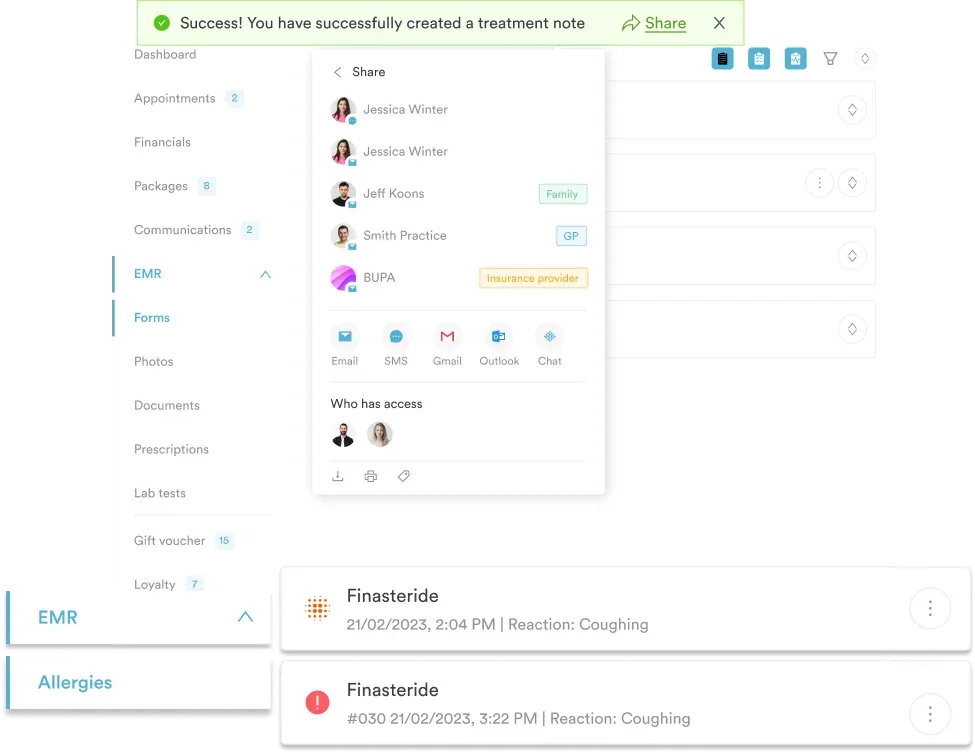
Pabau patient record showing forms, lab tests, prescriptions, and allergy alerts
Pabau’s patient record keeps the care plan next to lab results, allergies, and prescriptions, so you rank diagnoses against current data.
NANDA diagnosis Related factors Defining characteristics
Acute Pain Bone infection, inflammatory response, and immobilization. Pain reported at 6 to 9 out of 10, guarding, grimacing, restlessness, and broken sleep.
Risk for Infection Bone invasion, organism virulence, and a compromised immune response. Fever above 102.2°F (39°C), rising white cell count, positive blood culture, and purulent drainage.
Impaired Physical Mobility Bone pain, surgical fixation, bed rest orders, and weakness from infection. Reduced range of motion, reluctance to move, inability to walk, and reliance on help.
Deficient Knowledge Unfamiliarity with the disease, the treatment length, and the antibiotic regimen. Voiced misconceptions, repeated questions, and anxiety about the outlook.
Imbalanced Nutrition Raised metabolic demand, pain suppressing appetite, and prolonged antibiotic side effects. Unintentional weight loss, low albumin, and slow wound healing.

Where poor intake dominates the picture, the standalone imbalanced nutrition care plan goes further on that single diagnosis than this form does.

Core nursing interventions for osteomyelitis

Interventions cluster into infection control, pain management, mobility, education, and nutrition. Record a rationale beside each action so the reasoning is on the page, not in someone’s head.

  • Antibiotic administration: Give intravenous antibiotics on schedule and check the infusion site every shift. Rationale: steady bactericidal serum levels clear the organism and limit resistance.
  • Wound assessment and care: Inspect incisions, drains, and surrounding tissue daily, then change dressings per protocol. Rationale: sterile technique catches breakdown early and prevents secondary contamination.
  • Pain management: Give analgesics before pain peaks and support the affected limb with pillows. Rationale: early control heads off chronic pain and lets the patient join in mobility work.
  • Laboratory monitoring: Arrange blood draws for white cell count, ESR, CRP, and cultures. Rationale: the trend confirms the antibiotic is working, and stubborn elevation flags failure.
  • Mobility support: Assist with range of motion exercises and supervised walking, and reinforce weight-bearing limits. Rationale: movement prevents contractures, clots, and deconditioning.
  • Nutrition: Track calorie and protein intake, offer high-protein snacks, and involve dietetics early. Rationale: protein and micronutrients drive immune function and bone healing.

Record how the patient responded in the evaluation field, so the next nurse can see what worked and what did not.

Who the template is for

The form suits bedside nurses, clinical educators, and care coordinators working across several settings.

  • Hospital acute care: Manage newly diagnosed patients on intravenous antibiotics who need close monitoring for systemic infection.
  • Orthopedic and surgical services: Document care before and after debridement or fixation, then hand the mobility goals to your physical therapy team.
  • Home health and outpatient practices: Carry the plan through the switch from intravenous to oral antibiotics and track wound healing.
  • Nursing students and educators: Compare it with the pancreatitis nursing care plan to see how one framework adapts to a different condition.
  • Practice development teams: Standardize documentation across sites so every nurse assesses and records the same things.

What a structured plan changes day to day

A written plan pays back the time it costs in five ways.

  • Consistent assessment. Every patient gets the same sweep across pain, infection signs, mobility, and understanding.
  • Evidence over habit. Pairing each action with a rationale keeps decisions tied to current guidance.
  • Cleaner handovers. Each shift reads the same priorities and the reasoning behind them.
  • Defensible records. A complete plan shows you met professional standards if an outcome is later questioned.
  • Faster charting. Preformatted fields cut typing time and return it to the bedside.

Clean documentation also supports the claim. When a debridement is performed, the nursing and provider notes are what justify 97597.

Move the form into practice management software and it stops being a static sheet. Updates land in real time, outcomes are tracked, and everyone works from the current version.

Acute versus chronic: how nursing priorities differ

Nursing care differs sharply between acute and chronic osteomyelitis. Your plan has to say which one you are dealing with.

Aspect Acute osteomyelitis Chronic osteomyelitis
Duration Onset within two weeks, with prominent systemic symptoms and sepsis risk. Runs beyond four weeks, with flares and remissions. Fever may be absent.
Primary nursing focus Acute pain control, sepsis prevention, fast intravenous antibiotics, and close vital sign monitoring. Chronic pain management, wound and sinus tract care, adherence to long oral therapy, and psychosocial support.
Antibiotic therapy Intravenous for 4 to 6 weeks, then oral, with culture-directed adjustments. Prolonged oral therapy over months, often with surgical debridement or suppressive therapy.
Mobility and activity Bed rest at first, then graded weight-bearing as pain eases. Most patients move within days. Early mobilization encouraged. Activity limits stay minimal unless surgery is planned.
Complications to watch Sepsis, acute kidney injury, disseminated infection, and pathological fracture. Sinus tract formation, recurrent flares, surgical site infection, and delayed fracture healing.

Note the acuity classification on the form, then set diagnosis priority and intervention intensity from it. Chronic cases sometimes add adjunctive wound therapies, and electrical stimulation is billed under G0281.

Patient and family education checklist

Education carries most of the discharge risk. Work through this checklist before the patient goes home, and log it in the education field.

  • Antibiotic adherence: explain why the full course matters even after symptoms fade, and cover the switch to oral therapy.
  • Wound care at home: demonstrate sterile dressing technique and name the drainage changes that warrant a phone call.
  • Activity limits: confirm weight-bearing status, range of motion exercises, and when unrestricted activity is expected.
  • Recurrence signs: teach recognition of returning fever, rising pain, new swelling, or fresh drainage.
  • Follow-up: book post-treatment imaging and final labs, and explain why monitoring outlasts the symptoms.
  • Nutrition: encourage protein and vitamin C, and find high-calorie foods the patient can tolerate.
  • Psychosocial support: acknowledge how draining a long infection is, and offer mental health support or peer groups where appropriate.

Expected outcomes to evaluate against

SMART outcomes drive the evaluation field. By the end of treatment, most patients should reach these markers.

  • Pain at 2 out of 10 or lower at rest.
  • No fever for at least 48 hours.
  • White cell count, ESR, and CRP back within range.
  • No wound drainage.
  • Full weight-bearing tolerance.
  • Antibiotic adherence and home care explained back in the patient’s own words.

Pro Tip

Record outcomes at one week, at discharge, and at the 2 to 4 week follow-up. Three data points show what your interventions changed, which a single entry never does.

How Pabau keeps the care plan attached to the patient record

In most practices the care plan lives apart from the chart. It gets printed, filled in by hand, filed in a folder, and retyped into the record later. By the time anyone reviews it, the evaluation field is half empty.

Practice management software like Pabau handles it differently. The care plan is built once as a digital form and saved to the patient record. Each shift opens the same form, adds findings, and signs the entry.

Because the plan sits beside lab results, medications, and wound photos, you can rank diagnoses against current data instead of yesterday’s printout. Nothing gets retyped, and the audit trail shows who changed what and when.

The payoff is a shorter charting round at the end of a shift, and a care plan the next nurse can trust.

Keep nursing care plans inside the patient record

Pabau stores care plan templates on the patient record, so assessment entries, interventions, and outcome reviews all sit in one chart. Your whole team works from the same version.

Pabau clinical dashboard

Conclusion

What makes a care plan worth writing is the reasoning beside each intervention. Anyone can name Acute Pain. Recording why you chose a given action is what still holds up six weeks later.

Osteomyelitis brings a long treatment and a long documentation tail with it. Download the form and complete it per shift rather than at the end of the week. Do that and the evaluation field turns into evidence you can defend.

Book a demo to see how Pabau keeps nursing care plans, lab results, and wound photos in one patient record.

Continue your research

Continue your research

Managing immobility risk on the same admission? DVT nursing care plan covers the clot risk that weeks of bed rest create.

Need a plan for long-term functional loss? CVA nursing care plan shows how the same framework handles slow mobility recovery.

Bed rest slowing the bowel? Constipation nursing care plan handles the complication that follows immobility and opioid analgesia.

Coordinating a discharge across teams? Case management note gives you a structure for recording handoffs and follow-up arrangements.

Want the wider picture on ward throughput? Patient flow explains where documentation delays hold up beds and discharges.

Frequently asked questions

What are the five primary nursing diagnoses for osteomyelitis?

The five primary NANDA diagnoses are Acute Pain, Risk for Infection, Impaired Physical Mobility, Deficient Knowledge, and Imbalanced Nutrition. Prioritize them by acuity. Pain and infection risk lead during the acute phase. Mobility and knowledge move up as the infection resolves.

How long does antibiotic therapy typically last for osteomyelitis?

Acute osteomyelitis usually needs 4 to 6 weeks of antibiotic therapy. Treatment commonly starts with intravenous antibiotics and steps down to high-dose oral therapy. Chronic cases can need months or years of oral suppressive therapy, especially without surgery. Duration depends on organism sensitivity, patient response, and imaging.

What lab values indicate treatment response in osteomyelitis?

Treatment response shows as a white cell count below 11,000/µL, an ESR under 30 mm/hr, and a CRP under 10 mg/L on repeat testing. Blood and bone cultures should turn negative within 48 to 72 hours of appropriate antibiotics. Persistent elevation signals treatment failure or poor antibiotic penetration. Track the trend across 1 to 2 weeks rather than a single result.

Which complications should nurses watch for in osteomyelitis?

Acute complications include sepsis, acute kidney injury, and disseminated infection. The warning signs are fever above 102.2°F, altered mental status, and hypotension. Chronic complications include pathological fracture, sinus tract formation, and persistent pain. Check vital signs closely, report sudden fever spikes, and inspect the wound daily.

How does the care plan change between acute and chronic infection?

Acute care prioritizes sepsis prevention, fast pain control, and intensive intravenous antibiotic management. Chronic care shifts toward long-term oral antibiotic adherence, wound and sinus tract care, and psychosocial support. Mobility differs too, since acute patients often start on bed rest while chronic patients mobilize early. Set your diagnosis priority from the acuity classification.
×