Hell’s Itch pain scale
The Hell’s Itch pain scale is a numeric rating system that quantifies the ...

4
Last Updated: Oct 5, 2026

A caregiver note is a structured written record documenting daily observations, patient activities, medications given, and care provided by home health aides and professional caregivers.
CMS and HIPAA regulations require caregiver notes to maintain legal documentation, ensure continuity of care, and protect patient privacy in home care settings.
Effective caregiver notes include objective observations, specific timestamps, medication administration details, and flags for any changes in patient condition or behavior.
Pabau’s digital forms and client record system enable caregivers to complete structured notes at point of care, reducing documentation errors and ensuring secure, audit-trail-compliant records.
A professional documentation template for recording detailed observations, patient activities, medication administration, and care-related details. Facilitates communication between healthcare teams, family members, and professional caregivers whilst ensuring continuity of care and proper documentation of caregiving arrangements.
Download templateHome care professionals document the details of every patient visit. From medication administration to activity participation to behavioral observations, these notes create the record that healthcare teams rely on for continuity of care.
A caregiver note template standardizes what gets recorded and how, reducing omissions and inconsistencies. This guide covers what a caregiver note is, what belongs in one, how to write effective notes, and real-world examples – plus a free, ready-to-use template you can download and customize for your care setting.
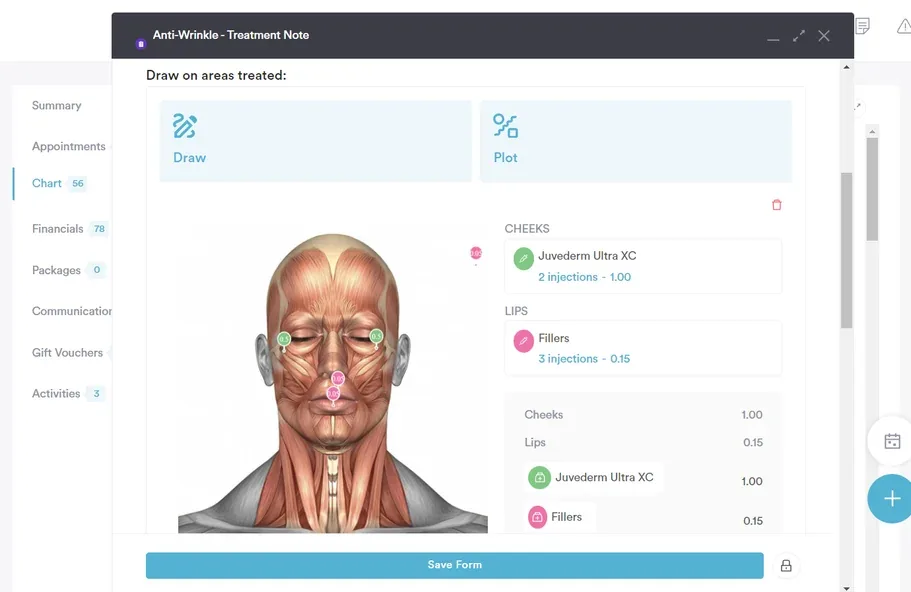
A caregiver note is a written record completed after a home care visit or shift, documenting observations, activities, and interventions provided to a patient or client. It serves as the primary communication tool between the caregiver and the broader care team – including nurses, physicians, family members, and supervisors.
In home care settings, caregiver notes must be objective, timely, and compliant with regulatory standards. CMS mandates that home health agencies maintain written documentation of all patient care, and HIPAA governs the privacy and security of that documentation. Professional caregivers document what they observe, what they do, and what changes they notice – creating an audit trail that protects both the patient and the practice.
Caregiver notes are not optional paperwork – they are a legal and clinical requirement.
Continuity of care: When a patient sees multiple caregivers, each visit is documented separately. A nurse reading the caregiver notes from yesterday’s shift knows what happened before they arrive. A therapist sees the pattern of the patient’s mobility or mood over a week. Without written caregiver notes, each visit operates in isolation, and care becomes reactive rather than coordinated.
Compliance and legal protection: National Alliance for Care at Home guidance and state home care regulations require agencies to maintain records of all patient care. If a patient is injured, a medication error occurs, or a family member disputes the care provided, the caregiver notes are the evidence that the practice followed protocol.
Family communication: Home care is intimate. Family members want to know what happened during the visit – what their loved one ate, how they moved, what mood they were in. Caregiver notes provide the facts that clinicians and care coordinators relay back to families.
An effective caregiver note captures the essential details of a visit. The template below reflects the checklist most home care agencies expect.
Objectivity is key. Caregiver notes must record what the caregiver observed, not opinions or assumptions. “Patient slept most of the visit” is objective. “Patient seemed depressed” is interpretive – replace it with “Patient remained quiet, did not initiate conversation, and spent the visit in bed.”
Writing a caregiver note takes a few minutes but sets up the care team for clarity and compliance.
These errors weaken documentation and can create liability or compliance issues.

Pabau’s client record system and digital forms let caregivers complete notes at the point of care – with pre-built checklists, medication tracking, and secure handoff to the care team.

Real-world examples show how different visit types translate into structured notes.
Date: August 14, 2026 | Time: 10:00 a.m. – 11:30 a.m. | Caregiver: Maria S.
Visit summary: Assisted Mr. Chen with morning hygiene (shower, grooming, dressing). Patient alert and oriented, moving independently with handrail support. Administered 8:00 a.m. medications (Lisinopril 10 mg, Metformin 500 mg) with breakfast. Patient consumed full breakfast (oatmeal, toast, coffee). No pain or new complaints reported. Tidied bedroom and living room. Patient ambulated to kitchen and back to bedroom without incident. Scheduled next visit for August 16, same time.
Date: August 14, 2026 | Time: 2:00 p.m. – 2:45 p.m. | Caregiver: David T.
Visit summary: Assisted Mrs. Williams with light meal preparation and lunch. Patient reported mild headache today (states she “slept poorly last night”). Did not ambulate as much as usual – remained seated for most of visit. Took headache medication (acetaminophen 500 mg) at 2:10 p.m.. Patient drank 1 liter of water. No fever noted. Patient alert and communicative but quieter than on prior visits. Will monitor on next visit (August 16). Supervisor notified of headache report.
Many home care agencies still use paper forms. Digital platforms like patient care management systems offer key advantages.
For practices managing multiple caregivers or patients, digital caregiver notes centralize documentation, reduce transcription errors, and ensure that critical information reaches the care team instantly.
Rolling out a standard template across your home care team requires a few steps.
Customize for your setting. The template above covers general home care. If you serve mental health practices or specialized care, add fields relevant to your scope – behavioral observations, psychiatric symptoms, therapy adherence.
Train caregivers on objectivity. The most common error is interpretive language. Run a brief training session on the difference between observation (“Patient refused breakfast”) and opinion (“Patient is difficult”) – and why it matters legally and clinically.
Enforce timeliness. Set a policy: notes are completed before the caregiver leaves the patient’s home, or within 1 hour if using a digital platform. This captures accurate details and prevents backlog.
Review regularly. Have a supervisor review a sample of notes weekly to catch errors, ensure compliance, and provide feedback.
Standalone templates work. Practice management software like Pabau lets you turn this template into a structured digital form, so each caregiver note attaches directly to the patient’s chart instead of sitting in a separate file or folder.
Three integration points matter most for home care documentation:
The result: one submitted note updates the chart, the portal, and any connected system at the same time – instead of a caregiver filling out a paper form that someone else has to transcribe later.
A caregiver note is far more than paperwork. It is the daily record that ensures every patient receives coordinated, safe, compliant care – and that the practice has evidence it followed through.
Whether you use the printed template above or integrate caregiver notes into a digital system like Pabau, the key is consistency: objective documentation, timely completion, and clear communication with the care team. Start with a template that fits your practice, train your caregivers on objectivity, and review regularly. The investment in structured caregiver notes returns itself in fewer errors, faster family communication, and regulatory peace of mind. See how Pabau supports caregiver documentation at point of care.

Need structured consent and clinical forms? Medical documentation forms guide practitioners through intake, consent, and assessment workflows so no critical information is missed.
Assessing a patient’s level of consciousness? Level of consciousness assessment It compares the 30-second AVPU scale with the Glasgow Coma Scale and includes a free charting template.
Need signed consent before treating an adult patient? Medical consent form for adults It offers a free two-page form with nine consent acknowledgments and signature lines for patient and witness.
A care plan outlines the goals and interventions for a patient’s overall care, written by a clinician or care coordinator. Caregiver notes document what happened during specific visits – the daily record of activities, observations, and care delivered. The care plan is the roadmap; caregiver notes are the evidence that the plan was followed.
Yes, for agencies receiving Medicare or Medicaid reimbursement. CMS mandates documentation of all patient care in home health settings. Even private-pay practices benefit from written caregiver notes to support continuity of care and protect against liability claims.
Establish a policy requiring notes within a set timeframe (e.g. same day). If a note is late, the caregiver should document from memory but include the date of the visit and the date the note was written, clearly noting the delay. This is not ideal but is better than no documentation. For repeated issues, provide retraining or consider using a digital system that sends mobile reminders when a visit begins.
Yes, with the patient’s consent. HIPAA compliance allows patients (or their authorized representatives) to access their own medical records, including caregiver notes. Many practices share a summary via a patient portal or in-person updates, while maintaining the full notes in the clinical system for the care team.
Document it immediately in the caregiver note and notify a supervisor or nurse the same day. Do not delay – medication errors require timely reporting, clinician review, and often family notification. The caregiver note becomes part of the incident report and safety review process.
Detailed but concise – typically 200-400 words. A note that covers the essential facts (activities, observations, medications, changes, and any flags) without unnecessary detail is professional and sustainable. Caregivers working multiple shifts cannot spend 30 minutes writing one note; systems that streamline note-writing with templates and checklists keep documentation fast and complete.