GLP-1 diet plan
A GLP-1 diet plan is a structured eating framework for patients taking semagluti...

2
Last Updated: Oct 13, 2026

A pancreatitis nursing care plan turns NANDA-I diagnoses into assessment parameters, goals, and interventions the whole team can follow.
The five priority diagnoses are acute pain, imbalanced nutrition, deficient fluid volume, risk for infection, and ineffective breathing pattern.
Assessment centers on pain character, amylase and lipase, fluid balance, and skin signs such as Grey Turner and Cullen.
Two lines in older plans are outdated, routine prophylactic antibiotics and the claim that opioid choice changes enzyme secretion.
Practice management software like Pabau keeps the completed plan, its forms, and evaluation notes in one patient record.
A NANDA-I formatted plan with assessment findings, five diagnoses and their related factors, short and long-term goals, interventions with rationale, and evaluation criteria. Acute and chronic sections sit side by side, so one file covers both presentations.
Download templateA pancreatitis nursing care plan sets out the NANDA-I diagnoses, assessment parameters, goals, and interventions for a patient with an inflamed pancreas. It is the document the next shift reads before they touch anything.
Acute and chronic presentations need different plans. Acute care runs on pain control, fluid resuscitation, and early feeding. Chronic care runs on nutrition, enzyme replacement, and alcohol cessation.
The template above covers both. This guide also flags two lines that older care plans still repeat, but that current gastroenterology guidance no longer supports.
It is a standardized document that guides assessment, diagnosis, goal setting, and intervention delivery for a patient with pancreatic inflammation. It translates NANDA International (NANDA-I) diagnoses into steps any team member can pick up and follow.
The plan splits by phase. Acute pancreatitis arrives suddenly and can turn severe within hours. Chronic pancreatitis is progressive, and the work shifts toward nutrition, long-term pain control, and endocrine follow-up.
Keeping the plan inside structured patient records is what makes a handoff work. Everyone reads the same priorities instead of rebuilding them from the chart.
Assessment drives everything else in the plan. Prioritize pain character, pancreatic enzyme levels, fluid balance, and the early warning signs of complications.
Five diagnoses cover most pancreatitis admissions. Acute pain and imbalanced nutrition carry the most interventions, and each diagnosis drives its own measurable outcome.
If you are new to digital tooling, start with what practice management software does before digitizing forms like this.
Acute pancreatitis demands rapid intervention to control pain, restore fluid balance, and prevent complications. The acute plan emphasizes bowel rest, intravenous fluid resuscitation, and close watch for systemic inflammatory response syndrome (SIRS).
The chronic plan prioritizes nutritional rehabilitation, enzyme replacement adherence, alcohol cessation, and pain control for patients with recurrent or persistent inflammation.
Four priorities cut across every version of the plan: pain management, fluid and electrolyte resuscitation, nutrition progression, and complication surveillance.
Acute pancreatitis pain is severe and needs regular reassessment. Use a numeric rating scale at baseline, 15 minutes after each intervention, and hourly for the first 24 hours. Positioning, relaxation, and heat reduce the total opioid burden when used alongside analgesia.
Early enteral nutrition, within 48 hours, is now preferred over prolonged bowel rest in moderate-to-severe cases. Start with clear liquids if the patient tolerates them, then a soft diet once pain settles. Build up to small, frequent, low-fat meals.
Nasogastric feeding is the fallback when oral intake fails. It keeps the gut working and carries less infection risk than parenteral nutrition.
Assess daily for systemic inflammatory response, hemorrhagic pancreatitis, acute respiratory distress, and pancreatic abscess. Track serial amylase and lipase, lactate, procalcitonin where available, and daily glucose.
Watch for a fever that persists past 72 hours, a left shift in the white cell differential, a low platelet count, and a falling hemoglobin. Together these point to necrosis, abscess formation, or sepsis.
Each of those findings moves the patient up a level of care. Early recognition is what gets them to specialist help in time. A dedicated care plan for sepsis covers the bedside screening and first-hour interventions that follow.
Care plans get copied for years, and two lines in older pancreatitis plans no longer match current guidance. Both change what you document and what you question on the ward.
ACG guidance does not recommend routine prophylactic antibiotics in severe acute pancreatitis or in sterile necrosis. Antibiotics are reserved for confirmed infected necrosis. You can check the current position in the ACG guidelines.
That makes the nursing job surveillance rather than anticipation. Track the fever curve, the white cell trend, and lactate, then escalate when cultures or imaging point to infection.
Plenty of care plans still say morphine is avoided, or that meperidine spares pancreatic enzyme secretion. No opioid has shown a clinically significant difference on enzyme secretion.
Meperidine is avoided for a different reason. Its metabolite, normeperidine, builds up and can trigger seizures, particularly in renal impairment or with repeated dosing.
So record the drug, the dose, and the response, and flag renal function whenever meperidine appears on a chart.
Audit your unit’s pancreatitis protocol against current ACG guidance every 12 to 18 months. Feeding advice changed sharply over the past decade, and antibiotic advice moved with it. A five-minute refresher at handover keeps retired lines out of live care plans.
A standardized plan reduces variation and makes omissions visible. Every nurse across shifts and units works from the same assessment and intervention sequence, which cuts missed steps and medication errors.
They also leave an audit trail behind them.
That trail matters when an auditor asks who changed what, and when. It also removes the paperwork that keeps nurses at the desk instead of the bedside.
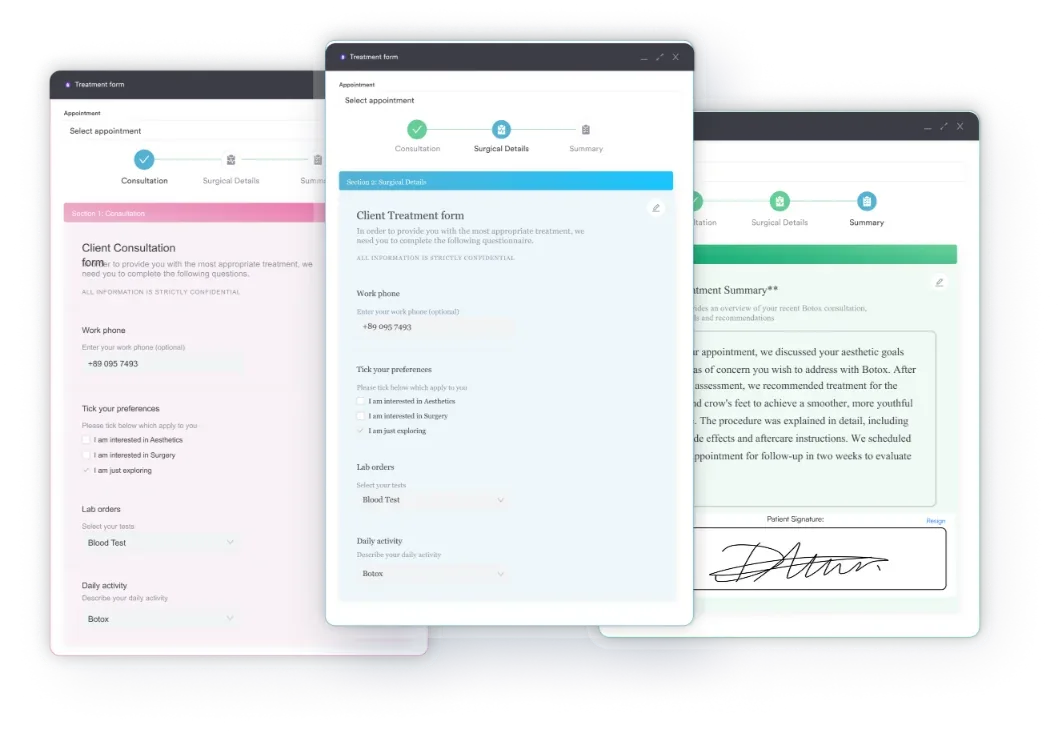
The template runs in five steps, built for bedside use and for the way documentation actually flows.
If your EHR cannot hold the plan, keep it somewhere the whole team can see it. Pair it with a case management note so referrals and responsibilities sit against a name.
Education decides what happens after discharge. Cover the low-fat diet and when foods come back, alcohol cessation resources, and medication timing for PERT, opioids, and any diabetes medication.
Then name the red flags. Sudden severe pain, a persistent fever, or yellowing of the skin or eyes means coming back, not waiting for the next appointment. Book the follow-up before the patient leaves the ward.
Bring caregivers into that conversation, since relapse is often spotted at home first. Chronic cases then move to outpatient follow-up. Nutrition and alcohol support usually run through primary care or a functional medicine practice.
Evaluation criteria are what turn a plan into evidence of care. For acute pancreatitis, expect pain at 3/10 or less within 48 to 72 hours, stable vital signs, and falling amylase and lipase. Urine output should hold at 0.5-1 mL/kg/hour, with the patient tolerating clear liquids or better.
For chronic pancreatitis, look across 4 to 12 weeks. Weight should be stable or rising, albumin above 3.5 g/dL, and pain controlled on a steady regimen. The patient should be able to explain PERT and the low-fat diet, and be attending alcohol support where that applies.
Unmet outcomes call for revision rather than abandonment. Look for the barrier first, whether that is medication intolerance, adherence, or a comorbidity, then adjust the interventions or bring in a specialist.
Write an evaluation entry every shift, even when nothing changed. The direction of travel, improving or stable or declining, is what tells the team whether the patient is ready for discharge or a specialist referral. The entry takes 30 seconds and protects your documentation in an audit.
On paper, a care plan lives in one folder. The night nurse rebuilds it from memory, the dietitian never sees the goal you set, and the evaluation entry goes missing before anyone reviews it.
Practice management software like Pabau keeps the plan inside the patient record itself. Assessment forms, treatment notes, goals, and evaluation entries sit against the same file, and every clinician sees the current version.
Digital forms collect the history before the appointment, so the assessment section starts half complete. Automated reminders prompt the reassessment you scheduled, and the record shows who changed what.
For a practice following pancreatitis patients after discharge, that means fewer repeated questions at each visit. It also means a plan that survives a handover to a colleague who has never met the patient.

Pabau brings clinical records, digital forms, and scheduling into one system. Assessment, goals, and evaluation entries sit against the same patient file, so nothing gets retyped, and nothing gets lost between shifts.

A care plan is only as good as the last time someone read it. The diagnoses and interventions here are settled clinical ground, and the template saves you rebuilding them at three in the morning.
The part worth your attention is currency. Antibiotic and opioid guidance both moved, and plans copied from older sources still carry the retired lines. Check yours before they harden into house teaching.
Adapt the template to your unit, then decide where it lives. A plan in a drawer gets rewritten every shift. Book a demo to see how Pabau keeps care plans, forms, and evaluation notes in one patient record.

Clearing a patient for a dental procedure? dental clearance form covers medical history, infection assessment, antibiotic recommendations, and physician sign-off.
Caring for alcohol-related organ damage? Cirrhosis nursing care plan covers fluid volume, bleeding risk, and the education points that overlap with chronic pancreatitis.
Need a plan for the other acute abdomen? Appendicitis nursing care plan sets out pre-operative assessment, pain control, and post-operative monitoring.
Stuck on the evaluation column? Evaluation nursing care plan explains how to word outcome statements so an auditor can follow your reasoning.
Five NANDA diagnoses cover most cases. They are acute pain from pancreatic inflammation, and imbalanced nutrition from NPO status and malabsorption. Deficient fluid volume follows vomiting and third-spacing. Risk for infection follows necrosis or abscess, and ineffective breathing pattern follows splinting and pleural effusion. Each one carries its own related factors and defining characteristics, which is what individualizes the plan for a given patient.
NPO status usually ends once pain is controlled and the patient tolerates clear liquids without vomiting. Current evidence supports early enteral nutrition within 48 hours, starting with clear liquids and advancing to soft, low-fat meals. Nasogastric feeding is preferred over parenteral nutrition when oral intake fails, because it keeps the gut working and carries a lower infection risk.
Write them with the SMART framework, so each goal is specific, measurable, achievable, relevant, and time-bound. “Patient will report pain of 3/10 or less within two hours of opioid administration” is far more usable than “patient’s pain will improve.” Short-term goals over 24 to 72 hours handle acute symptom control. Long-term goals over weeks to months cover recovery, nutrition, and lifestyle change such as alcohol cessation.
Review and update it daily in acute settings, noting whether each goal was met. In chronic outpatient care, review at every visit, which is typically every four to eight weeks. If the patient’s condition changes, revise the plan straight away rather than waiting for the scheduled review. A new complication, an unmet goal, or a move to a different care phase all count as a change.
Acute care runs over hours to days and focuses on rapid pain control, fluid resuscitation, bowel rest, and complication surveillance. Chronic care runs over months to years. It focuses on nutritional support through PERT and a low-fat diet, alcohol cessation, long-term pain control, and preventing diabetes. The clinical priorities shift as the timeline stretches.
Pain management combines titrated opioid analgesia with non-pharmacological measures such as positioning, relaxation, and heat. Assess pain on a numeric rating scale at baseline, 15 minutes after each intervention, and hourly during acute episodes. No opioid has shown a clinically significant advantage on pancreatic enzyme secretion, so the choice rests on renal function and patient response. Meperidine is avoided because its metabolite normeperidine accumulates and can cause seizures. In chronic pancreatitis, adjuncts such as gabapentin or tricyclic antidepressants are added, and pain specialists are involved when standard regimens fail.