Free model waiver form + what it is and when your practice needs one
A model waiver form is a signed document that lets a healthcare practice use a p...

2
Last Updated: Sep 29, 2026

GentleLase is Candela’s 755nm alexandrite laser, FDA-cleared for hair removal and vascular lesions in Fitzpatrick skin types I to IV.
Most patients need 6 to 10 sessions spaced 4 to 8 weeks apart, so the documentation has to carry across visits.
Screening for contraindications and recording written consent protects the patient and the practitioner if an outcome is questioned later.
Cosmetic laser hair removal in England sits outside CQC scope, so local authority licensing and voluntary registers set the bar.
Practice management software like Pabau stores the completed template in the patient record and sends the aftercare instructions automatically.
Covers patient assessment, contraindication screening, consent wording, a laser settings table by skin type, and post-treatment aftercare instructions. Print it as it comes, or adapt each section to your own protocols.
Download templateA GentleLase course usually runs 6 to 10 sessions across several months. Logging a course that long electronically calls for EMR charting, which our guide to med spa software compares across eight platforms. Each session needs its own record of the settings used, how the skin responded, and what the patient was told afterward. This template holds all of that on a single form.
It is built around the Candela GentleLase, the 755nm alexandrite platform used for hair removal and vascular lesions. Download it above, then adapt the sections to your own protocols. The rest of this page walks through how to fill each part in.
A GentleLase treatment template is a structured clinical record for one course of laser treatment. It captures eligibility screening, informed consent, skin assessment, the parameters used in each session, and the aftercare given at the end of it.
The consent portion does the heaviest lifting. It records that the patient understood the 755nm wavelength, the Dynamic Cooling Device, the side effects to expect, and how gradual hair reduction actually is.
Who regulates the treatment depends on where you practice. In England. Local authority special treatment licensing covers it instead, alongside voluntary registers such as the JCCP.
In the US, the GentleLase holds FDA 510(k) clearance for specific indications, and supervision rules vary by state. Either way, a completed template does two jobs. It is the clinical record for the course, and it is the evidence that consent was taken and contraindications were checked.
Five steps take a patient from first consultation through to the follow-up after their last session.
File each completed session in the patient record straight after treatment. Parameters can then be typed on a tablet at the chair, so nothing waits for a quiet moment later in the day.
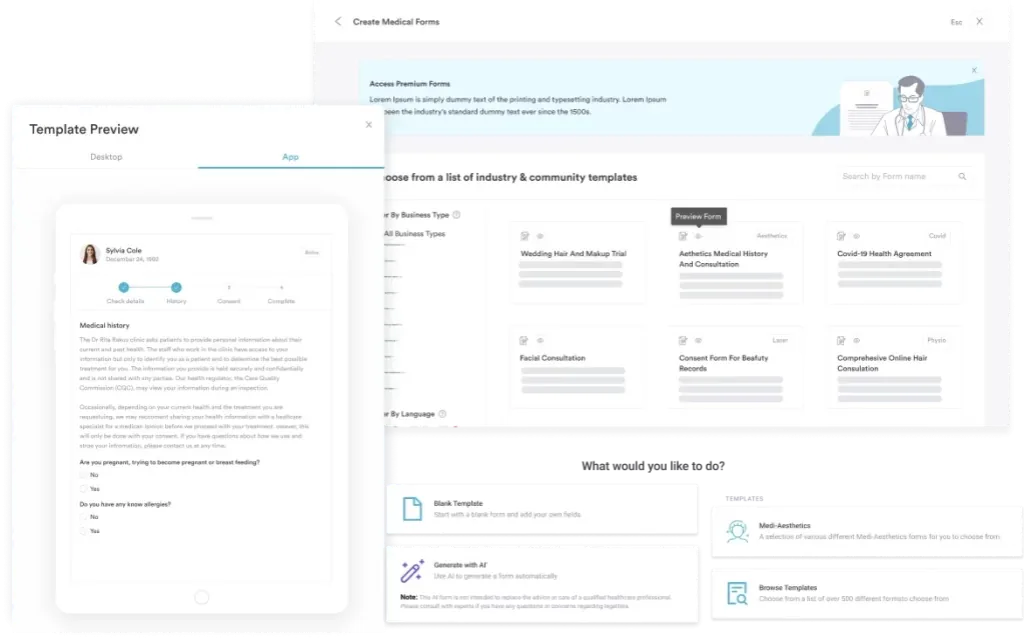
Aesthetic practices running routine hair removal get consistency across practitioners and across repeat visits. When three people share one device, a shared form is what stops three different approaches to screening and fluence selection. Practices running a multi-technology platform need the same consistency, and a Harmony XL Pro treatment record keeps sessions aligned across handpieces.
Dermatology practices using GentleLase for hair and vascular work can record which diagnosis drove the laser choice. That helps with tracking outcomes by indication. It also supports the necessity argument when billing sits alongside lesion procedures such as 11312.
Med spas and independent practitioners lean on the template as evidence of consent and clinical competence. Practitioners starting a laser business often adopt it as their first written protocol, then adapt it as their case mix grows.
Compliance and legal protection: A completed template shows that consent was taken and that contraindications were screened. If a patient complains or an outcome goes wrong, the record is your evidence of how the decision was made. It is the first thing a licensing officer or an insurer asks to see.
Consistency between practitioners: Standard parameters by skin type cut the risk of under-treating and over-treating alike. New staff can follow the protocol without being walked through fluence selection each time. Results stop depending on who is holding the handpiece.
Tracking across a course: A structured record shows which areas were treated, how many sessions a patient has had, and what changed along the way. Over time, that data reveals which protocols hold patients through a full course.
Less admin: Completing the form digitally removes transcription errors and paper filing. Whichever hair removal software you run.
Screen every patient before the first session, then re-check the relative items at each visit.
The table below gives reference ranges by Fitzpatrick classification. Treat them as a starting point, then adjust for patient feedback, skin response, and your own clinical experience.
Notes on the settings: Spot size is typically 18 mm for body areas and 15 mm for smaller zones such as underarms and bikini. Pulse duration affects thermal relaxation time, and longer pulses suit darker skin.
The Dynamic Cooling Device sprays cryogen just before and during the pulse to protect the epidermis. A longer delay of 50 ms gives darker skin types more cooling. Always test a spot at lower fluence before treating a large area on a new patient.
Hand every patient written aftercare before they leave.
GentleLase is a safe device used properly, but reactions still happen. Transient redness and swelling resolve within 48 hours. Temporary lightening or darkening of the skin resolves over weeks. Blistering and burns are rare, and the risk climbs with excessive fluence or thin cooling in darker skin types.
Document any adverse effect in the patient’s record, including severity, onset, and how it was managed. Tell the patient when to expect it to resolve and when to seek help. Drop the fluence for the next session. For serious burns, refer to a dermatologist and log the incident in your safety reporting system. A burn severe enough to risk infection deserves the same structured documentation a nursing care plan template provides for cellulitis.
Candela builds two flagship platforms in the Gentle Pro series. GentleLase Pro runs the 755nm alexandrite wavelength alone. GentleMAX Pro pairs it with a 1064nm Nd:YAG.
This template applies to GentleLase treatments. If your practice runs a GentleMAX Pro, the parameter ranges differ, and the Nd:YAG wavelength is safer for Fitzpatrick types V and VI. Check the model on your device before applying any settings from this page.
Most practices still run this on paper. The form gets printed, filled in at the chair, then scanned or filed at the end of the day. By the next session, finding last time’s fluence means going back through the folder.
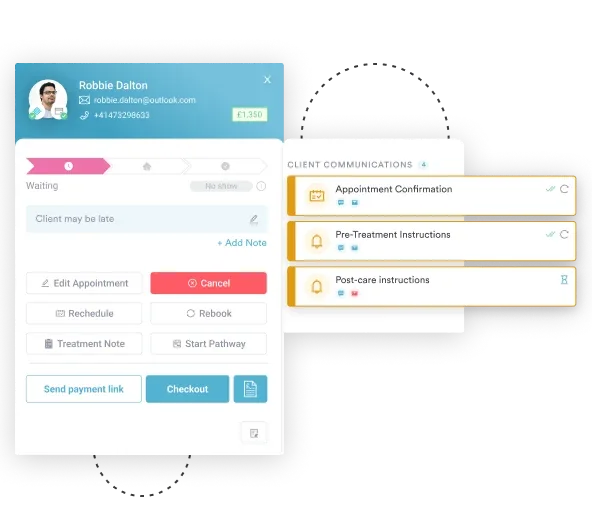
Practice management software like Pabau holds the same template as a digital form on the patient record. Treatment record templates open with the patient’s details already filled in, so the practitioner only enters what changed. Aftercare goes out by SMS or email as soon as the appointment closes.
The history then sits in one view.
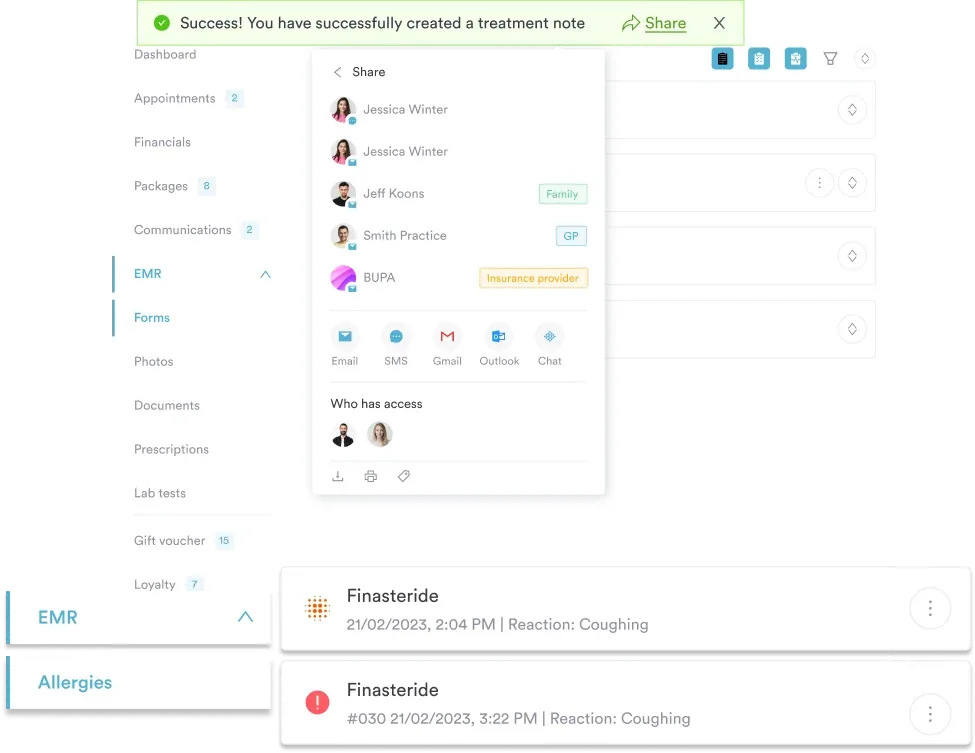

Digital treatment forms, automatic aftercare messages, and a full session history on every patient record. Everything a course of laser treatment needs, in one place.

This template earns its keep across a whole course, rather than in any single appointment. Six months in, the record of what fluence you used and how the skin answered is what keeps session seven safe.
So adapt it once to your own protocols, then hold every practitioner to the same version. The payoff shows up on the day a patient reports a reaction, or a licensing officer asks how you assess suitability.
Book a demo to see how Pabau files the completed template on the patient record and sends the aftercare instructions for you.

Running a second laser platform? ClearSilk consent form and clinical guide covers screening and protocol documentation for a 1064nm treatment.
Offering hair reduction without a laser? Epilfree consultation form gives you the consent and screening wording for that treatment.
Need another aftercare sheet? HIFU aftercare guide shows how the same post-treatment structure works for an energy-based facial treatment.
Writing aftercare for cryotherapy too? Cryotherapy aftercare template sets out wound care and warning signs you can adapt for laser burns.
Need a documentation form for another laser treatment? CoolPeel laser template guides practitioners through consent, contraindication screening, risk disclosure, and post-treatment care for CO2 resurfacing.
It is a clinical record covering patient assessment, informed consent, laser parameters, and aftercare for one course of GentleLase treatment. Using the same form every session keeps documentation consistent across practitioners.
Most patients need 6 to 10 sessions spaced 4 to 8 weeks apart. The number depends on hair color, hair density, skin type, and the area being treated. Dark, coarse hair responds fastest.
The 755nm alexandrite wavelength is indicated for Fitzpatrick types I to IV. Types III and IV carry a higher risk of post-inflammatory hyperpigmentation, so they need lower fluence, longer pulses, and careful cooling. Types V and VI are better served by a 1064nm Nd:YAG device.
Treatment is postponed or declined for an active skin infection or herpes lesion in the area. The same applies to current or recent isotretinoin use, pregnancy, a history of keloid scarring, and photosensitive seizure disorders.
It sprays cryogen onto the skin just before and during the laser pulse. That cools the epidermis while the follicle underneath still absorbs heat. The result is less pain, less redness, and a lower risk of blistering.
No. The GentleMAX Pro adds a 1064nm Nd:YAG wavelength with different parameter ranges and wider skin type coverage. Use a template built for that device, and check your model before applying any settings.