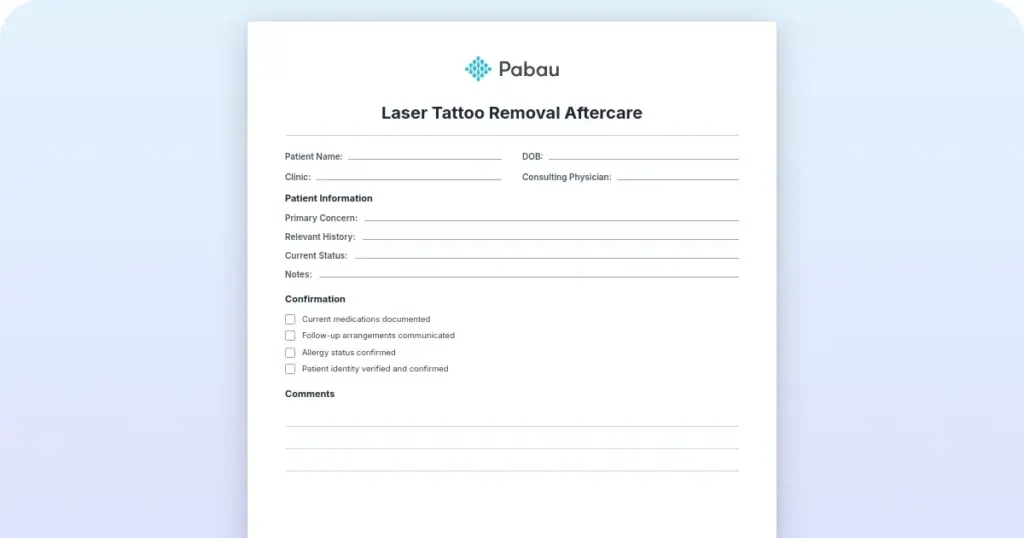
Laser tattoo removal aftercare instructions template
Download your free laser tattoo removal aftercare instructions template A ready-...

24
Last Updated: Sep 4, 2026

The Harmony XL Pro is an Alma Lasers platform that combines IPL, Nd:YAG, Er:YAG, and fractional handpieces in one console.
Around 20 handpieces cover 65+ cleared indications, so a record naming only the platform tells the next clinician very little.
Screen every patient against absolute and relative contraindications, then file that screening alongside the signed consent form.
Logging fluence, pulse duration, spot size, and cooling for each pass is what makes the next session reproducible.
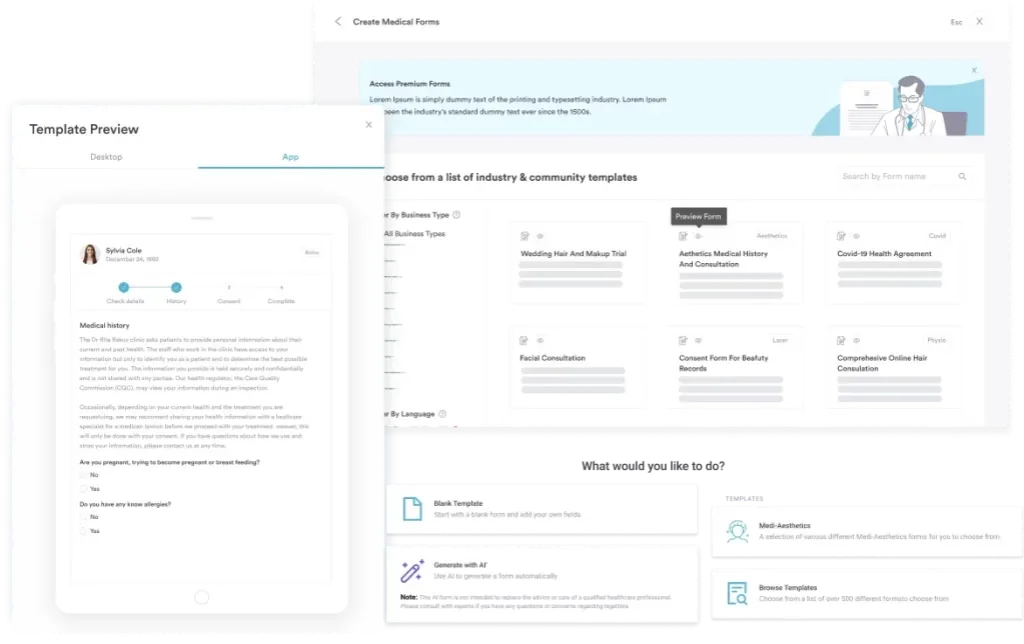
Digital forms in practice management software like Pabau capture consent, settings, and signatures straight into the client record.
Inside you get patient and skin-type fields, a contraindication screen, and space to log the handpiece and settings for every pass. It closes with an aftercare checklist and a consent declaration with a signature block.
Download templateLaser practice documentation for the Harmony XL Pro takes more than a generic consent form. Before moving these records into software, compare charting and HIPAA compliance across eight platforms in our ranking of the best med spa software. One console holds roughly 20 handpieces, and between them they cover 65+ indications, several energy technologies, and every Fitzpatrick skin type.
That makes a note reading “Harmony XL Pro treatment” close to useless six weeks later. The record has to name the handpiece, the settings, and the skin type they were chosen for. Everything below is built around that one habit.
The Harmony XL Pro by Alma Lasers is a multi-application aesthetic laser platform built for practices offering a range of skin treatments. It combines four core technology types in one console: intense pulsed light (IPL), Nd:YAG 1064nm, Er:YAG 2940nm, and fractional laser.
Each technology arrives as one or more handpieces, tuned for different indications, skin types, and clinical goals. Practitioners pick the handpiece from the treatment goal and the patient’s skin type, which is exactly what the record needs to capture.
So “Harmony XL Pro, Nd:YAG 1064nm, 18mm spot, 40J/cm², single pass” is a usable entry. Digital treatment forms speed this up by pre-loading handpiece lists, energy ranges, and skin-type defaults.
Knowing which handpiece was used is the cornerstone of a reproducible treatment. The template breaks the platform down into its main technologies and their typical work:
Every handpiece carries its own fluence, pulse duration, spot size, and cooling settings. All four belong in the record, per patient and per skin type, and the settings table further down is there to guide the choice.
The platform addresses several clinical indications. The template pre-lists them so your team can confirm which treatment the form covers:
The template runs as a five-step workflow that staff complete before, during, and after each session:
Patient record management software like Pabau can pre-load these steps with the handpiece list and its settings ranges. Staff type less, and the same fields get filled in every session.
The table below summarizes typical settings by indication and Fitzpatrick skin type. Treat these as reference ranges only. The treating clinician consults the manufacturer’s instructions for use and their own device training before changing any parameter.
Always verify current settings against the Alma Lasers instructions for use or your device training. Skin type, prior sun exposure, and the Fitzpatrick classification all decide what energy is safe.
Screening happens before every session, not only the first one. Absolute contraindications stop the treatment. Relative ones call for clinical judgment and a documented conversation with the patient.
Informed consent is both a legal and a clinical cornerstone. The consent section of the template walks the patient through six things:
The form closes with a declaration that the patient received verbal and written information and had a chance to ask questions. A signature block with the date and the practitioner’s name makes the record defensible.
Compliance management software with e-signature captures that consent, timestamps it, and stores it against the client record. Nobody has to scan a signed page and hope it lands in the right folder.
Patients need written aftercare to protect the result and avoid complications. The template includes a printable handout covering:
Record which version of the aftercare sheet the patient received. When a question comes in three days later, whoever picks up the phone can see exactly what the patient was told.
When you document Harmony XL Pro settings, note the practitioner’s name, the treatment date, and the specific handpiece used. That gives you an audit trail for quality assurance, and it shows which settings produce the best outcomes for your patient population.
Skin and laser practices mostly run this on paper. The consent form is printed and signed at reception, the settings go on a card, and someone scans both into a folder later. Anything missed at the console is missed for good.
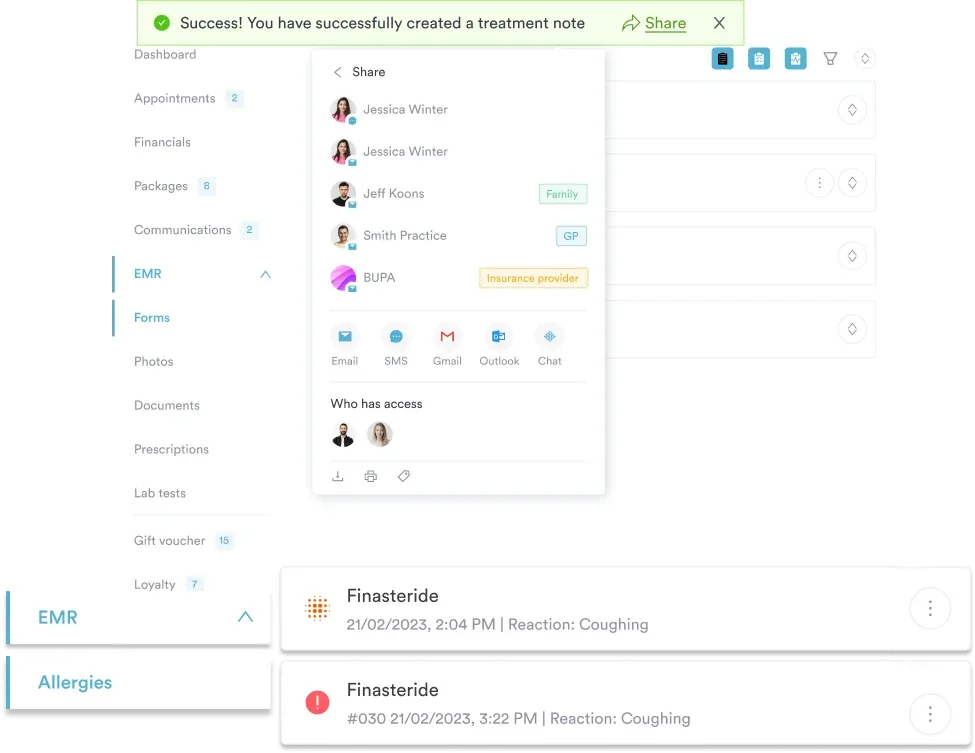
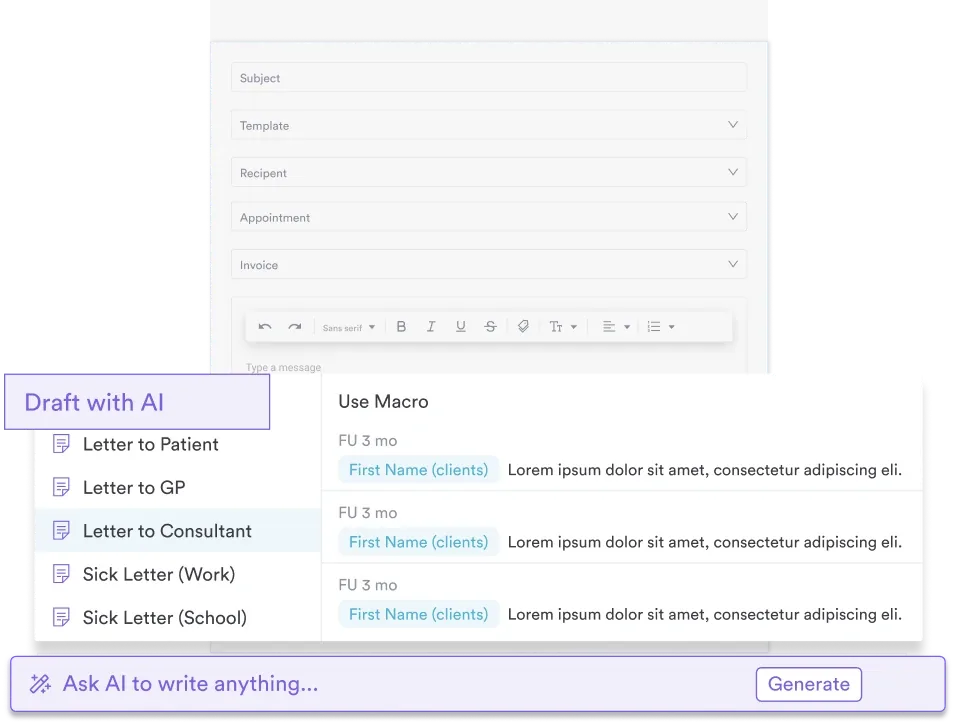
Practice management software like Pabau replaces that with forms built around the device. Handpiece lists and energy ranges sit in the form itself, so staff select settings rather than recall them. AI clinical documentation then writes the treatment note from the session, and it lands in the client record. Software built for med spas keeps the clinical record and the appointment history against one client.
Automated workflows send the aftercare sheet by text or email the moment the note is signed. Skin With Bea Esthetics moved consent onto that footing, so forms now arrive before the appointment instead of at the front desk.
The outcome is a record you can search. Pull up a client from eight months ago and the handpiece, the fluence, and the signed consent are all in one place. That is what an audit or a repeat session needs.

Pabau’s digital consent forms and treatment records hold the handpiece, the settings, and the signature against the client file. Aftercare goes out automatically once the note is signed.

The Harmony XL Pro’s versatility across 65+ indications is also its documentation problem. Two patients treated on the same console can leave with completely different energy, spot size, and cooling behind them.
So decide now which fields every practitioner fills in, every time, and hold that line. The payoff arrives at the second session, when someone can repeat a result instead of guessing at it.
Paper can hold that standard, as long as nobody skips a box and nothing goes missing on the way to the filing cabinet. Book a demo to see how Pabau keeps consent, settings, and aftercare in one client record.

Curious what a laser hair removal practice can earn? laser hair removal income guide looks at what actually drives monthly income, from daily session volume to pricing decisions.
Taking before-and-after photos? Before-and-after photo consent explains what your permission form has to say before you publish a result.
Sending patients home after a session? Laser hair removal aftercare gives you a handout you can issue at the door.
Need a consent form for tattoo removal? laser tattoo removal consent form documents informed agreement, covering risks, contraindications, expected outcomes, and aftercare instructions before treatment.
Need a consent form for laser hair removal? laser hair removal consent form establishes clear communication on procedure risks, expected outcomes, and post-treatment responsibilities before treatment begins.
The Harmony XL Pro is an aesthetic laser platform used for hair removal, acne, pigmentation, vascular lesions, skin rejuvenation, and tattoo removal. It combines IPL, Nd:YAG, Er:YAG, and fractional laser technologies in one console.
Absolute contraindications include pregnancy, active skin infection, isotretinoin use within six months, and active malignancy in the area. Relative ones include recent sun exposure, photosensitizing medications, and Fitzpatrick types V-VI with certain handpieces. Always check the manufacturer’s instructions for use.
Session length depends on the area and the indication, and usually runs from 15 to 60 minutes. Smaller areas such as the face take 15 to 30 minutes, while a full leg can take 45 to 60 minutes.
Patients avoid sun exposure and use SPF 30+ for two to four weeks. They also skip hot water and hard cleansing for 48 hours, makeup and retinoids for 24 hours, and intense exercise for 48 hours. Redness usually settles within hours to days, and mild swelling within 48 hours.