Nutrition intake form
A nutrition intake form is a structured questionnaire that records a patientR...

2
Last Updated: Oct 22, 2026

An endocrine review of systems is a structured screening tool asking about symptoms across thyroid, adrenal, metabolic, and hormonal function.
The one-page form covers patient details, present or absent checkboxes for cold intolerance, heat intolerance, polyuria, polydipsia and polyphagia, plus notes.
A fuller endocrine history also asks about weight change, fatigue, sweating, thyroid signs, hair and skin changes, mood, and sexual function.
ROS no longer sets the E/M level by itself, but it still evidences medical necessity and supports audit defense.
Practice management software like Pabau can hold the checklist in your intake form and pull answers into the note.
A one-page screening form with present or absent checkboxes for cold intolerance, heat intolerance, polyuria, polydipsia and polyphagia. It also carries fields for patient details, relevant medical history, the referring physician, and a summary notes box.
Download templateAn endocrine review of systems is a systematic inquiry into a patient’s symptoms across the glands and hormonal pathways. Clinicians use it to screen for thyroid dysfunction, metabolic disorders, adrenal insufficiency, and hormonal imbalance before deeper evaluation or treatment. Recording what you asked and what the patient said evidences medical necessity under CMS rules.
The form itself is deliberately short. It screens the five symptoms that most often open an endocrine work-up. A summary box catches anything else the history turns up. The guide below covers the wider question set, the note wording, and where ROS still matters for coding.
A review of systems (ROS) is a component of patient history-taking that queries symptoms across multiple organ systems. The endocrine ROS focuses on the glands and hormonal systems: thyroid, adrenal glands, pancreas, pituitary, and metabolic function.
It sits within the CMS-recognized framework of 14 body systems. Those are Constitutional, Eyes, ENT, Cardiovascular, Respiratory, GI, Genitourinary, Musculoskeletal, Integumentary, Neurological, Psychiatric, Endocrine, Hematologic/Lymphatic, and Allergic/Immunologic.
Endocrine ROS is most commonly used by primary care physicians, functional medicine practitioners, internists, and endocrinologists. It flags hypothyroidism, hyperthyroidism, diabetes, metabolic syndrome, adrenal insufficiency, and hormonal imbalance before examination or lab testing. Practices that see this symptom pattern often decide whether a weight loss clinic fits as an add-on or a standalone build.
According to AAPC medical coding standards, the ROS is the patient’s own account of symptoms. You record your examination findings separately.
For functional medicine practitioners, endocrine ROS is especially useful because metabolic and hormonal dysfunction underpins many chronic conditions. The digital intake forms used in modern EHR systems make endocrine ROS documentation faster and more consistent.
Clinicians ask about symptoms in each major endocrine category. The list below is the full history rather than the contents of the download. The form covers five of these items and leaves the rest for its notes box.
These questions screen for the most common endocrine presentations. Positive responses prompt follow-up questions specific to the suspected condition. Negative responses are documented as “Denies [symptom]” or “Patient denies [symptom].” A positive weight-gain response often leads clinicians to suggest a tailored weight loss workout plan alongside dietary changes.
Polydipsia, polyuria and polyphagia are the classic triad of untreated hyperglycemia. Excess glucose pulls water into the urine, and thirst follows the fluid loss. Hunger rises because the cells are not using the glucose they need. Asking all three together is more informative than asking about thirst alone.
Temperature intolerance points somewhere else, toward the thyroid axis. That is why the form pairs the three P’s with heat and cold intolerance. Those five checkboxes cover the two most common reasons an endocrine screen turns positive.
Comprehensive patient records then let you read those answers alongside lab results and medications.

Clinical language matters for patient safety and for billing compliance. The examples below are model note language that you write into the record. The downloadable form does not supply this wording. It leaves a free-text summary box for it instead.
Notice the pattern. Documented symptoms are specific rather than vague, tied to a timeframe, and linked to potential clinical significance. That cuts documentation time and keeps the wording consistent between clinicians.
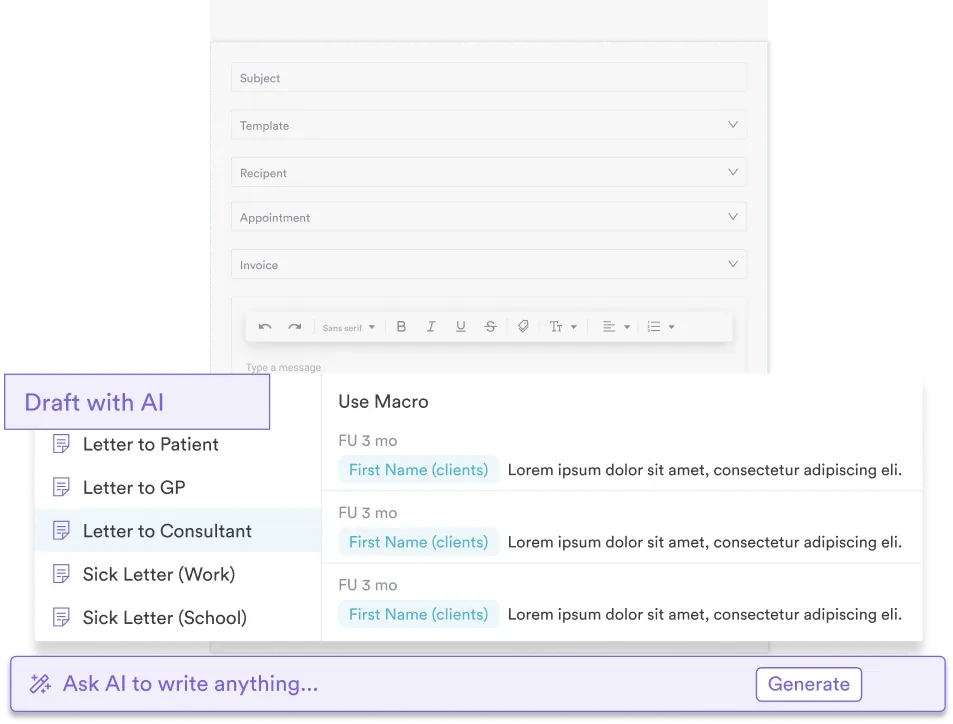
Digital forms sit at the center of practice management software, feeding records, billing, and follow-ups from one entry.
Under the 1995 and 1997 CMS guidelines, ROS counts fed directly into E/M level selection. An extended ROS of two to nine systems met the detailed history that 99214 required. Only a complete ROS, covering at least 10 of the 14 systems, reached the comprehensive history behind 99215.
The 2021 AMA E/M revision ended that arithmetic. Office visit levels now rest on medical decision-making or total time. The number of systems you document no longer sets the level.
Complete ROS documentation still earns its place, for four reasons:
The downloadable form carries no coding guidance of its own, so keep this section as the reference alongside it.
Embedding the endocrine ROS into your daily EHR workflow ensures consistent screening and faster documentation. Here are five practical steps:
A structured workflow means the same questions get asked at every visit, and the answers land in the note without retyping. Those answers form part of the medical record.
Pabau, practice management software for medical and aesthetic practices, connects endocrine ROS screening to intake and clinical notes. You can build the five form items and any wider questions into your own intake form. The answers then flow into the clinical note in one click, so nobody retypes a checklist.
Templates for metabolic health, functional medicine, and primary care give you a working endocrine ROS instead of a blank field. Digital forms capture the patient’s answers before the visit starts, and templated note sections keep the wording consistent between clinicians. Patients flagged for metabolic syndrome often need a structured weight loss meal plan alongside routine endocrine screening.
Because the patient record holds ROS history next to labs, prescriptions and prior visits, a repeat positive is easy to spot. That link between the screen and the record is what turns a checkbox into a follow-up someone acts on.

Pabau’s intake forms collect endocrine ROS answers before the visit, then drop them into the clinical note. Your team stops retyping checklists.

A one-page endocrine screen earns its place because it is short enough to finish at every visit. Use the form for the five symptoms that most often open a work-up. Turn to the wider question list when a positive answer needs chasing. Write each finding into the note with the symptom, the duration, and the severity.
The trade-off is that a five-item form will miss a quiet thyroid or a slow weight gain. Pair it with patient care management that carries symptoms forward between visits.
Book a demo to see how Pabau moves endocrine ROS answers from intake straight into the clinical note.

Reviewing GI symptoms alongside endocrine complaints? diverticulitis diet meal log lets patients log meals and symptoms for seven days to share with their provider.
Sending home practical food guidance too? food safety handout gives patients roasting temperatures, storage guidelines, and a power-outage food safety checklist.
Need a general starting point for new patients? healthy meal plan template gives patients a seven-day plan with serving counts, a grocery list, and healthy swaps.
Managing a patient’s blood sugar through diet? high protein low carb diet plan gives patients a 7-day plan with macro targets, a sample day, and a grocery list.
An endocrine review of systems is a systematic questionnaire asking patients about symptoms of hormonal and glandular function. It covers polydipsia, polyuria, polyphagia, weight change, fatigue, heat or cold intolerance, sweating, and thyroid, hair or skin changes. It screens for thyroid dysfunction, metabolic disorders, adrenal insufficiency, and hormonal imbalance.
There is no fixed minimum. Standard practice covers eight to ten endocrine symptom areas, from thirst, urination and appetite to weight, energy, temperature tolerance, sweating, mood, and sexual function. Under the older CMS rules, a complete ROS meant at least 10 of the 14 body systems, not 10 questions inside one system.
Under the 2021 AMA E/M guidelines, ROS no longer determines the E/M level for office visits. Coding rests on medical decision-making or total visit time instead. Complete ROS documentation still matters for demonstrating medical necessity, supporting audit defense, and keeping continuity of care.
Use specific, timebound language. A negative screen reads “Denies cold intolerance, heat intolerance, polyuria, polydipsia, or polyphagia.” A positive one names the symptom, duration, and severity, such as “Reports 8 lb weight gain over 3 months with persistent afternoon fatigue.” Link findings to relevant labs or prior visits for clinical context.