GLP-1 diet plan
A GLP-1 diet plan is a structured eating framework for patients taking semagluti...

2
Last Updated: Oct 13, 2026

A diverticulitis diet plan guides patients through three distinct phases: acute clear-liquid rest, low-fiber recovery, and high-fiber prevention for long-term colon health.
The clear-liquid phase lasts 3-5 days during acute flares; low-fiber phase spans 4-7 days; high-fiber phase (25-38g daily) is maintained long-term to prevent future flares.
Foods commonly limited during acute recovery include whole grains, red meat, high-fat dairy, and spicy foods; nuts, seeds, corn, and popcorn don’t need to be avoided long-term — that’s outdated advice current AGA guidance no longer supports.
Practice management software like Pabau offers digital forms and a patient portal that help practices educate patients on phase progression and track dietary compliance for improved outcomes.
A printable 7-day meal-log template. Patients fill in breakfast, lunch, dinner, snacks, and notes for each day, then share it with their provider to review tolerance and symptoms.
Download templateA diverticulitis diet plan is a structured, phased approach to managing acute flare-ups and preventing future episodes through carefully timed dietary modifications. Most patients progress through three phases: acute bowel rest with clear liquids (Phase 1), low-fiber recovery foods (Phase 2), and gradual return to high-fiber long-term prevention (Phase 3).
Understanding which foods support each phase is critical for clinicians counseling patients on symptom management and lasting colon health.
A diverticulitis diet plan manages inflammation by reducing stool volume and bowel movement frequency during acute episodes, then progressively reintroduces fiber to prevent future flares. For functional medicine practitioners and clinicians, this phased approach allows patients to return to normal eating while supporting long-term digestive health.
High-fiber eating is commonly recommended to help lower the risk of future flares, though high-quality evidence specific to preventing recurrence (as opposed to a first episode) is still limited.
Diverticulitis develops when small pouches (diverticula) in the colon become inflamed or infected. The diet’s goal is not to treat the infection itself, which requires medical management, but to support the healing process and prevent future flares through evidence-based nutritional adjustments.
Diverticulosis is the presence of small pouches in the colon without inflammation or symptoms. Diverticulitis is the acute condition: the pouches become inflamed or infected, causing abdominal pain, fever, and altered bowel habits. Many patients with diverticulosis never develop diverticulitis; dietary fiber intake is the primary modifiable risk factor that determines progression.
A patient portal for education helps clinicians clarify this distinction. Patients often panic thinking diverticulosis will inevitably progress, when consistent high-fiber intake may help lower flare risk.
The diverticulitis diet plan follows a predictable progression grounded in clinical evidence. Each phase lasts a specific duration and has distinct allowed and restricted foods. Patients advance based on symptom improvement, not a fixed calendar.
This shift from acute symptom management to long-term dietary protection is a framework practices should reinforce in patient consultations.
The acute phase calls for clear liquids only: broths (chicken or vegetable, no solids), clear juices (apple or white grape, no pulp), black coffee or tea, sports drinks, and water. Ice pops and gelatin (avoid red/purple dyes) are allowed.
Duration: 3-5 days, depending on symptom severity and clinical guidance. Advance to Phase 2 when pain subsides, bowel movements normalize slightly, and appetite returns, not automatically after a set number of days.
Clinical rationale: clear liquids minimize stool volume and allow the inflamed colon to rest without stimulating further contractions or irritation. Hydration is critical: aim for 8-10 glasses of fluid daily to prevent dehydration during this restrictive phase.
As acute symptoms improve, introduce low-fiber solid foods: white bread (not whole grain), plain pasta, white rice, skinless chicken or turkey, eggs, low-fat dairy, canned fruits without skins, and well-cooked vegetables without seeds or skins.
Sample low-fiber day:
Duration: 4-7 days. Advance when the patient tolerates solid foods without pain or bloating and bowel movements are regular. This phase reintroduces nutrition while keeping the colon calm.
Once recovery is complete, gradually reintroduce high-fiber foods over 1-2 weeks: oatmeal, whole-grain bread, brown rice, fresh fruits (with skins), raw vegetables, beans, lentils, and nuts. Target 25-38g of dietary fiber daily, the generally recommended adult intake. Higher fiber intake is commonly recommended to help lower flare risk, though no specific dose is proven to prevent recurrence and supporting evidence remains limited. Software for weight loss practices links the review schedule to the measurement history.
Progression strategy: Add one high-fiber food every 2-3 days and monitor for any cramping or bloating. Slow reintroduction allows the colon to adapt and helps identify individual triggers. This wellness clinic software can track patient tolerance notes and fiber targets across follow-up appointments.
Adequate water intake (2-3 liters daily) must accompany fiber increases to prevent constipation and gas. Emphasize consistency: fiber intake must remain high indefinitely to sustain flare prevention.
During an acute flare, restriction is mainly about reducing overall fiber bulk to let the bowel rest, not about avoiding specific particulate foods. The items below are the ones most consistently limited during acute recovery (Phases 1-2):
A note on the “avoid nuts, seeds, corn, and popcorn” myth: patients are often still told to avoid nuts, seeds, corn, and popcorn indefinitely, based on the old idea that small particles could lodge in the diverticula and trigger a flare.
Current American Gastroenterological Association (AGA) guidance recommends against this blanket restriction: cohort evidence shows no increased flare risk from these foods, and some studies even show a lower risk with regular nut consumption. As covered in Phase 3 above, these foods can be reintroduced as tolerated rather than avoided long-term.
Some supplements can aggravate symptoms during acute flares and early recovery. Fish oil, iron supplements, and high-dose vitamin C may increase gas, bloating, or bowel irritation. Probiotics are often recommended for gut health but lack strong clinical evidence in diverticulitis prevention, so mention them cautiously and defer to the patient’s physician.
Encourage patients to discuss all supplements with their healthcare provider before resuming them during Phase 3. Many patients tolerate fish oil and iron well in the prevention phase; a phased reintroduction approach mirrors the food plan.
Recovery is not automatic; symptom-based progression ensures the colon is truly healing. Patients should advance to the next phase when ALL of these criteria are met:
Use automated patient follow-up workflows to check in at 3-day and 7-day marks, asking about these specific symptoms.
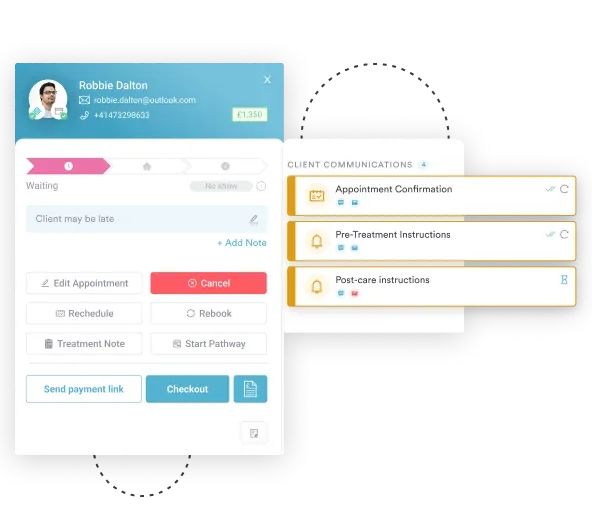
Patients should seek medical attention if fever persists or worsens, abdominal pain becomes severe or localized, vomiting occurs, bowel movements stop for more than 3 days, blood appears in stool, or they cannot tolerate any foods after 5 days. These signs indicate the flare is not resolving with diet alone and requires clinical intervention.
A well-structured diverticulitis diet plan reduces unnecessary ER visits by giving patients confidence they are progressing correctly.
Practices should also schedule a follow-up appointment 1-2 weeks after initial diagnosis to ensure full recovery and discuss the Phase 3 transition plan before the patient advances on their own.

Pabau’s digital forms and patient portal make it easy to educate patients on phase progression, track dietary compliance, and schedule follow-up appointments. Improve patient outcomes with structured care workflows.

A structured diverticulitis diet plan that guides patients through clear-liquid rest, low-fiber recovery, and long-term high-fiber prevention is the foundation of effective symptom management and flare prevention. By educating your patients on phase progression and monitoring their compliance, you reduce unnecessary ER visits and empower them to take control of their gut health.
Practices that use digital intake forms and AI-powered clinical documentation to track dietary progress and symptoms see stronger patient engagement and better long-term outcomes. Download the printable meal-log template above to help your patients track intake through recovery, and schedule a demo to see how Pabau can streamline patient education and care tracking.

Counseling patients on other structured diets? The high protein diet plan template uses the same printable tracking format for muscle-building or post-op protein goals.
Need a lower-restriction option for maintenance patients? The clean eating meal plan template covers balanced everyday eating without a medical restriction phase.
Working with male patients on weight or nutrition goals? The diet plan for men template adapts the same tracker for those programs.
A diverticulitis diet plan is a three-phase nutritional approach: clear liquids (Phase 1) to rest the bowel during acute flares, low-fiber foods (Phase 2) during recovery, and high-fiber foods (Phase 3) for long-term prevention. Advancing through phases is based on symptom improvement, not a fixed calendar.
Yes. Eggs are allowed in Phase 2 (low-fiber recovery) and beyond. They are gentle on the digestive tract, protein-rich, and do not trigger inflammation in most patients. Prepare them boiled, scrambled, or poached. Avoid fried eggs in early recovery.
In Phase 1, only clear broths (chicken or vegetable, no solids). In Phase 2, add creamy soups made with low-fiber vegetables (carrots, celery) and low-fat dairy. Avoid high-fiber bean or lentil soups until Phase 3. Always ensure soups are not too spicy or fatty.
Phase 1 lasts 3-5 days, Phase 2 lasts 4-7 days, and Phase 3 (high-fiber prevention) is maintained indefinitely. The transition speed depends on symptom resolution. Complete dietary recovery typically takes 2-3 weeks from the start of the flare.
You are back to a “normal” diet when you reach Phase 3 and can tolerate all foods without symptoms. This typically occurs 2-3 weeks after flare onset. However, “normal” now means consistently including 25-38g of fiber daily to prevent future flares, so the diet never truly returns to pre-flare habits if flare prevention is the goal.
Diverticulosis is the presence of small pouches (diverticula) in the colon without inflammation or symptoms, often found incidentally on imaging. Diverticulitis is the acute inflammatory condition in which those pouches become infected or inflamed, causing pain, fever, and altered bowel movements. Not all diverticulosis progresses to diverticulitis; a high-fiber diet may help lower the risk.