GLP-1 diet plan
A GLP-1 diet plan is a structured eating framework for patients taking semagluti...

2
Last Updated: Oct 13, 2026

A cirrhosis nursing care plan uses NANDA-I diagnoses to address fluid overload, encephalopathy, bleeding risk, and nutritional deficiency in end-stage liver disease.
Priority diagnoses include excess fluid volume, hepatic encephalopathy, risk for bleeding, and imbalanced nutrition. Each one carries its own interventions and measurable short-term goals.
Daily girth, weight, neurological, and PT/INR checks drive every change to lactulose, spironolactone, and propranolol dosing. Education covers sodium limits and emergency warning signs.
The downloadable form covers one nursing diagnosis per copy and includes a Day 1 to 7 grid for recording each response to intervention.
Practice management software like Pabau stores completed care plans in the patient record, so every shift works from the same current plan.
A form for documenting a single cirrhosis nursing diagnosis. Fields cover patient details, assessment data, nutritional status, dietary modification, fluid balance, medications, and expected outcomes. A Day 1 to 7 grid follows, so you can record the response to each intervention across the week.
Download templateA cirrhosis nursing care plan is a clinical document that guides assessment, diagnosis, goal-setting, and intervention for patients with advanced liver disease. Nursing teams use it to manage the complications that decompensate fastest. Those are ascites, hepatic encephalopathy, variceal bleeding, and malnutrition.
This guide sets out the eight priority NANDA-I diagnoses for cirrhosis, the interventions behind each, and the goals that show whether they work. The download is a single-diagnosis form with a seven-day tracking grid, so you complete one copy per active diagnosis.
Cirrhosis is a late-stage liver disease in which healthy hepatic tissue is progressively replaced by fibrous scar tissue. That scarring impairs liver function and raises portal pressure. The chart usually carries it as K74.60 when no cause is documented.
A nursing care plan turns the medical diagnosis into a structured approach to assessment, intervention, and evaluation using the NANDA-I taxonomy. The plan serves three purposes.
A thorough assessment underpins every care plan. Nurses collect subjective data such as fatigue onset, confusion, pruritus, and nausea. Objective data covers vital signs, abdominal girth, pedal edema, jaundice, asterixis, stool color, and urine output.
NANDA International, known as NANDA-I, provides the standardized taxonomy for nursing diagnoses. The eight priority diagnoses for cirrhosis are written in Problem-Etiology-Signs and Symptoms format. Each one triggers specific clinical documentation best practices and its own measurable outcomes.
Knowing how practice management software works helps you decide which forms to digitize first.
Every intervention below is recorded with its clinical rationale. Interventions are either independent, meaning within nursing scope, or collaborative, meaning they need a physician order.
Short-term goals run over 24 to 72 hours and stay measurable and time-bound. Long-term goals run over two to four weeks and focus on discharge readiness or transition to palliative care. Tie each goal to the Nursing Outcomes Classification where one applies.
Discharge teaching covers alcohol cessation referral, sodium restriction at 2 g per day, and fluid restriction where indicated. Go through the dosing and side effects of lactulose, spironolactone, and propranolol, then set up daily weight monitoring at home. Capture these steps in a written discharge plan so the receiving team has the same instructions on file.
Where metabolic disease drove the scarring, metabolic health practices pick up the weight and glucose plan after discharge. Name that team in the teaching, so the patient knows who reviews the numbers.
Teach the patient and caregiver to recognize decompensation early. These are the warning signs to hand over in writing.
Hematemesis, severe confusion, high fever, or sudden abdominal pain means the emergency department, not the next outpatient appointment. A primary care practice handles everything below that line between hepatology visits.
Provide written information on hepatology follow-up, transplant evaluation for candidates, support groups, and social work resources for home care and financial help. Sharing that material through a system that meets documentation privacy and compliance requirements keeps a record of what the patient was given.
The download covers one nursing diagnosis per copy, so print a sheet for each diagnosis you are actively working. Use the table above to decide which ones apply. A patient with ascites and new confusion needs two sheets rather than one combined plan.
Start with the patient name and date, then write the diagnosis in the free-text field. Record your baseline findings in the assessment data field, including weight, abdominal girth, neurological status, and current labs.
Six prompts follow for nutritional status, dietary modification, fluid balance, medications, expected outcomes, and the care plan itself. Fill each one with patient-specific detail drawn from the interventions above. Related factors and defining characteristics stay in your own assessment notes, since the form does not break them out.
The Day 1 to 7 grid at the foot of the form is the part worth using every shift. Each day has a row for the response to intervention and a row for additional notes. Filled in daily, it shows at a glance whether the diuretic dose or the lactulose target is working.
Review goals every 24 to 72 hours and revise them against the patient response. When a new problem appears, such as fever pointing to spontaneous bacterial peritonitis, open a fresh sheet for that diagnosis. Transcribing completed sheets into a structured patient record keeps the history searchable across admissions.
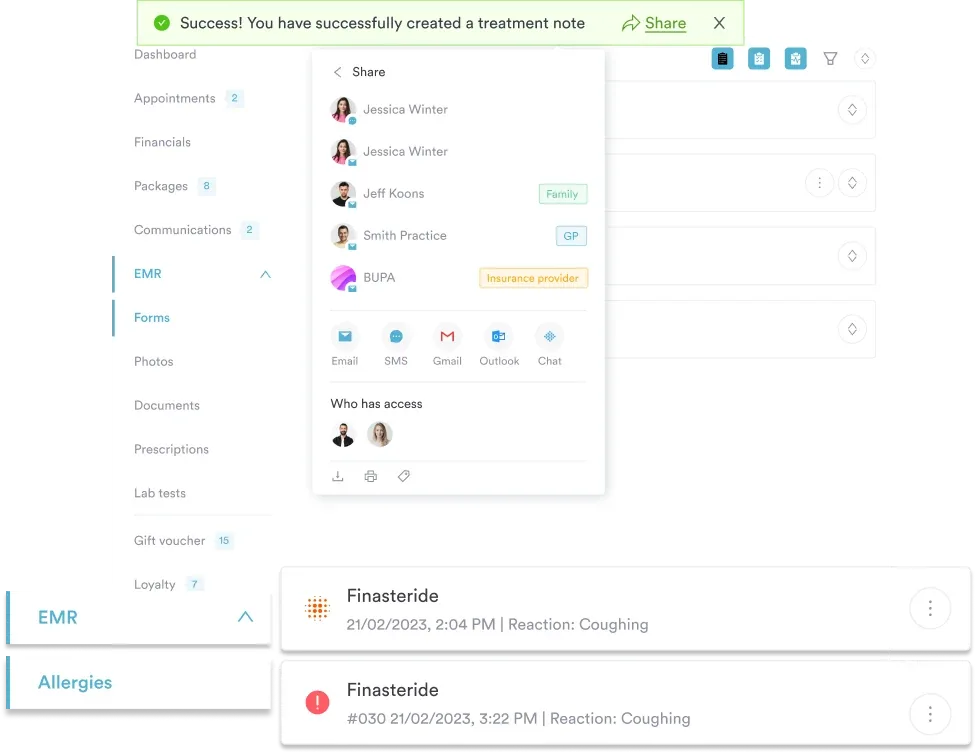
Many nursing teams keep the care plan on paper at the bedside, then re-key the important parts into the record later. The plan and the record drift apart, and the incoming shift has to work out which version is current.
Practice management software like Pabau removes the re-keying. Build the care plan as a structured digital form, and every entry lands straight in the patient record. Each one is timestamped and attributed to the nurse who wrote it.
Automated workflows handle the repeat work around the plan, including the daily weight prompt, the 72-hour goal review, and the dietitian referral. Nothing depends on someone remembering it at handover.
Standardized intake forms and care plan automation keep every team member on the same plan, which cuts variance between shifts. Weekly interdisciplinary rounds with hepatology, nutrition, and social work then move discharge planning forward from one shared version.
The result is one current plan that every team member reads the same way, plus an audit trail showing what was done and when.
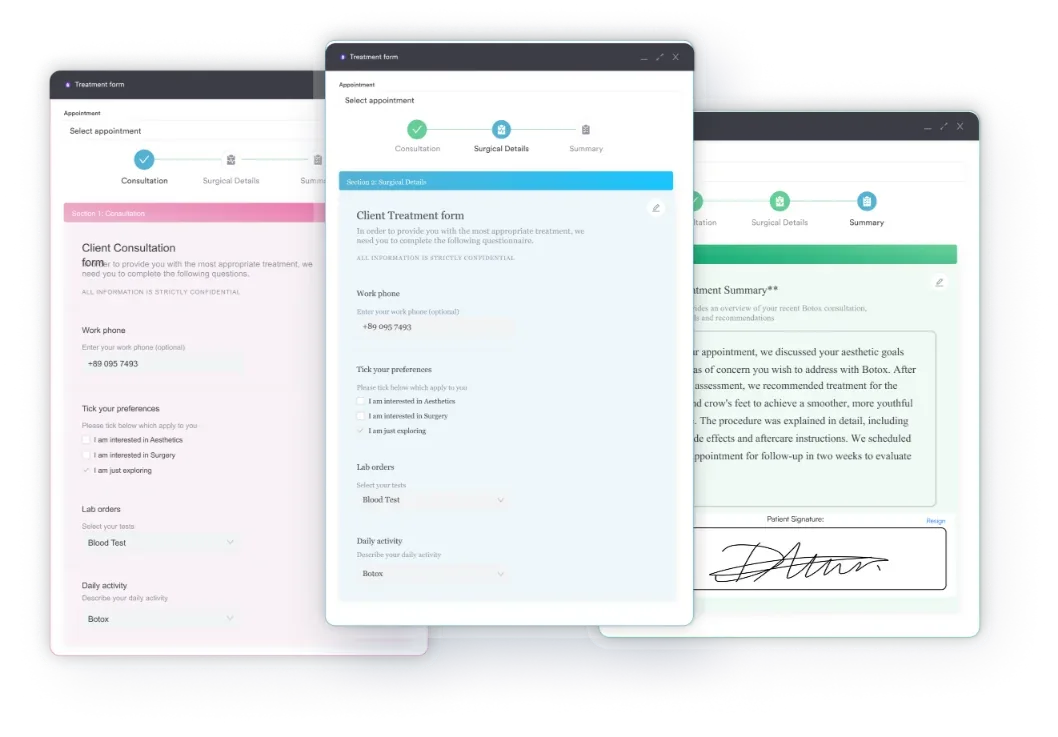

Pabau’s structured digital forms and automated workflows record care plan assessments in the patient’s chart, so nursing teams track progress without duplicating paperwork.

Cirrhosis care is won on the small daily measurements rather than on the care plan document itself. The weight, the girth, the neurological check, and the PT/INR are what tell you whether the plan is still right.
Work one diagnosis at a time and let assessment findings set the priority. A patient with hematemesis needs the bleeding plan first, whatever the ascites is doing. Revisit that order every 24 to 72 hours, because decompensation reshuffles it quickly.
The trade-off worth remembering is documentation time. A paper form at the bedside is fast to fill and slow to share, so the value only lands once it reaches the record. Book a demo to see how Pabau keeps cirrhosis care plans, assessments, and outcomes in one patient record.

Building a plan for a different NANDA diagnosis? Ineffective airway clearance works through assessment, goals, and interventions the same way, with its own free form.
Need a pre-admission summary sheet? Medical needs form collects conditions, medications, and support requirements before an admission or a transfer.
Treating a patient under the age of consent? Medical consent form for minors template covers guardian details, consent statements, and signature lines.
Matching a diagnosis to the right ICD-10 code? Medical diagnosis form explains what belongs in each field and includes a 60-second pre-submit check.
Tracking a patient’s neurological status over time? Neuro checks nursing assessment covers consciousness, GCS, pupils, motor, sensory, and gait findings.
Excess fluid volume (ascites) related to portal hypertension is the most prevalent diagnosis in hospitalized cirrhosis patients and the leading cause of decompensation. Priority still varies per patient. A patient presenting with hematemesis needs the bleeding plan first. One with acute confusion needs hepatic encephalopathy as the priority. Assessment findings determine the nursing diagnosis priority.
Daily weights should be taken at the same time each morning, before meals, in the same clothing, on the same scale. Abdominal girth is measured at the umbilicus daily. Weight gain above 2 kg in 24 hours, or a girth increase above 5 cm, signals inadequate diuresis. The physician then adjusts the dose, adds medication, or considers paracentesis.
Compensated cirrhosis has minimal symptoms, so nursing focuses on prevention through medication compliance, lifestyle modification, and surveillance. Decompensated cirrhosis shows active complications such as ascites, encephalopathy, bleeding, and kidney dysfunction. Priorities shift to intensive monitoring, medication titration, emergency preparedness, and transplant or end-of-life discussion.
Lactulose titrated to two to four soft stools a day reduces ammonia reabsorption. Rifaximin 550 mg twice daily reduces ammonia-producing gut bacteria. Nurses identify precipitating factors (constipation, infection, GI bleed, medication missed dose) and notify the physician. Neurological checks every four hours track West Haven grade. Safety precautions (fall prevention, reorientation) protect the patient from confusion-related injury.