

HCPCS code E0198: Water pressure pad billing guide
HCPCS code E0198 is a water pad for a standard mattress HCPCS code E0198 is the ...

Last Updated: Oct 13, 2026
H0028 is the HCPCS Level II code for alcohol and/or drug prevention problem identification and referral service (e.g., student assistance and employee assistance programs), does not include assessment.
The official descriptor names student assistance and employee assistance programs as examples, and it excludes assessment. That exclusion is what separates H0028 from the assessment codes billing teams often reach for by mistake.
State Medicaid programs and their managed care plans are the primary payers. Medicare fee-for-service generally does not cover it. The Centers for Medicare and Medicaid Services (CMS) maintains the descriptor, and state manuals set everything else.
Let Pabau's smart automation suggest the right codes, reduce claim denials, and keep your practice compliant—effortlessly.
Automate repetitive tasks and focus on what matters most—your patients.
Reduce coding errors and ensure compliance with the latest regulations.
Clean claims, fewer denials, and faster reimbursements.
Powerful insights and reporting to help your practice thrive.
HIPAA compliant SOC 2 certified GDPR-compliant Trusted by 4,000+ clinics worldwide

HCPCS code H0028 covers alcohol and/or drug prevention, problem identification, and referral. The official descriptor excludes assessment.
Medicare fee-for-service does not cover H0028. State Medicaid programs and managed care organizations are the primary payers, and rates vary by state.
Incomplete documentation is the most common reason for an H0028 denial, usually the screening tool name or the referral destination.
Practice management software like Pabau tracks each claim, links it to the right insurer, and validates the fields before submission.
H0028 describes three activities delivered in one encounter. A clinician provides prevention education or intervention to someone at risk. They identify an existing alcohol or drug problem through a formal screening process. Then they refer the person to a treatment resource when a problem is confirmed. When a claim on this code comes back unpaid, the denial reason codes on the remittance name the cause.
The code sits in the HCPCS Level II H-series. That range covers mental health and substance use services that CPT codes do not describe well. Community-based prevention work is the typical setting.
The descriptor’s own examples matter for billing. Student assistance programs in schools and employee assistance programs at workplaces are the settings CMS names outright. A prevention specialist running a school-based session is doing exactly what this code was written for.
Eligible provider types depend on the state Medicaid program rather than a single federal standard. Most states recognize the categories below, though credentialing and enrollment requirements vary.
Always check the applicable state Medicaid provider manual before billing. Some states require the billing entity rather than the individual clinician to be enrolled as the rendering provider for H-series codes.
H0028 has a narrow payer footprint. Knowing which payers recognize the code before you submit prevents wasted effort and avoidable write-offs.
Medicaid is where the reimbursement lives. Some SUD prevention programs also serve Medicare beneficiaries, and the temptation is to cross-bill. Check the current status on the CMS fee schedule lookup first.
Unlike CPT codes with nationally published Medicare rates, H0028 reimbursement is set independently by each state Medicaid program. A prevention specialist in one state may be paid substantially differently than a counterpart doing identical work next door.
State rates usually reflect where the service sits in the benefit package. That includes whether it is paid as a stand-alone prevention encounter, bundled with screening, or limited to specific program types.
AAPC is useful for cross-referencing the descriptor, but payment rates only come from your state’s published fee schedule.
Claims for H0028 live or die on documentation. The code bundles three clinical activities, so auditors want evidence that each one happened. Submitting a claim without the referral record, when a problem was identified, is the most common documentation failure.
Pair that with HIPAA-compliant documentation so records are audit-ready before claims go out.
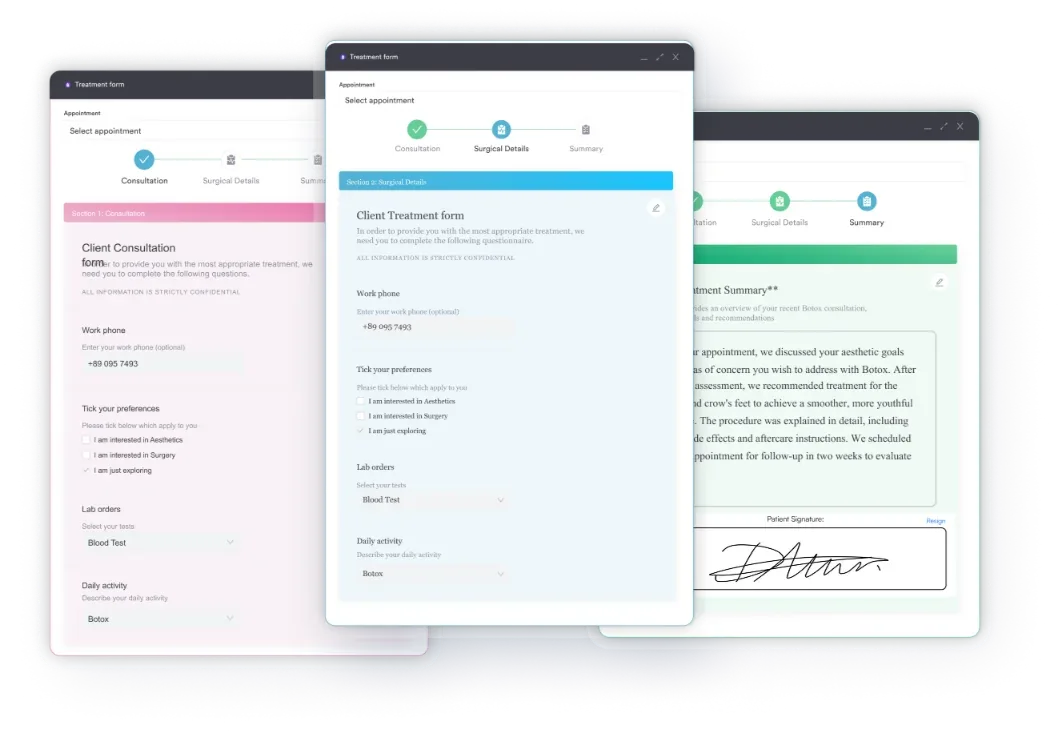
Referral destinations vary by community. A licensed outpatient program. Name the specific resource in the note rather than the category.
Build a documentation checklist into your H0028 workflow. Before the claim leaves your system, check three things. Is the screening tool named, with its score? Is the referral destination recorded, or the rationale for not referring? Do the provider credentials match the enrolled NPI? Those three items account for most H0028 audit findings.
Submitting H0028 follows the standard HCPCS Level II workflow. A few steps specific to behavioral health Medicaid billing are where providers get caught out. Work through this sequence for each claim.
End-to-end claim platforms take manual work out of that sequence. If your team still moves claims between a note-taking tool and a clearinghouse by hand, practice management software is worth a look.
The diagnosis code tells the payer why the service was medically necessary. Pairing H0028 with an unrelated or non-specific diagnosis is a fast route to denial.
Pair the code to the finding the record actually documents. Using Z71.41 when the note describes abuse-level findings is the kind of mismatch payers catch in retrospective audits.
Dependence is a different finding from abuse, and it takes a different code. F10.20 and F11.20 cover dependence rather than the uncomplicated abuse codes above. A dependence-level finding usually points toward an assessment or treatment code instead of H0028.
H0028 denial patterns are consistent across state Medicaid programs. The table below maps the most frequent errors to their causes and fixes.
Run a quarterly H0028 denial analysis against your top five payers. Calculate the denial rate by error type: missing diagnosis, missing documentation, wrong payer. If documentation errors drive more than 20% of denials, add a pre-claim audit step. Fixing the note before submission costs far less time than working the remittance afterward.
H0028 sits in a family of behavioral health HCPCS codes that programs bill alongside it or instead of it. Choosing between adjacent H-codes is where a lot of billing errors start.
Billing H0001 when the service was actually H0028 is one of the most common upcoding triggers in behavioral health. The official H0028 descriptor says it does not include assessment, so an encounter that produced a full clinical assessment is not an H0028 encounter.
The boundary runs the other way too. When a session only shares prevention information and stops short of problem identification or referral, H0024 is the closer match.
For behavioral health organizations billing H0028 at scale, the hard part is documentation rather than coding. The code itself is straightforward. What breaks is inconsistent note-taking across a team of prevention specialists. One clinician records the screening tool name and another does not.
Practice management software like Pabau handles that with structured forms and note templates. Required fields sit in the encounter note itself. The screening tool, the score, and the referral destination all get captured while the clinician is still with the patient.
Claims management software takes the claim from there. Pabau links each claim to the right insurer, validates the fields before it goes out, and tracks it through to payment. Because every claim is tracked, a denial surfaces in the system instead of in a stack of remittances.
For a prevention program, that means fewer resubmissions and less time between the session and the payment. Your billing team spends its week on the claims that need judgment, not on chasing missing note fields.
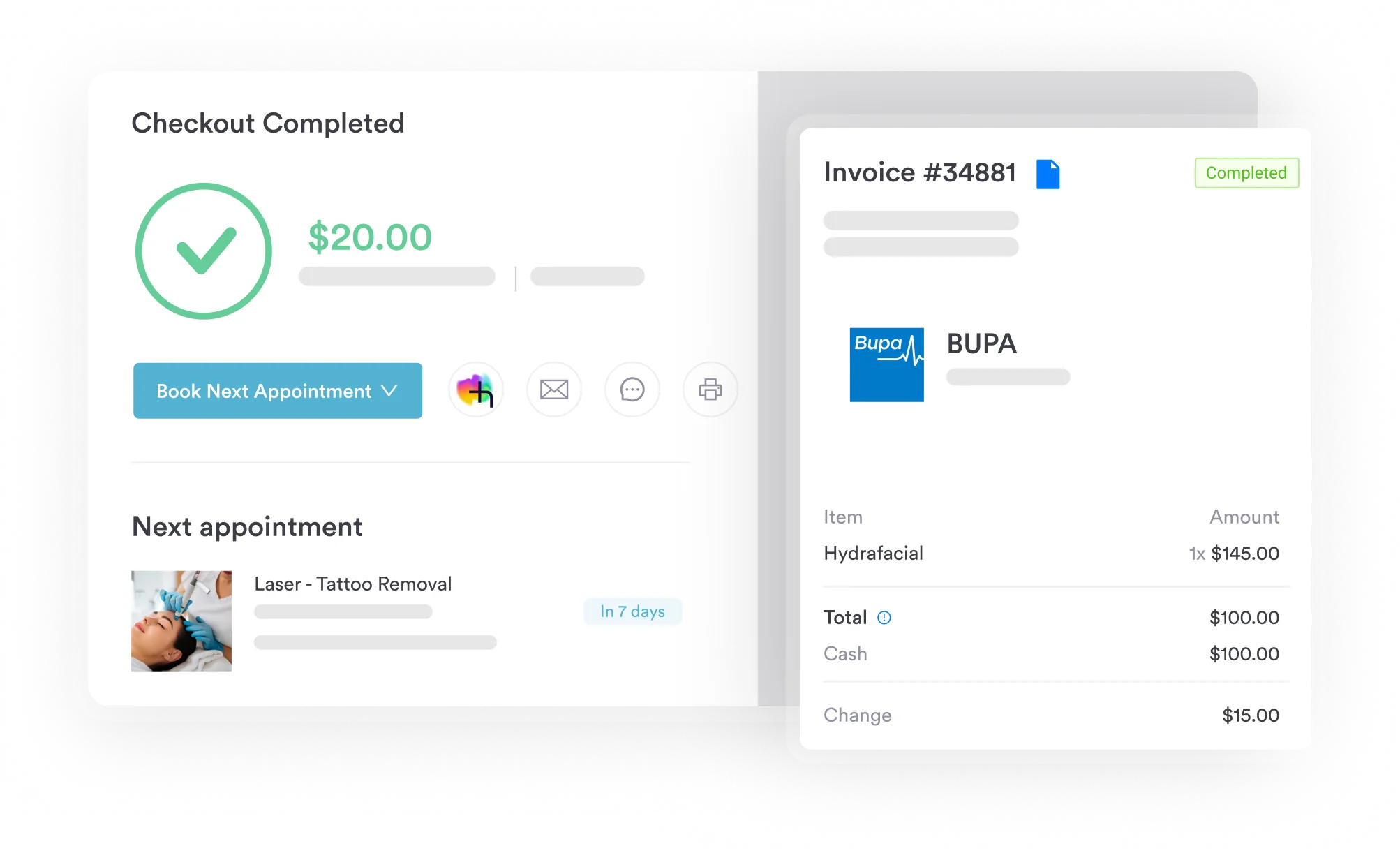

Pabau captures the screening tool and referral destination in the encounter note. Each claim is then linked to the right insurer and validated before it goes out. Fewer resubmissions for your billing team.

H0028 is a small code with a narrow payer footprint, and it rewards precision more than volume. The programs that get paid consistently treat the encounter note as part of the claim itself.
If your denial rate on H0028 sits above 10%, the appeals queue is the wrong place to look. Start with the ten minutes before the note is signed. Decide what your team must record every time, then make the system refuse to move on without it.
Pabau brings the encounter note, the diagnosis code, and the claim into one system, so the record and the claim never drift apart. Book a demo to see how it works for a behavioral health billing team.

Coding a different thyroid condition? ICD-10 code E06.5 covers other chronic thyroiditis that does not fit the autoimmune or drug-induced categories.
Billing the screening rather than the prevention session? H0002 covers behavioral health screening to determine eligibility for admission to a treatment program.
Coding a diabetes complication instead? ICD-10 code E11.621 covers type 2 diabetes with a foot ulcer, a common and costly complication.
Documenting diabetes with high blood sugar? ICD-10 code E11.65 covers type 2 diabetes with hyperglycemia, often confused with nearby complication codes.
Referring a patient into residential care? H0019 covers long-term residential behavioral health services, a common H0028 referral destination.
HCPCS code H0028 covers alcohol and/or drug prevention, problem identification, and referral services. The official descriptor names student assistance and employee assistance programs as examples, and it excludes assessment. Behavioral health organizations and SUD prevention programs bill it, almost always to state Medicaid.
H0028 is generally not covered by Medicare fee-for-service. State Medicaid programs are the primary payers for this code. Some Medicare Advantage plans cover SUD prevention services beyond traditional Medicare, but that has to be verified plan by plan. Never bill H0028 to Medicare without confirming current coverage on the CMS fee schedule.
Eligible billers usually include licensed SUD treatment programs, behavioral health organizations, certified community behavioral health clinics, and certified prevention specialists enrolled in state Medicaid. Individual clinician eligibility depends on state credentialing rules. Check the applicable state Medicaid provider manual before submitting, because eligibility varies a lot by state.
The record needs the screening tool name and version, plus the score obtained. It also needs a narrative of the problem identification findings and the referral destination, or the rationale for not referring. Add provider credentials and NPI, the date and duration of service, a supporting ICD-10 code, and place-of-service information. Missing screening tool names and missing referral destinations are the most common audit findings.
The most frequent errors are a missing ICD-10 diagnosis code and insufficient documentation, usually the screening tool name or the referral record. Billing a non-covered payer such as Medicare or commercial insurance comes next. So does billing when the rendering provider is not enrolled in state Medicaid for H-series codes. Unbundling H0028 with H0001 on the same date of service rounds out the list.
H0028 is a Medicaid-primary code in practice. Medicare fee-for-service does not typically cover it, and most commercial plans use CPT codes for similar services. Some Medicare Advantage and state CHIP programs may cover it. Even so, the large majority of H0028 reimbursement comes through state Medicaid and Medicaid managed care.



