CPT code 93503: Swan-Ganz catheter billing and modifiers
CPT code 93503: Official descriptor and procedure overview In the AMA CPT code s...

Last Updated: Oct 23, 2026
H0035 is the HCPCS Level II code for mental health partial hospitalization, treatment, less than 24 hours.
Let Pabau's smart automation suggest the right codes, reduce claim denials, and keep your practice compliant—effortlessly.
Automate repetitive tasks and focus on what matters most—your patients.
Reduce coding errors and ensure compliance with the latest regulations.
Clean claims, fewer denials, and faster reimbursements.
Powerful insights and reporting to help your practice thrive.
HIPAA compliant SOC 2 certified GDPR-compliant Trusted by 4,000+ clinics worldwide

HCPCS Code H0035 is the HCPCS Level II code for mental health partial hospitalization treatment lasting less than 24 hours per day.
Community mental health centers bill H0035 to Medicaid, and Medicare does not reimburse the code directly.
Commercial plans usually pay a partial hospitalization day under S0201 instead, which Medicare and Medicaid do not recognize.
Every claim needs per-date medical necessity documentation, a current treatment plan, and a progress note for each service day.
Practice management software like Pabau links clinical notes to billing codes, which prevents the documentation errors behind most H0035 denials.
H0035 covers a structured day-treatment model that sits between inpatient psychiatric care and standard outpatient therapy. Patients attend the program for several hours a day and return home at night. CMS maintains the code as part of the HCPCS Level II set.
The “less than 24 hours” qualifier separates H0035 from inpatient psychiatric codes. A single unit represents one day of PHP attendance. Payers set the minimum hours of programming needed to bill that day. Medicare’s own PHP standard is at least 20 hours of therapeutic services a week.
The H-series covers rehabilitative and substance use treatment services. Coders can confirm current descriptors and annual updates through the AAPC HCPCS Level II lookup.
Eligible provider types are narrower than many billers expect. State Medicaid agencies define qualifying facilities in their provider manuals, and not every behavioral health practice qualifies.
Provider eligibility varies by state, so check your facility type against your state Medicaid provider manual before the first claim.
Incomplete documentation is the most common reason H0035 claims are denied or recouped on audit. Each service date must stand on its own record. A treatment plan written at admission does not cover the daily service notes.
Medical necessity is established at admission and re-documented at clinically meaningful intervals through the PHP episode. The admission psychiatric interview is where most of that evidence comes from. Required elements typically include:
Each day billed needs its own clinical record.
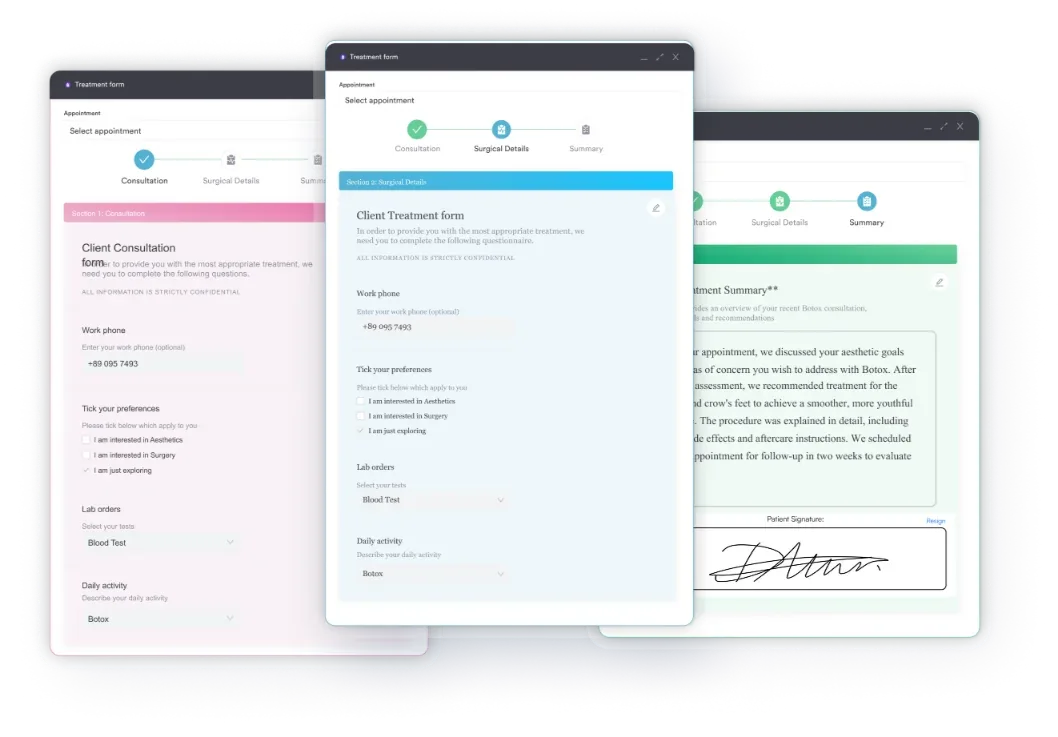
Each service date needs:
For patients with co-occurring substance use, the record should carry those diagnoses too. Multi-diagnosis documentation strengthens medical necessity, and Medicaid auditors expect to see it on PHP claims.
Solid practice management software for medical teams means every miscellaneous code carries the notes a payer will ask for.
Reimbursement for H0035 is set at the state Medicaid level rather than by a national fee schedule. Rates vary widely between states and can differ by provider type and contract terms. The CMS Physician Fee Schedule lookup does not apply to H0035 the way it does to CPT codes. Australian practices bill the equivalent service through MBS item numbers, which carry their own descriptors and eligibility rules.
Always pull current rates from your state Medicaid fee schedule or your MCO contract. Third-party rate tables go stale quickly, and an outdated figure turns every paid claim into a reconciliation task.
Request your state Medicaid agency’s current H0035 fee schedule in writing each January. Rates often change at the start of the fiscal year. Billing against an outdated rate table is one of the more avoidable causes of underpayment work.
Partial hospitalization billing follows a set sequence, and most denials trace back to a step that was rushed. Work through these six for every patient episode.
Programs running PHP billing alongside other service lines lean on behavioral health software to hold the sequence together. It tracks authorization units, flags authorizations about to expire, and links daily notes to pending claims.
H0035 claims draw a consistent pattern of denial reasons. Catching them before submission costs far less than appealing after the fact.
Appeals usually mean sending clinical records to a payer. Follow the HIPAA compliance requirements for medical offices so each release carries only the minimum necessary information.
A partial hospitalization day can land on several different codes, depending on the payer, the facility type, and the program structure. Picking the wrong one is both a compliance risk and a denial trigger.
S9484 gets confused with H0035 because both show up in behavioral health contracts. It pays by the hour for crisis intervention, so it never substitutes for a program day. Bill crisis hours separately when your program delivers them.
Two H-codes sit close to H0035 in daily billing. A substance use disorder intensive outpatient program bills H0015, and using H0035 for those days invites a denial. Assertive community treatment is billed per diem under H0040, which payers deny when it lands on the same date as H0035.
Respite days are a separate benefit with their own code. Programs that provide them bill H0045 rather than adding the day to a PHP claim.
Medicare runs its PHP payments through G0410 and G0411 with PHP revenue codes, and the rules sit in the CMS hospital outpatient payment guidance. A Medicare claim carrying H0035 comes back as non-covered.
Co-occurring ADHD is common in PHP populations, and screening visits usually carry their own CPT codes. Practices running ADHD services alongside a PHP should confirm which of those visits their state Medicaid program pays separately.
Ask every contracted commercial payer in writing which code it wants for a partial hospitalization day. Some accept H0035, while many require S0201 or their own per-diem code. One check at contracting time prevents systematic denials across every claim you send that plan.
PHP billing usually breaks down between the clinical record and the claim. Clinicians write their notes, then billing staff retrieve them by hand to check service dates, authorized units, and attachments. Every manual handoff is a point of failure.
Practice management software like Pabau ties documentation to billing at the point of care. Pabau’s claims management software connects clinical notes to code assignment and claim preparation. Billing staff can see which service dates have complete documentation before they submit, instead of finding out during an audit.
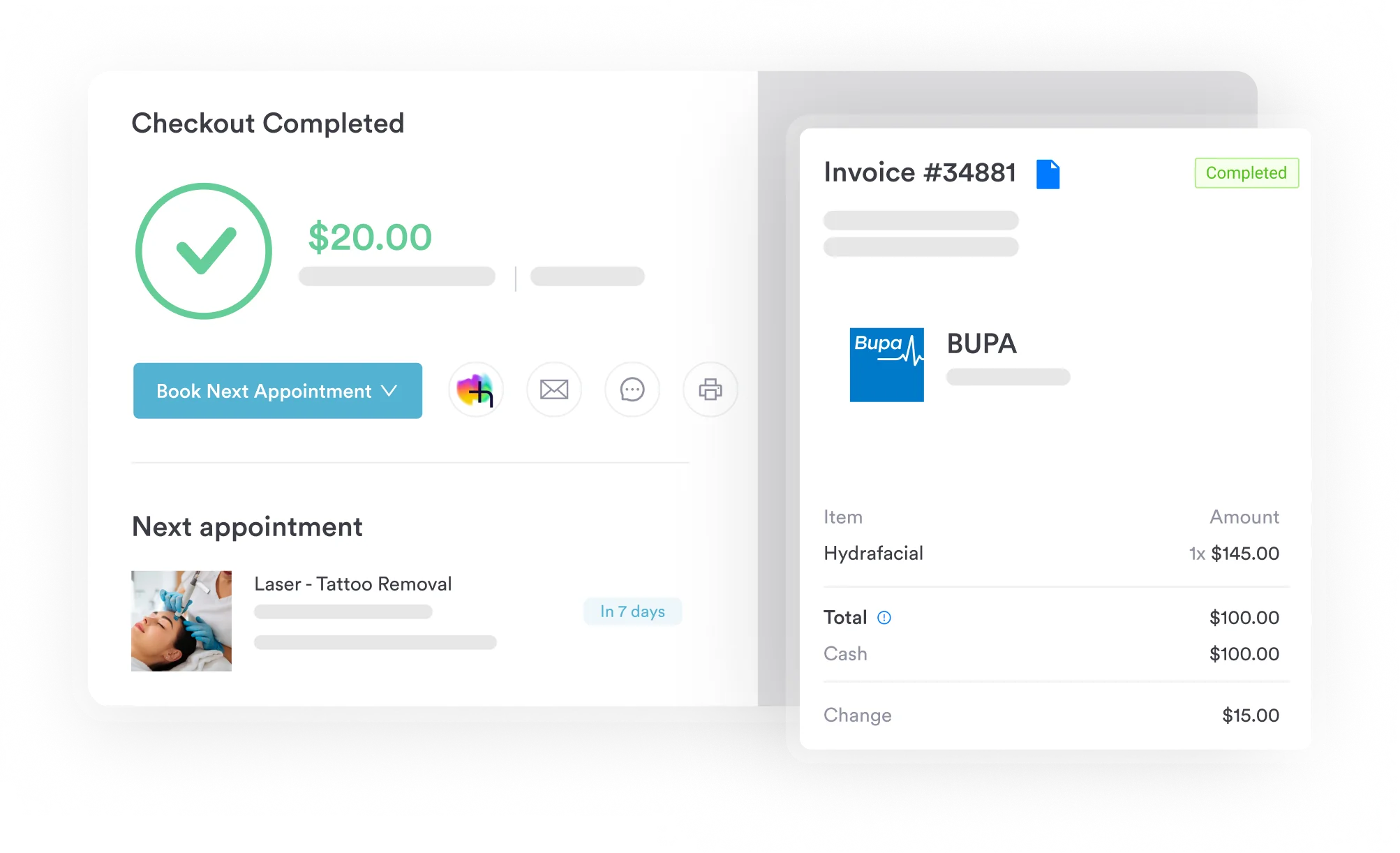
Three workflows carry most of the weight for H0035 billing:

Pabau connects clinical documentation to billing codes, flags authorization limits, and tracks claim status across your PHP caseload. Your billing team spends less time chasing records and more time resolving denials.

H0035 rewards programs that treat documentation as part of care delivery rather than paperwork that follows it. When the notes are complete on the day of service, the claim is straightforward. When they are not, no appeals process recovers the full value of that week.
The trade-off worth remembering is scrutiny. A per-diem code that covers a full day of psychiatric care attracts audits, and state policy changes more often than most billing teams check. Put a January rate review in the calendar and check authorization limits weekly.
Book a demo to see how Pabau ties daily PHP notes to H0035 claims and flags authorization limits before they cost you a service date.

Stepping patients down after a PHP episode? H0036 covers community psychiatric supportive treatment in 15-minute units, which is where many PHP graduates continue care.
Managing acute withdrawal alongside psychiatric care? H0013 covers acute detoxification services, which are billed separately from any PHP day.
Building peer support into your program? H0038 covers self-help and peer services in 15-minute units, with its own documentation expectations.
Coding a nutritional deficiency instead? Vitamin C deficiency coding guide This guide covers billable status, coding exclusions, and documentation requirements for ascorbic acid deficiency and scurvy.
Coding a different nutritional deficiency? Selenium deficiency coding guide This guide covers the billable code for dietary selenium deficiency, which includes Keshan disease, valid for claims since 2015.
HCPCS Code H0035 is the HCPCS Level II code for mental health partial hospitalization treatment, less than 24 hours. Community mental health centers use it to bill Medicaid for structured day treatment that delivers intensive psychiatric care without an overnight stay.
H0035 rates are set by each state Medicaid program and vary widely. Per-diem rates commonly run between roughly $150 and $400 a day. The figure depends on the state, the program type, and whether you bill fee-for-service Medicaid or a managed care plan. Always confirm current rates with your state agency or contracted MCO.
Medicare does not reimburse HCPCS Code H0035. It pays partial hospitalization days through HCPCS G-codes such as G0410 and G0411, billed with PHP revenue code 0912 or 0913. Programs treating Medicare patients should follow current CMS partial hospitalization guidance instead of submitting H0035.
Community mental health centers are the primary eligible provider type for H0035 under Medicaid. Some states extend eligibility to Certified Community Behavioral Health Clinics and approved hospital outpatient PHP programs. Each state Medicaid agency defines eligibility, so verify your facility type before you bill.
Coverage varies by plan. Many commercial and private payers pay a partial hospitalization day under S0201 rather than H0035, and Medicare and Medicaid do not recognize S-codes. S9484 is a per-hour crisis intervention code, so it never substitutes for a program day. Confirm the required code with each plan before you bill.
The most frequent errors are missing per-date progress notes, claims sent without prior authorization, and units billed beyond the authorization. Incorrect place of service codes and Medicare submissions round out the list. Each one has a prevention step that belongs in the billing workflow before claims go out.