CPT code 21011: Excision of soft tissue tumor of the face
CPT code 21011: Official descriptor and procedure overview CPT code 21011, as pu...

Last Updated: Oct 8, 2026
G0255 is the HCPCS Level II code for current perception threshold/sensory nerve conduction test, (snct) per limb, any nerve.
The official descriptor reads: current perception threshold/sensory nerve conduction test, (sNCT), per limb, any nerve. CMS annotates the code as not covered by Medicare, and it has carried that annotation for more than two decades.
Two details in that descriptor cause most of the errors on this code. The unit of service is the limb, not the individual nerve or electrode site. The code also sits under a national non-coverage decision. No volume of documentation converts it into a payable service under the CMS HCPCS Level II system. Accounts receivable aging shows which codes are slow to pay long before anyone calls it a denial problem.
The sNCT test applies a sinusoidal electrical stimulus and records the smallest current the patient can perceive. Conventional nerve conduction studies work differently. They record an evoked electrical response from the nerve rather than a sensation the patient reports.
That difference is why CMS treats sNCT as its own service with its own coverage decision. Practices offering the test should review their medical forms first, so orders and consent are captured before anything is billed.
Let Pabau's smart automation suggest the right codes, reduce claim denials, and keep your practice compliant—effortlessly.
Automate repetitive tasks and focus on what matters most—your patients.
Reduce coding errors and ensure compliance with the latest regulations.
Clean claims, fewer denials, and faster reimbursements.
Powerful insights and reporting to help your practice thrive.
HIPAA compliant SOC 2 certified GDPR-compliant Trusted by 4,000+ clinics worldwide

HCPCS Code G0255 reports current perception threshold, or sensory nerve conduction, testing. The unit of service is the limb, not the nerve or the electrode site.
Medicare does not cover G0255 anywhere in the country. National coverage determination 160.23 made sNCT testing non-covered on October 1, 2002, and CMS reaffirmed that on reconsideration in 2003.
No local coverage determination and no ICD-10 diagnosis code can override a national non-coverage decision, so no pairing makes the claim payable.
Bill Medicare patients with a signed Advance Beneficiary Notice and modifier GA, so the charge can move to the patient rather than to write-off.
Practice management software like Pabau keeps the order, the signed waiver, the report, and the claim on one patient record.
Medicare does not cover G0255. National coverage determination 160.23 makes current perception threshold and sensory nerve conduction threshold testing non-covered across the whole country, effective October 1, 2002.
CMS set out its reasoning in decision memo CAG-00106R, the reconsideration issued on July 8, 2003. It found insufficient scientific support to call the test reasonable and necessary under section 1862(a)(1)(A) of the Social Security Act.
That 2003 review landed on the same answer as the original decision. The national coverage determination has not been rescinded since.
A national coverage determination binds every Medicare Administrative Contractor. No local coverage determination can create payment where an NCD says non-covered, and none tries to for sNCT.
Some billing guides still point to a local policy for G0255 coverage criteria. Those guides are describing something that does not apply to this code.
Medicare Advantage plans administer Part A and Part B benefits under the same national rules, so they deny G0255 for the same reason. A plan could offer sNCT as a supplemental benefit, but that is rare. Ask for the plan’s written medical policy before you schedule a test for an Advantage member.
Commercial payers arrive at a similar answer by a different route. Several classify quantitative sensory testing, including current perception threshold testing, as investigational and not medically necessary.
That designation means the plan will not pay whatever the clinical indication says. Confirm the position with the specific plan in writing, because policy numbers and review dates change from year to year.
There is no Medicare payment amount for G0255, in any place of service. Because the code is non-covered, the Medicare Physician Fee Schedule carries no facility or non-facility allowable for it.
The hospital outpatient system says the same thing in its own vocabulary. G0255 carries status indicator N, which flags a non-covered service. Status N codes receive no outpatient payment and are not packaged into the payment for anything else.
You can confirm both facts in a couple of minutes. Look the code up in the CMS fee schedule lookup and read the status column rather than the payment column. Then check the current quarter’s OPPS addendum for the status indicator.
Do not delete G0255 from your charge master just because Medicare will not pay it. Keep the code active, priced at your self-pay rate, and flagged to require a signed waiver before the test. Practices that remove the code tend to report sNCT under a conventional nerve conduction CPT code instead. That is a far larger compliance problem than a clean denial.
No ICD-10-CM diagnosis code makes G0255 payable by Medicare. A national non-coverage decision attaches to the service itself, whatever the patient’s diagnosis happens to be.
That distinction matters because the presentations below do support covered electrodiagnostic testing. When a patient has these findings, the payable route is a conventional nerve conduction study or an EMG.
Report those with their own CPT codes. Diabetic neuropathy prompts most sNCT orders.
Nerve conduction local coverage determinations such as L35081, L34594, and L36524 set the criteria for those conventional studies. They govern CPT 95907 through 95913 and the EMG codes. None of them creates coverage for G0255, and none of them can.
A diagnosis code verification step still belongs in your patient care management workflow, applied to the study you performed.
Pair these diagnoses with the study your provider performed. Reporting an sNCT test under a conventional nerve conduction CPT code to obtain payment misrepresents the service. The compliance exposure that creates outweighs anything the claim pays.
A conventional code belongs on the claim only when conventional studies were performed. A session that documents 11 or 12 of those studies is reported with CPT 95912.
GP clinic software can flag which patients qualify for the preventive services these G codes describe.
Medicare’s medical necessity question for G0255 is already settled. CMS decided nationally that sNCT is not reasonable and necessary, so there is no local criteria list left to satisfy. The documentation burden shifts from proving necessity to proving notice.
Because the denial rests on section 1862(a)(1)(A), an Advance Beneficiary Notice of Noncoverage applies. A signed ABN, dated before the service, is what allows you to bill the patient for the test. Structured templates in a neurology or physical therapy EMR system make that step harder to skip.
Make sure the record holds all of the following before the claim goes out:
Bedside findings belong in the same note. A recorded ankle brachial index or a positive windlass test shows why the limb was examined before the order went out.
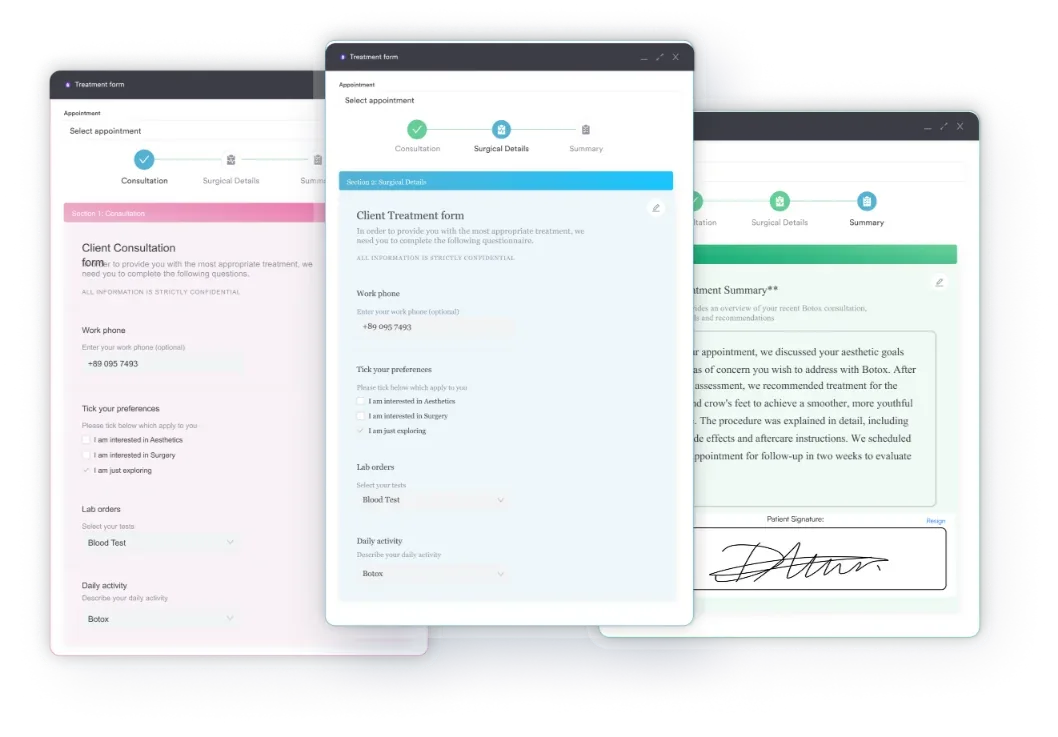
CMS billing article A54969 covers nerve conduction studies and electromyography. It is worth reading, but read it for the conventional studies you can bill rather than for sNCT.
Storing these records securely still matters.
Report G0255 once per limb tested. For a Medicare patient, append modifier GA when a signed ABN is on file. Expect the denial, and treat it as the correct outcome rather than a problem to appeal.
Check the AAPC HCPCS code reference for coding notes and any edits your payer applies. These are the errors that cost practices money on this code:
Strong EHR integration between clinical documentation and the billing platform removes the manual handoff behind most of these errors. When the order, the signed waiver, and the charge live in one system, the mismatch has nowhere to come from.
G0255 sits alongside a set of nerve conduction and sensory testing codes that Medicare does pay for. Knowing how they differ keeps you from coding the wrong service when documentation mentions several testing methods.
Choose the code that matches the equipment and method used, never the one that pays. CMS has said that sensory nerve conduction testing is reported with G0255 whether the device measures current output or voltage input. An unlisted code is not an alternative route to payment either.
G0255 is also not the only G-code with narrow reporting rules. The wider Pabau procedure codes library covers the rest.
Treat the G0255 denial as the expected outcome. The work that protects revenue happens at booking, well before anyone opens the billing queue.
Three changes move the charge off the write-off pile for most practices:
Build a four-item pre-service checklist for sNCT. Confirm the payer’s written position, quote the self-pay price, take a signed waiver dated before the test, and record the limbs tested. Run the checklist at booking rather than at billing. Every item on it becomes harder to obtain once the patient has gone home.
Most practices run this code across three systems. The order sits in the clinical notes, the signed waiver sits in a scanning folder, and the charge sits in the billing system. Nobody sees all three at once, so the missing signature only surfaces after the denial arrives.
Practice management software like Pabau keeps the order, the signed consent, the test report, and the claim on a single patient record. Our claims management software shows billing staff whether a waiver is on file before the charge is submitted. A non-covered test then stops costing the practice money.
Consent reminders, missing-document alerts, and patient balance notices run in the background instead of sitting on someone’s list.
The outcome is fewer unsigned waivers and fewer non-covered charges quietly becoming write-offs. Practices reviewing their wider admin load can see how connected practice management software reduces the manual handoffs behind most coding mismatches.
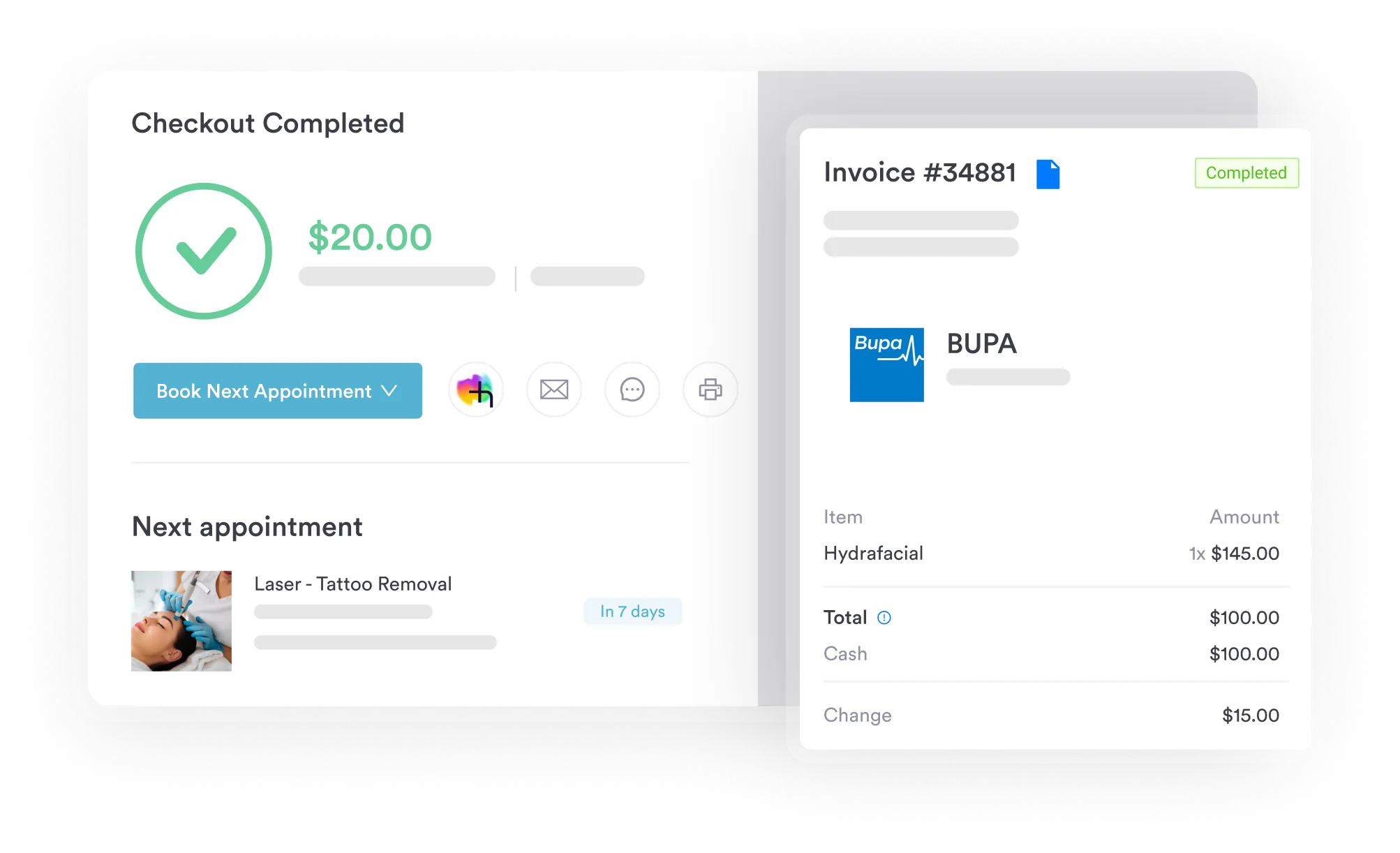

Pabau links orders, signed waivers, and claims on one record. Charges like G0255 then reach the right payer, or the right patient, first time.

Report G0255 so the service is on record, and plan for Medicare to deny it. NCD 160.23 settled that in 2002, CMS confirmed it on reconsideration in 2003, and nothing since has changed it.
So the money is won or lost before the test. A written payer position, a quoted self-pay price, and a signed waiver on file turn a guaranteed denial into a collectible balance.
Keep those three things attached to the patient record, where billing staff can see them before the claim goes out. Book a demo to see how Pabau does that inside a neurology or rehabilitation billing workflow.

Billing an Ocrevus infusion claim? Ocrelizumab injection billing guide explains the J2350 code history and how to bill each 1 mg unit of Ocrevus.
Coding the spinal diagnoses that reach your neurology list? M45.8 sets out the documentation and billing rules for that code.
Billing another code where the unit of service trips people up? CPT 13100 shows how measurement drives the units you can report.
Checking how outpatient status indicators affect payment? C1776 walks through how a device code is treated under the outpatient system.
Billing an Orbactiv infusion claim? Oritavancin injection billing guide shows how to convert an Orbactiv dose into billable units and what else the claim needs.
G0255 reports current perception threshold, or sensory nerve conduction, testing. The official descriptor is current perception threshold/sensory nerve conduction test, (sNCT), per limb, any nerve. One unit covers one limb, whichever nerve is studied. CMS annotates the code as not covered by Medicare.
No. Medicare has excluded sNCT testing nationally since October 1, 2002, under national coverage determination 160.23. CMS reaffirmed that decision on reconsideration in 2003, and it remains in force today. The code also carries hospital outpatient status indicator N, which means non-covered.
None. A national non-coverage decision applies to the service itself, so no diagnosis pairing changes the result. When electrodiagnostic testing is clinically indicated, the payable route is a conventional nerve conduction study or an EMG. Bill those under the criteria in the relevant nerve conduction policy.
None does. Coverage is decided nationally by NCD 160.23, and a national determination overrides any local policy. Nerve conduction LCDs such as L35081, L34594, and L36524 apply to conventional studies and electromyography, not to sensory nerve conduction threshold testing.
Yes, if a signed Advance Beneficiary Notice of Noncoverage is dated before the test. Append modifier GA to the claim so the denial assigns liability to the patient. Without a signed notice, use modifier GZ and expect to write the charge off.
Many commercial plans classify quantitative sensory testing, including current perception threshold testing, as investigational and not medically necessary. That designation means no clinical indication will secure payment. Check the individual plan’s medical policy before scheduling, and obtain prior authorization or a signed financial waiver where required.
G0255 measures the smallest electrical stimulus a patient can perceive, which relies on the patient reporting a sensation. Standard codes 95907 through 95913 record an evoked electrical response from the nerve itself. Medicare covers the conventional studies when criteria are met and does not cover sNCT.