HCPCS code J3471: Hyaluronidase ovine injection billing guide
HCPCS code J3471: Descriptor, code type, and quick-reference data HCPCS code J34...

Last Updated: Oct 14, 2026

CPT code 11983 covers removal of a non-biodegradable drug delivery implant plus reinsertion of a new one at the same visit.
Billing 11981 and 11982 separately for a same-visit exchange is unbundling, and NCCI edits will deny it.
The 2026 Medicare national non-facility rate is roughly $144, with the facility rate around $89.
J7307 goes on its own claim line for the Nexplanon device, because 11983 pays only for the work.
Z30.46 is the routine diagnosis pairing, and the code carries a zero-day global period.
CPT code 11983 covers the removal of a non-biodegradable drug delivery implant and the reinsertion of a new one at the same visit. For most practices, that means a Nexplanon exchange.
The billing looks simple until the claim bounces. Two habits cause most of the trouble. Some coders send 11981 and 11982 as separate lines, which is unbundling. Others bill 11982 alone and lose the insertion payment for good.
According to the official CPT listing, 11983 sits in the Integumentary System section under Introduction or Removal Procedures. The American Medical Association added it, along with 11981 and 11982, in 2002. Here is what a payer checks first.
Four codes cover four different situations, and picking the wrong one causes more denials here than anything else. OB/GYN practices and sexual health clinics run these visits weekly, so the boundaries are worth committing to memory.
The deciding factor is what happened at the visit. If both halves happen at one encounter, 11983 is the only procedure code on the claim. If the patient goes home without a new implant, 11982 stands on its own.
The National Correct Coding Initiative (NCCI) treats the removal and the reinsertion as one procedure when they share a date of service. Billing them as two lines is unbundling. The second line gets denied, and a pattern of it invites a closer look at the whole account.
CMS updates these edit pairs quarterly. Before you lean on last year’s assumptions, check the current file on the CMS NCCI edits page.
Deletions run on a yearly cycle rather than a quarterly one. 11983 has not changed since 2002, but the radiation guidance series lost 77014 and the G6001 to G6017 range on January 1, 2026. CPT code 77387 now carries that guidance work, and claims still holding the deleted codes reject.
Skin and reconstructive procedures generate detailed claims, so comparing the best plastic surgery software is worth the time.
Modifier rules for 11983 follow standard CMS guidance, though a payer contract can override any of it. The table below covers the four modifiers that actually show up on these claims.
Misplaced modifier 25 is the classic error on these claims. It belongs on the office visit code, and putting it on the procedure achieves nothing. Modifier 51 comes up when a second minor procedure shares the session, such as a laceration repair under 12006.
Yes, when a separate evaluation genuinely happened and the note proves it. Append modifier 25 to the E&M code in the 99202 to 99215 range. The note has to separate the decision-making from the pre-procedure check that any implant exchange includes.
Payers split sharply on this. Some managed Medicaid plans deny same-day office visits with minor procedures whatever modifier you use, so read the policy before you bill it.
Audit your modifier 25 claims for 11983 once a quarter. Pull the last 20, check that each one carries a distinct evaluation in the note, and compare the paid rate across your top five payers. That tells you which plans are worth appealing and which policy simply will not budge.
A vague or mismatched diagnosis is one of the quickest ways to get the claim returned for more information.
One trap deserves a flag. T83.31 describes a mechanical breakdown of an intrauterine device, so it will not support a claim for an arm implant. When a device problem drives the exchange, code from the T83.8 or T83.9 subcategories instead. Then add the seventh character your payer expects for the episode of care.
11983 reimburses the clinical work and nothing else. The device is billed with J7307, the HCPCS Level II supply code for the etonogestrel implant. Leave it off and the practice quietly eats the cost of the rod.

Nexplanon takes most of the volume, but 11983 is written for any non-biodegradable drug delivery implant. Histrelin implants are the other common case.
Supprelin LA is a histrelin implant replaced roughly every 12 months in children treated for central precocious puberty. That swap is the same procedure, so it bills as 11983. Two things change on the claim. The supply code becomes J9226 instead of J7307, and the diagnosis comes from the endocrine indication, such as E22.8.
The manufacturer publishes its own coding guidance for these visits. Check it against your payer’s policy, because pediatric endocrine plans often ask for prior authorization on the drug even when the procedure needs none.
Medicare pays roughly $144 for 11983 in the office and roughly $89 in a facility, before locality adjustments. The difference is practice expense. When a hospital or surgery center supplies the room and the staff, that overhead leaves the practice’s payment.
Those national numbers come from the RVUs above, multiplied by the year’s conversion factor. Your own locality will land somewhere either side of them, because the Geographic Practice Cost Index (GPCI) adjusts each component separately. Run your ZIP code through the CMS fee schedule tool for the figure you will actually be paid. A clean claim carries the code, the modifiers and the diagnosis in agreement, and needs no rework before payment. Reworking denied claims one at a time keeps cash moving but never lowers the denial rate.
Commercial contracts usually pay more, and the spread between plans is wide. The FastRVU lookup tool is a quick way to model a locality before a renegotiation. To see where this code sits against the rest of your income.
A procedure note alone will not carry an 11983 claim through review. Auditors look for seven specific things, and the two lot numbers are the ones most often missing.
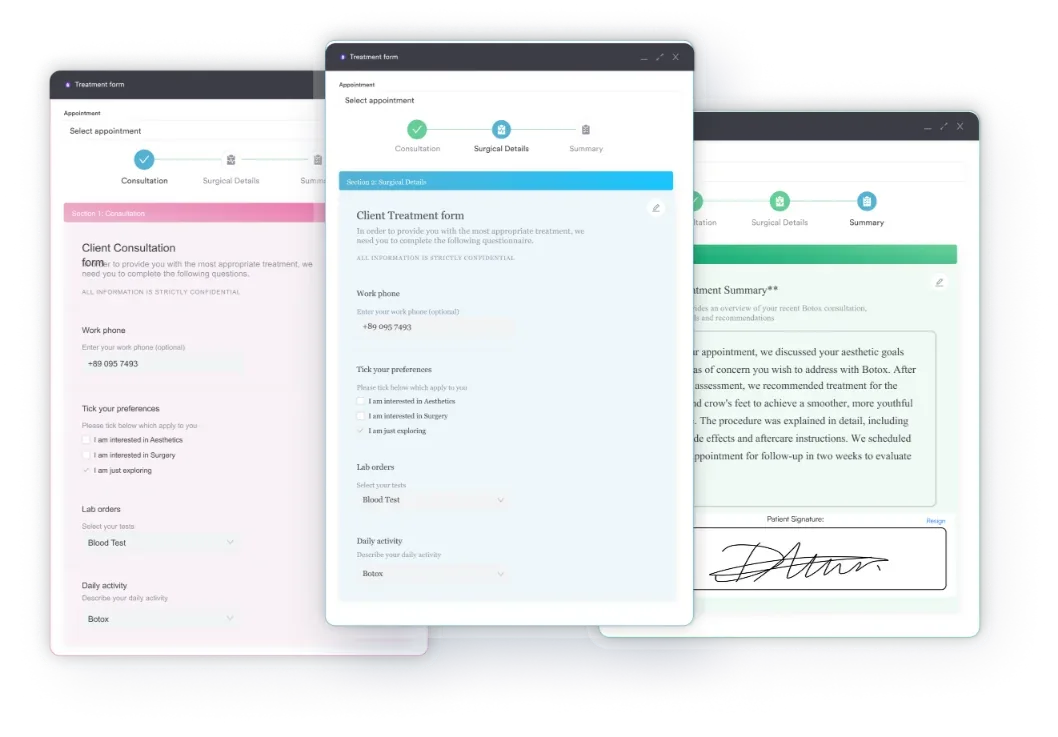
Non-palpable and deeply placed implants carry more audit risk, because the removal takes a different technique. Say so explicitly in the note when that happens. A structured template.
The claim moves in four steps. The note closes and the codes attach to the visit. The charge builds with 11983 on one line and J7307 on another. The claim goes to the payer, usually within a day. Then the remittance either pays both lines or pays one and denies the other.
The denied line is almost always the device. Five checks catch it before submission.
Two other things trip these claims up. The device line goes out with the wrong unit count, usually because the rod was counted per package. And the exchange gets booked as a quick nurse visit, so nobody creates the charge at all.
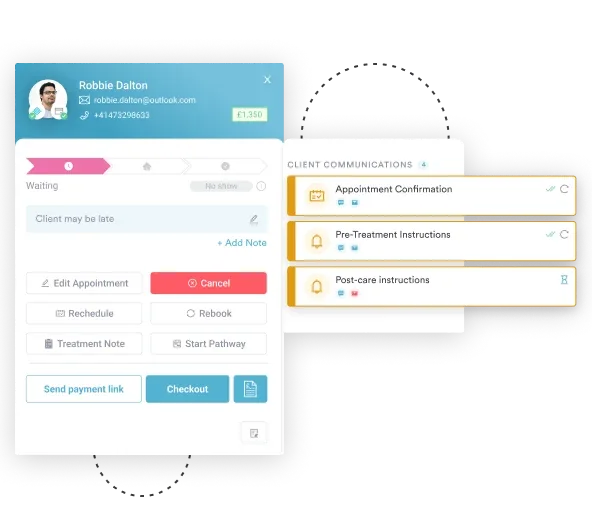
Most 11983 denials start in the note rather than in the claim. Something the payer wanted was never written down, and the billing team finds out three weeks later.
Practice management software like Pabau keeps the whole visit on one record. The consent, the treatment note, the lot numbers, the invoice, and the claim all sit against the same appointment. Nobody has to rebuild the visit from memory at month end.
A status view then shows what is out, what is paid, and what came back.
So your billing team works from a finished record instead of chasing a practitioner for a lot number. Fewer claims come back asking for information you already handed over.
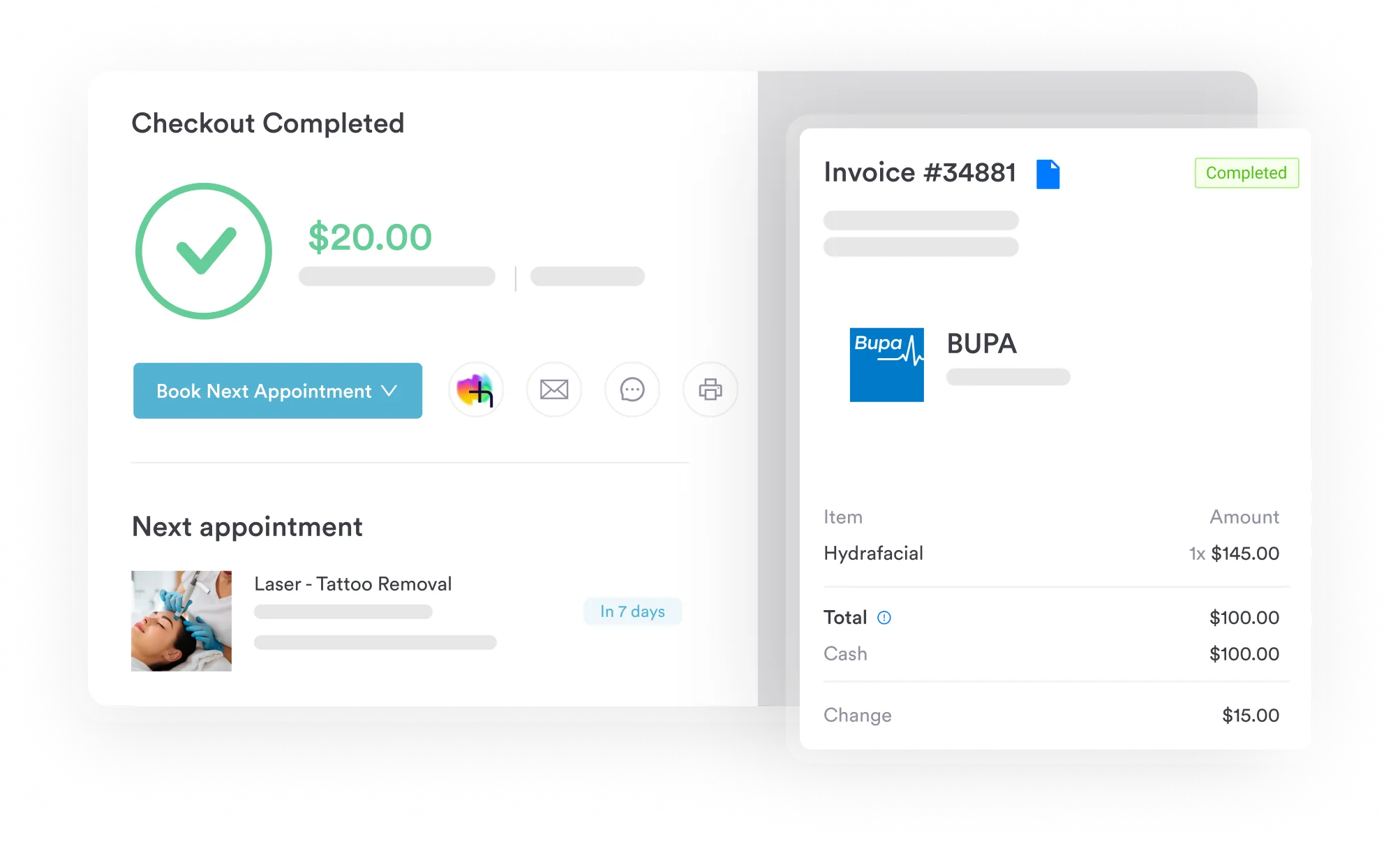

Pabau holds the consent, the treatment note, the device detail, and the claim on one patient record. Your billing team stops chasing missing information after the fact.

The coding on 11983 is settled and has been for years. What decides whether the claim pays is the five minutes after the procedure. That is when the lot numbers and the device line either get captured or get forgotten.
The fix is unglamorous and it works. Write the note before the patient leaves, put J7307 on its own line, and check the modifier’s position before the batch goes out. Do those three things and this code stops showing up in your denial report.
Want the consent, the note, and the claim for every implant exchange to live on one record? Book a demo and we will walk through your billing workflow end to end.

Still removing older capsule implants? 11976 covers the removal of implantable contraceptive capsules and where it stops applying.
Billing intrauterine devices as well as implants? J7298 walks through the supply side of IUD claims, including units and coverage checks.
Wondering how other in-office drugs are billed? J0270 shows how a J-code supply line is priced, documented, and submitted.
Coding a different implant procedure? 19342 covers delayed prosthesis insertion, including the documentation payers ask for.
Coding a vitamin C deficiency? ICD-10 code E54 covers ascorbic acid deficiency and scurvy, along with related documentation requirements.
Use place of service 11 for an office, which is what triggers the higher non-facility rate. A hospital outpatient department is 22 and an ambulatory surgery center is 24. Both of those pay the facility rate.
Yes, as long as the procedure sits inside their state scope of practice and the plan has credentialed them. Bill under the performing provider’s own NPI unless the payer requires supervision billing.
Usually not for the procedure itself, though plans differ. Where a plan does require it, the requirement often sits on the device line rather than the surgical code. Check the contraception policy before the visit.
11983 needs both halves of the exchange, so it no longer fits. Document the attempt, note the imaging or referral that followed, and bill for the service you actually delivered that day.
Once per replacement cycle, when the implant reaches the end of its labeled lifespan. An earlier exchange is still billable, but the note has to show why the implant came out ahead of schedule.