CCSD code XR940: Foreign body retrieval billing guide
CCSD code XR940 is the UK private healthcare code for retrieval of a foreign bod...

Last Updated: Nov 26, 2026
CCSD code XR963 is the UK private healthcare code for percutaneous chemical ablation of a tumor under CT guidance. A clinician steers a needle into the tumor on CT and injects an agent that destroys the tissue. The official descriptor reads “Percutaneous chemical ablation of tumour – CT guided.” It sits under section 17.13.0, Other, in the CCSD schedule, which you can only search after logging in.
The fact that matters most is the image guidance. Ultrasound-guided ablation is XR962, and the two codes can’t share a claim. From there, this page moves through scope, documentation, pre-authorization and the slips that get claims returned.

CCSD code XR963 covers percutaneous chemical ablation of a tumor under CT guidance, listed under section 17.13.0 of the CCSD schedule.
XR962 is the ultrasound-guided version, and CCSD lists XR962 with XR963 as an unacceptable combination.
The procedure note should name the tumor site and histology, the CT guidance, the agent used and the signed consent.
Pre-authorization is typically needed for interventional oncology procedures, so confirm it on each insurer’s portal before booking.
Each insurer sets its own fee for XR963, so check the payer’s current schedule before quoting a patient.
XR963 is a procedure code in the CCSD schedule, the coding standard for the UK private healthcare sector. The CCSD Group maintains the schedule, and insurers use its codes to price and pay claims. XR963 sits alongside the other CCSD codes those insurers share.
The XR prefix groups radiology and interventional procedures. XR963 belongs on the interventional side, so it describes a treatment rather than a diagnostic scan. CCSD code XR940, for foreign body retrieval under X-ray guidance, sits on the same side.
Because the schedule sits behind a login, check the live entry on the CCSD site rather than an old printout. CCSD updates the schedule in a set publication cycle, so wording can change between releases.
XR963 describes one technique. Every part of the descriptor has to match what happened in the room:
Change any one of those and XR963 stops fitting. The same ablation under ultrasound is XR962. Ablation by another method needs the CCSD code for that method. A cyst treated by ablation under imaging control takes XR920 instead, because its descriptor names a cyst rather than a tumor. If the note doesn’t make the technique clear, query the clinician before you code the episode.
XR962 is the ultrasound-guided version of the same ablation. A CCSD coding note added on January 20, 2010, lists XR962 and XR963 as an unacceptable combination. One ablation episode therefore takes one code, chosen by the guidance the operator used.
That makes the imaging line in the procedure note the deciding fact. If the note mentions both ultrasound and CT, ask the operator which one guided the needle. Record the answer before you choose the code.
Insurers check claims against the clinical record. Aviva’s procedure guidelines, for example, say codes may be audited for clinical correctness. Before a claim goes out, the note should show these five points.
A reviewer who has never met the patient should be able to rebuild the episode from that note. UK GDPR applies to it as health data, so keep it behind access controls with a set retention period.
Pre-authorization is typically needed for interventional oncology procedures, so assume XR963 needs it until the insurer says otherwise. Rules vary by insurer and by policy. Confirm them on each insurer’s portal before you fix the procedure date.
Log the authorization code on the patient’s case the day it’s issued. The claim needs it at submission, and a missing code is a quick route to a rejection. For Bupa-insured patients, our guide to Bupa CCSD codes covers that insurer’s coding rules in more depth.
A clean XR963 claim passes five checkpoints, and the first one decides the code itself. The overview below maps them, and the steps underneath add the detail.
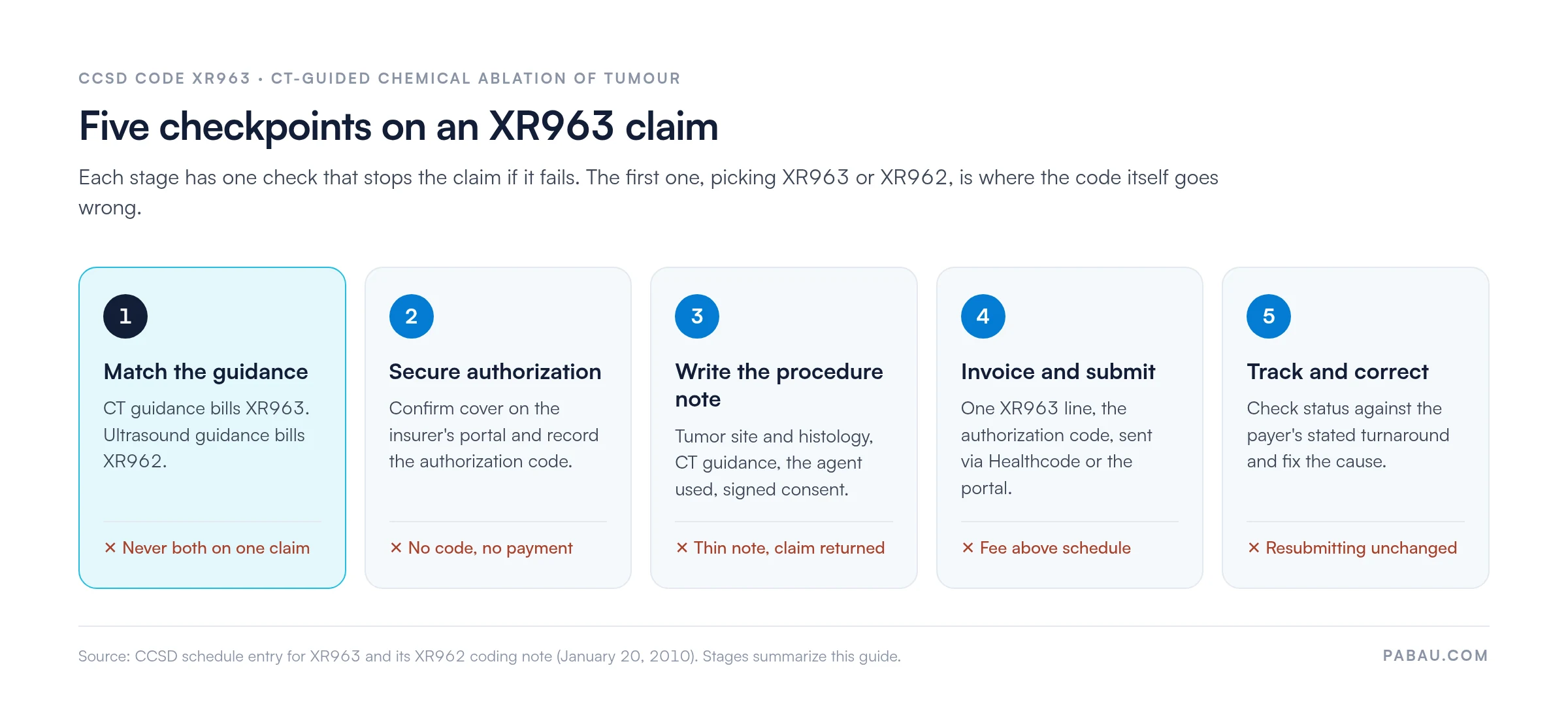
Run through these points before the claim leaves your system. Each one maps to a common reason for a returned claim.
Most returned claims trace back to a handful of slips. Each has a quick fix now and a habit that stops it next time.
CCSD publishes the codes, but each insurer sets its own fee for XR963. Insurers also review their fees on their own timetable. Bupa publishes its rates through its provider portal, and our Bupa fee schedule guide explains how to read them.
Self-pay patients pay your practice’s own price instead. Quote it in writing before the procedure, and see our guide to self-pay patients for setting and collecting it.
For insured patients, never put a fixed XR963 fee in a quote until you’ve checked the insurer’s live schedule. An outdated figure leaves a shortfall between your invoice and the payout.
On paper, an XR963 claim draws on four sources: the referral letter, the authorization email, the procedure note and the invoice. Each handoff is a chance to drop the authorization code or the guidance detail.
Pabau, a practice management platform with claims management software built in, keeps those pieces on one patient record. It tracks the authorization code, dates and sessions on the case and warns you when one is missing. UK claims then go to insurers through Healthcode, without retyping the invoice.
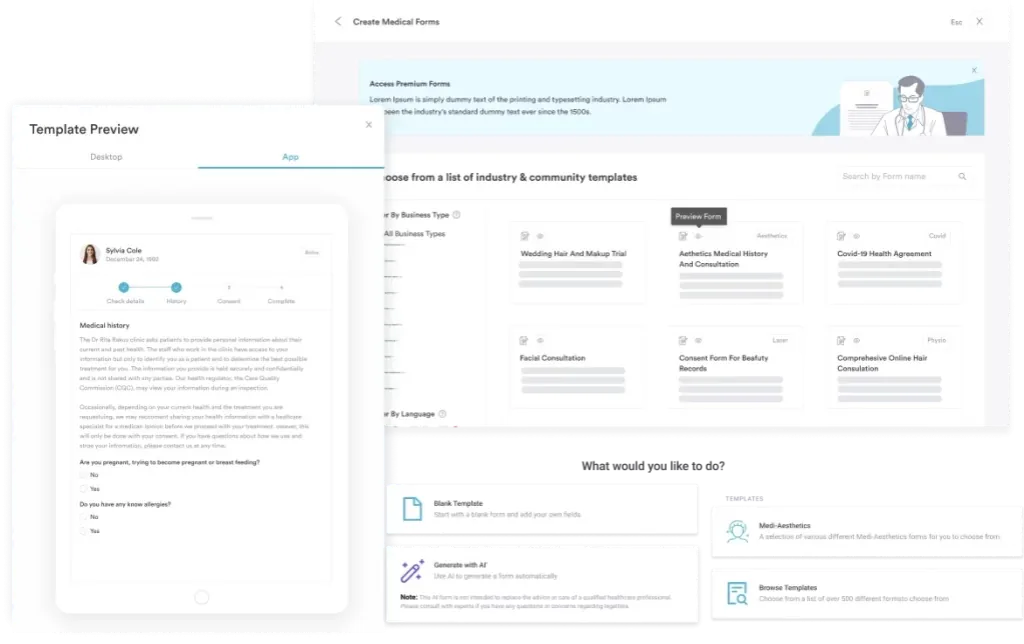
Because consent, notes and the invoice share one record, you can answer an insurer’s audit request without hunting through folders. If you’re still comparing systems, our roundup of UK medical billing software sets the options side by side.
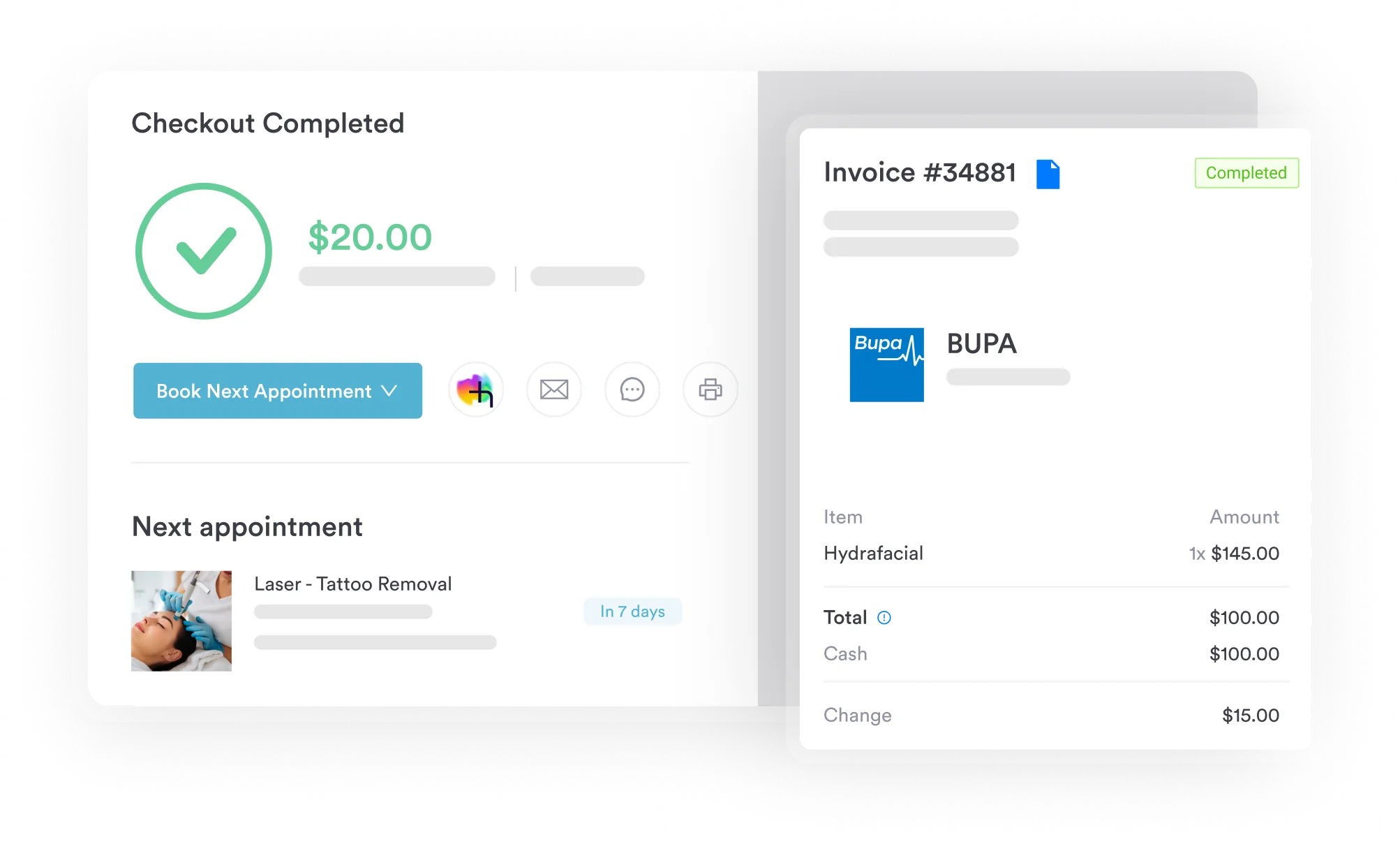

Pabau tracks the authorization code on the case, keeps consent and procedure notes on the patient record and submits UK claims through Healthcode.

XR963 is a narrow code. It fits one technique under one form of guidance, and its closest neighbor can never share its claim. Most of the coding work is confirming those two facts before the invoice exists.
So build the check into the booking, not the billing. Confirm the guidance and the authorization code when the procedure is scheduled. The invoice then only has to copy what’s already recorded.
Book a demo to see how Pabau keeps the authorization code, consent and procedure note together for every XR963 claim.

Billing another interventional radiology procedure? CCSD code XR390 covers embolization of an arteriovenous malformation and what insurers expect to see.
Clearing a clot under imaging control? CCSD code XR410 explains thrombolysis and thrombus aspiration billing.
Coding a renal stent procedure? CCSD code XR430 covers renal angioplasty with or without a stent.
Working with tear duct procedures? CCSD code XR320 walks through nasolacrimal duct stenting under imaging control.
Need the full Bupa reference? Bupa CCSD codes guide covers that insurer’s coding and pre-authorization rules.
The CCSD Group, made up of representatives from Bupa, Vitality, AXA Health and Aviva. It develops the schedule and handles requests for new codes.
Register on the schedule page of the CCSD website. CCSD says it aims to respond to access requests within 14 days, and CCSD@uk.gt.com handles login questions.
No. CCSD codes are for the UK private healthcare sector, whether a patient is insured or paying for themselves. NHS hospitals record procedures with OPCS-4 codes instead.
Don’t borrow XR963 or another close code. Aviva warns that using an alternative code for an uncoded procedure could be considered fraudulent. Contact the insurer, or request a new code from CCSD.