CPT code 96111: Extended developmental evaluation billing guide
CPT code 96111: Official descriptor and the 2019 deletion CPT code 96111 was a t...

Last Updated: Nov 25, 2026
CCSD code XR430 is the code Bupa uses for renal angioplasty, with or without a stent. Some coding guides file it under plain-film X-rays, and that mistake sinks claims. Bupa’s imaging and radiology classification paper lists it as “Renal angioplasty, +/- insertion of stent” and grades it Major 2.
That grade is the fact to hold onto, because it sets the fee band the insurer pays against. Bill the procedure as a simple X-ray, and the descriptor, the authorization and the fee stop matching.
Below, we walk through what XR430 includes, which neighboring codes get mixed up with it, and how the claim moves from referral to payment.

CCSD code XR430 is Bupa’s classification code for renal angioplasty, with or without stent insertion, and isn’t a plain-film X-ray code.
Bupa’s 2015 imaging review graded XR430 Major 2 (£508) and proposed moving it to Major 3 (£548), level with XR260.
We found no separate public CCSD listing for XR430, so confirm each insurer accepts the code before you bill it.
Insurers look closely at the indication, because the ASTRAL trial found no worthwhile benefit from revascularization in atherosclerotic renovascular disease.
Common causes of XR430 delays are a missing authorization number, a thin referral or a neighboring code billed in error.
XR430 is the code for percutaneous renal angioplasty. An interventional radiologist guides a balloon into a narrowed renal artery under imaging and widens it. If the artery needs support afterward, a stent goes in during the same procedure. Not every procedure a radiologist performs takes an X code, though. Percutaneous vertebroplasty, often done by an interventional radiologist, is coded V2570 in the spinal chapter.
The “+/- insertion of stent” wording matters for billing. One code covers both versions, so a stent doesn’t call for a second code line.
Bupa’s August 2015 consultation paper sets out the grading. XR430 sat at Major 2. Bupa proposed raising it to Major 3, on the grounds that it is as complex as XR260, angioplasty with insertion of a metallic stent.
XR430 appears in Bupa’s own documents as a Bupa classification code. We found no separate public listing for it in the CCSD schedule. CCSD stands for Clinical Coding & Schedule Development, the group that maintains a shared procedure schedule for several UK insurers. Our CCSD billing guides cover other codes on that schedule, one procedure at a time.
So treat XR430 as a Bupa code first. Before you bill another insurer, check whether it accepts XR430 or maps renal angioplasty to a code of its own. Our Bupa CCSD codes guide explains how Bupa’s codes sit alongside the shared schedule.
XR430 sits among other interventional procedures, and none of them is a plain film. Each code below appears in the same Bupa paper, with the grades it gives them.
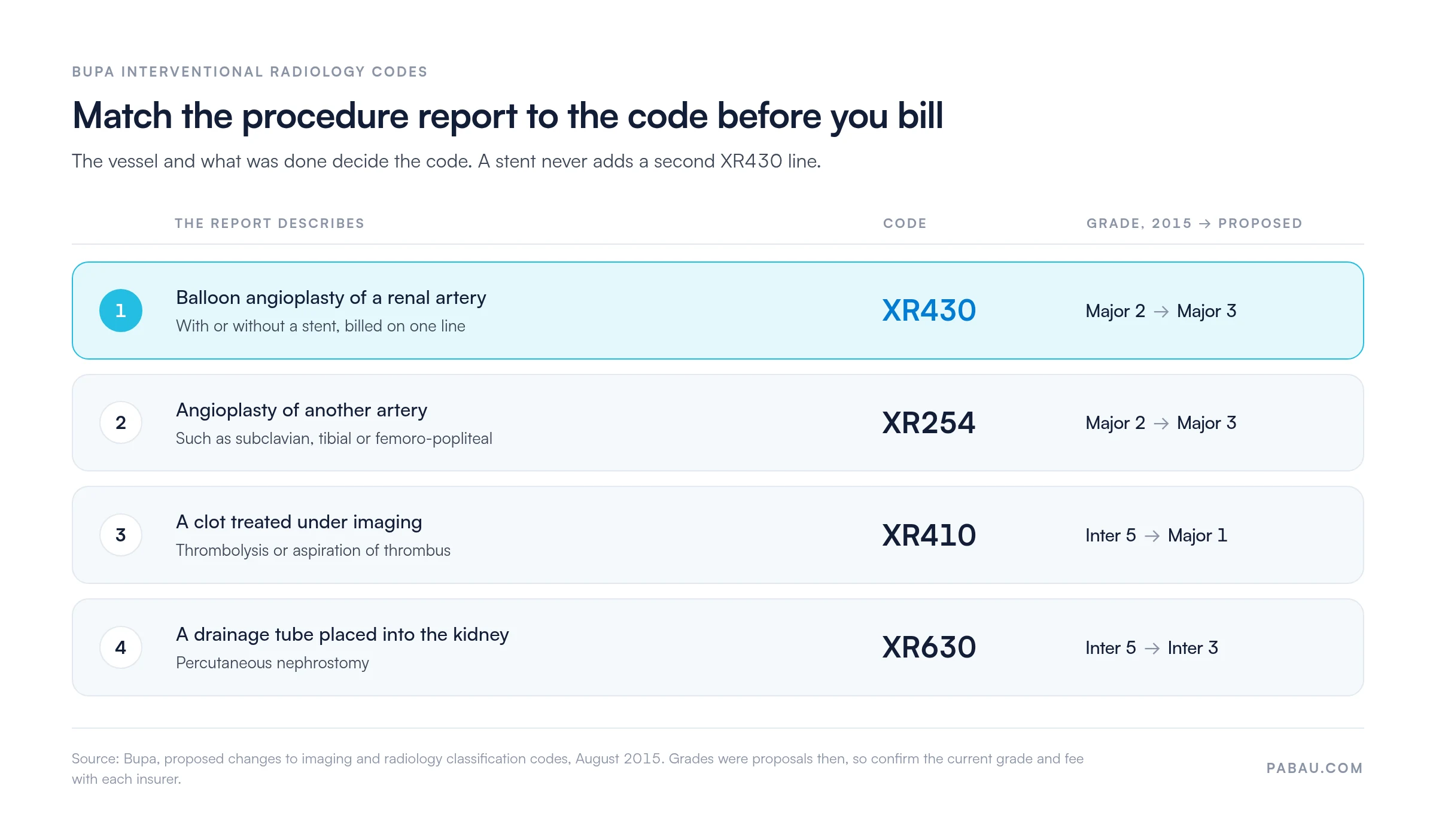
Choose by vessel first, then by what was done. A narrowed renal artery takes XR430, with or without a stent. Angioplasty of the subclavian, tibial or femoro-popliteal arteries points to XR254 instead. Blocking the blood supply to a vascular mass, such as a uterine fibroid, is embolisation and takes CCSD code XR360.
The other two are easy to confuse by number alone. XR410 treats a blood clot rather than a narrowing. XR630 places a drainage tube into the kidney through the skin. If the report describes either one, XR430 is the wrong code.
The chart below puts all four side by side.
Renal angioplasty draws closer review than most radiology. The UK-led ASTRAL trial randomized 806 patients with atherosclerotic renovascular disease. It found substantial risks but no evidence of a worthwhile clinical benefit from revascularization.
That result shapes how a referral reads to an insurer. A letter that only says “renal artery stenosis” invites questions. A letter that explains why this patient needs the procedure gives the reviewer a reason to approve. Ask the referring consultant to cover these points:
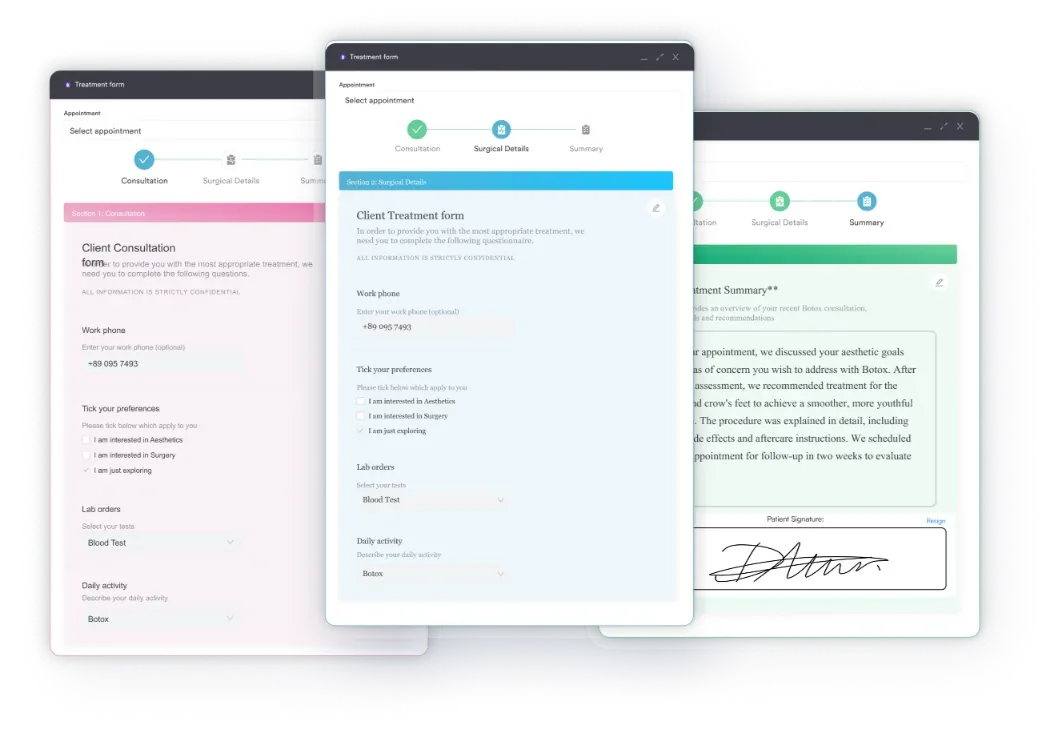
Collect the paperwork at booking, not after the procedure. Chasing a referral letter once the invoice is due is where delays creep in. A digital intake form helps by capturing the membership number and referral details when the patient books.
Here’s the path a typical claim follows. Each step hands something to the next, so a slip early on shows up as a rejection weeks later.
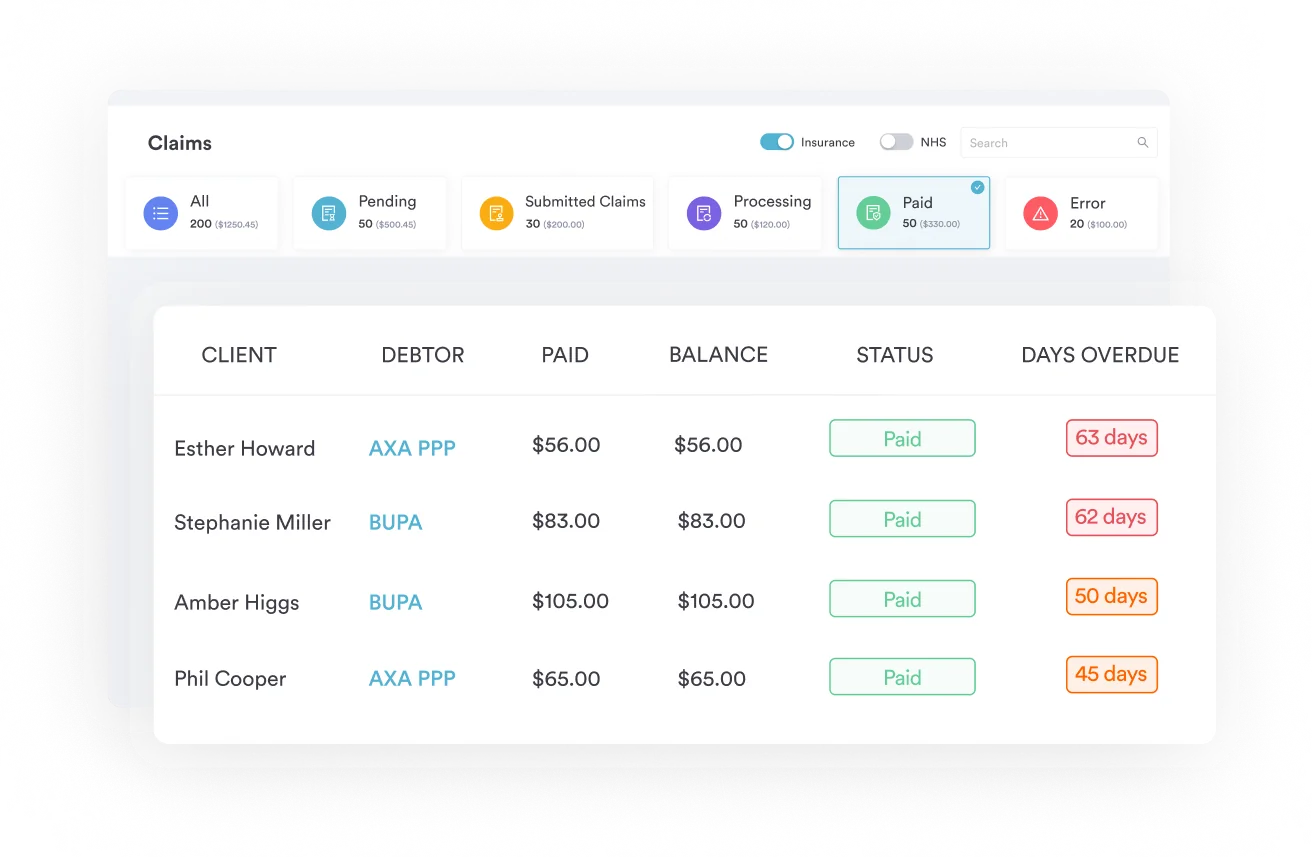
Keeping the authorization number, invoice and status in one place shortens step six. In Pabau, a practice management platform, claims management tools show where each claim stands without a separate spreadsheet.
Bupa’s 2015 paper puts Major 2 at £508 and Major 3 at £548. Those figures are more than ten years old, and the paper described a proposal. Check the current grade and fee in Bupa’s code search before you quote a patient.
Other insurers set their own rates. The Healix fee schedule and the Aviva fee schedule are published online. Many others share fees through their provider portals once you’re recognized.
Renal angioplasty claims often stall at the admin stage. The authorization number sits in an email, the referral in a scanned file, and the invoice gets typed from memory.
Pabau’s built-in Healthcode integration keeps those pieces together. The membership and authorization numbers sit on the patient record, and you send the CCSD-coded claim to Healthcode from there. Healthcode then validates the required fields before the insurer sees the claim.
Claim status and payments then show on the same record. Your billing team can see which XR430 claims are paid, queried or rejected without logging in elsewhere.

Pabau keeps membership and authorization numbers on the patient record and sends CCSD-coded claims to Healthcode, which validates the required fields. Your team can follow each claim to payment without switching systems.

XR430 is a renal angioplasty code, and each part of the claim should say so. When the descriptor, authorization and report all describe that procedure, the insurer has little to query.
The harder work is the indication. Since ASTRAL, a referral that explains why this patient needs the procedure does more for approval than any coding detail. Confirm the code and fee with each insurer as well, because the published grade dates from 2015.
Book a demo to see how Pabau keeps referrals, authorization numbers and Healthcode claims together on one patient record.

Need the bigger picture on Bupa’s codes? Bupa CCSD codes explains how Bupa’s procedure codes and billing rules work for UK private practice.
Billing open surgery on the renal artery? CCSD code L4140 covers endarterectomy of the renal artery and how to bill it.
Working through other interventional radiology codes? CCSD code XR130 walks through transjugular and transfemoral plugged liver biopsy.
Coding vena cava filter work too? CCSD code XR935 covers insertion and removal of a vena cava filter.
Renal artery stenosis is a narrowing of an artery that supplies a kidney. Atherosclerosis causes most cases, usually in older patients. Fibromuscular dysplasia is a less common cause, seen more often in younger women. Both can raise blood pressure and affect kidney function.
Bupa grades each procedure by complexity, from Minor through Intermediate and Major to Major+. Each grade has numbered steps, such as Major 2 or Major 3. The grade links the code to a fee level in Bupa’s schedule.
The interventional radiologist bills their professional fee under the procedure code. The hospital invoices its own charges separately, such as the procedure room, devices and any overnight stay. Both invoices should reference the insurer’s authorization.
No. Angioplasty widens the artery with a balloon. Stenting leaves a small mesh tube in place to hold the artery open. Renal angioplasty can be done with or without a stent, and XR430 covers both.