

CCSD Code D1010: Radical mastoidectomy including meatoplasty
CCSD Code D1010: Definition and clinical scope CCSD Code D1010 is the UK private...

Last Updated: Nov 25, 2026
T6402 is the CCSD code for a single tendon transfer of the hand. CCSD is the UK procedure schedule that private insurers such as Bupa use. It applies when a surgeon moves one working tendon to a new insertion to restore a lost movement.
T6402 sits in section 16.6.2 Repair / Reconstruction, under 16.6.0 Hand, with CCSD reference Fp.135. Two or more transfers in the same operation take T6410 instead.
Let Pabau's smart automation suggest the right codes, reduce claim denials, and keep your practice compliant—effortlessly.
Automate repetitive tasks and focus on what matters most—your patients.
Reduce coding errors and ensure compliance with the latest regulations.
Clean claims, fewer denials, and faster reimbursements.
Powerful insights and reporting to help your practice thrive.
HIPAA compliant SOC 2 certified GDPR-compliant Trusted by 4,000+ clinics worldwide

CCSD code T6402 covers one tendon transfer in the hand. Two or more transfers in the same operation take T6410 instead.
T6402 sits in CCSD chapter 16.0.0, under 16.6.0 Hand, section 16.6.2 Repair / Reconstruction, with CCSD reference Fp.135.
There are no codes T6400, T6401 or T6403. Hand tendon repairs and staged reconstructions have their own codes, such as T6750 and T6830.
National Friendly’s CCSD-based schedule lists T6402 as Major at £348 and T6410 as Major at £753, so the transfer count changes the fee.
Get the insurer’s pre-authorization before the operation, then submit the claim electronically via Healthcode or direct to the insurer.
UK private insurers use CCSD code T6402 when a surgeon moves one working tendon to restore a lost movement in the hand. National Friendly’s CCSD-based schedule of fees lists it in the Major band, at £348.
In a transfer, the surgeon detaches a tendon whose muscle still works and reroutes it to a new insertion. That muscle then powers a movement the hand has lost to nerve palsy or a ruptured tendon.
Typical cases include a radial, median or ulnar nerve palsy that has not recovered, and a ruptured tendon that can’t be repaired directly. T6402 applies when one tendon is transferred in the operation.
The CCSD schedule holds the standard procedure codes for the UK private healthcare sector. Each insurer sets its own band and fee, so check the paying insurer’s schedule before you invoice. For other procedure codes, browse our CCSD code library.
Two parts of the narrative decide whether T6402 is the right code. Both should be easy to find in the operation note before the claim goes out.
Single means one tendon moved to one new insertion during the operation. When the surgeon transfers two or more tendons, CCSD has a separate code for the whole set: T6410.
Don’t bill T6402 twice for two transfers. T6410 covers the operation on one line, and National Friendly pays £753 for it, against £348 for T6402.
The narrative ties the code to the hand but doesn’t say where the donor muscle must sit. T6410’s own example, radial nerve injury, is treated by transferring forearm muscles to restore wrist and finger extension.
That suggests the hand codes cover transfers made to restore hand function. If the insurer reads it differently, ask before the operation. Toe transfers take T6460 or T6461, and a standalone graft or transfer elsewhere fits T6580.
Count the transfers in the operation note before you choose the code. One tendon moved is T6402, and two or more moved in the same operation is T6410.
The table lists the codes most often confused with T6402. Narratives come from the CCSD schedule, which has no codes T6400, T6401 or T6403.
The code changes the fee as well as the narrative. National Friendly pays £348 for T6402, £753 for T6410 and £468 for T6580.
T6580 pays more than T6402 there, but it is a not-otherwise-specified code. A single hand transfer has a code of its own, so T6402 is the one to use. The decision path below runs the same checks in the order a coder reads the note.
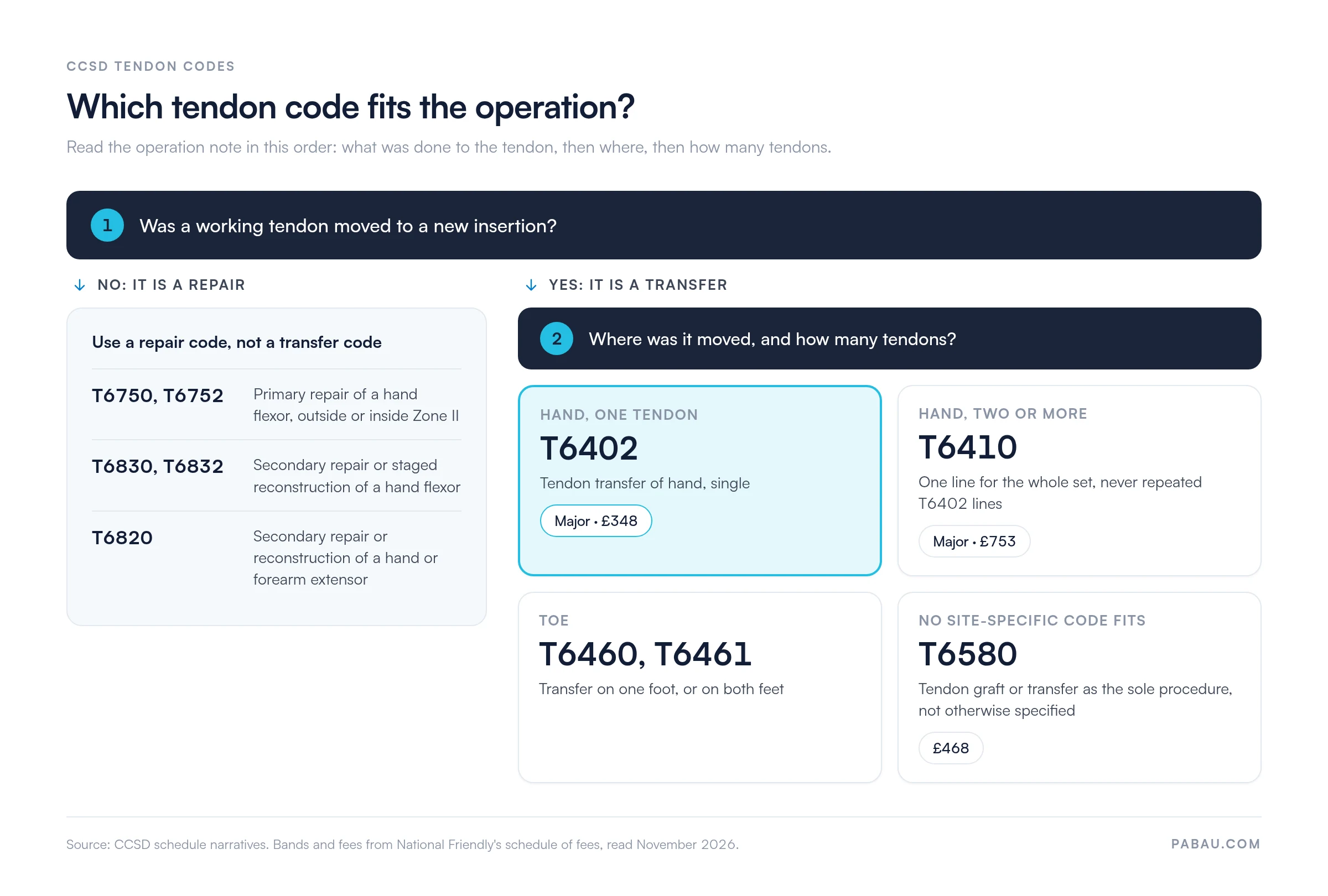
When the transfer is part of a late repair of a hand tendon, check whether T6830 or T6820 describes the whole operation better. A delayed tendon repair with no site-specific code goes on T6800 instead. The graft stage of a staged flexor reconstruction is billed separately, under code T6832.
Insurers want to know which condition the transfer treats before they authorize surgery. Use the same diagnosis in the referral, the pre-authorization request and the operation note. The WHO ICD-10 browser holds the codes below.
Code the condition behind the transfer, not the operation itself. Confirm the choice with the treating surgeon before the request goes in.
A T6402 claim is only as strong as the operation note behind it. A note that says only “tendon surgery” leaves the coder guessing between transfer, repair and graft codes.
Structured clinical records with operation note templates make these items hard to miss. The surgeon fills them in at the point of care, not from a dictation days later.
The work starts before the operation. UK insurers such as Bupa, AXA Health, Aviva and Vitality generally ask for planned surgery to be approved in advance. Our guide to Bupa CCSD codes covers how Bupa handles CCSD claims.
The anesthetist usually bills separately for the same operation. Check whether the insurer wants both claims to carry the same authorization code. If both hands are operated on, ask the insurer how it wants the second side billed.
Each of these slips gives the insurer a reason to query a T6402 claim, and each one has a fix.
If a claim is still refused, check the insurer’s current provider manual for its appeal process. Only commit to a deadline you have confirmed there.
Review your hand tendon transfer claims every quarter against the operation notes. Several T6402 lines on one date usually mean the team is missing T6410.
In many hand and plastic surgery practices, the authorization sits in an email and the operation note in another system. Then the claim is keyed in by hand. Each handoff is a chance to lose the authorization code or bill the wrong transfer code.
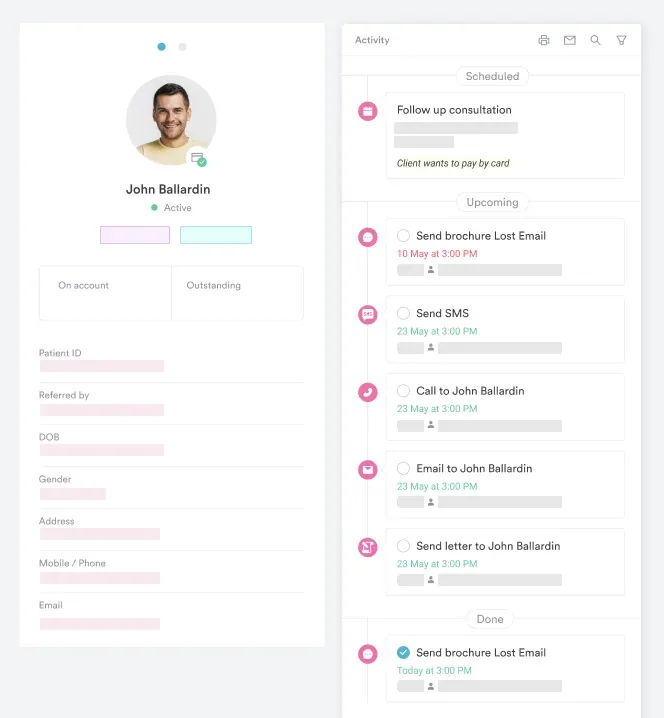
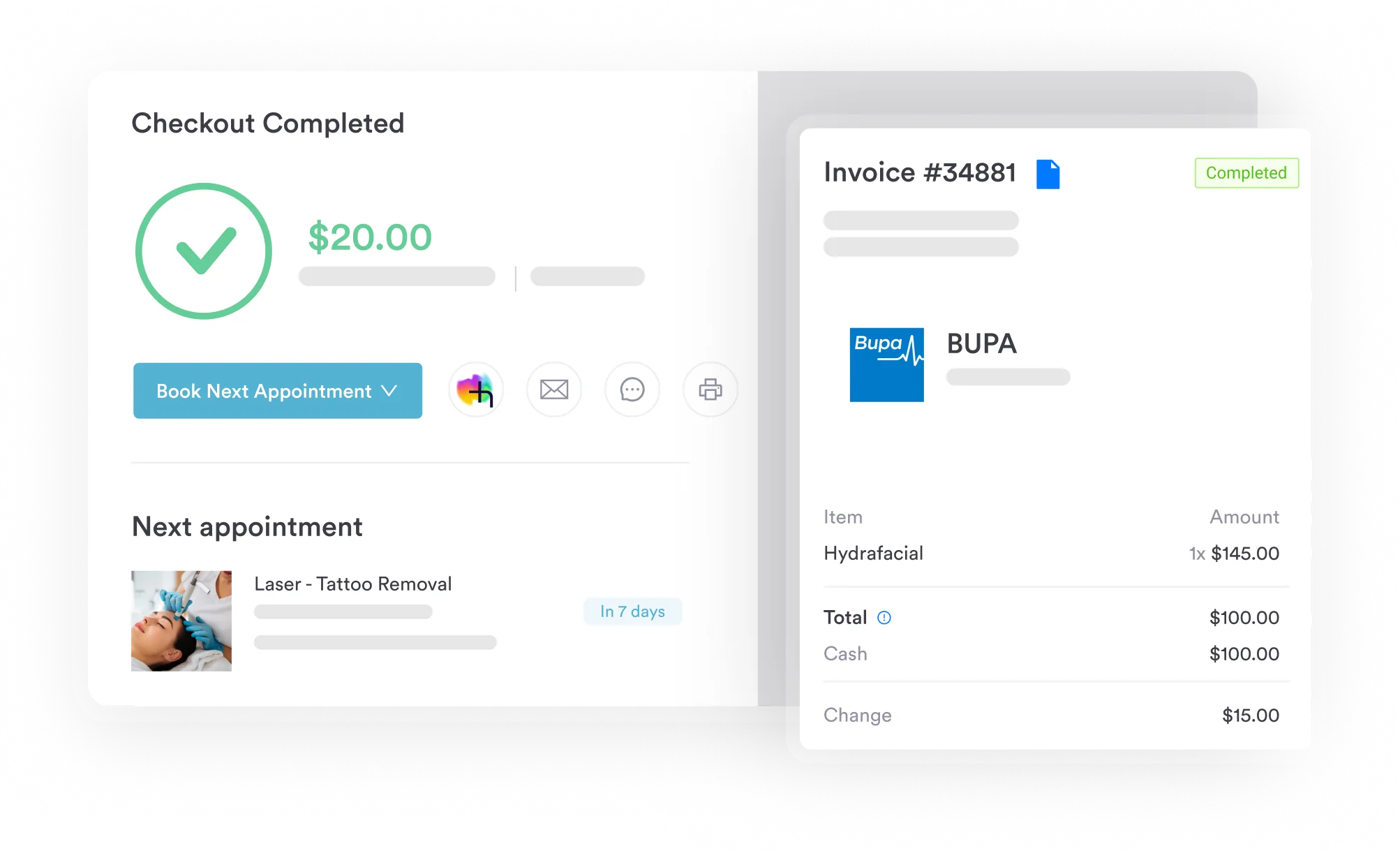
Pabau keeps those steps on the patient record. Its claims management software sends claims electronically through Healthcode and to Bupa. The authorization code sits on the patient’s case, with a warning when it is missing.
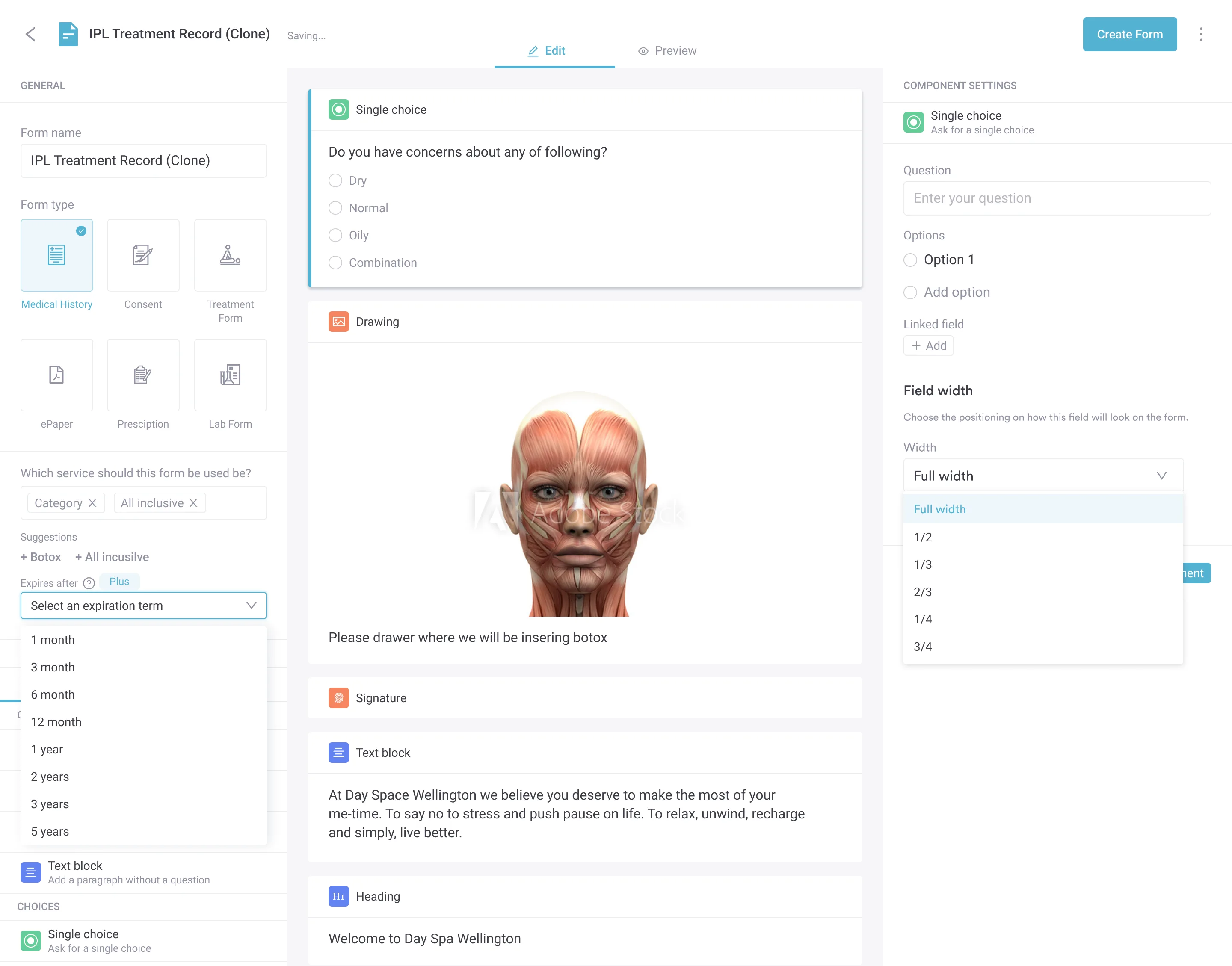
Pabau’s digital forms let you build an operation note template for tendon transfers. Fields for the donor tendon, the new insertion and the transfer count make the choice between T6402 and T6410 clear.
The result is fewer claims queried for a missing authorization code or the wrong transfer count. Your team spends less time chasing insurers and more time with patients.

Pabau keeps the authorization code on the patient’s case and warns you when it is missing. Claims go electronically through Healthcode and to Bupa.

T6402 is the code for one tendon transfer in the hand, and the transfer count decides the claim. Two or more transfers in one operation belong on T6410. There are no T6400, T6401 or T6403 codes to fall back on.
Build a note template that records the deficit, the donor tendon and the number of transfers. Then check each insurer’s current schedule before you invoice. Book a demo to see how Pabau tracks authorization codes and sends your Healthcode claims from one patient record.

Looking for another CCSD procedure code? CCSD codes lists the procedure codes Pabau covers, chapter by chapter.
Need a full Bupa CCSD billing reference? Bupa CCSD codes covers Bupa’s procedure list and how its claims work.
Coding a graft or transfer outside the hand? CCSD code T6580 covers a tendon graft or transfer done as the sole procedure.
Transferring a tendon in the toes? CCSD code T6460 covers a unilateral toe tendon transfer.
CCSD code T6402 covers a single tendon transfer of the hand. The surgeon moves one working tendon to a new insertion to restore a lost movement. UK private insurers use it on CCSD-based claims.
T6402 covers one tendon transfer of the hand. T6410 covers two or more transfers in the same operation, such as the set used after a radial nerve injury. Bill T6410 on one line rather than repeating T6402.
No. None of them is in the CCSD schedule. Primary hand flexor repairs use T6750 or T6752, and staged flexor reconstruction uses T6830 and T6832.
T6402 sits in chapter 16.0.0 Bones, Joints & Connective Tissue/Tendon Muscle, under 16.6.0 Hand, section 16.6.2 Repair / Reconstruction. Its CCSD reference is Fp.135.
The diagnosis should name the condition behind the transfer. Common choices are G56.3 for a radial nerve lesion, G56.2 for an ulnar nerve lesion and G56.1 for other median nerve lesions. Tendon ruptures use M66.2 or M66.3.
Most UK insurers expect planned surgery to be pre-authorized, and the patient’s policy decides what is covered. Confirm with the insurer before the operation date and put the authorization code on the claim.
Submit it electronically via Healthcode or direct to the insurer, with the authorization code and a fee that matches the insurer’s current schedule. Keep the operation note ready in case the insurer asks for it.




