CCSD Code D1010: Radical mastoidectomy including meatoplasty
CCSD Code D1010: Definition and clinical scope CCSD Code D1010 is the UK private...

Last Updated: Nov 25, 2026
CCSD code T6750 covers primary repair of a flexor tendon of the hand, excluding Zone II. It applies when the surgeon joins a cut flexor tendon directly at the first operation, in Zone I, III, IV or V.
Zone II, inside the digital flexor sheath, takes T6752 instead. A secondary repair or first stage reconstruction takes T6830, and a second stage reconstruction takes T6832. T6750 sits in Chapter 16 of the CCSD Schedule, under 16.6.2 Repair / Reconstruction. UK private insurers such as Bupa, AXA Health, Aviva and Vitality use the schedule for surgeon claims.
Let Pabau's smart automation suggest the right codes, reduce claim denials, and keep your practice compliant—effortlessly.
Automate repetitive tasks and focus on what matters most—your patients.
Reduce coding errors and ensure compliance with the latest regulations.
Clean claims, fewer denials, and faster reimbursements.
Powerful insights and reporting to help your practice thrive.
HIPAA compliant SOC 2 certified GDPR-compliant Trusted by 4,000+ clinics worldwide

CCSD code T6750 covers primary repair of a flexor tendon of the hand in any zone except Zone II.
A primary repair inside the digital flexor sheath, Zone II, takes T6752 instead, so the zone in the operative note decides the code.
Delayed repairs and staged reconstructions move to T6830 and T6832, which CCSD lists separately.
Insurers check the zone, the tendons repaired and the pre-authorization reference before they pay a T6750 claim.
Each insurer applies its own rules on code combinations, so confirm them before you add a second code.
CCSD code T6750 covers a direct, early repair of a cut flexor tendon anywhere in the hand except Zone II. The code comes from the CCSD Schedules, the standard procedure codes for UK private healthcare.
CCSD stands for Clinical Coding and Schedule Development. Flexor tendons bend the fingers and thumb, and practices bill these repairs to insurers through Healthcode.
The listing describes one operation, a direct repair of a cut flexor tendon at the first opportunity. Read it narrowly. Work outside that description usually needs its own code or the insurer’s agreement.
Usually part of a T6750 repair:
Not covered by T6750:
If the operation changes in theatre, the code may change with it. Tell the insurer promptly, and keep its answer on file.
Surgeons divide the finger flexor tendons into five zones, numbered from the fingertip toward the forearm. Only Zone II has a primary repair code of its own. T6750 takes every other zone.
Thumb flexor injuries use a separate zone scheme. For a flexor pollicis longus repair, confirm with the insurer how it reads the Zone II exclusion.
Some cuts also cross a zone boundary. Record the level of each tendon cut, and ask the insurer at pre-authorization which code it expects.
Section 16.6.2 holds four flexor tendon listings for the hand. Two facts choose between them, the zone of the injury and whether the repair is primary or later. The grid below crosses the two.
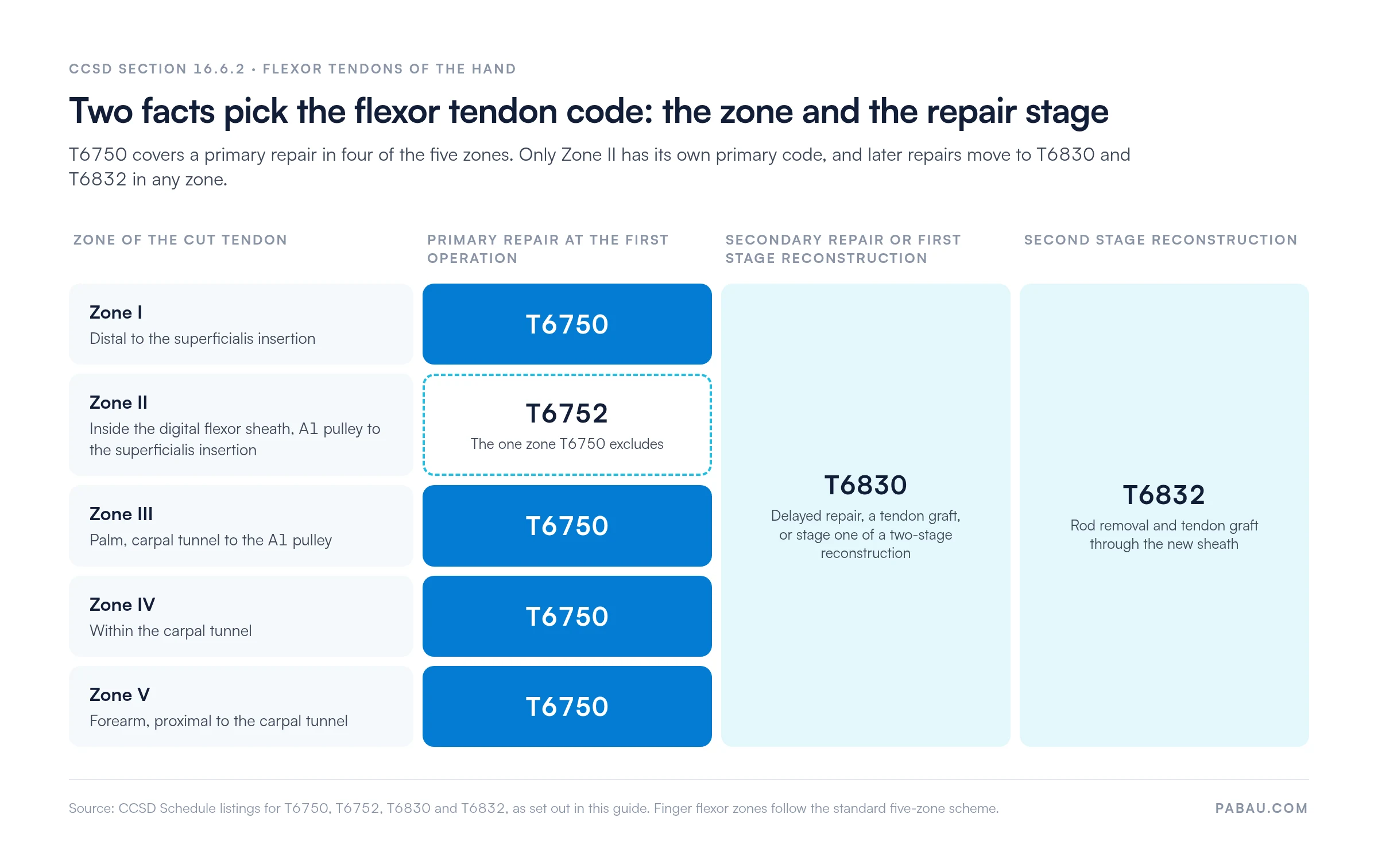
Our guides to CCSD code T6752 and CCSD code T6830 cover those neighbours in the same format.
Extensor tendons follow a different pattern. A primary extensor repair in the hand takes CCSD code T6710, whatever the zone. A late repair or reconstruction of an extensor tendon in the hand or forearm takes CCSD T6820 instead. Tendons outside the hand have codes of their own, and a first open lengthening of the Achilles tendon is billed as CCSD code T6722.
CCSD lists T6750 among the unacceptable combinations for T6832. A first repair and a second stage reconstruction are separate operations on separate dates, so they never share a claim. Our CCSD code T6832 guide covers that second stage.
Insurers read the operative note to confirm two facts. The repair was primary, and it happened outside Zone II. A note that leaves either point vague invites a query.
A structured note template helps the surgeon capture each item on the day, so the note is complete before anyone builds the claim.
A complete T6750 note records:
Timing matters as much as anatomy. When an insurer asks whether a repair counts as primary, it looks at how much time passed between injury and surgery.
UK insurers expect WHO ICD-10 codes, not the US ICD-10-CM set. The examples below fit common flexor tendon injuries. Confirm each one in the WHO ICD-10 browser before you submit.
Add a second code for the open wound where the insurer asks for one. Keep the diagnosis consistent across every claim for the operation.
Flexor tendon cuts are usually repaired urgently. That leaves little time for pre-authorization, so ask the patient to call their insurer early. Record the reference it issues.
Insurers handle urgent and retrospective authorization differently. Check the patient’s own insurer rather than assume a standard window. Confirm, too, that the insurer recognizes the surgeon for hand surgery.
Fees are set by each insurer, not by CCSD. Our guide to CCSD codes explains how the schedule works across insurers. The Bupa CCSD codes guide shows how one large insurer applies it.
Most T6750 queries trace back to the zone, the repair type, the paperwork or a mismatch between claims. Each one is preventable before submission.
CCSD publishes coding principles and lists unacceptable combinations for some codes. It describes those principles as guidelines, not an exhaustive list.
Where the schedule is silent, each insurer decides whether to accept a combination. Insurers generally treat the routine steps of a tendon repair as part of the main code. Wound exploration, closure and splinting fall into that group.
Separate structures raise a different question. A digital nerve or artery repaired at the same operation may have a listing of its own. Ask the insurer at pre-authorization whether it accepts that pairing, and record the answer.
Several fingers in one operation need the same care. CCSD has no multiple-digit modifiers, so agree with the insurer how to report them. Record each finger separately in the note, with its own zone and tendons.
Billing T6750 depends on three pieces lining up: a fast pre-authorization, a clear operative note and a matching diagnosis code. In an urgent hand case, chasing each one through email slows the claim down.
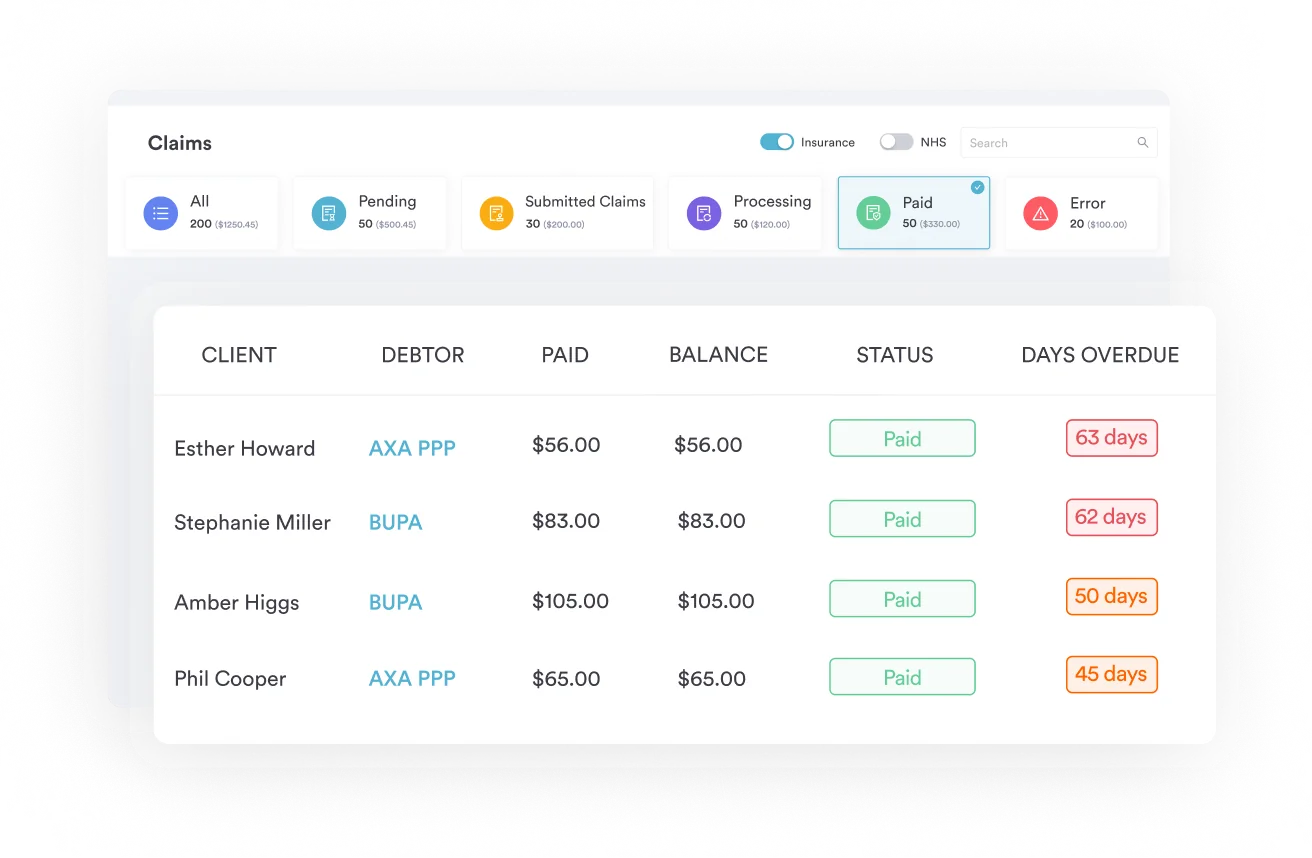
Pabau, a practice management platform for private practices, keeps those steps on one patient record. Its claims management software sends private medical insurance claims through Healthcode to insurers such as Bupa, AXA Health and Vitality. The pre-authorization reference sits on the patient’s case, so it follows the operation onto the claim.
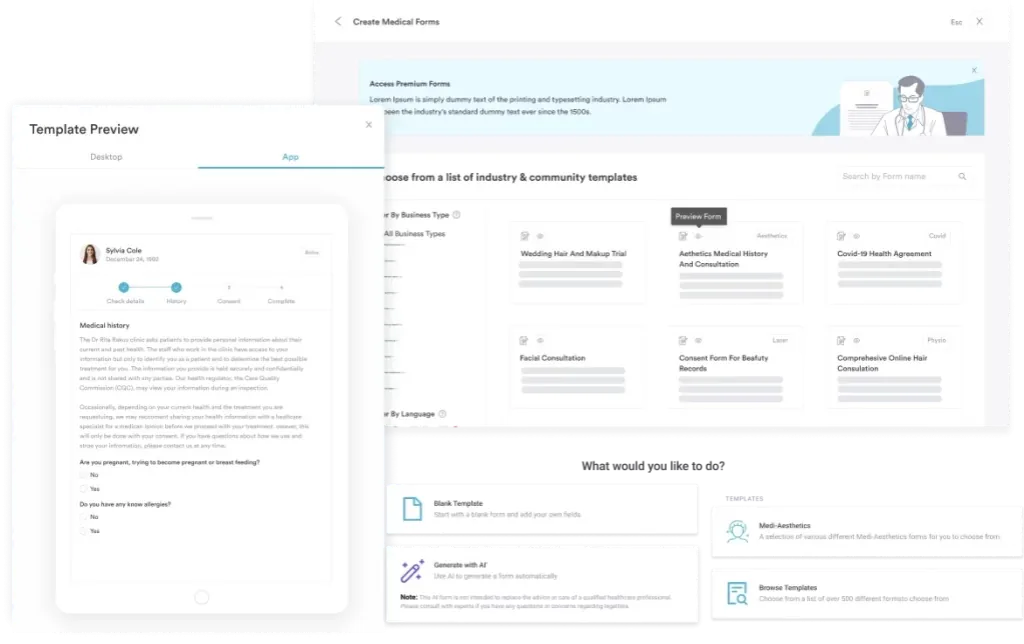
Structured digital forms give the operative note set fields for zone, digit and tendons. For private orthopedic and hand surgery practices, that keeps the operative detail and the claim side by side. Staff answer an insurer query from one screen instead of three.

Pabau keeps the operative note, pre-authorization reference and Healthcode claim on one patient record. Your team sees each T6750 claim’s status without switching systems.

T6750 is a broad code with one sharp edge. It covers primary flexor repair across four zones, and only Zone II falls outside it. So the zone in the operative note is the fact that decides the claim.
Get the zone, the repair type and the tendons on record in theatre. Then check any extra code with the insurer before submission, not after a denial.
Book a demo to see how Pabau keeps the operative note, pre-authorization and Healthcode claim for T6750 on one patient record.

Repairing a flexor tendon inside the digital sheath? CCSD code T6752 covers primary flexor repair in Zone II, the one zone T6750 leaves out.
Billing a delayed repair or a staged reconstruction? CCSD code T6830 explains secondary repair and first stage reconstruction of a hand flexor.
Need the wider picture of the CCSD schedule? CCSD codes guide explains how UK private insurers use the schedule for procedure claims.
Working out what Bupa pays for a procedure? Bupa procedure codes fee schedule details how Bupa’s fees work across CCSD codes.
The T6750 listing sets no time limit. If the surgeon joins the tendon ends directly at the first operation, it is usually coded as primary. A repair that needs a graft or a staged approach moves to T6830. Confirm how the insurer treats delayed cases at pre-authorization.
No, the code stays T6750, because the listing describes the tendon repair rather than the anesthetic. Under wide-awake local anesthesia with no tourniquet (WALANT), an anesthesiologist often isn’t present. Record the technique in the operative note, so the insurer can see why no anesthetic claim follows.
The listing names the repair, not the cause of the injury. A jersey finger is an avulsion of the FDP tendon in Zone I. A direct reattachment at the first operation may fit T6750. Reattachment to bone with an anchor can be read differently, so confirm the code with the insurer at pre-authorization.
No. The listing describes the operation itself. Post-operative hand therapy is a separate outpatient service, usually billed by the therapist. Check the patient’s policy for its outpatient therapy limits.
Only when the surgeon repairs it with sutures. Small partial cuts are often trimmed or left unsutured. If the operation was exploration alone, T6750 doesn’t describe it, so check the right listing with the insurer. Record how much of the tendon was cut and what was done.