CCSD Code D1010: Radical mastoidectomy including meatoplasty
CCSD Code D1010: Definition and clinical scope CCSD Code D1010 is the UK private...

Last Updated: Nov 25, 2026
CCSD code T6820 covers secondary repair or reconstruction of an extensor tendon in the hand or forearm. Surgeons use it when a tendon that straightens the wrist, fingers or thumb is repaired late, or after an earlier repair has failed. Reconstruction may bridge the defect with a tendon graft or transfer.
Two details decide whether the claim holds up. The operative note has to show why the repair is secondary, and the claim can't also carry T6914, extensor tenolysis of the hand. CCSD lists that pair as an unacceptable combination. Flexor tendons take T6830 instead.
Let Pabau's smart automation suggest the right codes, reduce claim denials, and keep your practice compliant—effortlessly.
Automate repetitive tasks and focus on what matters most—your patients.
Reduce coding errors and ensure compliance with the latest regulations.
Clean claims, fewer denials, and faster reimbursements.
Powerful insights and reporting to help your practice thrive.
HIPAA compliant SOC 2 certified GDPR-compliant Trusted by 4,000+ clinics worldwide

CCSD code T6820 is secondary repair or reconstruction of an extensor tendon of the hand or forearm.
It belongs to the T68xx family of delayed or secondary tendon repairs, under the general entry T6800.
Flexor tendons take a different code, T6830, which covers secondary repair or first stage reconstruction of a flexor of the hand.
CCSD lists T6914, extensor tenolysis of the hand, as an unacceptable combination with T6820.
The operative note should show why the repair is secondary, which tendon was treated and whether it was repaired or reconstructed.
CCSD code T6820 is the schedule entry for “secondary repair or reconstruction of extensor of hand/forearm.” CCSD’s own coding principles for T6914 list T6820 under exactly that narrative. Extensor tendons run along the back of the forearm and hand, and they straighten the wrist, fingers and thumb.
Secondary means the tendon wasn’t repaired at the first opportunity, or the first repair didn’t hold. The surgeon comes back to it later, often weeks after the injury. By then the ends may have retracted or scarred, so closing them directly isn’t always possible.
The surgery restores lost hand function, so treat it as reconstructive work from consent through to the claim.
A repair counts as secondary when the first chance to fix the tendon has passed, or when an earlier repair has failed. Four situations usually lead there, and each leaves a different trail in the notes.
A tendon repaired at the first operation, soon after the injury, is a primary repair, and T6820 doesn’t apply. For a fresh extensor injury in the hand, the primary entry is T6710.
Two questions settle most cases. Which side of the hand is the tendon on? And is this a late or redo repair? The flow below adds the tenolysis check, and our T6830 guide covers the flexor side in depth. The second stage of a staged flexor reconstruction has its own code, CCSD T6832.
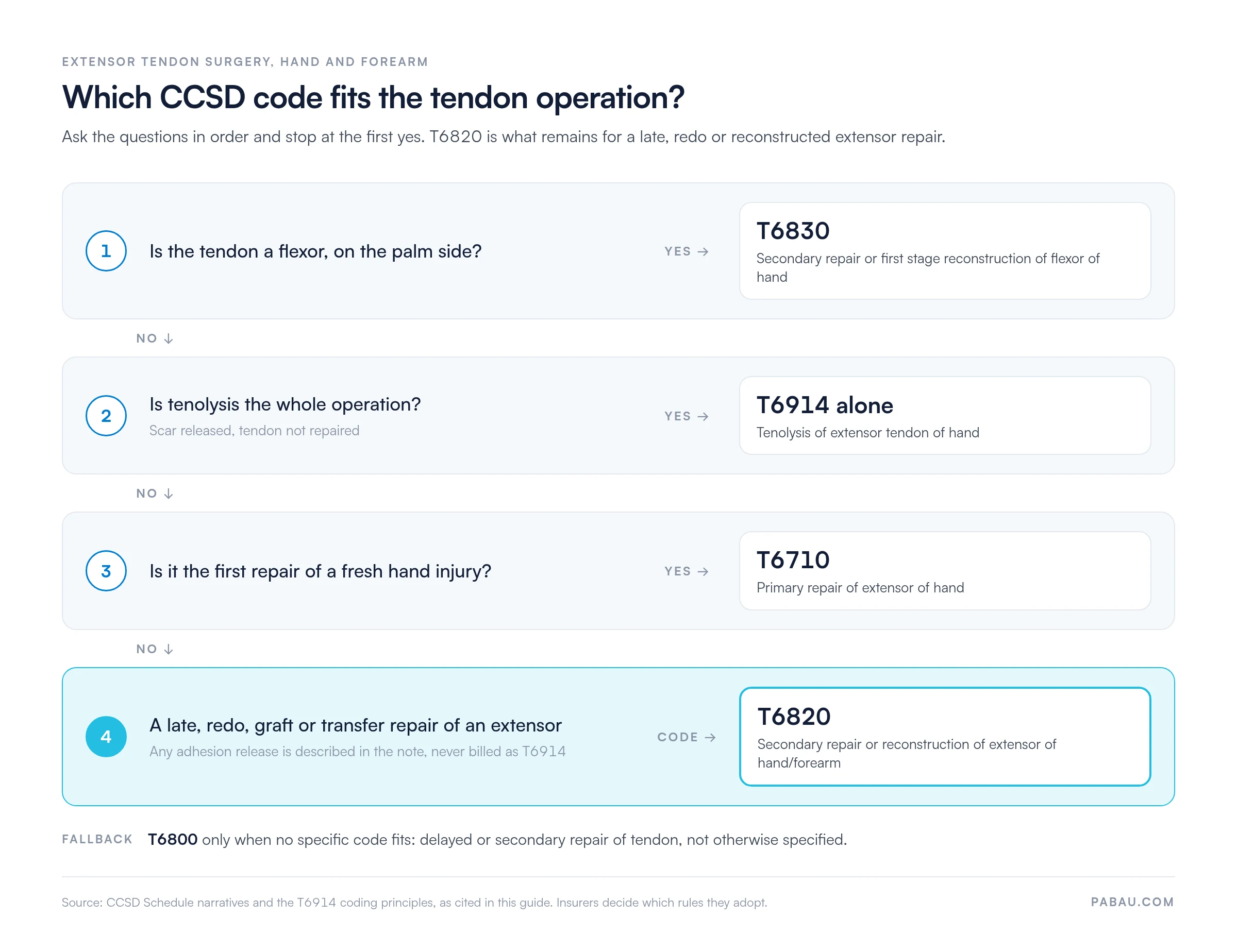
Our T6800 guide explains when the general entry is the right call. For any code outside this table, confirm its narrative in the current CCSD Schedule rather than a third-party list.
CCSD lists T6914, tenolysis of an extensor tendon of the hand, as an unacceptable combination with T6820. Coders tend to ask four questions about the rule.
Can I add T6914 if the surgeon freed adhesions during the repair? No. CCSD added the T6820 and T6914 combination to its unacceptable list on 20 January 2010.
Why does the rule exist? The indexed CCSD pages don’t state a reason. Coders usually read it this way: releasing scar around the tendon is part of reaching it for the repair.
Does every insurer apply it? CCSD calls its coding principles guidelines, and each insurer decides whether to adopt a combination. Assume the rule applies unless the insurer confirms otherwise in writing.
What if tenolysis is the whole operation? Then T6914 stands on its own, and T6820 has no place on the claim.
Here’s an illustrative case. A patient cuts the back of their right hand on glass. The wound is closed in the emergency department, and nobody tests finger extension.
Five weeks later, they can’t straighten their ring finger. The hand surgeon explores the wound and finds the extensor tendon divided, with retracted, scarred ends.
The surgeon frees the scar and bridges the defect with a palmaris longus graft. A splint protects the repair afterward.
The claim carries one line of T6820. The adhesion release isn’t billed as T6914, because CCSD lists that pair as unacceptable. Ask the insurer before adding any separate line for the graft harvest.
The operative note gives the injury date and explains why the tendon wasn’t repaired at the time. It also names the finger, the side and the graft source.
Most UK insurers ask for an ICD-10 diagnosis alongside the procedure code. For T6820, it should name the tendon injury or rupture behind the late repair. These are the usual starting points:
Check the wording and any extra characters against the ICD-10 edition your insurer uses.
A note that says only “extensor tendon repair” reads like a primary repair. Give the reviewer the timing and the detail, so the code makes sense on first reading.
Run through this list before the claim leaves the practice.
CCSD writes the codes and their narratives, and our guide to CCSD codes explains how the schedule works. It doesn’t set fees or decide what a policy covers. Those calls belong to each insurer.
Planned surgery under UK private medical insurance normally needs pre-authorization. Contact the insurer before you book operating time, and log the reference number on the patient record.
For fees, use each insurer’s own tools. Bupa publishes its schedule at codes.bupa.co.uk. Our overview of Bupa CCSD codes explains how that schedule is laid out.
Secondary tendon claims tend to stall on paperwork. The consent form, operative note and pre-authorization number often live in different places, and someone has to gather them.
Pabau, a practice management platform for private practices, keeps them together. Digital consent forms are signed before surgery and stored on the same patient record as the operative note.
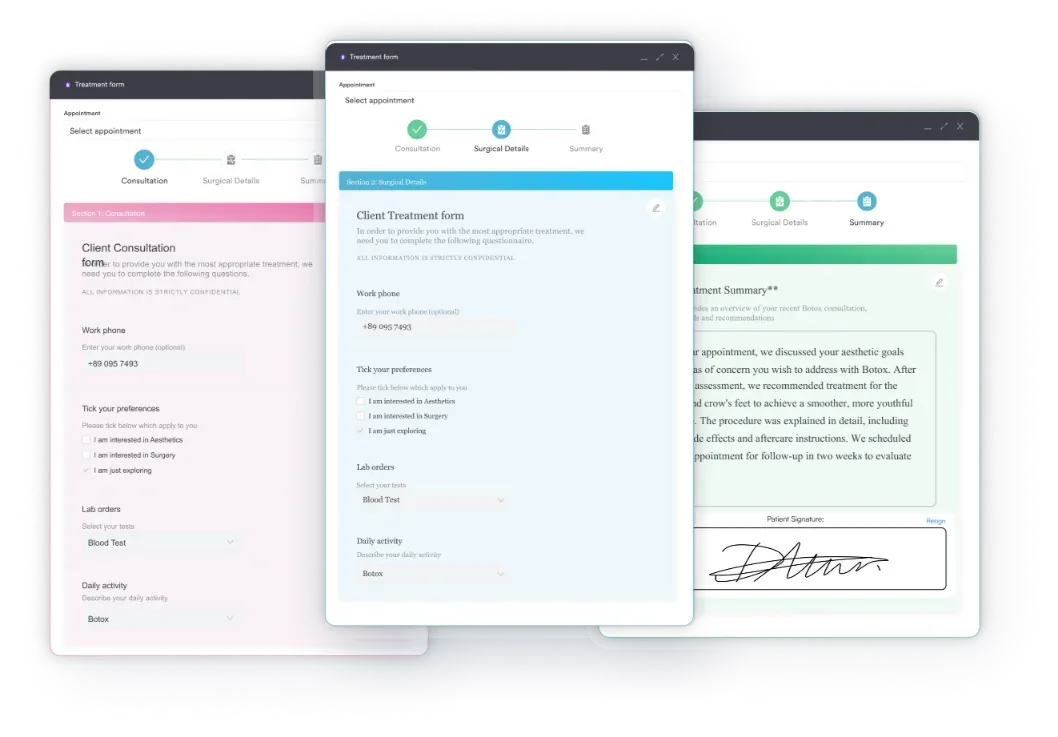
When the claim is ready, the record pre-fills the claim form. Required fields such as membership and authorization numbers must be complete before it can be sent. Pabau’s claims management supports electronic claims through Healthcode in the UK.
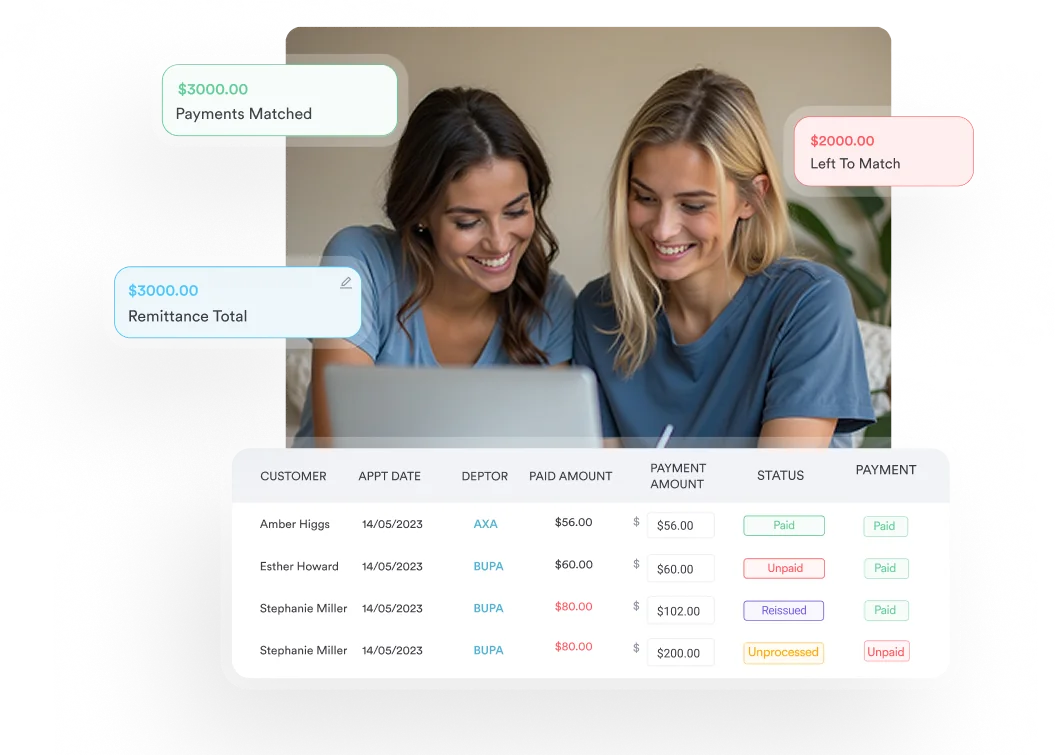

Pabau stores consent forms and operative notes on the patient record, checks required claim fields and supports electronic claims through Healthcode in the UK.

T6820 rewards precision. Get the tendon, the timing and the combination rule right, and the claim reads clearly to any insurer’s reviewer.
The tenolysis line is the trap to watch. Surgeons often free adhesions during a secondary repair, so the urge to bill it is strong. Leave it off the claim and describe it in the operative note instead.
Confirm the narrative in the current CCSD Schedule before each claim, since descriptors can change. Book a demo to see how Pabau keeps consent, operative notes and Healthcode claims on one patient record.

Coding the flexor side instead? CCSD code T6830 explains secondary flexor repair and staged flexor reconstruction.
Billing Bupa patients? Bupa CCSD codes covers how Bupa structures its procedure code schedule.
Coding a fresh extensor injury instead? CCSD code T6710 covers primary repair of an extensor tendon in the hand.
No specific tendon code fits? CCSD code T6800 explains the general entry for delayed or secondary tendon repair.
Want fewer returned claims? Claims management software shows how claim fields are checked before submission.
Usually, when it treats an injury or rupture and the policy covers that condition. Exclusions for pre-existing or chronic conditions can apply, for example a rupture linked to rheumatoid arthritis. Check cover before surgery is booked.
Most patients wear a splint for several weeks, then move on to hand therapy. Regaining full use often takes around three months. The surgeon’s own protocol sets the exact timeline.
Hand surgeons, trained in either plastic surgery or orthopedics. Many private hospitals run dedicated hand units with specialist hand therapists alongside them.
No. T6820 covers the operation itself. Hand therapy after surgery is usually billed separately by the therapist, under the insurer’s own therapy rules.
No. CCSD codes are used to bill UK private medical insurers. NHS hospitals record operations with OPCS-4 codes, a separate classification with its own format.