CCSD Code T7620: Billing guide for UK private practice
CCSD Code T7620: Definition and official descriptor CCSD Code T7620 is a billabl...

Last Updated: Nov 25, 2026
J0400 is the CCSD code for repair of liver (including therapeutic laparoscopic operations on liver). UK private medical insurers such as Bupa, AXA Health, Aviva and Vitality use it to pay for open or laparoscopic repair of liver tissue.
The code sits in the Other Organs (Mainly Digestive) section of the CCSD schedule. Robotic-assisted repair has its own code, J0401. Liver resection, tumor resection, ablation, drainage and biopsy are each coded separately.
Let Pabau's smart automation suggest the right codes, reduce claim denials, and keep your practice compliant—effortlessly.
Automate repetitive tasks and focus on what matters most—your patients.
Reduce coding errors and ensure compliance with the latest regulations.
Clean claims, fewer denials, and faster reimbursements.
Powerful insights and reporting to help your practice thrive.
HIPAA compliant SOC 2 certified GDPR-compliant Trusted by 4,000+ clinics worldwide

CCSD Code J0400 is the UK private healthcare code for repair of the liver, covering open surgery and therapeutic laparoscopic operations on the liver.
Robotic-assisted liver repair is billed under its own code, J0401, so the operative note must state the approach before the code is chosen.
Liver resection, tumor resection, ablation, drainage and biopsy each have their own CCSD codes, and CCSD lists several of them as unacceptable combinations with J0400.
Bupa moved the anesthetist category for J0400 from Major +2 to Major +4 on 5 March 2024, which changes how the anesthetist’s fee is assessed.
UK insurers expect a pre-authorization number, a matching ICD-10 diagnosis code and a clear operative note on every J0400 invoice.
CCSD Code J0400 is the procedure code for Repair of liver (including therapeutic laparoscopic operations on liver) in the UK private healthcare schedule. The schedule is run by the CCSD Group, whose board includes representatives from Bupa, Vitality, AXA Health and Aviva, plus major private hospital groups. Surgeons and hospitals use J0400 to bill those insurers, and others that recognize CCSD codes, for operations that repair liver tissue.
J0400 sits in the Other Organs (Mainly Digestive) section of the schedule. It covers both open and laparoscopic repair under one code. Robotic-assisted repair is the exception, because the schedule gives it a separate code, J0401.
Each insurer sets its own fee for the code, so the same J0400 claim can be paid differently by Bupa and AXA Health. Our Bupa CCSD codes guide explains how the schedule and insurer fee lists fit together. Several of the liver codes named below have their own page in our CCSD billing guides.
J0400 describes a repair, which means the surgeon restores damaged liver tissue rather than removing part of the liver. Typical operations billed under it include:
Removing liver tissue is a different procedure in the schedule. A hemihepatectomy is J0210, a tumor resection is J0310, and an open hepatectomy with ablation is J0740. Each keeps its own code even when the surgeon also controls bleeding along the way. A hepatic duct injury repaired by joining the duct to a loop of jejunum is coded separately, as J2900.
The operative note settles the code in two steps, shown in the diagram below. First comes what the surgeon did to the liver, then which approach the repair used.
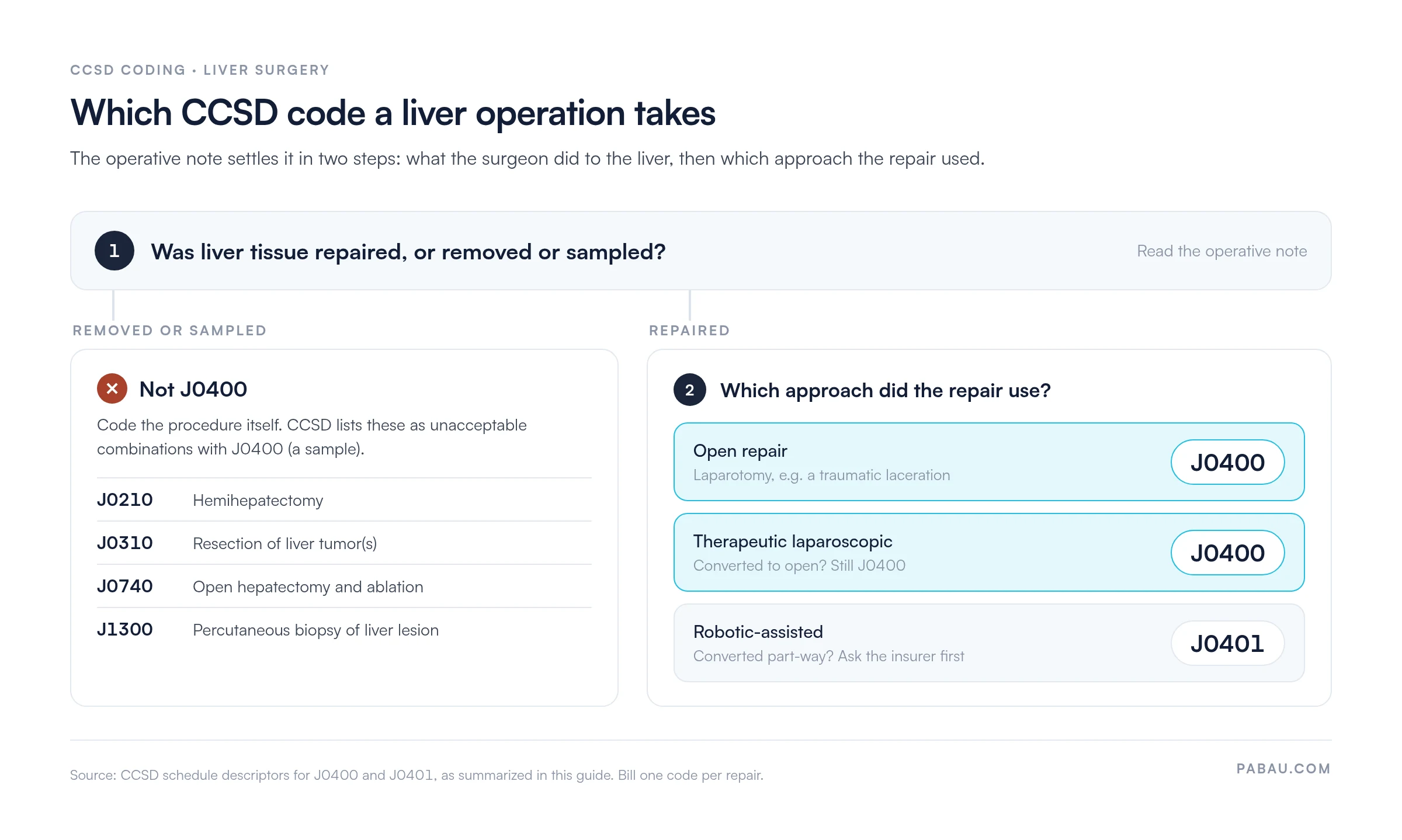
The approach decides the code. Open and laparoscopic repair both go under J0400, because its descriptor names therapeutic laparoscopic operations. A robotic-assisted repair goes under J0401, the robotic counterpart with the same scope. Other abdominal codes can split by approach as well. Open closure of a perforated duodenal ulcer is billed as CCSD code G5320, while a laparoscopic closure is checked against G3580 first.
Bill one of the two for a single repair, never both. If a laparoscopic repair is converted to open, it stays under J0400, and the operative note should record the reason for conversion. A robotic case that is converted part-way should be discussed with the insurer before the invoice goes out.
The CCSD schedule lists unacceptable combinations for each code. These are pairs that should not appear on the same invoice for one operation. The CCSD Group’s FAQ calls them non-exhaustive guidelines, and each insurer decides whether to apply a given pair. The list below is a sample of codes CCSD pairs with J0400. Confirm the full list in the CCSD schedule search.
Run the same check on liver drainage and puncture codes, such as J1400, before you invoice. Insurers can still apply their own bundling rules on top of the schedule.
UK private insurers expect a WHO ICD-10 diagnosis code alongside the CCSD code on each invoice. The diagnosis has to explain why the liver needed repair. Confirm each code in the WHO ICD-10 browser before you submit.
A cancer diagnosis such as C22.0 is a warning sign on a J0400 claim. Tumor surgery is usually a resection, which has its own code, so check the operative note before you pair the two.
The operative note is what the insurer reads when it queries a J0400 claim. A note that only says “liver repaired” leaves the code open to challenge. The note should cover:
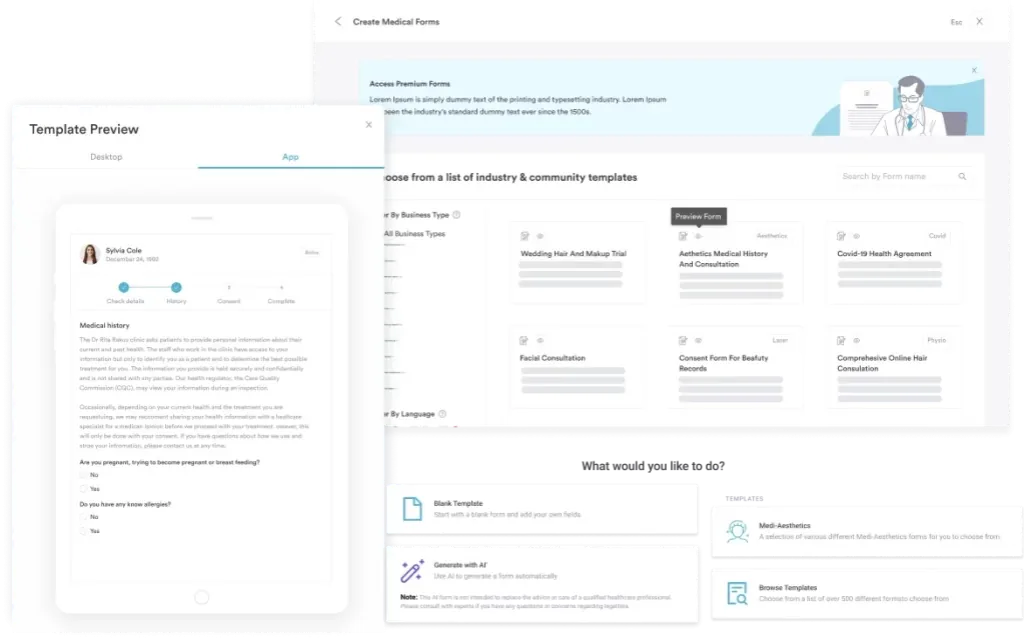
Keep consent forms and operative notes as signed digital forms on the patient record. The billing team then codes from the signed note rather than a summary.
For a planned liver repair, the patient or the practice asks the insurer for pre-authorization before admission. The insurer confirms cover and issues an authorization number for the agreed CCSD code. That number then goes on the invoice.
Insurers usually ask for:
Much J0400 work follows trauma, and most UK private medical insurance policies do not cover emergency admissions. Those patients are usually treated in an NHS emergency department. A private J0400 claim is therefore more often planned surgery, where pre-authorization can and should come first.
If the operation changes on the day, for example from repair to resection, call the insurer before you invoice. An invoice for a code that differs from the authorization is a common reason for a query.
The CCSD schedule does not use CPT-style modifiers. Differences in approach are built into separate codes, which is why robotic repair has J0401. The anesthetist bills separately, under the insurer’s own rules for the anesthetic.
Bupa grades each procedure for anesthetic complexity. On 5 March 2024, Bupa changed the anesthetist’s category for J0400 from Major +2 to Major +4. That higher category reflects a more demanding anesthetic and changes how Bupa assesses the anesthetist’s fee.
Check the current category and fee in the Bupa procedure code search before each case. Other insurers publish their own fee schedules, and their categories can differ from Bupa’s.
Each error below can get a J0400 claim queried or rejected, and each one can be caught before the invoice goes out.
Before a J0400 invoice goes out, check three items. The authorization number covers J0400, not J0401 or a resection code. The ICD-10 code matches the injury or condition in the operative note. No code on the invoice appears on the CCSD unacceptable combinations list for J0400.
A J0400 claim passes through several hands. The surgeon writes the note, the secretary chases the authorization, and the billing team sends the invoice. Each handover is a chance for a missing number or a mismatched code.
Pabau’s claims management software keeps those steps on one patient record. UK claims go to insurers through Healthcode and Bupa. The authorization code, its dates and sessions are tracked on the case, with a warning when one is missing.
Consent forms and operative notes sit on the same record, so the billing team can check the note against J0400 before the invoice leaves. The result is fewer queries and faster payment for complex surgical cases.
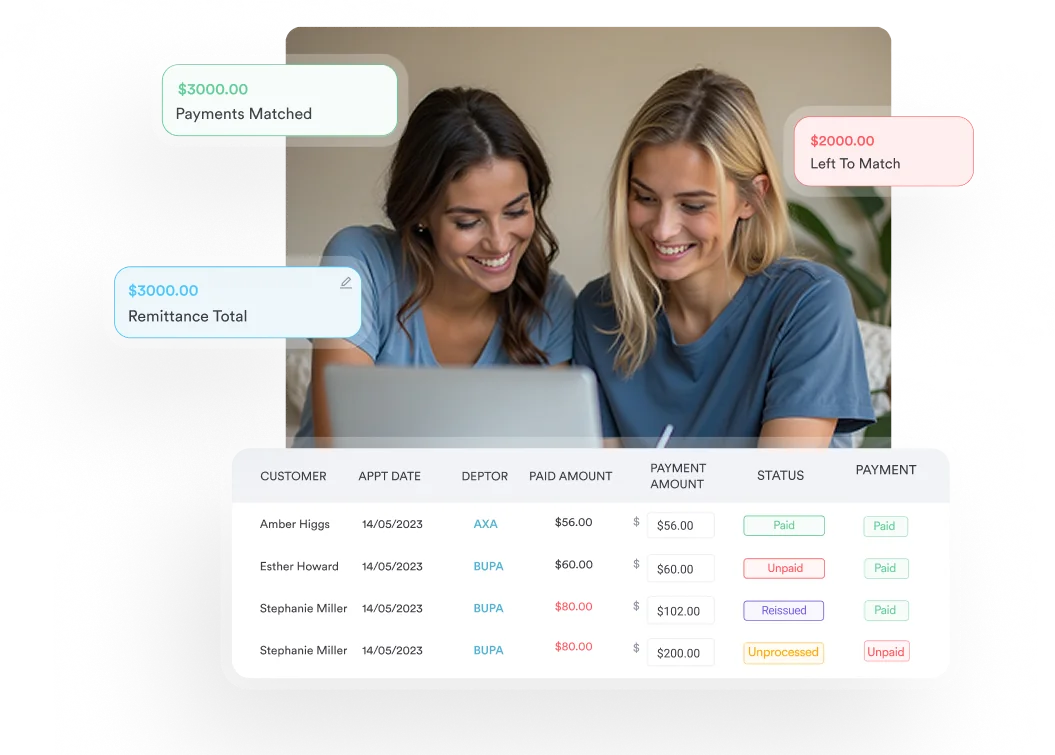

Pabau tracks authorization codes on each case, keeps operative notes on the patient record, and sends UK claims through Healthcode and Bupa.

J0400 is a narrow code. It pays for repairing the liver, open or laparoscopic, and leaves resection, ablation and robotic work to their own codes. Getting it paid depends on matching the code to the operative note, the authorization and the diagnosis.
Bupa’s move to Major +4 shows that insurer categories change, so check the insurer’s current listing before each case. To see how Pabau keeps CCSD claims, authorizations and notes in one place, book a demo.

Need the wider picture on CCSD coding? Bupa CCSD codes guide explains how insurers use the schedule and set fees for each code.
Billing a liver resection with ablation instead? CCSD Code J0740 covers open hepatectomy and ablation, with its own documentation rules.
Was a tumor removed rather than repaired? CCSD code J0310 explains how resection of liver tumors is coded and billed.
Was the liver only biopsied? CCSD code J1300 covers percutaneous biopsy of a liver lesion.
Want fewer rejected insurer claims? Claims management software from Pabau tracks authorizations and sends UK claims through Healthcode and Bupa.
CCSD Code J0400 covers repair of the liver, including therapeutic laparoscopic operations on the liver. It is used in UK private healthcare billing for open or laparoscopic repair. Robotic-assisted repair uses J0401, and liver resection, ablation, drainage and biopsy have their own codes.
J0400 is for liver repair done open or laparoscopically. J0401 is for the same repair done with robotic assistance. Bill one of them for a single repair, based on the approach recorded in the operative note.
The CCSD Group maintains the CCSD schedule, including J0400. Its board includes representatives from Bupa, Vitality, AXA Health and Aviva, plus major private hospital groups. Each insurer sets its own fee for the code.
No. The CCSD schedule does not use CPT-style modifiers, so a different approach gets its own code, such as J0401 for robotic repair. The anesthetist bills separately, and Bupa has graded J0400 as Major +4 since 5 March 2024.
Yes, for planned surgery UK insurers expect a pre-authorization number before admission. The number covers the agreed CCSD code, so call the insurer if the operation changes. Most private policies do not cover emergency admissions, which the NHS usually treats.
No. The CCSD schedule lists liver resection codes, such as J0210 and J0310, as unacceptable combinations with J0400. Check the current list in the CCSD schedule before you invoice.