CCSD Code D1010: Radical mastoidectomy including meatoplasty
CCSD Code D1010: Definition and clinical scope CCSD Code D1010 is the UK private...

Last Updated: Nov 25, 2026
T7010 is the CCSD code for percutaneous tenotomy, the release of a tendon through a needle puncture or small stab incision. UK private medical insurers such as Bupa, AXA Health, Aviva and Vitality use it to authorize and pay for the procedure. It sits in Chapter 16 of the CCSD schedule, under connective tissue and tendon muscle.
The approach decides the claim. An open tenotomy or a tendon lengthening is a different code, T7050, and the two can't be billed together. CCSD sets the code and its rules, while each insurer decides what it pays.
Let Pabau's smart automation suggest the right codes, reduce claim denials, and keep your practice compliant—effortlessly.
Automate repetitive tasks and focus on what matters most—your patients.
Reduce coding errors and ensure compliance with the latest regulations.
Clean claims, fewer denials, and faster reimbursements.
Powerful insights and reporting to help your practice thrive.
HIPAA compliant SOC 2 certified GDPR-compliant Trusted by 4,000+ clinics worldwide

CCSD code T7010 covers percutaneous tenotomy, where a tendon is divided through a needle puncture or small stab incision.
An open tenotomy or a tendon lengthening is T7050, and CCSD lists the two codes as an unacceptable combination.
Achilles lengthening and repair codes, such as T6720 and T6810, can’t share a claim with T7010 either.
The operative note should name the tendon, the side, the percutaneous approach and any imaging guidance.
CCSD sets the code and its principles, while each insurer sets its own fee and authorization terms.
CCSD code T7010 is the UK private insurance code for percutaneous tenotomy. CCSD’s code entry for T7010 files it in Chapter 16, under connective tissue and tendon muscle. The surgeon divides or releases a tendon through a needle puncture or a small stab incision, without opening the skin to expose it.
Insurers such as Bupa, AXA Health, Aviva and Vitality use the code to authorize and pay for the procedure. Its entry also lists the procedures that can’t be billed alongside it. Those combination rules shape most of the coding choices below.
Keep one limit in mind from the start. The CCSD group publishes CCSD codes and coding principles, but it doesn’t set fees or decide classification. Each insurer decides what it pays for a T7010 claim. Each one also chooses whether to adopt a given coding principle.
A percutaneous tenotomy releases a tight or damaged tendon with little disruption to the tissue around it. Consultants often use ultrasound to guide the needle or blade to the right spot. Many are done under local anesthetic as an outpatient or same-day procedure.
Consultants usually reach for it in two situations. The first is chronic tendinopathy that hasn’t settled with rest, physiotherapy or injections, such as tennis elbow. The second is a tendon contracture that limits movement in a joint.
Needle-based treatment of tendinopathy is where coding questions tend to come up. So ask at pre-authorization whether the insurer accepts T7010 for the technique you plan. A two-minute call then saves a queried claim later.
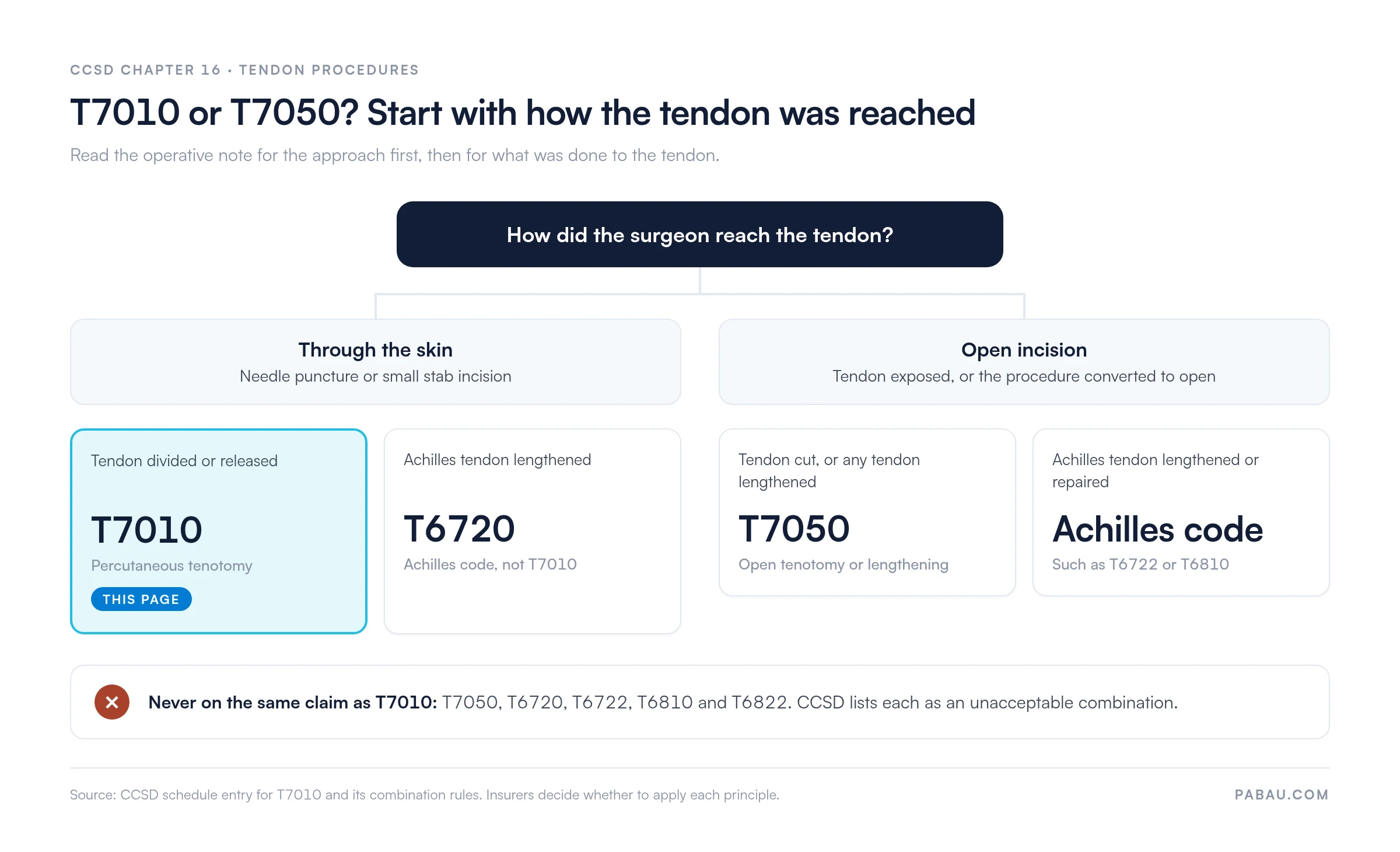
The biggest coding choice is how the surgeon reached the tendon. A release through the skin is T7010. Once the tendon is exposed through an open incision, the procedure moves to T7050, lengthening of tendon(s) or open tenotomy.
T7050 also covers tendon lengthening. A procedure that lengthens the tendon, rather than dividing it, therefore points away from T7010. Use the table below as a first check, then confirm against the operative note.
CCSD lists T7050 as an unacceptable combination with T7010. The same applies to Achilles lengthening and repair codes, including T6720, T6722, T6810 and T6822. Bill the code that matches the main procedure, and don’t add a second tendon code without checking that insurer’s rules.
The diagram below puts the approach and the combination rules in one view.
Most UK insurers ask for an ICD-10 diagnosis code alongside the CCSD code. That’s the WHO version of ICD-10 used in the UK, not the US ICD-10-CM. The diagnosis tells the insurer why the tendon needed releasing.
Choose the diagnosis from the clinical findings, not from this list. A diagnosis that doesn’t match the tendon in the operative note is a common reason for a query.
The insurer reads the note to confirm the code. Make sure it states these points in plain words:
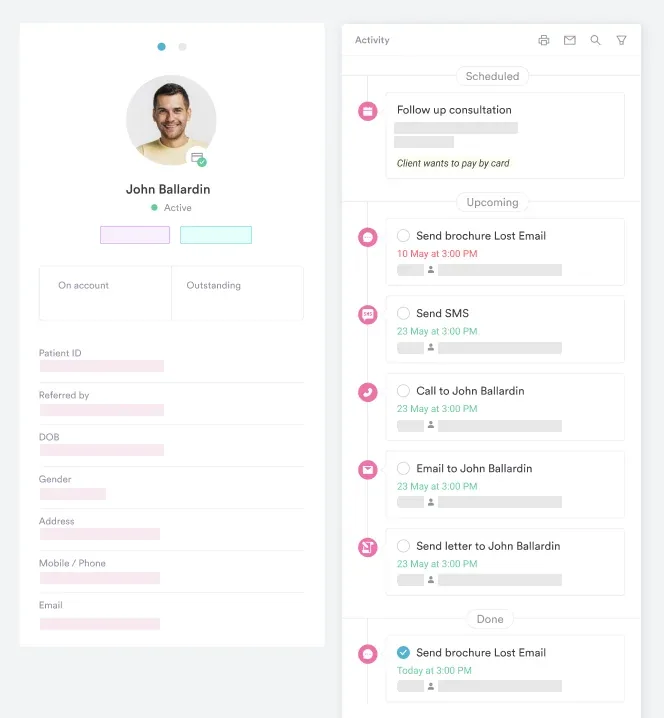
Here’s the usual path for an insured patient, step by step:
Most queries surface at the assessment step. Usually, the billed code doesn’t match the one the insurer authorized.
Here’s an illustrative case. A 46-year-old patient has had lateral elbow pain for a year. Physiotherapy and a steroid injection haven’t helped, so the consultant plans an ultrasound-guided percutaneous tenotomy.
At pre-authorization, the medical secretary quotes T7010 with M77.1. The insurer confirms it accepts the code for this technique and issues an authorization number. On the day, the procedure stays percutaneous. The note names the common extensor origin, the left elbow and the ultrasound guidance.
The invoice goes through Healthcode with the authorization number attached. It matches the authorization line for line, so the insurer pays it without a query.
Now change one detail. If the note had said only “tenotomy”, a coder could have picked T7050. That code wasn’t authorized, so the claim would have stalled until someone corrected it.
Does CCSD publish a fee for T7010? No. The CCSD group doesn’t set fees, so each insurer applies its own schedule or benefit limit.
Can you charge the patient the difference? That depends on your agreement with the insurer. Under Bupa’s fee-assured arrangement, for example, consultants agree to charge within Bupa’s fees.
Does the policy cover the procedure at all? Cover depends on the patient’s policy, including outpatient limits and exclusions. Pre-authorization is where you find out, so do it before booking the operating room.
Most T7010 queries trace back to a mismatch between the authorization, the operative note and the invoice. Keeping all three on one record removes the retyping that causes it.
Pabau, a practice management platform with built-in insurance billing, opens each claim pre-filled from the invoice. Its claims management software stores the insurer authorization against the patient record. It also checks for missing or invalid details, such as a missing authorization, before you send.
Claims then reach the insurer through Pabau’s Healthcode integration. Your team can follow each claim’s status and match payments as they arrive, so a queried T7010 claim shows up early.
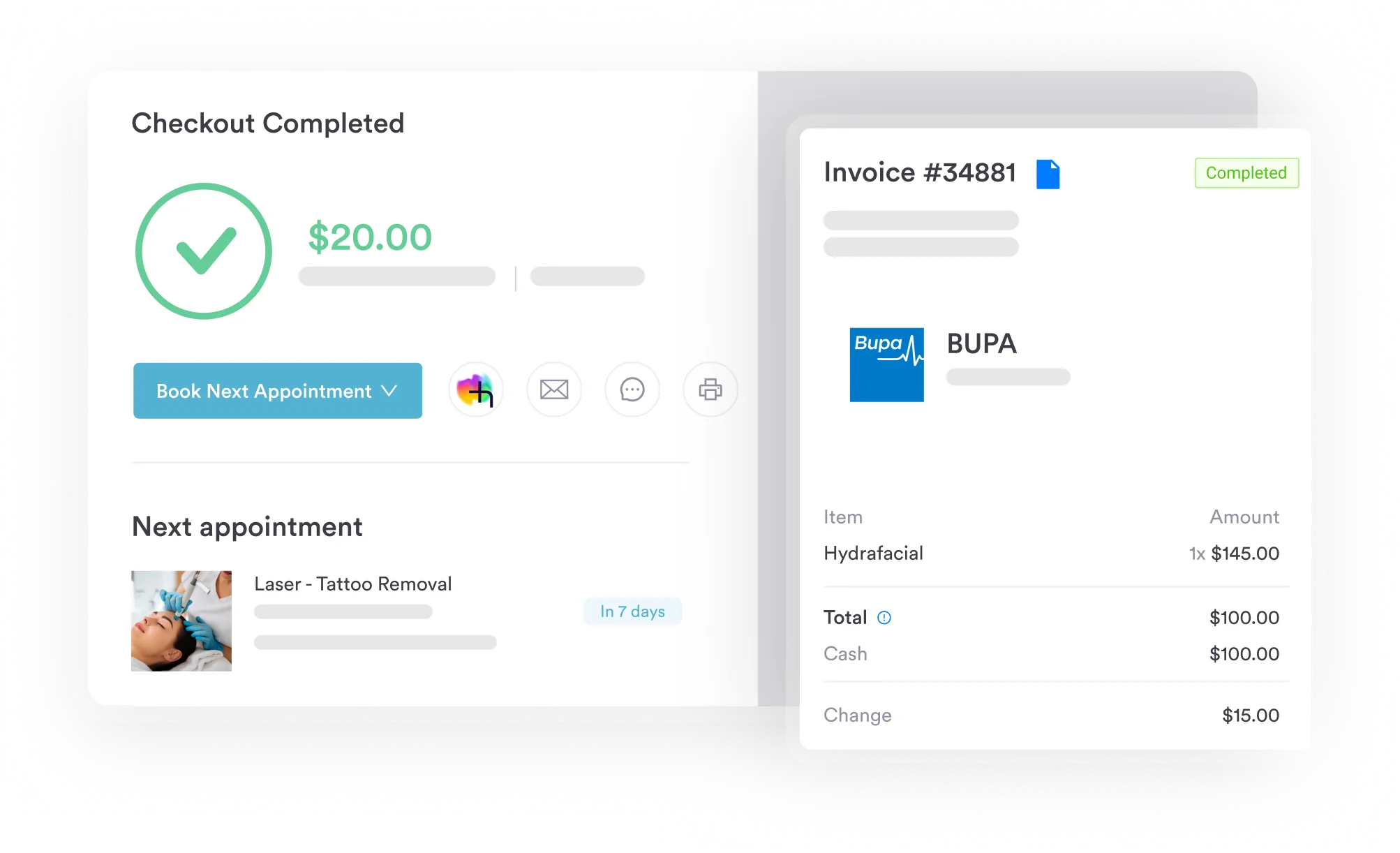

Pabau pre-fills each claim from the invoice, keeps the authorization on the patient record and sends the claim through Healthcode. Your billing team spends less time fixing queried tendon claims.

T7010 is a narrow code. It covers one approach to one kind of tendon procedure, and the claim succeeds or stalls on that detail.
So write the approach into the operative note, and keep T7050 and the Achilles codes off the same claim. Bill what the insurer authorized, and let its own schedule set the fee, because CCSD won’t.
Book a demo to see how Pabau carries a T7010 claim from authorization to payment on one patient record.

Was the tendon exposed or lengthened? CCSD code T7050 covers open tenotomy and tendon lengthening.
Lengthening the Achilles through the skin? CCSD code T6720 covers percutaneous Achilles tendon lengthening.
Need the wider CCSD picture? CCSD codes used by Bupa explains how the schedule works across UK insurers.
Want fewer queried insurer claims? Pabau’s claims management software checks required fields before a claim goes out.
Broadly, yes. Both describe cutting or loosening a tendon to relieve tension or remove damaged tissue. For billing, the CCSD descriptor and the approach in the note decide the code.
Usually not. Many are done under local anesthetic, often with ultrasound guidance. Children or anxious patients may need sedation or a general anesthetic, which the anesthetist bills separately.
Recovery often takes anywhere from four to twelve weeks, depending on the tendon and the rehabilitation plan, supported by physiotherapy. Those sessions may need their own authorization, so check the patient’s outpatient limit.
The Clinical Coding & Schedule Development group, formed by UK private medical insurers including Aviva, AXA Health, Bupa and Vitality. It publishes the codes and principles insurers use for claims.
Yes. Using T7010 on a self-pay invoice keeps your records consistent, but no insurer rules apply. The fee is whatever you agree with the patient in advance.