HCPCS code J3471: Hyaluronidase ovine injection billing guide
HCPCS code J3471: Descriptor, code type, and quick-reference data HCPCS code J34...

Last Updated: Oct 14, 2026
G1400 is the CCSD code for VATS excision of a lesion of the oesophagus, listed in CCSD Chapter 8 (Thorax). Thoracic surgeons use it to bill UK private medical insurers when they remove the lesion through small chest ports, guided by a thoracoscope.
The code covers the surgeon's operative fee only. The anesthetist and the hospital invoice separately, and an endoscopic or open removal takes a different code.
Let Pabau's smart automation suggest the right codes, reduce claim denials, and keep your practice compliant—effortlessly.
Automate repetitive tasks and focus on what matters most—your patients.
Reduce coding errors and ensure compliance with the latest regulations.
Clean claims, fewer denials, and faster reimbursements.
Powerful insights and reporting to help your practice thrive.
HIPAA compliant SOC 2 certified GDPR-compliant Trusted by 4,000+ clinics worldwide

CCSD code G1400 is the surgeon’s code for VATS excision of a lesion of the esophagus, listed in CCSD Chapter 8, Thorax.
G1400 covers the surgeon’s operative fee only, so the anesthetist and the hospital invoice separately.
The surgical route decides the code. Endoscopic work, such as rigid esophagoscopy (G1900), is coded separately from a VATS excision.
Bupa, AXA Health, Aviva and Vitality expect pre-authorization before the operation, and a missing reference is the most avoidable denial.
An operative note that names the thoracoscopic approach, the lesion and any conversion to open surgery is what defends the code at review.
CCSD code G1400 is the code a thoracic surgeon uses to bill a UK private insurer for VATS excision of a lesion of the esophagus. The surgeon removes the lesion through small chest ports, guided by a thoracoscope, instead of opening the chest.
The selection risk is the route. The same lesion can be removed through a thoracoscope, treated through an endoscope, or excised through an open incision. Each route has its own CCSD code, so G1400 only fits when the operation stayed thoracoscopic. Before you raise the invoice, check what the code pays for, where it stops and what insurers look for.
G1400 pays the operating surgeon for the thoracoscopic excision of an esophageal lesion. It was added to the CCSD schedule in January 2010, under the Video Assisted Thoracic Surgery (VATS) category of Chapter 8.
Some code pairings are flagged by CCSD as unacceptable combinations. Those rules sit behind the CCSD login, so check G1400’s own list there before you add a second procedure code to the same episode.
Knowing the operation makes the operative note easier to check against the code. Most lesions removed this way are benign submucosal growths, such as leiomyomas or duplication cysts.
If the surgeon converts to an open thoracotomy, G1400 no longer describes the operation. Code the open procedure that was performed, and record why the conversion was needed.
Esophageal lesions can be treated through a thoracoscope, an endoscope or an open incision. Each route has its own code, and the diagram below maps each one to the code that fits.
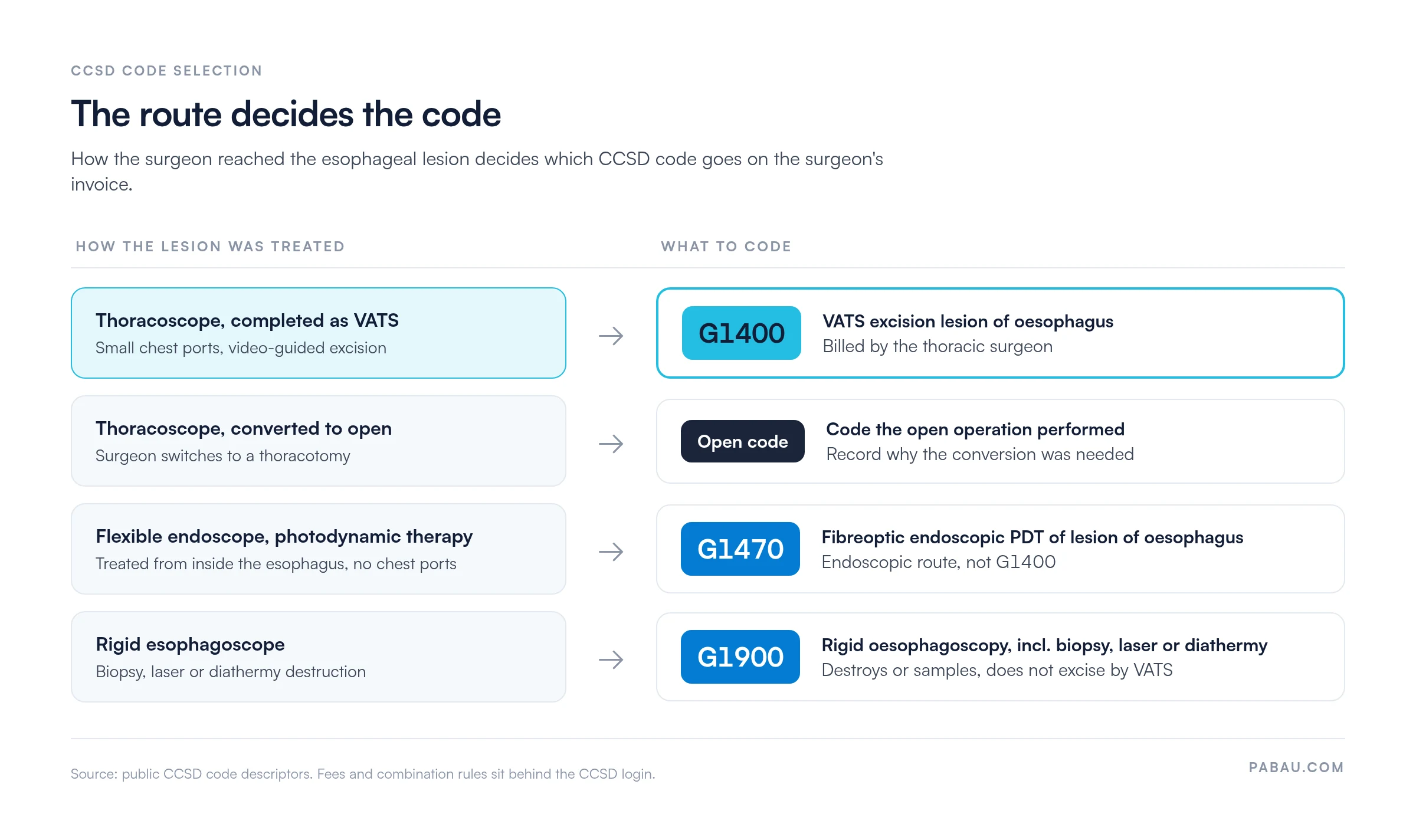
The table adds the official descriptors, plus two endoscopic codes that sit nearby in the schedule but treat a different problem.
Descriptors above come from the public CCSD code pages, and our CCSD codes library covers the rest of the schedule. Fees, exclusions and combination rules sit behind the CCSD login, so confirm them there.
Other esophageal operations have their own codes too. Repair of a ruptured esophagus, for example, is billed under G0740. For another VATS code from the same specialty, see our guide to E5591.
Every major UK private medical insurer wants to approve a planned VATS operation before it happens. Their referral and portal rules differ, though, so check each one on its provider portal before the operation date.
Recognition matters as much as authorization. Each insurer keeps its own list of recognized consultants. A G1400 claim from a surgeon outside that list will not be paid, however good the notes are. For the wider code structure Bupa uses, see our Bupa CCSD codes guide.
Insurers can decline retrospective pre-authorization requests, so confirm the reference before the operation date. Add a pre-auth check to every insured booking.
Most UK insurers accept electronic claims through Healthcode. A clean G1400 submission follows six steps.
Insurers don’t judge the operation itself. Instead, they judge whether your notes support the code on the invoice. For G1400, the operative record should show five things.
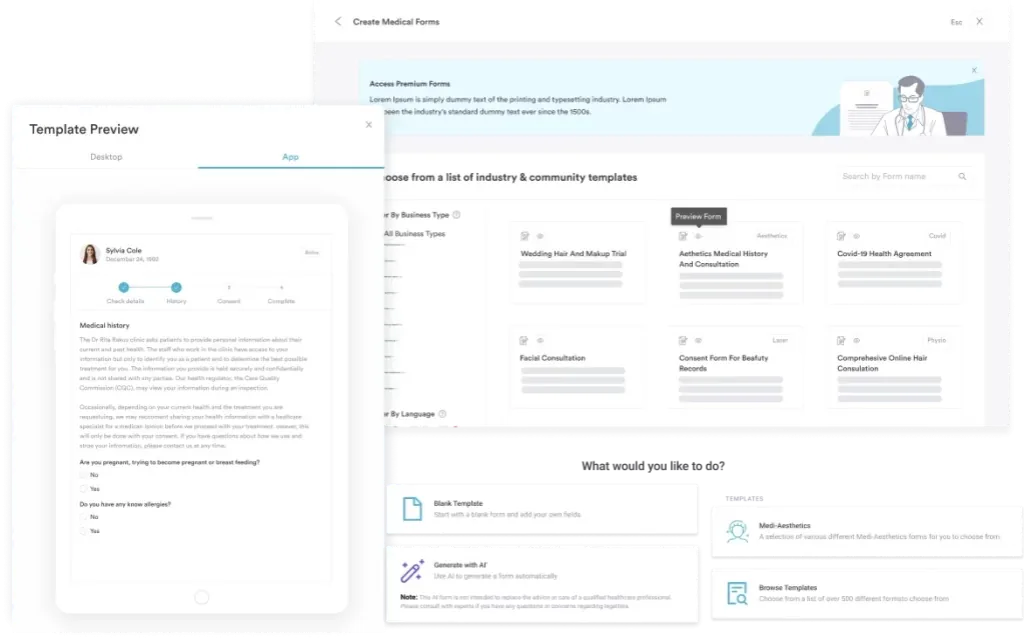
Structured digital forms help here. When these fields are captured at the point of care, nobody has to rebuild the note from memory weeks later.
A two-minute check before the claim leaves the practice saves weeks of chasing afterwards. Run through these points on every G1400 invoice.
Denials on G1400 follow a predictable pattern. Most trace back to one of six causes, and each has a simple fix.
If a claim comes back denied, don’t resend the same invoice. Find which cause applies, fix it, then resubmit with a short note explaining the change. Where you disagree with the decision, use the insurer’s formal appeals route.
Review your rejected claims every quarter. Group them by denial reason from the Healthcode or insurer remittance. A reason that keeps coming back usually traces to one step in your workflow, and fixing that step stops the pattern.
Beyond denials, a few habits create audit risk. Insurers watch for code patterns that drift from what peers bill for the same work.
In many surgical practices, the pre-auth reference lives in an email, the operative note in a hospital system, and the invoice in a spreadsheet. Each handoff is a chance for the claim to break.
Pabau brings those steps into one patient record. Its claims management software sends CCSD-coded claims to Healthcode straight from that record. It also checks that required fields, such as the membership number and authorization code, are complete before the claim goes out.
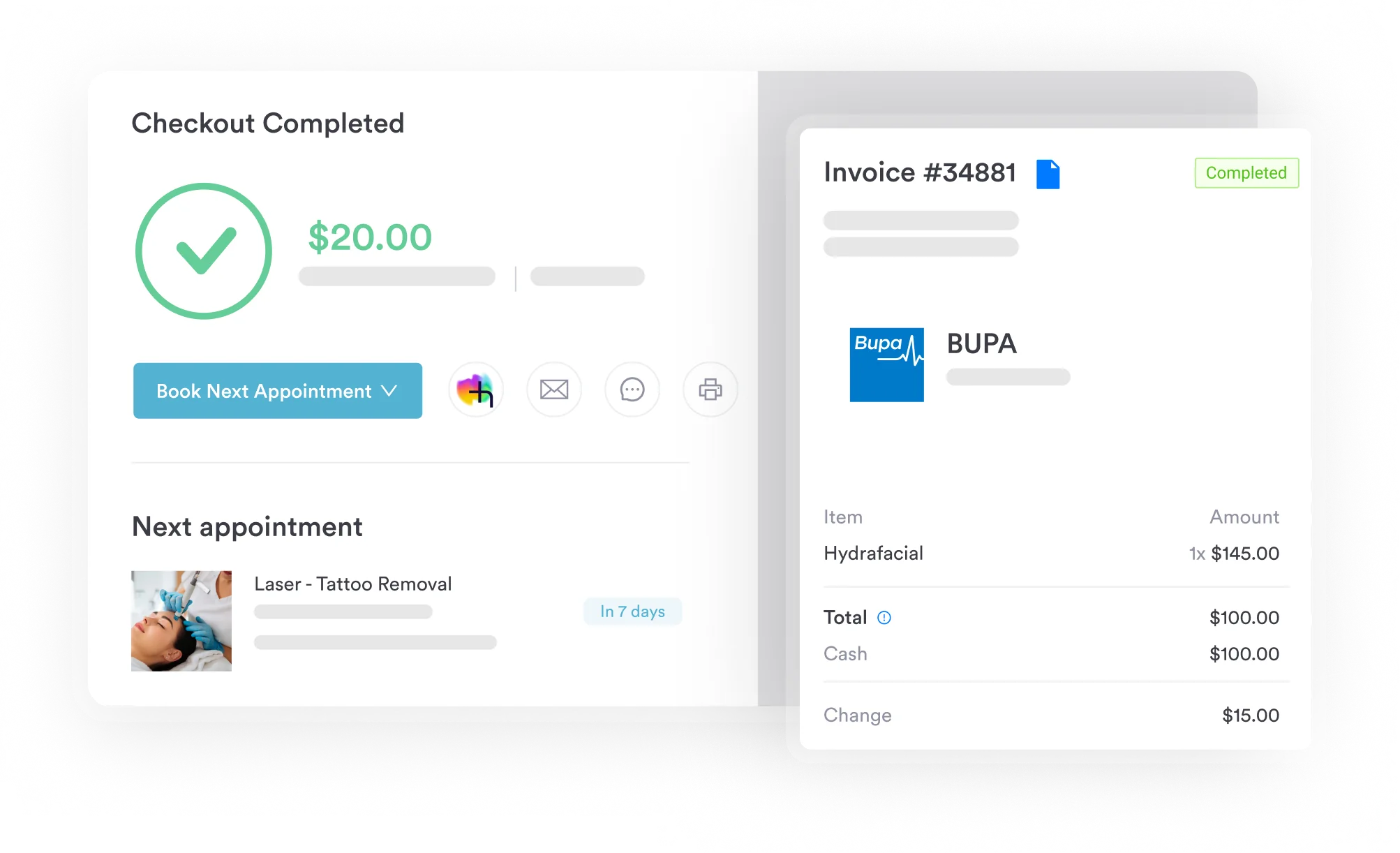
As a result, the reference captured at booking is still there at invoice time. You can also track each claim’s status in the same place.
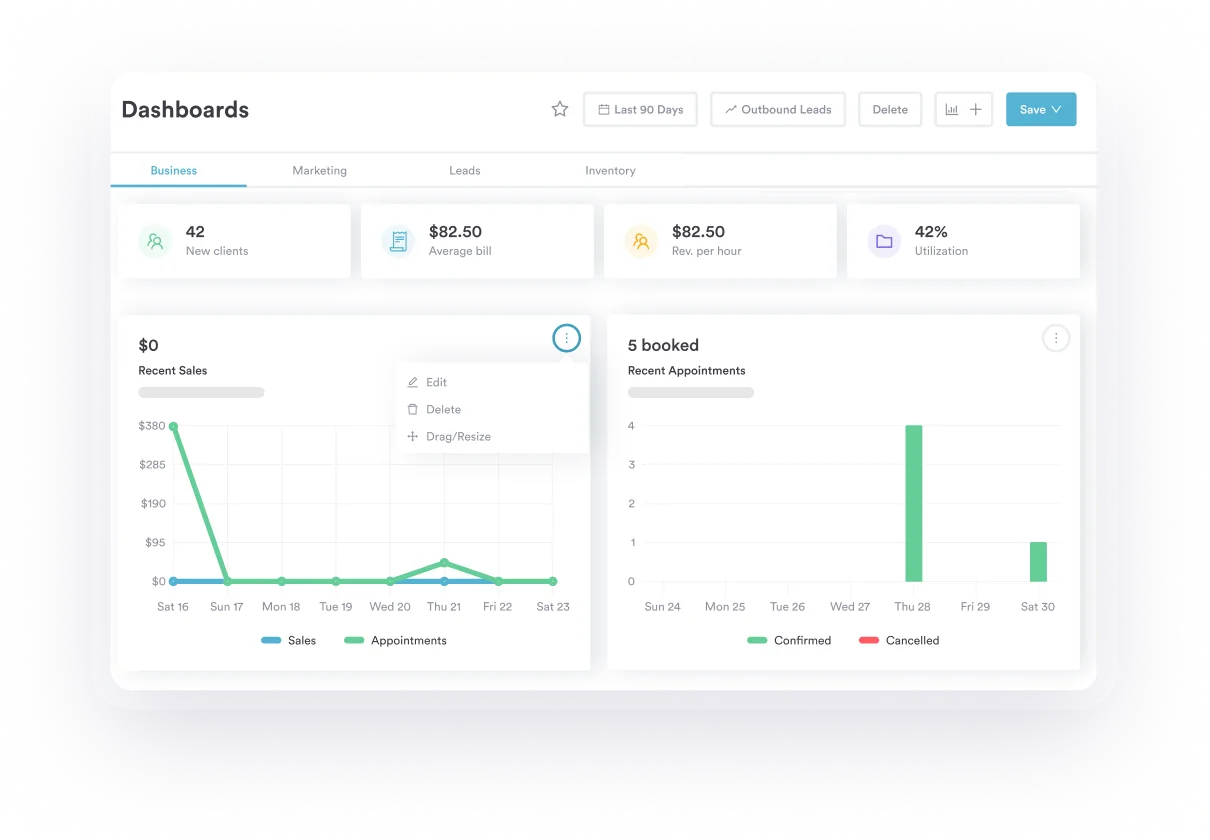

Pabau sends CCSD-coded claims to Healthcode from the patient record and checks required fields before submission. Pre-auth references and claim status stay in one place.

G1400 is a narrow code. It pays the thoracic surgeon for removing an esophageal lesion by VATS. Other work on the case is billed separately. Most G1400 problems start when the route on the invoice doesn’t match the route in the operative note.
So anchor every claim to the operative note. Confirm the approach, secure pre-authorization early, and keep the anesthetist’s invoice separate. Do that, and G1400 claims tend to pay the first time. Book a demo to see how Pabau keeps CCSD claims and their pre-auth references together for private surgical practices.

Billing other procedures to Bupa? Bupa CCSD codes explains the schedule structure and Bupa’s submission rules.
Coding another VATS operation? CCSD code E5591 covers bilateral VATS bullectomy and how insurers handle it.
Working further down the esophagus? CCSD code G2430 covers transabdominal antireflux operations and their billing.
Billing other thoracic tumor surgery? CCSD code E6100 covers open resection of an invasive mediastinal tumor.
Treating esophageal varices endoscopically? CCSD code G1440 covers injection sclerotherapy for esophageal varices and how to bill it.
No. G1400 covers excision of a lesion from the esophageal wall. Removing part of the esophagus is a different operation with its own CCSD codes, so check the esophagus section of the schedule.
It depends on the histology. A leiomyoma of the esophagus is usually coded D13.0, benign neoplasm of esophagus. An esophageal duplication cyst is coded Q39.8. Code from the final pathology report.
The CCSD Group, short for Clinical Coding and Schedule Development, maintains them. Its members are Aviva, AXA Health, Bupa and Vitality. The group sets codes and descriptors, while each insurer sets its own fees.
No. CCSD codes are for private medical insurance billing. NHS hospitals record procedures in OPCS-4, a separate classification.
Check the insurer’s own fee schedule or provider portal, such as the Bupa code search or the Vitality fee finder. Fees differ between insurers and change during the year.