CPT code 96158: Individual health behavior intervention billing
CPT code 96158: official descriptor and clinical scope CPT code 96158 describes ...

Last Updated: Oct 15, 2026
G0220 is the CCSD code for total oesophagectomy and interposition of intestine. The surgeon removes the whole esophagus and replaces it with a segment of colon or jejunum. That segment then carries food down to the stomach or small bowel.
UK private insurers use G0220 to pay the consultant surgeon and the anesthetist for this inpatient operation. It sits in the esophagus section of chapter 8. The bowel conduit is what separates it from neighboring resection codes such as G0100 and G0300.
Let Pabau's smart automation suggest the right codes, reduce claim denials, and keep your practice compliant—effortlessly.
Automate repetitive tasks and focus on what matters most—your patients.
Reduce coding errors and ensure compliance with the latest regulations.
Clean claims, fewer denials, and faster reimbursements.
Powerful insights and reporting to help your practice thrive.
HIPAA compliant SOC 2 certified GDPR-compliant Trusted by 4,000+ clinics worldwide

CCSD code G0220 covers total esophagectomy with an intestinal segment, colon or jejunum, interposed to restore swallowing.
Use G0220 only when bowel replaces the esophagus; stomach-conduit and neck-anastomosis operations have their own codes, such as G0100 and G0300.
The surgeon, anesthetist and hospital each bill separately, and each needs the same pre-authorization number on the claim.
If the plan changes in theater from a gastric conduit to bowel, tell the insurer promptly so the authorization matches G0220.
The operative note must name the bowel segment, its route and every anastomosis, because that detail is what separates G0220 from its neighbors.
CCSD code G0220 is the UK private insurance procedure code for “Total oesophagectomy and interposition of intestine.” The surgeon removes the whole esophagus and replaces it with a segment of colon or jejunum. That bowel segment then carries food from the throat to the stomach or small bowel.
The code sits in the esophagus section of the Clinical Coding and Schedule Development (CCSD) Group schedule. CCSD records it as added on January 20, 2010.
Its wording parallels OPCS-4 codes G02.2 to G02.5, the NHS codes for total esophagectomy with jejunum or colon interposed. The Freedom Health Insurance schedule rates it Complex, its highest surgical complexity band.
G0220 is an inpatient operation billed by a consultant upper gastrointestinal (GI) surgeon. It is never performed as an outpatient or office procedure. For the rest of the schedule, our CCSD code guides break down each procedure in the same way.
The surgeon usually works through the abdomen and chest, and often the neck as well. The operation follows a broad sequence, and the operative note should mirror it step by step.
Surgeons choose bowel when the stomach cannot serve as the replacement tube. That choice is also what drives the code, so it’s worth knowing the usual reasons behind it.
Most G0220 operations treat esophageal cancer in patients whose stomach is unavailable as a conduit. The code also covers benign disease that destroys the esophagus beyond repair.
In the UK, esophageal cancer surgery is planned through a specialist multidisciplinary team (MDT), as set out in NICE guideline NG83. Insurers may ask for that MDT outcome before they approve surgery.
The esophagus section holds several resection codes. They differ by conduit, anastomosis site and approach. The descriptors below come from the Freedom Health Insurance chapter 8 schedule, last updated June 2026.
Descriptors and code lists change between schedule editions. Check each code against the current CCSD schedule or the Bupa code search tool before you submit. Our overview of Bupa CCSD codes explains how Bupa’s accepted code list works.
Read the conduit line of the operative note before you pick a code. If it names colon or jejunum, start at G0220. If it names the stomach, work through G0100 to G0301 instead.
Once the code is settled, the next question is who bills what. A G0220 admission produces at least three separate bills. Each one goes to the insurer under the same authorization number, and each covers a different part of the care.
Insurer schedules list a specialist fee and an anesthetist fee against each code. On the Freedom Health Insurance Elite schedule, G0220 carries a specialist fee of £1,900 and an anesthetist fee of £1,429.
G0100, G0103, G0260, G0300 and G0301 share that £1,900 specialist fee. Their anesthetist fee is £1,071, though, which is £358 less. Only the radical resections, G0101 and G0102, pay more, at £2,500 and £1,582. Here’s how the three groups line up.
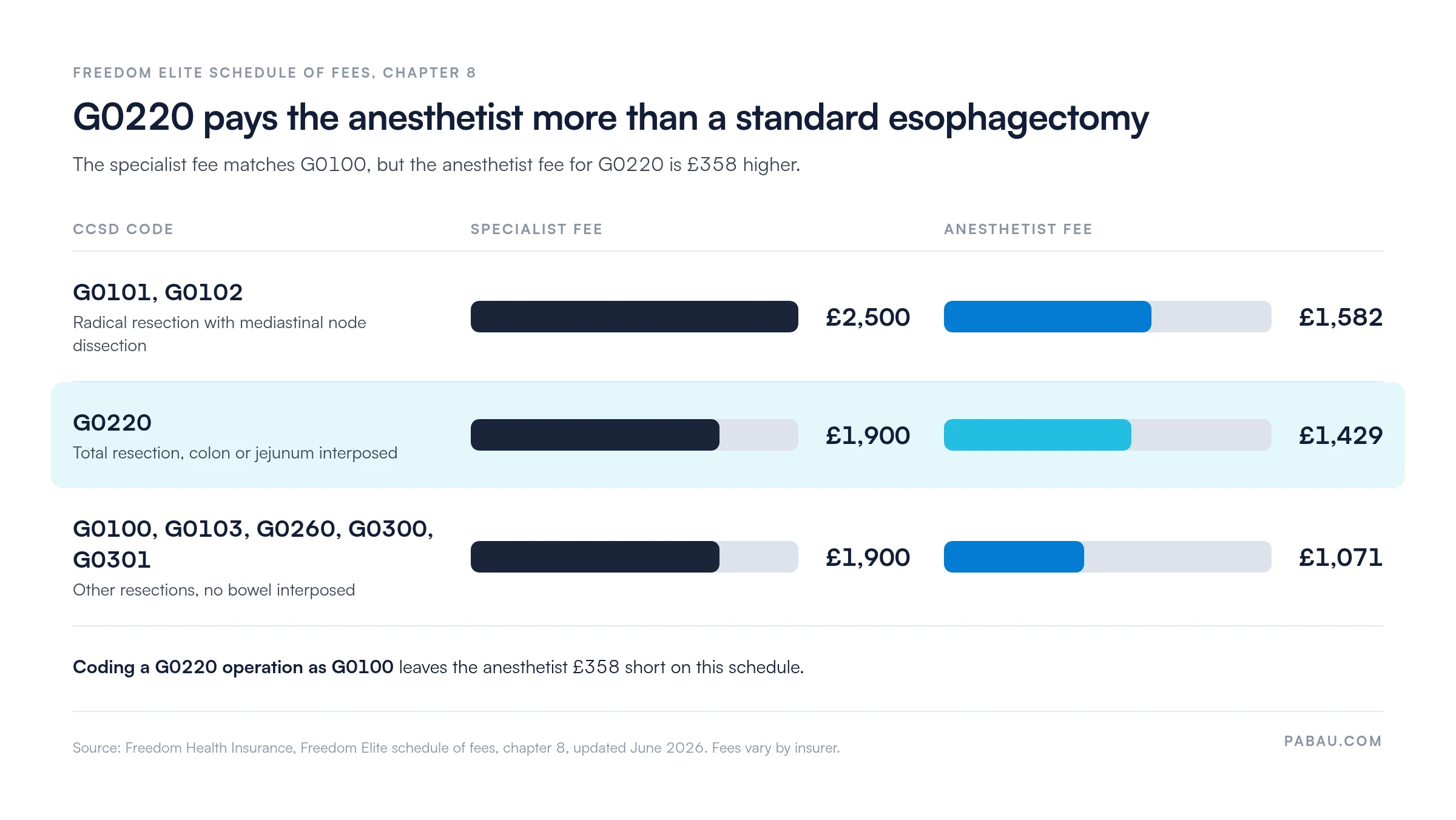
So coding a G0220 operation as G0100 underpays the anesthetist on that schedule. Each insurer sets its own amounts, so treat these figures as one example rather than a market rate. Our Bupa fee schedule guide shows how the largest UK insurer publishes its fees.
Insurers also differ on surgical assistants. Some pay a second surgeon or assistant for major upper GI resections. Others expect the lead surgeon to cover the assistant. Confirm the insurer’s position, and any fee limit, at the pre-authorization stage.
UK private insurers expect pre-authorization before any planned inpatient operation, and G0220 is no exception. Request it once the MDT has agreed on surgery and the procedure date is set.
Send the following with the request:
Make the diagnosis code as specific as the histology allows. A tumor spanning more than one part of the esophagus, for example, is coded C15.8.
Say the insurer authorizes G0300, a sub-total resection with the join in the neck. In theater, the surgeon finds the stomach unsuitable and uses colon instead. The operative note now describes G0220, but the authorization still says G0300.
If someone calls the insurer straight after surgery, the authorization is updated before any invoice goes out. If nobody calls, every invoice arrives under a code the insurer never approved. Make that call part of the theater-day routine.
The claim succeeds or fails on whether the records prove that bowel, not stomach, replaced the esophagus. Keep the following on file before the invoice goes out.
Store these records securely and in line with UK GDPR. An insurer may still ask to see them after the claim is paid.
Most G0220 denials trace back to a mismatch between the code, the authorization and the operative note. These are the causes that come up again and again.
Each of those denials is easier to prevent than to appeal. Run through these checks for each invoice in the admission before it leaves the practice.
Coders who rarely see esophageal surgery tend to make the same few errors with this code. Each one has a simple fix.
A G0220 admission spreads its claim details across referral letters, MDT minutes, operative notes and insurer emails. Each invoice needs the same membership and authorization numbers. Re-keying them by hand invites errors.
Pabau, the practice management and billing platform we build, keeps insurer and policy details on the patient record. When the invoice is ready, Pabau’s claims management software pre-fills the claim with the patient, treatment and insurer details. You review it and send it to Healthcode.
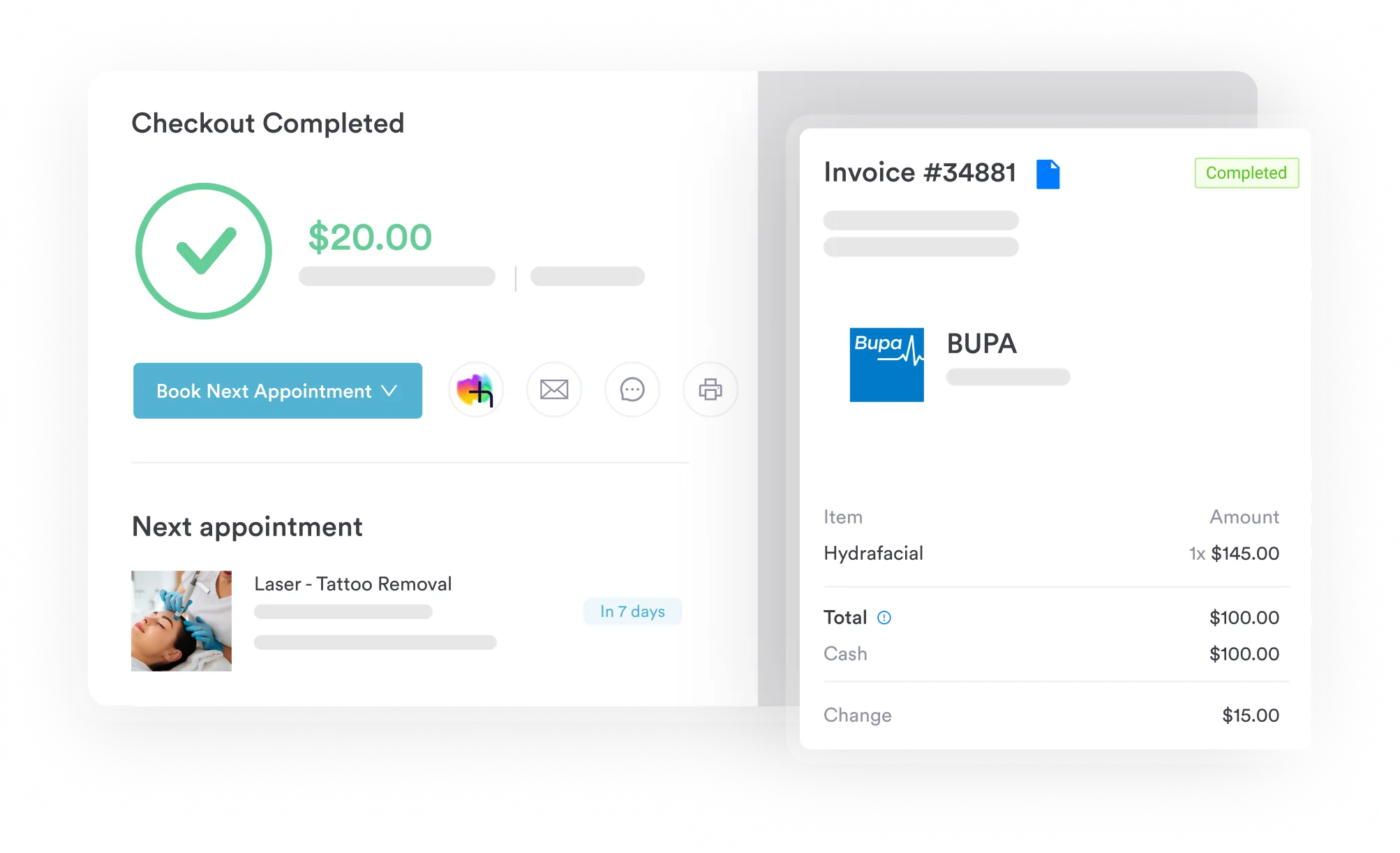
Before a claim goes out, Pabau checks that required fields such as the membership number and authorization code are filled in. Each claim then moves through clear stages from pending to paid, so your team sees which G0220 invoices need attention.
Signed consent and preoperative forms can sit on the same record too. That way, the paperwork behind the claim is ready if the insurer asks for it.
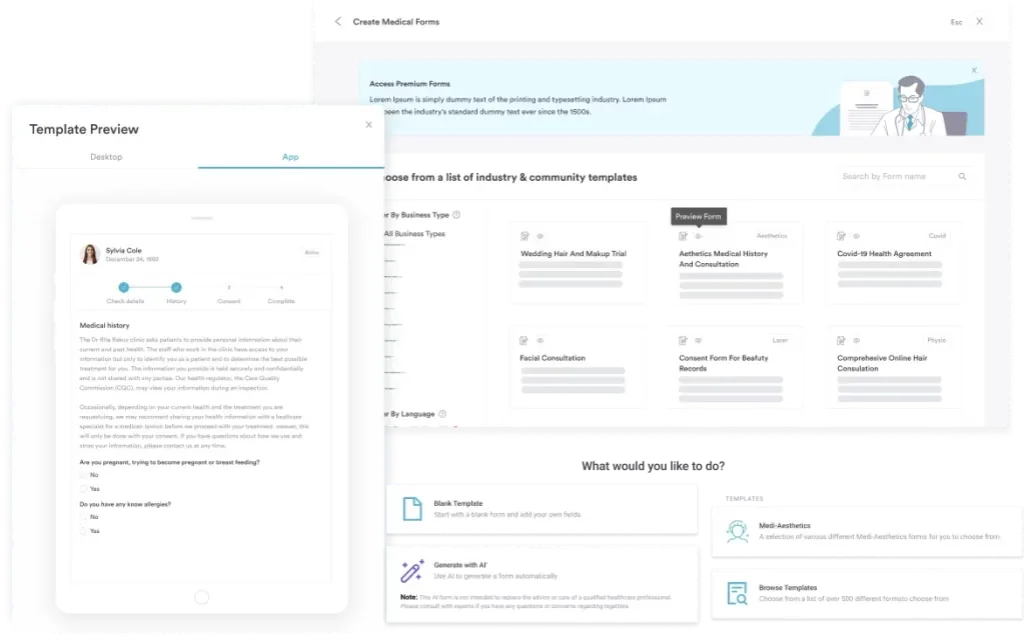

Pabau checks for membership numbers and authorization codes before each claim goes to Healthcode. Insurer details come from the patient record, so your team stops re-keying them across surgeon and anesthetist invoices.

Treat the conduit as the deciding fact. If the operative note names colon or jejunum, G0220 applies. If it names the stomach, look elsewhere in the esophagus section.
The costly errors happen when the operation changes in theater and the paperwork doesn’t follow. Update the authorization straight away, and make sure the surgeon and anesthetist bill the same code. One phone call on the day of surgery costs far less than a stack of rejected invoices.
Book a demo to see how Pabau checks authorization details before your G0220 claims reach Healthcode.

Reconstructing with a jejunal graft? CCSD code E2150 explains how free jejunal graft reconstruction is coded and billed.
Coding an emergency esophageal repair? CCSD code G0740 covers billing for repair of a ruptured esophagus.
Coding other open stomach surgery? CCSD code G3800 covers open stomach operations that have no named code.
Billing antireflux surgery? CCSD code G2430 walks through transabdominal antireflux surgery claims.
Need the full Bupa code list? Bupa CCSD codes explains how Bupa publishes accepted procedure codes and fees.
CCSD code G0220 is the UK private insurance code for total oesophagectomy and interposition of intestine. The whole esophagus is removed and replaced with a segment of colon or jejunum.
No. CCSD codes are used to bill UK private medical insurers. NHS hospitals record operations with OPCS-4, the national procedure classification, instead.
Freedom Health Insurance sorts its codes into complexity bands, from Minor up to Complex. G0220 sits in Complex, the top band, alongside the other esophagectomy codes. Other insurers use their own fee structures.
Not on the Freedom chapter 8 schedule. It lists robotic codes G0102, G0103 and G0301, but none for bowel interposition. Ask the insurer how to bill a robotic approach before surgery.
Yes. The anesthetist bills the same CCSD code under their own claim. On the Freedom Elite schedule, that anesthetist fee is £1,429.
No. The pathology provider bills the histology on the resected specimen separately. The surgeon’s G0220 claim covers the operation only.