CPT code 93567: Supravalvular aortography billing guide
CPT code 93567 covers aortography above the aortic valve CPT code 93567 reports ...

Last Updated: Nov 20, 2026
G0100 is the CCSD code for oesophagectomy or oesophagogastrectomy with the anastomosis completed in the chest. The surgeon removes all or part of the oesophagus and makes the join inside the thorax. UK private medical insurers use it for Ivor Lewis resections.
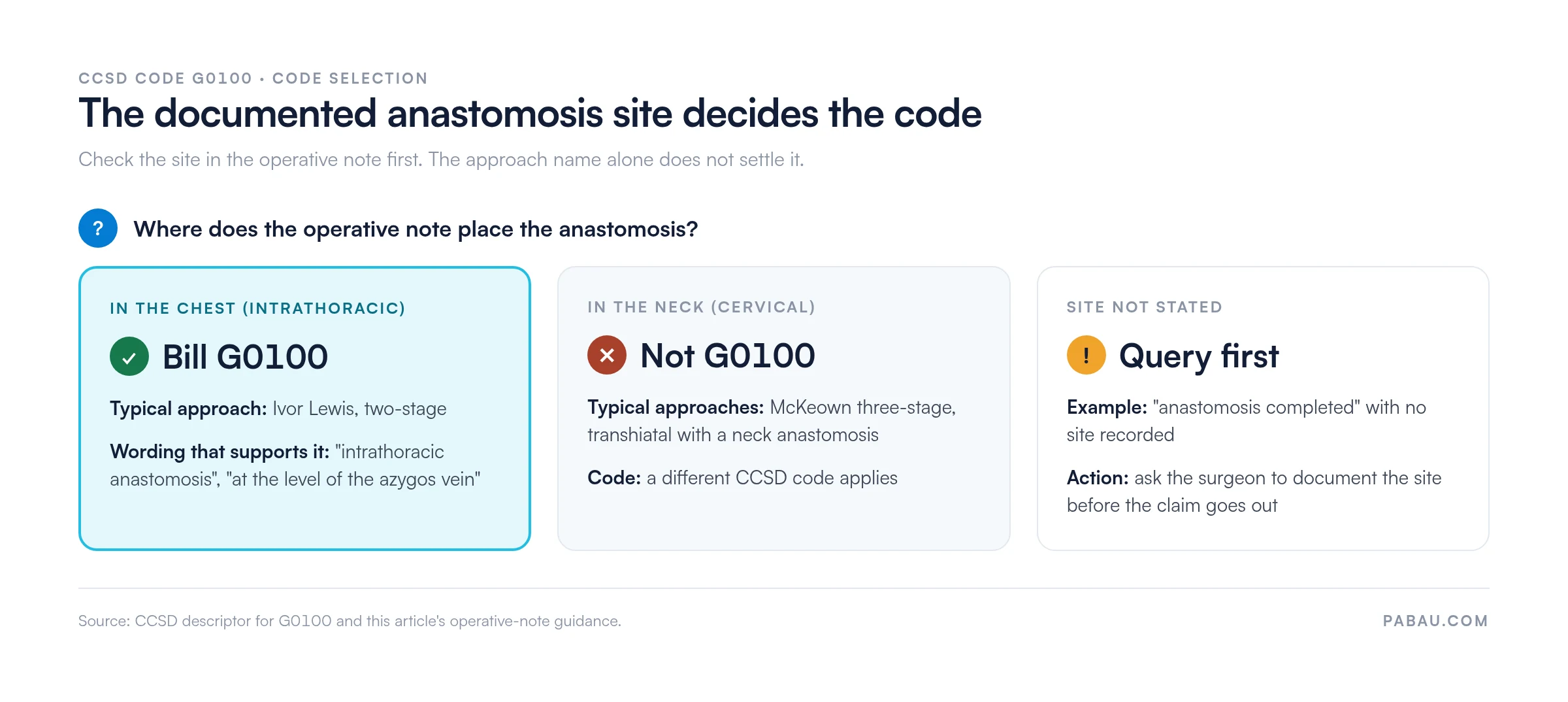
A claim holds up when the operative note states where the anastomosis was made. A cervical anastomosis, as in a McKeown resection, needs a different code, and endoscopically assisted cases may fall under G0260. Insurers also expect pre-authorization and the most specific diagnosis code available.
Let Pabau's smart automation suggest the right codes, reduce claim denials, and keep your practice compliant—effortlessly.
Automate repetitive tasks and focus on what matters most—your patients.
Reduce coding errors and ensure compliance with the latest regulations.
Clean claims, fewer denials, and faster reimbursements.
Powerful insights and reporting to help your practice thrive.
HIPAA compliant SOC 2 certified GDPR-compliant Trusted by 4,000+ clinics worldwide

CCSD Code G0100 covers oesophagectomy or oesophagogastrectomy with an intrathoracic anastomosis. The chest siting is what separates it from codes for a cervical anastomosis.
The Ivor Lewis (two-stage) approach characteristically creates an intrathoracic anastomosis and maps to G0100. The McKeown (three-stage) approach brings the anastomosis to the neck and needs a different code.
Major UK insurers (Bupa, AXA Health, Aviva, Vitality) generally require pre-authorization for major elective surgery, so confirm with each insurer before the operation.
Operative notes must state the anastomosis site, the resection extent and the reconstruction method, or the claim is open to query.
Pabau, the practice management platform we build, keeps the pre-authorization code attached to the appointment and sends G0100 claims through Healthcode.
CCSD Code G0100 is the billable CCSD procedure code for oesophagectomy or oesophagogastrectomy with the anastomosis completed in the chest.
The Clinical Coding and Schedule Development Group maintains the CCSD schedule. Its official descriptor names the intrathoracic site as part of the code itself. The G-block holds several neighboring esophageal surgery codes, and the extent of resection and the anastomosis location separate them. Further along the G-block, the stomach and duodenum codes begin, including G5320 for closure of a perforated duodenal ulcer. Pyloromyotomy for hypertrophic pyloric stenosis sits in the stomach range as CCSD G4010.
CCSD codes are specific to UK private healthcare billing. They are distinct from the OPCS-4 procedure codes used in NHS settings. Keep the two systems apart when moving between private and NHS clinical documentation.
An oesophagectomy removes all or part of the esophagus. An oesophagogastrectomy extends the resection to include the proximal stomach. In both cases, reconstruction needs a conduit, most commonly the remaining stomach formed into a gastric tube. The conduit is drawn up into the chest or neck and anastomosed to the residual esophagus or pharynx. CCSD Code G0100 applies when that final anastomosis is completed inside the thoracic cavity. Repairing a tear or fistula in the pharynx wall, with no resection, is a separate procedure billed as CCSD E2100.
Three surgical approaches appear most often in the operative notes behind G0100 claims:
Coders reviewing operative notes should read the anastomosis site from the note itself, never infer it from the approach name. Some surgeons describe a modified Ivor Lewis with a high intrathoracic anastomosis. Others describe a transhiatal approach with variable anastomosis placement. The documented site decides CCSD Code G0100, and the decision below maps each case to its outcome.
CCSD Code G0100 is performed for conditions requiring esophageal resection where the clinical plan calls for reconstruction with an intrathoracic anastomosis. The most common indications in UK private practice are:
The payer expects the documented diagnosis to match the complexity of CCSD Code G0100. Claims for G0100 backed by a diagnosis of simple reflux or uncomplicated dysphagia are likely to trigger clinical review. Confirm the operative indication maps to one of the accepted categories above before submission.
Knowing where G0100 starts and stops prevents two errors. Undercoding misses legitimate additional charges, and unbundling bills separately for work the main code already captures. A later return to theatre to ligate the thoracic duct for a chyle leak is a separate operation, billed under code T8900.
The CCSD G-block contains several esophageal and gastric procedure codes that are frequently confused with G0100. The key differentiators are the extent of resection and the anastomosis site. An operation that divides the esophageal muscle without removing any esophagus, such as Heller’s operation for achalasia, is billed under CCSD code G0920 instead.
When in doubt, verify the current CCSD schedule edition for the full G-block code list. The schedule is updated periodically and code boundaries can shift between editions. Refer to the CCSD Technical Guide (October 2025) for the current business rules governing code selection in the esophageal block.
UK private insurers require a diagnosis code alongside the CCSD procedure code on most claims. For CCSD Code G0100, the diagnosis code signals what clinical indication drove the resection. The following ICD-10 codes are most commonly paired:
Payers do not require a specific ICD-10 code, but a mismatch between the diagnosis and a procedure of this complexity will trigger clinical review. A claim for CCSD Code G0100 paired with a code for simple dysphagia without a documented organic cause is likely to be queried or rejected.
The operative note is the primary evidence supporting any CCSD Code G0100 claim. Payers and their clinical audit teams will assess the note if a query or retrospective review is raised. A structured patient record for surgical cases helps the team capture the key elements the same way every time.
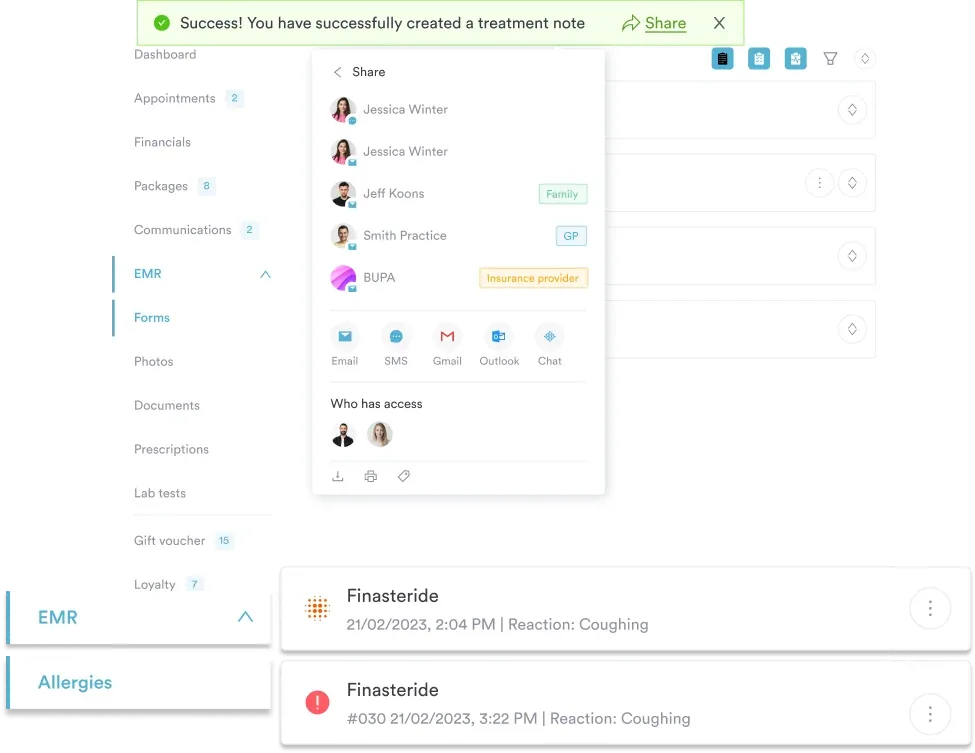
The operative note must include each of the following to support G0100 without challenge:
With Pabau’s digital forms, thoracic surgery teams can build an operative note template that prompts for each of these fields. A note can then reach billing only once the anastomosis site and resection extent are filled in.
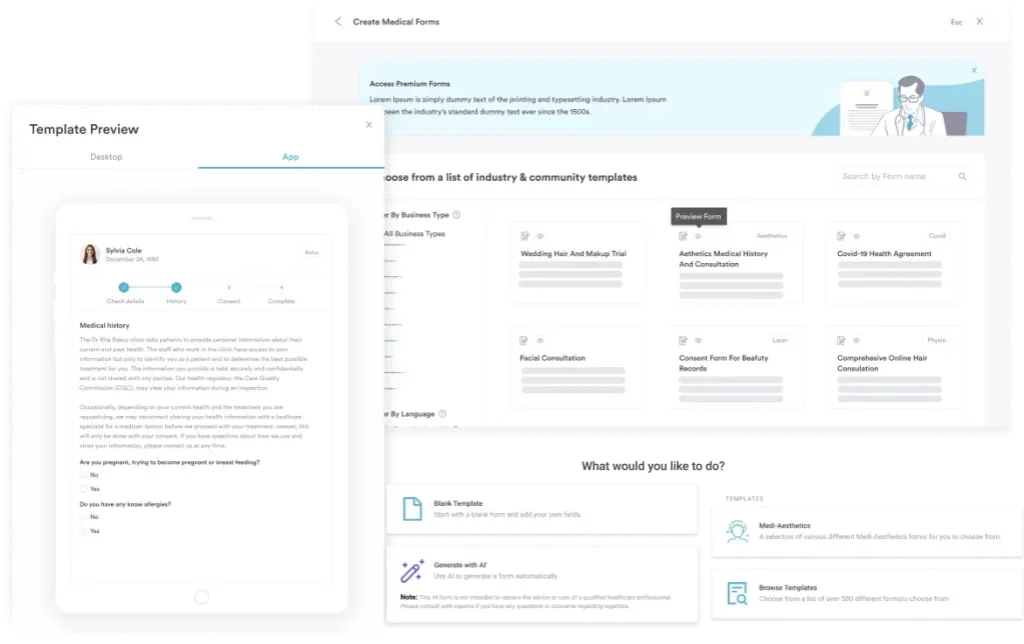
CCSD Code G0100 covers a major elective surgical procedure. Major UK insurers (Bupa, AXA Health, Aviva, Vitality) generally require pre-authorization for major elective surgery. Confirm the rules with each insurer. Surgery without pre-authorization almost always results in non-payment, regardless of clinical necessity. The Bupa CCSD billing guide covers how Bupa structures procedure code approvals and what documentation is required at the pre-auth stage.
Pre-authorization turnaround times vary by insurer and change periodically, so contact each insurer directly for current commitments. Authorization numbers must be recorded and included in every claim submission. An expired or missing authorization number is a preventable cause of rejection.
Request pre-authorization as soon as the MDT decision to operate is documented. For oncology indications, include the MDT outcome in your pre-auth submission. Aviva and some other insurers increasingly ask for MDT confirmation before they authorize major cancer surgery like G0100.
Healthcode is the main electronic billing platform for UK private medical insurance claims. Most CCSD Code G0100 claims reach Bupa, AXA Health, Aviva, Vitality and other PMI payers through it. Pabau’s claims management software sends those claims through Healthcode, so thoracic surgery teams submit CCSD claims from the same system that holds the operative note.
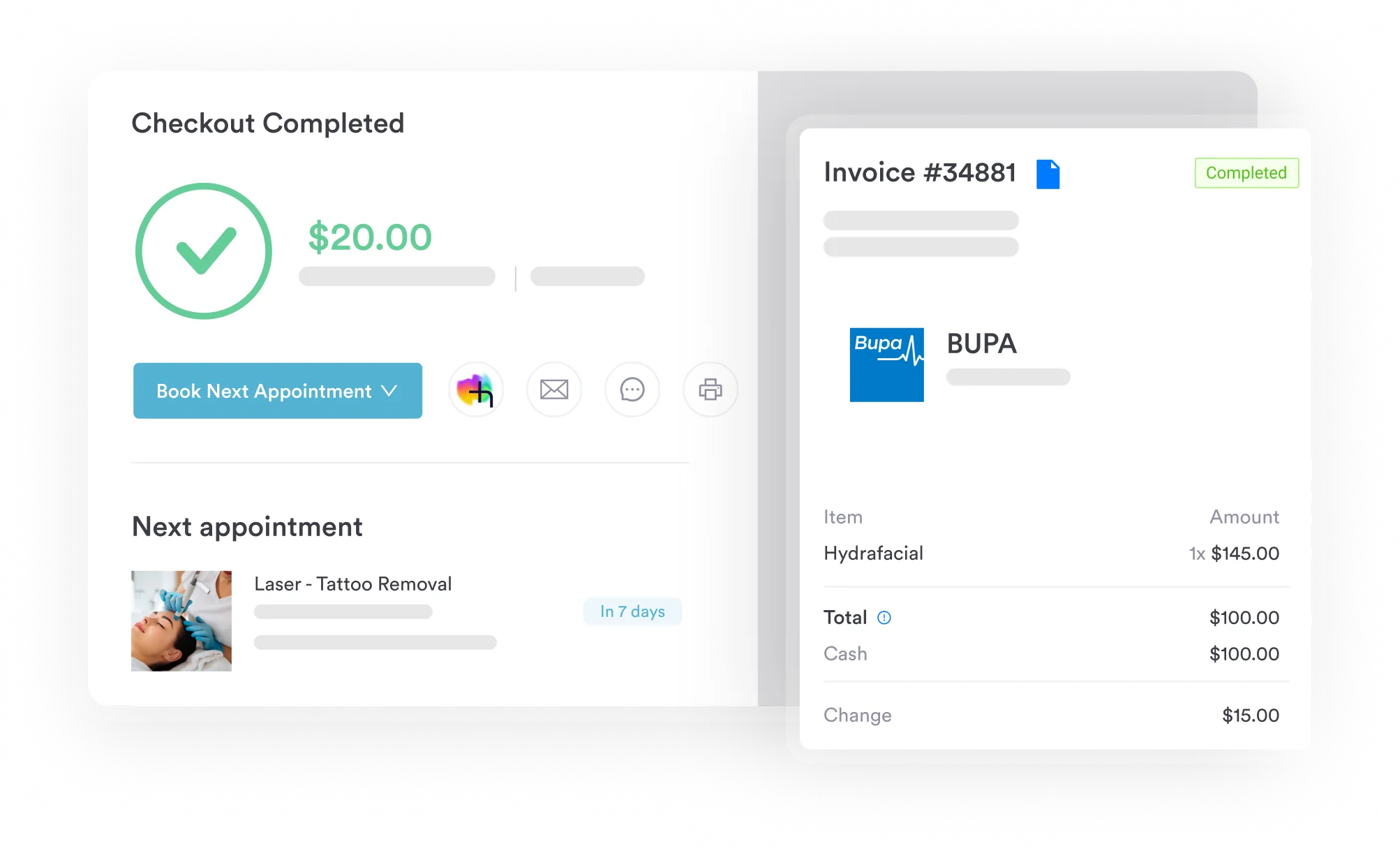
Key steps when submitting G0100 via Healthcode:
CCSD Code G0100 claims are rejected more often than the average CCSD code because of the clinical complexity and the specific documentation they need. Most rejections trace back to the operative note or the authorization, so prevention starts before the claim reaches the payer.
Oesophagectomy and oesophagogastrectomy are among the most technically demanding procedures in thoracic surgery. An assistant surgeon is routinely involved, and anesthesia for this procedure is complex. Both are billed separately from the primary surgeon’s CCSD Code G0100 claim.
The assistant surgeon bills their own CCSD code for the assistant role, not an additional G0100. Most UK private insurers recognize an assistant surgeon fee for major thoracic procedures, but payer policies vary. Some insurers require that the assistant’s involvement is explicitly recorded in the operative note and that separate authorization was granted for the assistant fee. Bupa and AXA Health both have published policies on assistant surgeon eligibility. Confirm the current policy before billing.
Assistant surgeon fees are most often rejected for three reasons:
For G0100, the procedural complexity generally supports the medical necessity of an assistant, but the documentation must show it.
The anesthetist submits their own claim under the applicable CCSD anesthesia code for the duration and complexity of the procedure. Anesthesia for oesophagectomy is high complexity, with one-lung ventilation, epidural placement and arterial line monitoring as typical elements. The anesthetist’s claim is entirely separate from G0100 and is submitted independently to the payer. Both the surgeon’s G0100 claim and the anesthetist’s claim will reference the same authorization number for the episode.
Confirm with the patient’s insurer at the pre-authorization stage whether the assistant surgeon fee is included in the approval. Some insurers grant authorization for the procedure but require a separate pre-auth request for the assistant. Discovering this after surgery means the assistant fee is unrecoverable.
Most thoracic teams still run a G0100 claim across three places. The operative note sits in one system, the pre-authorization number in an email or spreadsheet, and the claim in the Healthcode portal. Each hand-off is a chance to lose the anastomosis site or the authorization reference.
Pabau stores each insurer pre-authorization as a case and attaches it when the operation is booked. The authorization code then follows the appointment through to the claim. The operative note template asks for the anastomosis site and resection extent, and the claim goes to Bupa, AXA Health or Vitality through Healthcode.
The result is fewer claims returned for a missing reference or an unclear note. Your billing team can also search past claims by authorization code when an insurer queries one.

Pabau carries the pre-authorization code from booking to claim and sends CCSD claims through Healthcode. Your team catches a missing anastomosis site before the insurer does.

A G0100 claim is decided before it is written. If the surgeon records the anastomosis site in plain words and the authorization is in place before the operation, the code almost chooses itself. If either is missing, no amount of careful claim entry will rescue it.
So put the effort upstream. Agree the wording for the anastomosis site with your surgeons, and treat any note without it as a query rather than a claim. The trade-off is a short delay on a few claims, in exchange for fewer rejections on the high-value ones.
Book a demo to see how Pabau links the operative note, the pre-authorization and the Healthcode claim for every G0100 case.

Need to know how Bupa handles CCSD approvals? Bupa CCSD billing guide covers how Bupa structures procedure code approvals and fee schedules for private practitioners.
Is bowel, not stomach, replacing the esophagus? CCSD code G0220 explains when intestinal interposition is billed instead of a gastric conduit.
Billing the first repair of a perforation? CCSD code G0740 covers repair of a ruptured esophagus and the documentation insurers expect.
Looking to streamline surgical claim submission? Claims management software shows how Pabau handles CCSD billing and Healthcode submission for private surgical practices.
CCSD Code G0100 covers oesophagectomy or oesophagogastrectomy where the anastomosis is sited in the chest (intrathoracic). It applies when the esophagus, or the esophagus and part of the stomach, is resected. The reconstruction anastomosis is completed inside the thoracic cavity, not in the neck.
An oesophagectomy removes the esophagus. An oesophagogastrectomy removes the esophagus and a portion of the proximal stomach. Both are covered by G0100 when the anastomosis is intrathoracic. The operative note must state which resection was performed.
Most denials come from a missing or expired pre-authorization, or a note that does not state the anastomosis site. Billing G0100 for a cervical anastomosis, which needs a different code, is another. So is a diagnosis code that does not support the procedure billed.
Yes, in practice. Major UK insurers (Bupa, AXA Health, Aviva, Vitality) generally require pre-authorization for major elective surgery. Confirm the rules with each insurer. Surgery carried out without pre-authorization is routinely not reimbursed. The pre-authorization number must be included in every claim submission.
Adjacent codes in the CCSD G-block cover esophageal procedures with a cervical anastomosis in the neck. Others cover a partial rather than total resection. The adjacent code numbers are listed in the current CCSD schedule edition. Always verify against the current schedule, because code boundaries can change between editions.
Yes. The anesthetist and assistant surgeon each submit their own separate CCSD claims for their roles in the procedure. These are independent of the primary surgeon’s G0100 claim. Both should reference the same pre-authorization number for the episode, and the assistant surgeon’s involvement must be documented in the operative note.