CCSD code M0220: Unilateral nephro-ureterectomy billing guide
CCSD code M0220 removes one kidney and its ureter CCSD code M0220 is the private...

Last Updated: Nov 4, 2026
E1310 is the CCSD code for antral puncture and washout (and bilateral). It covers puncture of the maxillary sinus through the inferior meatus, aspiration and saline irrigation, on one side or both, under a single code.
UK private ENT surgeons use it for persistent maxillary sinusitis that has not responded to medical treatment, and for diagnostic sampling of the sinus. Antrostomy and FESS codes cannot be billed alongside it.
Let Pabau's smart automation suggest the right codes, reduce claim denials, and keep your practice compliant—effortlessly.
Automate repetitive tasks and focus on what matters most—your patients.
Reduce coding errors and ensure compliance with the latest regulations.
Clean claims, fewer denials, and faster reimbursements.
Powerful insights and reporting to help your practice thrive.
HIPAA compliant SOC 2 certified GDPR-compliant Trusted by 4,000+ clinics worldwide

CCSD Code E1310 covers antral puncture and washout on one or both sides under a single code.
Bilateral washout is billed as one E1310, so the operative note has to document both sides clearly.
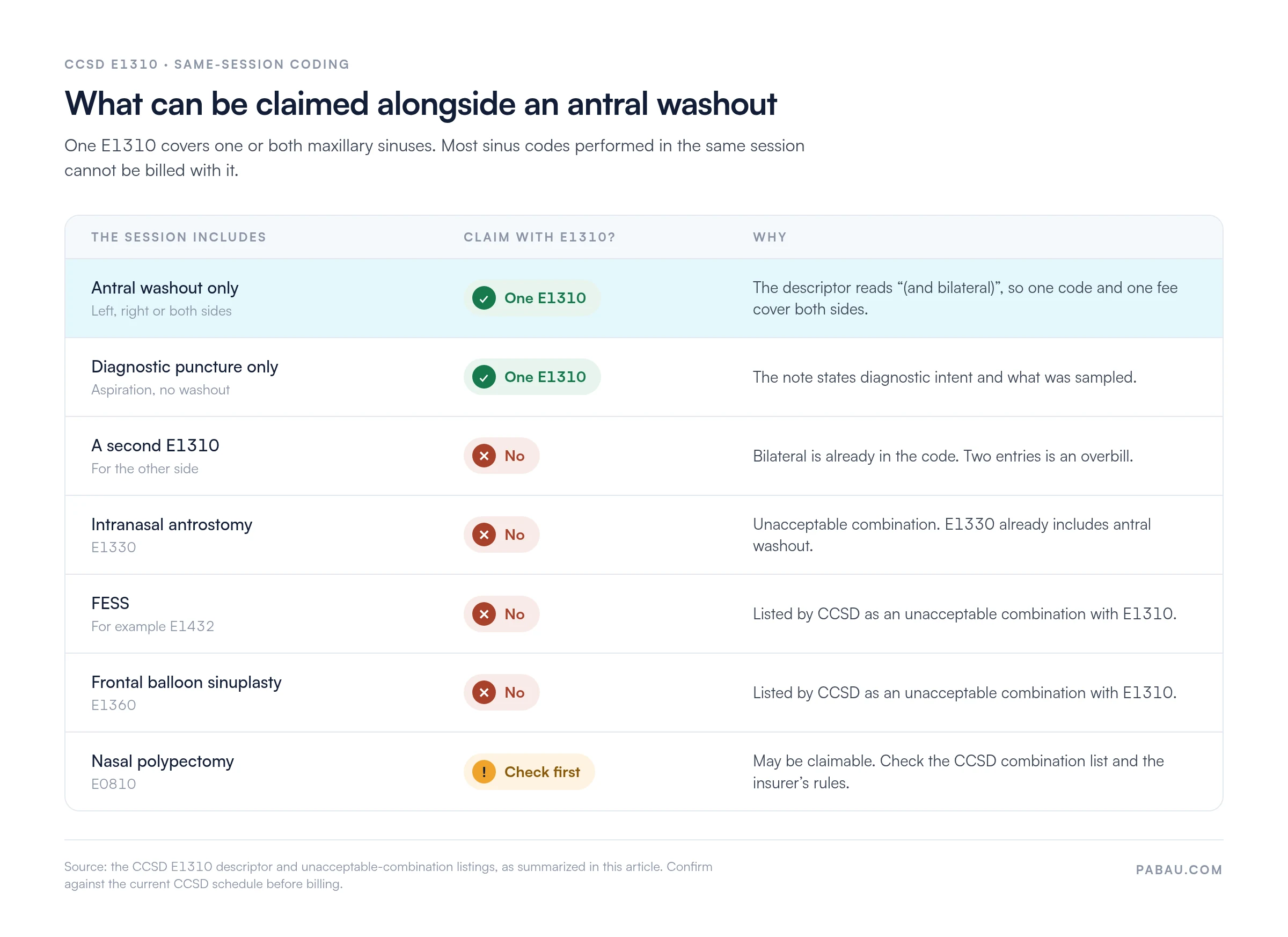
The CCSD lists antrostomy, FESS and frontal balloon sinuplasty codes as unacceptable combinations with E1310.
Pre-authorization rules vary by insurer and should be confirmed before the procedure date.
Pabau, the practice management platform we build, supports insurance billing and claims management for UK private practices.
CCSD Code E1310 is the Clinical Coding and Schedule Development (CCSD) procedure code for antral puncture and washout, including bilateral.
It is used on UK private medical insurance (PMI) claims. The code sits in the ENT chapter of the CCSD schedule. It is recognized by the major UK insurers, including Bupa, AXA Health, Aviva and Vitality Health.
The official descriptor captures three clinical scenarios under a single code:
Because bilateral and unilateral procedures share one code, the operative note has to show what was performed. The CCSD schedule has no separate bilateral modifier for E1310, unlike some CPT codes. Insurers rely on the procedure documentation to judge the clinical scope of the claim.
The code does not cover functional endoscopic sinus surgery (FESS), intranasal antrostomy or nasal polypectomy, which each have their own CCSD codes. The CCSD lists FESS and antrostomy codes, such as E1432 and E1330, as unacceptable combinations with E1310, so they cannot be billed together with it. Whether a same-session polypectomy can sit alongside E1310 should be confirmed against the CCSD combination list. The matrix below sets out each pairing this guide covers.
Antral puncture and washout is a minimally invasive ENT procedure. A trocar and cannula reach the maxillary sinus through the inferior meatus of the nasal cavity. Once the antrum is entered, saline irrigation flushes purulent or mucopurulent secretions from the sinus. This relieves pressure and allows bacteriological sampling where needed.
The procedural steps, in brief:
For bilateral antral washout, steps 1 through 5 are repeated on the other side in the same operative session. The procedure is usually performed under local anesthetic in an outpatient or day-case setting. Some patients receive a general anesthetic instead, such as children, people with significant needle phobia, or cases needing concurrent nasal procedures.
Antral washout is indicated when maxillary sinusitis persists or recurs despite adequate medical management. In UK private ENT practice, the most common referral triggers are:
Washout is generally not first-line. Most insurers expect evidence of prior medical treatment before authorizing it, so the referral letter and admission documentation should record the treatment history clearly. Where an oroantral communication needs closing with a local flap, that repair is a separate procedure with its own code, E1350.
Because CCSD Code E1310 covers both unilateral and bilateral antral washout, the number of sides changes the documentation, not the code. Bilateral is included in the single E1310 fee unless the insurer’s own schedule states otherwise. Fee treatment of bilateral cases is set by each insurer, so confirm it with them. The table below summarizes the billing approach:
Fee schedules are set by each insurer and updated periodically. Check the current Aviva fee schedule and your other insurer portals for how they pay E1310 under your recognition terms. For Bupa, the guide to the Bupa fee schedule explains how its reimbursement is structured. The claim itself needs no pound figure, only an accurate description of the procedure so the insurer can apply the right fee.
Antral washout under local anesthetic (LA) is an outpatient procedure, and the surgical fee (E1310) does not include the anesthetist or facility charge. Under general anesthetic (GA), the anesthetist codes their time separately with the relevant CCSD anesthetic codes. The hospital or day-case unit bills the facility fee independently.
Keep anesthetic costs out of the E1310 surgical claim. Bundling them creates an over-claim that most insurer audit processes will flag. The CCSD Technical Guide sets out the unbundling rules. They govern which concurrent charges may be claimed alongside a procedure code and which count as part of the base fee.
The operative note is the main evidence an insurer uses to validate an E1310 claim. Weak documentation is a common reason for delayed payment or a query. A compliant operative note for E1310 should record:
The Royal College of Surgeons of England recommends completing operative notes on the day of surgery. They should be legible and include the operating surgeon’s name and GMC number. For PMI claims, a co-signed or dictated note in the patient record gives a clear audit trail if the insurer queries the claim later.
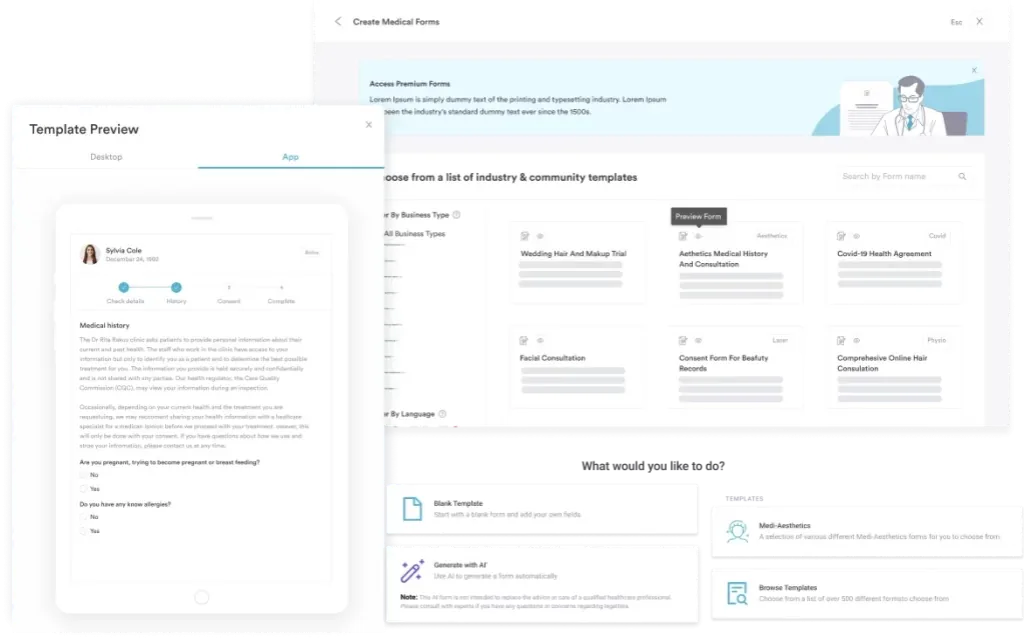
A structured operative note template with the five items above as required fields stops a note from being signed with one missing. That keeps the field an insurer would query from going out blank.
Attach the operative note when you submit the claim. Insurers can review an E1310 claim sooner when the note arrives with it, rather than in reply to a query. Healthcode and insurer-specific portals allow document attachment at claim entry.
Billing errors on E1310 follow a predictable pattern. These are the ones that come up most often on ENT claims for this code:
Claims management software that ties coding to the clinical note cuts transcription errors and prompts for missing details before a claim goes out. Practices that check claims at the point of entry catch these errors before an insurer query does.
E1310 sits in the nasal and sinus section of the CCSD ENT chapter. Knowing the adjacent codes prevents accidental substitution and shows which same-session codes the CCSD bars from being billed with E1310. See also Bupa CCSD procedure codes for insurer-specific fee lookups.
Image-guided FESS has its own billing guide under E1260, and the full set of CCSD codes covers the rest of the ENT chapter. Confirm current descriptors and fee levels against the live CCSD schedule and insurer portals, as the schedule is updated periodically.
Bupa fee data for adjacent codes can be confirmed in the Bupa code search tool. The Healix fee schedule is another publicly accessible fee reference.
If a patient has antral washout and nasal polypectomy in the same session, both codes may be claimable. Check the CCSD unacceptable-combinations list and the insurer’s rules before billing both. Document each procedure separately, with its own indication, technique and findings.
In many private ENT practices, the operative note lives in one system and the insurer claim is keyed into a portal by hand. The side, the technique and the code get typed twice, and each retyping is a chance for the claim and the note to disagree.
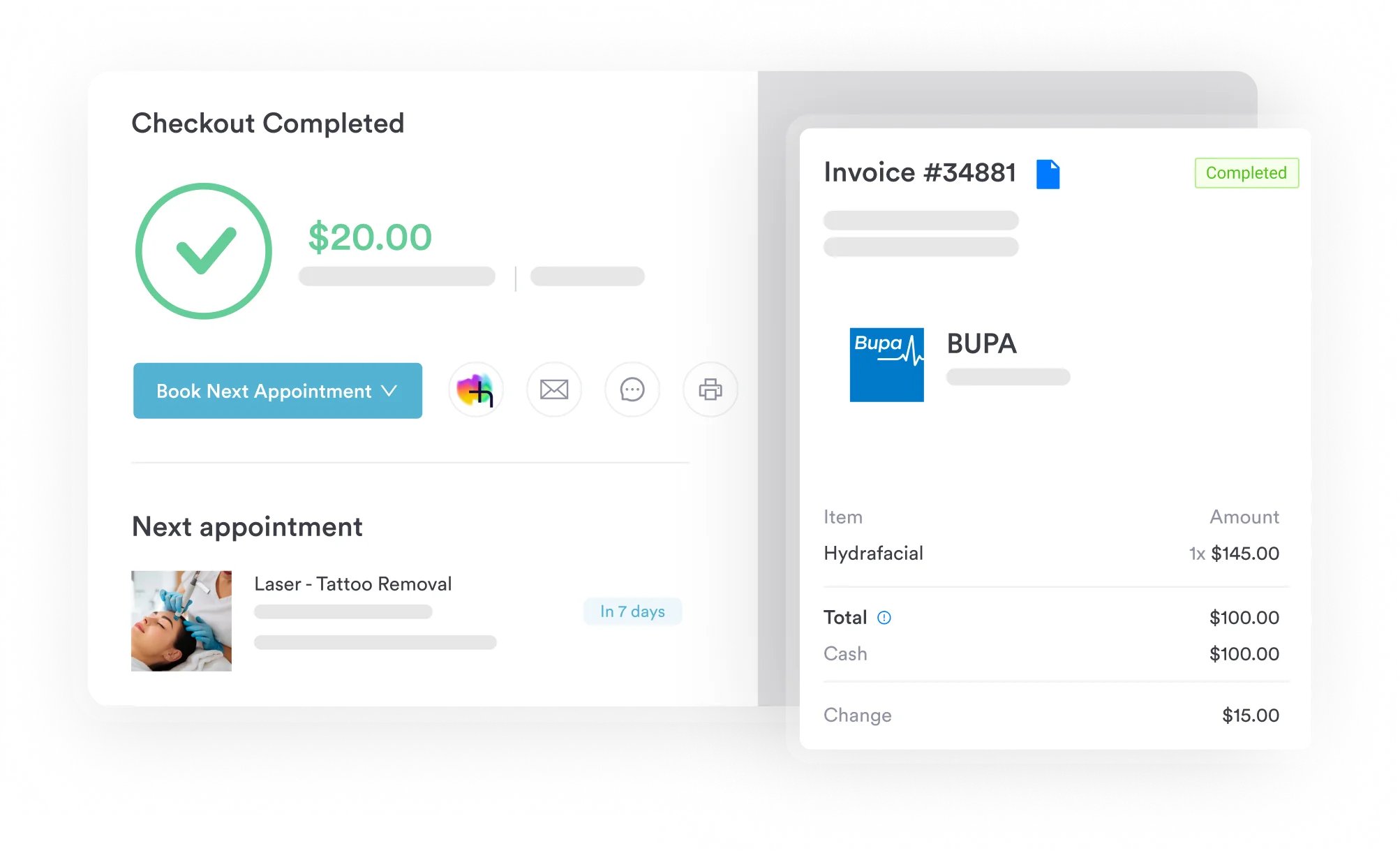
Pabau supports insurance billing and claims management in the UK, including claims sent through Healthcode to insurers such as Bupa and AXA Health. The operative note, the invoice and the claim sit in the same patient record, so the claim is built from what the surgeon documented.
The result is fewer queries about a missing side or a mismatched code, and less time chasing payment after a washout list.

Pabau supports insurance billing and claims management for UK private practices, with operative notes, invoices and claims in the same patient record.

E1310 is rarely the wrong code to choose for an antral washout. Claims on it go wrong later, at the note and the code line. A note that never names the side gets queried. A second E1310, or a same-session antrostomy or FESS code, gets rejected.
So write the note on the day of surgery and record side, technique and findings. Then check every same-session code against the CCSD combination list before you bill. Do that, and the claim goes in once without a query to answer later.
Book a demo to see how Pabau keeps operative notes and insurance claims in one patient record for UK private ENT practices.

Need a framework for CCSD billing compliance? Bupa procedure codes and fee schedule walks through how Bupa structures CCSD reimbursement for private practitioners.
Want to reduce claim rejection rates? Claims management software covers how Pabau handles insurance billing and claims for private practices.
Billing bilateral sinus surgery instead? CCSD code E1432 explains how bilateral FESS is coded and documented.
Working on an open maxillary approach? CCSD code E1220 covers billing for the Caldwell-Luc procedure.
CCSD Code E1310 covers antral puncture and washout, including bilateral. UK private medical insurers use it to reimburse ENT surgeons for this maxillary sinus procedure. One code applies whether one or both sides are treated.
Antral puncture and washout is an ENT procedure in which a trocar and cannula is passed through the inferior meatus into the maxillary sinus. Secretions are aspirated and the antrum is irrigated with saline. It is most commonly performed for maxillary sinusitis that has not resolved with antibiotic treatment.
Bilateral antral washout is billed as a single E1310 code, and that one code and fee cover both sides. Do not submit two E1310 entries. Fee treatment of bilateral cases is set by each insurer, so confirm with them if their own schedule states otherwise. The operative note should clearly document both sinuses.
Adjacent CCSD ENT codes include E1260 (image guided FESS), E1330 (antrostomy including antral washout), E0810 (nasal polypectomy) and E1360 (balloon frontal sinuplasty). The CCSD lists E1330 and E1360 as unacceptable combinations with E1310, so neither can be billed together with it. Each covers a distinct procedure and is not interchangeable with E1310.
The operative note must state the side(s) treated and the access technique (inferior meatus, trocar and cannula). It also records the sinus secretions, the anesthetic method and the clinical indication. For bilateral claims, each side should be described distinctly or a clear bilateral statement provided. Submit the note with the claim rather than waiting for an insurer query.
The most common supporting diagnoses are acute or chronic maxillary sinusitis, including post-dental sinusitis and sinus opacification requiring bacteriological sampling. The referral letter and admission notes should document prior medical treatment to demonstrate that antral washout was clinically appropriate rather than a first-line intervention.