ICD-10 Code S42.444P: Medial epicondyle fracture, right humerus
ICD-10 Code S42.444P: full descriptor and code validity ICD-10 Code S42.444P car...

Last Updated: Oct 13, 2026
Billable Code Specific Code
V90.21XS is the billable ICD-10-CM code for drowning and submersion due to falling or jumping from burning passenger ship, sequela.
That one letter also moves the code out of first position. The late effect leads the claim, whether that is pulmonary fibrosis, cognitive impairment, or post-traumatic stress. V90.21XS then sits behind it as the external cause.
Sequela encounters follow their own sequencing rules under the ICD-10-CM Official Guidelines. Get that order wrong and the denial lands before anyone reads the note.
Let Pabau's smart automation suggest the right codes, reduce claim denials, and keep your practice compliant—effortlessly.
Automate repetitive tasks and focus on what matters most—your patients.
Reduce coding errors and ensure compliance with the latest regulations.
Clean claims, fewer denials, and faster reimbursements.
Powerful insights and reporting to help your practice thrive.
HIPAA compliant SOC 2 certified GDPR-compliant Trusted by 4,000+ clinics worldwide

ICD-10 code V90.21XS covers drowning and submersion after a fall or jump from a burning passenger ship, coded as a sequela.
The 7th character S means you are treating a late effect of that drowning, not the original injury.
Sequence the late-effect diagnosis first, then V90.21XS behind it as the external cause code.
The note has to name the burning passenger ship, an approximate date, and the causal link.
V90.21XS is billable and HIPAA-valid in the FY2026 code set, effective October 1, 2025.
V90.21XS is a billable, specific ICD-10-CM code, valid for reimbursement in HIPAA-covered transactions. It belongs to the FY2026 edition, effective October 1, 2025.
The full official description is: Drowning and submersion due to falling or jumping from burning passenger ship, sequela.
The scenario is narrow. The mechanism is a fall or a jump. The vessel is on fire, and it is a passenger ship. A merchant vessel, a fishing boat, or a recreational craft takes a different code.
Before you bill, check that the FY2026 code set is live in your system. Codes from earlier editions can be rejected on encounters dated October 1, 2025 or later. If you handle your own insurance claims, check this once at the file level rather than claim by claim.
The V90.21 subcategory requires a 7th character, and only three extensions exist. Pick the wrong one and the story on the claim stops matching the story in the chart.
D and S are where the errors cluster. A subsequent encounter means the original injury is still under treatment. A sequela means that injury has run its course, and the patient is back with something it caused.
Late effects after a near-drowning vary widely. Pulmonary complications, anoxic brain injury, and psychological sequelae such as post-traumatic stress all turn up in survivors. Code what the treating clinician documents, not what the mechanism suggests.
The same logic runs through the injury chapters, so it is worth applying consistently.
A healed scaphoid fracture that leaves lasting stiffness behind is handled the same way as S62.032S, with the residual condition first. The AAPC code lookup confirms 7th character requirements across the V90 category.
The code tree answers two questions. It shows whether you have reached full specificity. It also shows which parent carries the coding notes you need to read.
The X in the sixth position is a placeholder. It exists so the 7th character has somewhere to sit. Drop the X and the code is invalid on submission, which is a common slip in manual entry.
V90.21 produces three siblings, and only the 7th character separates them. Move sideways within V90.2 instead and the vessel type changes, which is the distinction payers look at in maritime claims.
Check each sibling description in the CDC ICD-10-CM tool before you close the note. Late effects show up right across the transport block too. Both V86.54XS and V86.54XS and V79.49XS use the same S extension for encounters that arrive months later.
The V90-V94 block sits inside the wider V00-Y99 external causes chapter. Each category answers a different question about the vessel and the mechanism.
V90.21XS lands in V90 because the fire was an accident to the ship itself. V92 is the opposite situation, where the vessel is intact and the accident happens on board. So the record has to say the ship was burning, or the whole category choice falls apart.
Reach for V90.21XS only when all four of these are true:
Document the causal link in words. The note has to say that the current condition, such as pulmonary fibrosis or cognitive impairment, resulted from the drowning. Without that sentence, nothing in the chart supports medical necessity for a sequela code.
Ask whether anyone is still treating the original injury. If they are, use D. If that injury is closed and a new problem has grown out of it, use S.
Timing helps, though it settles nothing on its own. Subsequent visits usually fall within weeks or months, while a sequela encounter can arrive years later. That is why the incident date belongs in the chart, not in someone’s memory.
Practices that carry the date and mechanism forward in structured patient records spend less time hunting at follow-up.
Picture a patient 18 months after a cruise ship fire. They jumped, went under briefly, and were pulled out. Today the clinician documents mild cognitive impairment from the hypoxic event during that incident.
The claim is built in that same order. The cognitive impairment code leads as the principal diagnosis. V90.21XS follows as the external cause, recording the mechanism and the vessel for the record. Nothing else about the fire needs its own code.
Late effects rarely stay inside one specialty, which is where the sequencing tends to drift. Mental health practices see the psychological sequelae, and physical therapy practices pick up the deconditioning and mobility work.
Incident history is protected health information like anything else in the chart. The same HIPAA compliance rules govern how you store it and who gets to see it.
External cause codes are supplementary, so they never sit in first position. Three elements make V90.21XS defensible at audit.
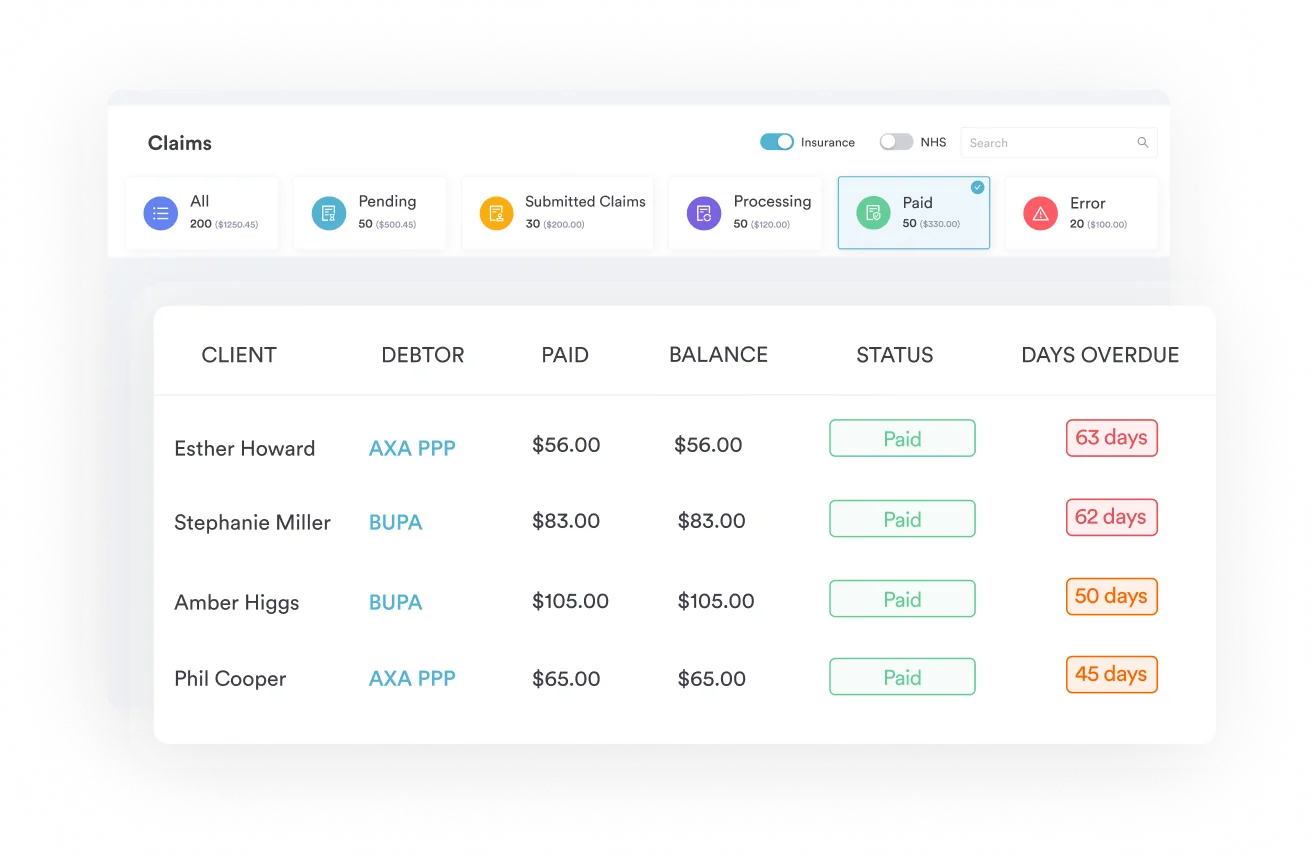
Payers differ on how much they care. Medicare and most commercial plans do not require external cause codes for payment. Many still use them in medical necessity review for trauma. Some state Medicaid programs do require them, so check your own payer list rather than assuming. Some payers require prior authorization for this service, and a claim without it is denied regardless of coding. Diagnosis pointers on the claim form link each service line to the diagnosis that justifies it.
Most of that is easier to capture at registration than at coding. Digital intake forms collect incident history in the patient’s own words. A progress note template then keeps the causal statement in the same place at every visit.

Start at Drowning or Submersion in the Alphabetic Index, then follow the subterms down:
Several phrasings land on the same entry:
All three route to V90.21 before the 7th character is added. Read the tabular entry afterwards for any inclusion notes attached at the V90 level.
Practices running practice management software with a built-in code library should confirm which edition that library is on. Pairing accurate entry with AI-assisted documentation also cuts the transcription slips that turn a valid code into a rejected one.
In most practices this work is split across three places. The incident history sits in an intake form, and the causal statement sits in a clinician’s note. The code itself sits in the billing system. Nothing joins them up, so the coder reassembles the story at every visit.
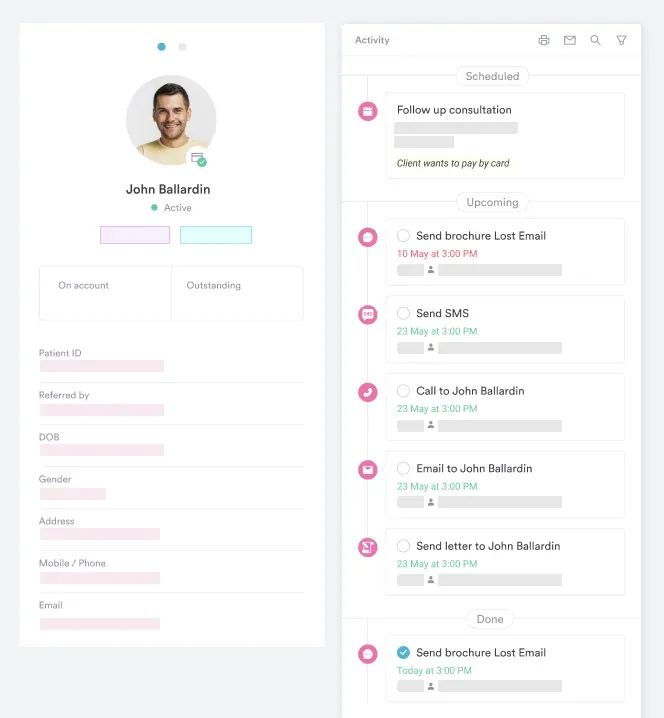
In Pabau, all three live in one client record. Intake answers, clinical notes, and the claim share a single timeline, so the original incident date travels with the patient. When a payer asks why a sequela code was used, the answer is already in the chart.
Pabau Scribe, our AI scribe, drafts the note straight from the consultation, and the coder works from that same record. Fewer handoffs means fewer claims rebuilt from scratch, and less rework waiting for you at month end.

Pabau links intake answers, clinical notes, and claims in a single client record. Your coder can see the original incident and the causal statement without leaving the chart.

V90.21XS asks for one judgment and one habit. The judgment is whether the original drowning injury is genuinely closed. The habit is putting the late effect first and the external cause second, on every claim.
If the note never says the ship was burning, the code cannot carry the claim by itself. The same goes for a note that never connects today’s condition to that day. Fix the documentation upstream and the coding stops being the hard part.
Coders working from one record instead of three spend less time reconstructing old incidents. Book a demo to see how Pabau keeps incident history, clinical notes, and claims together.

Coding an external cause with the D extension instead? W25.XXXD walks through the subsequent encounter rules on an external cause code.
Sequencing a sequela outside the external causes chapter? S61.119S shows how a late effect leads the claim in the injury chapters.
Billing a trauma follow-up rather than a late effect? S21.439D sets out what a subsequent encounter note has to prove.
Billing an irrigation syringe claim? HCPCS code A4322 covers the bulb or piston irrigation syringe used for urological and wound care.
No. Place of occurrence, activity, and external cause status codes are assigned at the initial encounter only. ICD-10-CM guidelines keep them off sequela claims, so V90.21XS stands as the only external cause code.
There is no time limit. A late effect can surface six months or ten years after the incident. The note simply has to tie today’s condition back to that day.
Report T75.1XXS, which covers unspecified effects of drowning and nonfatal submersion as a sequela, then add V90.21XS. Ask the clinician for a named condition where you can, since a specific diagnosis supports medical necessity better.
No. The V90.2 subcategory splits by vessel type, not by the patient’s role on board. A crew member who jumped from a burning passenger ship is still coded to V90.21.
Use V92 when the watercraft itself was undamaged. It covers drowning and submersion due to accident on board watercraft, without accident to watercraft, including being thrown overboard. V90 applies once the vessel is damaged or on fire.