ICD-10 code S61.201A: Open wound of left index finger without nail damage
ICD-10 code S61.201A covers a left index finger wound of unstated type ICD-10 co...

Last Updated: Oct 16, 2026
Billable Code Specific Code
S90.416D is the billable ICD-10-CM code for abrasion, unspecified lesser toe(s), subsequent encounter.
Let Pabau's smart automation suggest the right codes, reduce claim denials, and keep your practice compliant—effortlessly.
Automate repetitive tasks and focus on what matters most—your patients.
Reduce coding errors and ensure compliance with the latest regulations.
Clean claims, fewer denials, and faster reimbursements.
Powerful insights and reporting to help your practice thrive.
HIPAA compliant SOC 2 certified GDPR-compliant Trusted by 4,000+ clinics worldwide

ICD-10 Code S90.416D describes an abrasion of the unspecified lesser toe(s) coded at a subsequent encounter, under ICD-10-CM FY2026.
The 7th character D confirms the patient is in the healing phase – active treatment has ended and routine follow-up care is underway.
Wrong 7th character assignment (using A instead of D) is one of the most common reasons superficial toe injury claims are denied.
Practice management software like Pabau links diagnosis codes such as S90.416D directly to visit records, keeping the documentation trail complete.
ICD-10 Code S90.416D is a billable, specific ICD-10-CM diagnosis code. It describes an abrasion of the unspecified lesser toe(s) at a subsequent encounter. The patient has already received active treatment for the injury and is now attending a follow-up visit during the healing phase. The code is valid for HIPAA-covered transactions under the FY2026 edition of ICD-10-CM, which became effective October 1, 2025. For solid healthcare billing compliance, every field on the claim needs to match the clinical documentation.
The parent code S90.416 (abrasion, unspecified lesser toe(s)) is not itself billable. To submit a claim, coders must append a 7th character that specifies the type of encounter. This structure applies across injury codes in the S00-T88 range.
Per the ICD-10-CM Official Guidelines (Section I.C), a subsequent encounter applies once active treatment for the injury has ended. The patient is then receiving routine care during healing. The provider no longer needs to assess or manage the original wound in an active clinical sense. They are monitoring recovery, changing dressings, or confirming the abrasion is resolving as expected.
The key distinction from an initial encounter (A): that first visit could span multiple appointments if active treatment continues. Once healing begins and care becomes routine, the encounter type shifts to D. A single patient may generate both S90.416A and S90.416D claims across the same episode of care. The two codes just never apply on the same date of service for the same injury.
Sequela codes require a second diagnosis code identifying the specific late effect being treated. If a patient returns months later for scar tissue management on the same toe, S90.416S pairs with a code describing the scar condition. Sequela coding is less common for superficial abrasions, but it is accurate when the complication is clearly traceable to the original injury.
The lesser toes in ICD-10-CM terminology are toes 2 through 5. The great toe (digit 1) is coded separately throughout the S90 range. When a clinician documents an abrasion on the second, third, fourth, or fifth toe without specifying which one, the “unspecified lesser toe(s)” descriptor applies.
The “unspecified” modifier on S90.416 refers to laterality, not the severity of the abrasion. If the provider documents “left lesser toe abrasion” clearly, code S90.415 (with the appropriate 7th character) is more precise. Use S90.416D only when documentation is genuinely silent on side.
This kind of superficial toe injury is common in athletic settings, from turf toe to cleat abrasions and running injuries. Practices using sports medicine software can flag the encounter-type shift from A to D as an athlete progresses through recovery.
Understanding where S90.416D sits in the classification tree helps coders verify they are working in the right section. The same chapter-to-digit structure applies to codes like S21.112A, and it is straightforward to trace once you know the pattern.
Medical coders working from chart notes may see several different clinical descriptions that map to this code. Coding reference tools often include an approximate synonyms section for exactly this reason. The following terms all index to S90.416D when documentation supports a subsequent encounter context.
These are not separate codes. They are natural-language entries in the ICD-10-CM Alphabetic Index that point coders toward S90.416 as the appropriate code family. The 7th character D is applied based on the encounter type documented in the chart, not the synonym used.
S90.416D sits within a closely related family of codes. Coders need to distinguish between encounter types (A/D/S) and laterality (left, right, unspecified). The table below covers the primary sibling and parent codes that come up in toe abrasion documentation. Coders can verify the full code tree using the CDC/NCHS ICD-10-CM web tool.
S90.416D carries no Excludes1 note of its own. It inherits several Excludes2 notes from its chapter (S00-T88) and block (S90-S99), from the ICD-10-CM tabular list.
Because these are Excludes2 notes rather than Excludes1, S90.416D can be reported alongside a burn, fracture, frostbite, or venomous-sting code. Confirm the chart documents both conditions separately before submitting both codes.
Billing a subsequent encounter for a lesser toe abrasion typically involves one of three service categories. These are an evaluation and management (E/M) visit, a wound care procedure, or a dressing change. The CPT codes below are the most frequently paired with S90.416D in follow-up wound care billing, based on standard wound care practice. Verify payer-specific requirements using the AAPC Codify ICD-10-CM lookup and current AMA CPT guidelines. Clinics managing multiple wound care follow-ups benefit from physical therapy EMR or dedicated wound care modules that link diagnosis and procedure codes automatically. Payment for this code arrives with a remittance advice that explains any adjustment line by line.
Add-on code 11001 applies once debridement of the abrasion site extends beyond the first 20 sq cm covered by 97597.
Practices tracking toe abrasions through multiple follow-up visits often juggle separate systems for scheduling, chart notes, and billing codes. A coder billing S90.416D weeks later has to reconstruct whether the chart actually documented a subsequent encounter.
Pabau keeps the diagnosis code, the visit note, and the CPT pairing in one record from the point of care. A note like “wound healing well, dressing changed” sits alongside the S90.416D code and the CPT code billed that day. The 7th character choice stays traceable to the clinical language that supports it.
The result is a wound care record that holds up if a payer queries the shift from an initial to a subsequent encounter. No separate reconciliation step is needed before the claim goes out.

Pabau links ICD-10 diagnosis codes to visit records automatically, so the documentation behind each subsequent-encounter claim is captured at the point of care.

Claims for S90.416D fail for predictable reasons – and most of them trace back to documentation, not the code itself. The chart must support the subsequent encounter designation before the code is ever used. Coders working on HIPAA-compliant billing workflows should verify four elements before submission.
A documented range of motion assessment at the subsequent visit can justify a higher E/M level, such as 99213 rather than 99212.
Run a pre-claim check on every S90.416D submission: confirm the chart says ‘healing’ or ‘follow-up,’ verify no open-wound language exists, and confirm the CPT E/M level matches the documentation complexity. Three seconds of review prevents a denial cycle that takes 20 minutes to resolve.
Practices managing high volumes of wound care follow-ups can use Pabau to attach diagnosis codes to the visit record at the point of care. This flags encounter-type mismatches before submission. Good patient care documentation at each visit also builds an auditable record of the healing timeline. That record is useful if a payer queries the transition from A to D.
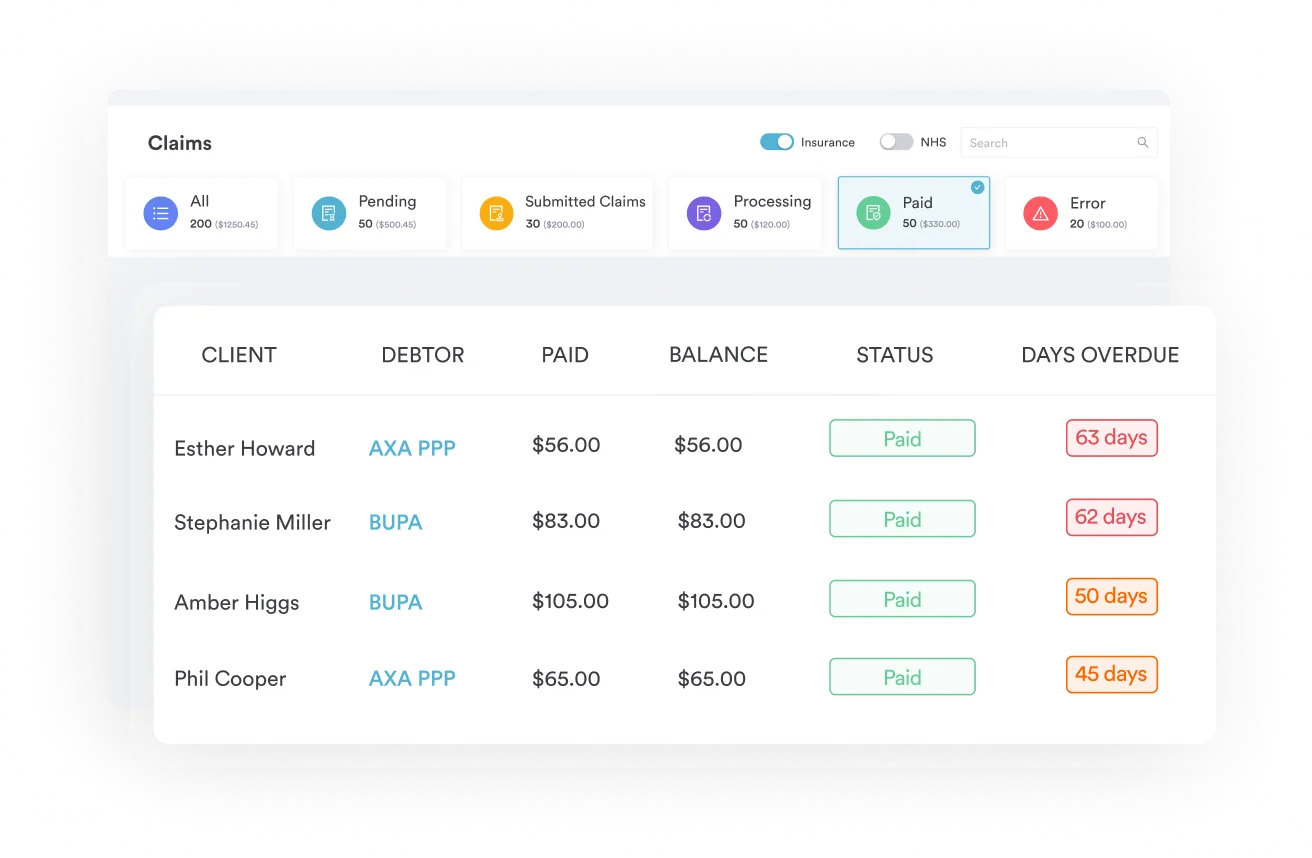
For practices using digital intake forms, capturing wound status at each follow-up visit as a structured field works better than free text. It makes the billing team’s job faster and reduces the chance of a coder missing the encounter-type shift. Using HIPAA transaction requirements as a framework, every field submitted on a claim should have a corresponding entry in the patient record.

S90.416D is a narrow code, but it fails often when the chart does not clearly separate the initial visit from the follow-up. Confirm the encounter type, the laterality, and the CPT level before the claim goes out, not after a denial comes back.
Pabau links ICD-10-CM diagnosis codes directly to visit records and CPT pairings. The documentation that supports S90.416D is captured at the point of care instead of pieced together later. To see how it works in a wound care or outpatient setting, book a demo.

Coding a sequela for an old injury? S31.607S covers an abdominal wall open wound sequela, with the same late-effect documentation logic.
Need a sequela code for a vascular injury? S15.029S explains billing for a major carotid artery laceration sequela.
Billing a surgical wound preparation? 15004 covers surgical preparation for high-complexity wound sites.
Coding a skin graft on the foot? 15120 covers split-thickness autografts for the face, hands, and feet.
Need a burn injury code instead? T31.11 covers burns involving 10-19% TBSA with third-degree involvement.
ICD-10 Code S90.416D is a billable ICD-10-CM diagnosis code describing an abrasion of the unspecified lesser toe(s) at a subsequent encounter – meaning the patient is attending a follow-up visit during the healing phase after active treatment has ended. It is valid for HIPAA-covered transactions under the FY2026 edition of ICD-10-CM, effective October 1, 2025.
The most common CPT codes paired with S90.416D are E/M office visit codes (99211-99213, depending on documented complexity) and wound care procedure codes such as 97597 or 97602 for debridement. Strapping (CPT 29550) may also be billed if applied during the visit. Verify payer-specific medical necessity requirements before submission, as coverage criteria for wound care procedures vary.
S90.416S is the sequela code for abrasion of the unspecified lesser toe(s). It is used when a patient is treated for a late effect – such as scarring, chronic pain, or contracture – directly caused by the original abrasion. Sequela coding requires a second diagnosis code identifying the specific late effect being treated; S90.416S alone is not sufficient for the claim.
The lesser toes in ICD-10-CM are toes 2 through 5. The great toe (digit 1) is coded separately throughout the S90 code family. When documentation specifies left or right, use S90.414 (right) or S90.415 (left) with the appropriate 7th character. Use S90.416 only when laterality is not documented.