

ICD-10 Code S42.444P: Medial epicondyle fracture, right humerus
ICD-10 Code S42.444P: full descriptor and code validity ICD-10 Code S42.444P car...

Last Updated: Oct 13, 2026
Billable Code Specific Code
S63.002D is the billable ICD-10-CM code for unspecified subluxation of left wrist and hand, subsequent encounter.
Let Pabau's smart automation suggest the right codes, reduce claim denials, and keep your practice compliant—effortlessly.
Automate repetitive tasks and focus on what matters most—your patients.
Reduce coding errors and ensure compliance with the latest regulations.
Clean claims, fewer denials, and faster reimbursements.
Powerful insights and reporting to help your practice thrive.
HIPAA compliant SOC 2 certified GDPR-compliant Trusted by 4,000+ clinics worldwide

ICD-10 code S63.002D is a billable ICD-10-CM code for unspecified subluxation of the left wrist and hand at a subsequent encounter
The 7th character D designates a subsequent encounter; the parent code S63.002 is non-billable without it
S63.002D is valid for FY2026 ICD-10-CM, effective October 1, 2025, per CMS and NCHS guidelines
Practice management software like Pabau helps orthopedic and physical therapy practices select the correct billable ICD-10 code variant and keep diagnosis documentation tied to the treatment record
ICD-10 code S63.002D designates an unspecified subluxation of the left wrist and hand at a subsequent encounter. It is a billable ICD-10-CM diagnosis code, valid for reimbursement in FY2026 under the current edition effective October 1, 2025.
By contrast, the parent code, S63.002, is non-billable on its own. Specifically, adding the 7th character “D” converts it into a fully specified, billable code by indicating the encounter type. Coders and billing specialists in orthopedics, physical therapy, and urgent care rely on this code to support follow-up visits for previously diagnosed left wrist subluxations. The information here is drawn from the CMS ICD-10 codes page, which maintains the official FY2026 ICD-10-CM files.
The table below provides a quick-reference summary for S63.002D, covering the key attributes coders check before submitting a claim. The 1500 claim form and its electronic equivalent ask for the same data in a different layout.
In general, ICD-10-CM uses a 7th character extension to specify the type of encounter for injury and trauma codes in the S00-T88 range. For the S63.002 code set, three options apply:
In particular, ICD-10 code S63.002D applies when the patient is in the subsequent care phase: follow-up visits, ongoing physical therapy, cast changes, medication adjustments, or rehabilitation appointments after the acute episode has been managed. Under ICD-10-CM coding conventions, the encounter type character is mandatory for all trauma codes and must reflect the patient’s current status, not the status at first diagnosis.
A common coding error is using “A” for a follow-up visit simply because the patient returns to the same provider. In contrast, active treatment (character A) ends when the provider has rendered initial care; everything after that point falls under subsequent encounter (character D). Indeed, confusing the two can trigger claim denials or payer audits.
Document clearly in each note whether the visit constitutes active treatment or follow-up care. A single phrase such as ‘patient presenting for follow-up and rehabilitation after left wrist subluxation’ supports the 7th character D and protects the claim from challenge.
Ultimately, selecting the correct 7th character is the most consequential coding decision for this code set. The table below maps each variant to its clinical scenario.
Generally, ICD-10 code S63.002D is the correct choice for the majority of outpatient follow-up and rehabilitation visits. Conversely, S63.002S is reserved for separately documented late effects, not for ongoing healing, the same standard that applies to finger extensor tendon sequelae under S66.399S. Practices managing physical therapy EMR workflows bill S63.002D at nearly every session after the initial evaluation.
Subluxation is a partial dislocation: the joint surfaces lose their normal alignment but remain in contact, unlike a complete dislocation where contact is fully lost. At the wrist and hand, subluxation most commonly involves the carpal bones (particularly the lunate and scaphoid) or the distal radioulnar joint.
The “unspecified” modifier in S63.002D means the clinical documentation does not specify which joint or which type of subluxation occurred. Providers should aim for specificity when the record supports it; however, when chart notes identify left wrist subluxation without further detail, S63.002D is the correct billable choice rather than defaulting upward in the hierarchy to a non-billable code.
Additionally, understanding where ICD-10 code S63.002D sits in the classification tree helps coders navigate to more specific or more general codes when documentation changes. The full hierarchy is:
This chapter-block-category-subcategory-billable structure repeats across all ICD-10-CM injury categories, not just S63. Recognizing where a code sits in this tree reduces the risk of selecting a parent-level non-billable code, such as S63.002, instead of the fully specified S63.002D.
Laterality and specificity determine which related code applies. The table below covers the most frequently referenced codes near S63.002D, including one sprain code from the same region, so coders can confirm laterality, encounter type, and injury type before billing.
If documentation specifies the joint (for example, the distal radioulnar joint), coders should select a more specific code such as S63.012D rather than the unspecified S63.002D. The same specificity principle applies when the documentation describes pain rather than subluxation: Coding to the highest level of specificity the documentation supports keeps the diagnosis aligned with what actually happened at the visit.
The ICD-10-CM Official Guidelines, published jointly by CMS and NCHS, govern the application of 7th character extensions for trauma codes. Key documentation requirements for ICD-10 code S63.002D include:
Furthermore, under HIPAA, all covered entities must use ICD-10-CM for diagnosis reporting on claims. Also, payers may request medical records to verify the encounter type. Digital intake forms that capture the injury history and treatment phase at check-in.

Practices with physiotherapy compliance requirements should ensure their visit note templates prompt providers to distinguish between initial and subsequent care explicitly. Notably, a vague note that could apply to either phase creates billing ambiguity and can trigger payer queries.
Run a periodic audit of claims submitted with S63.002D. Flag any claims where the prior encounter was not coded as S63.002A. A missing initial encounter in the record is a common audit trigger and can indicate a documentation workflow gap rather than a fraudulent claim.
S63.002D appears across several clinical settings where patients return for care after an initial left wrist subluxation. The most common billing contexts are:
Similarly, when pairing ICD-10 code S63.002D with CPT codes, document the specific therapeutic intervention alongside the diagnosis. In fact, payers may deny claims where the CPT service does not align logically with a subsequent encounter for wrist subluxation. An itemized superbill keeps the required fields in one place: dates, codes, charges and provider identifiers.
Manual ICD-10 code lookup is one of the most common sources of billing errors in orthopedic and physical therapy practices. Typing a partial code, selecting the wrong laterality, or forgetting the 7th character extension can each result in a non-billable claim submission.
Pabau’s medical records management tools build ICD-10 code lookup directly into the documentation workflow. Coders can search by keyword (“left wrist subluxation subsequent”) or by code fragment (“S63.002”) and the system surfaces the billable variants, including S63.002D, with the full description displayed before selection. This reduces the risk of documenting S63.002 (non-billable) instead of S63.002D.
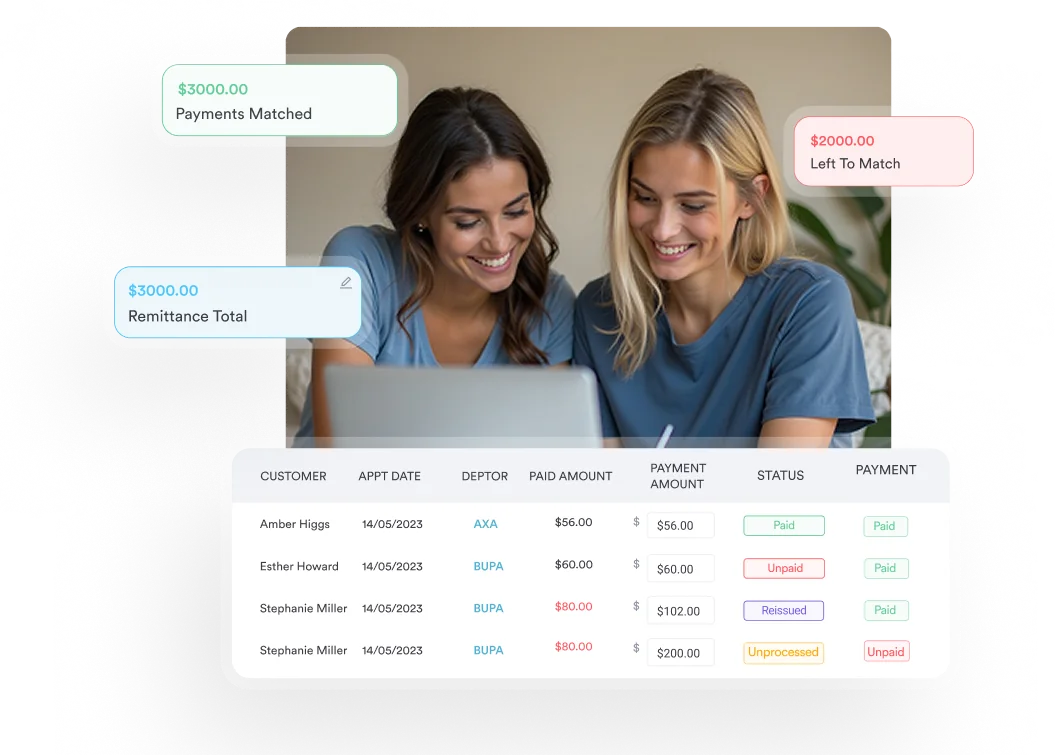
Beyond code lookup, Pabau links the selected ICD-10 diagnosis to the patient’s client record and keeps it tied to the CPT procedure codes documented for the same visit. That pairing is visible to the biller before the note is finalized, making mismatched diagnosis-procedure combinations easier to catch. For practices managing EHR integration across multiple specialties, consistent ICD-10 entry workflows reduce variation between providers and support more accurate reporting.
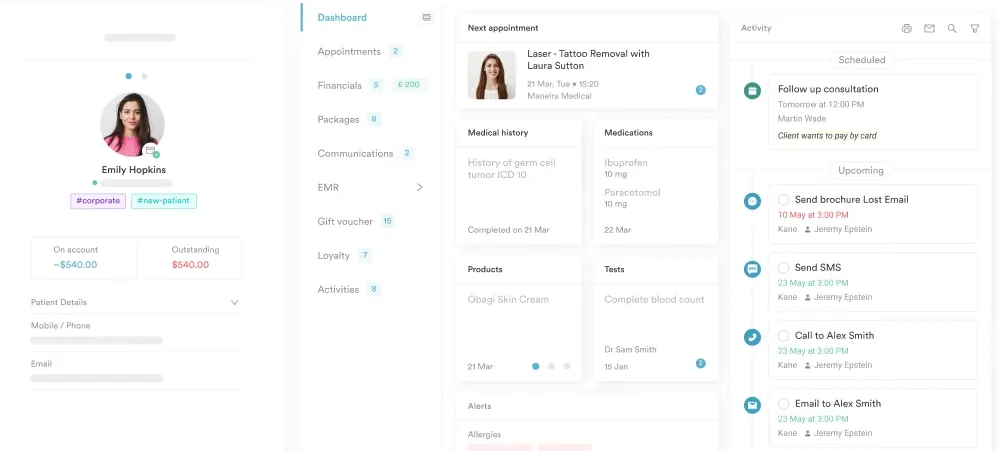
Practices that handle high volumes of subsequent encounter codes for musculoskeletal injuries benefit most from this kind of built-in workflow. Rather than relying on individual coder knowledge of 7th character rules, the software surfaces the correct options at the point of code entry.

Pabau helps orthopedic and physical therapy practices select the right ICD-10 codes and keep them tied to the CPT procedures documented in the treatment record. See how it works for your practice.

Incorrect 7th character selection is the single most preventable billing error for S63 category codes. For example, a patient returning for wrist rehabilitation is almost always a subsequent encounter (S63.002D), not an initial one. Therefore, getting that distinction right protects both the claim and the practice’s audit exposure.
Pabau surfaces the correct billable ICD-10 code variants at the point of entry, reducing coding errors for high-volume subsequent encounter codes like S63.002D. To see how Pabau handles ICD-10 documentation in physical therapy and orthopedic settings, book a demo.

Coding a zygomatic arch reconstruction instead? Zygomatic arch reconstruction billing covers CPT code 21255 for zygomatic arch and glenoid fossa reconstruction using bone and cartilage grafts.
Coding an orbital repositioning procedure instead? Orbital repositioning billing guide covers CPT code 21268 for orbital repositioning with bone grafts requiring more than one craniotomy.
Want to understand how practice software handles clinical records? Client record management shows how Pabau links diagnosis codes to treatment records in one workflow.
ICD-10 code S63.002D is a billable ICD-10-CM diagnosis code for an unspecified subluxation of the left wrist and hand at a subsequent encounter. It is used when a patient returns for follow-up care, rehabilitation, or routine management after initial active treatment for the injury has ended.
Yes. S63.002D is fully billable. The parent code S63.002 becomes billable only when a 7th character is added. The “D” extension for subsequent encounter completes the specificity requirement and makes the code valid for reimbursement in FY2026 ICD-10-CM.
S63.002A is for initial encounters when the patient is receiving active treatment for the first time. S63.002D is for subsequent encounters covering follow-up and rehabilitation visits. S63.002S is for sequela, meaning late effects or complications that develop as a direct result of the original left wrist subluxation.
A subsequent encounter (7th character D) covers visits during healing or recovery from an injury that is still being actively managed. A sequela (7th character S) is used when the original injury has resolved but caused a lasting complication. Chronic carpal instability arising from a past subluxation would be coded with S, not D.
Yes. Physical therapy practices routinely bill S63.002D as the diagnosis code paired with CPT procedure codes such as 97110 (therapeutic exercise) or 97530 (therapeutic activities) during rehabilitation sessions for left wrist subluxation following initial treatment.
Yes. S63.002D is valid for FY2026 ICD-10-CM, which became effective on October 1, 2025. It remains an active, billable code with no changes to its description in the current edition per the CMS ICD-10 code files.




