

ICD-10 Code S42.444P: Medial epicondyle fracture, right humerus
ICD-10 Code S42.444P: full descriptor and code validity ICD-10 Code S42.444P car...

Last Updated: Oct 13, 2026
Billable Code Specific Code
S59.209D is the billable ICD-10-CM code for unspecified physeal fracture of lower end of radius, unspecified arm, subsequent encounter for fracture with routine healing.
Three elements define this code. First, "physeal" means the fracture involves the growth plate (physis), not the bone shaft. Second, "unspecified arm" signals that laterality is not documented.
Third, the 7th character D means "subsequent encounter for fracture with routine healing." It confirms that active treatment has ended and the fracture is healing as expected.
Let Pabau's smart automation suggest the right codes, reduce claim denials, and keep your practice compliant—effortlessly.
Automate repetitive tasks and focus on what matters most—your patients.
Reduce coding errors and ensure compliance with the latest regulations.
Clean claims, fewer denials, and faster reimbursements.
Powerful insights and reporting to help your practice thrive.
HIPAA compliant SOC 2 certified GDPR-compliant Trusted by 4,000+ clinics worldwide

S59.209D covers an unspecified physeal fracture of the lower end of the radius, unspecified arm. The 7th character D marks a subsequent encounter with routine healing.
The parent code S59.209 is not billable on its own. Every code in the S59.2 series needs a 7th character to clear a HIPAA-covered transaction.
Choosing D when the chart documents delayed healing (G), nonunion (K), or malunion (P) is a coding error with compliance consequences.
A documented Salter-Harris type moves the claim off S59.209D and onto S59.219D, S59.229D, S59.239D, or S59.249D.
Practice management software like Pabau captures encounter type and healing status at the point of care, so coders are not reconstructing it at billing time.
Use this quick-reference table to confirm the code’s core attributes before submission.
The 7th character D marks a subsequent encounter for fracture with routine healing. It tells the payer that active treatment has finished and recovery is running to plan.
The CMS ICD-10-CM guidelines require a 7th character on every fracture code in the S59 series. Without one, the code is not billable and HIPAA-covered transactions will reject it. The character describes encounter type and healing status, not the fracture itself.
A subsequent encounter is any visit after the patient has received active treatment and the provider is managing recovery. Routine healing means the fracture is progressing normally with no complication documented.
Each 7th character maps to a distinct clinical scenario. Selecting the wrong suffix is a coding error that can trigger audits or claim denials.
One detail catches coders who move over from shaft fracture codes. The S59.209 series carries no 7th character B, because its only initial-encounter option is A, defined as initial encounter for closed fracture. In ICD-10-CM these growth plate fractures are classified as closed. An open injury is coded elsewhere rather than with a B suffix here.
The physis, or growth plate, is a cartilaginous zone at the end of long bones in children and adolescents. Because cartilage is mechanically weaker than bone during growth, the physis is the most vulnerable point in a developing skeleton.
A fall onto an outstretched hand concentrates force at the distal radial physis. That makes it the most commonly fractured growth plate site in pediatric patients.
Practices managing pediatric orthopedic or sports injury cases meet these codes constantly during follow-up care. That includes teams running physical therapy practice management software alongside their billing workflow.
Follow-up care for these injuries can also put equipment on the claim. A heat lamp sent home for rehabilitation is billed under E0205, and Medicare denies that code for home use regardless of diagnosis.
The Salter-Harris system classifies physeal fractures by the relationship of the fracture line to the physis, epiphysis, and metaphysis. This classification directly affects ICD-10 code selection. S59.209D applies only when the Salter-Harris type is not documented in the chart.
If a radiologist or orthopedic surgeon documents a specific Salter-Harris type, coders must use the matching typed code. A Type II fracture at the first visit, for example, belongs with S59.229A instead.
Reaching for S59.209D when the chart names a type is a specificity error, and payers can deny the claim on it. Treat the unspecified series as a last resort.
Understanding where S59.209D sits in the ICD-10-CM hierarchy helps coders verify correct code selection and navigate parent codes during audits. The full hierarchy is:
Confirm current validity against the AAPC Codify lookup before you submit the claim.
Per ICD-10-CM official guidelines, the record must support every element of S59.209D before submission. Check that your claims management software captures encounter type at the point of care. Reconstructing it at billing time is where specificity gets lost. Diagnosis pointers on the claim form link each service line to the diagnosis that justifies it.
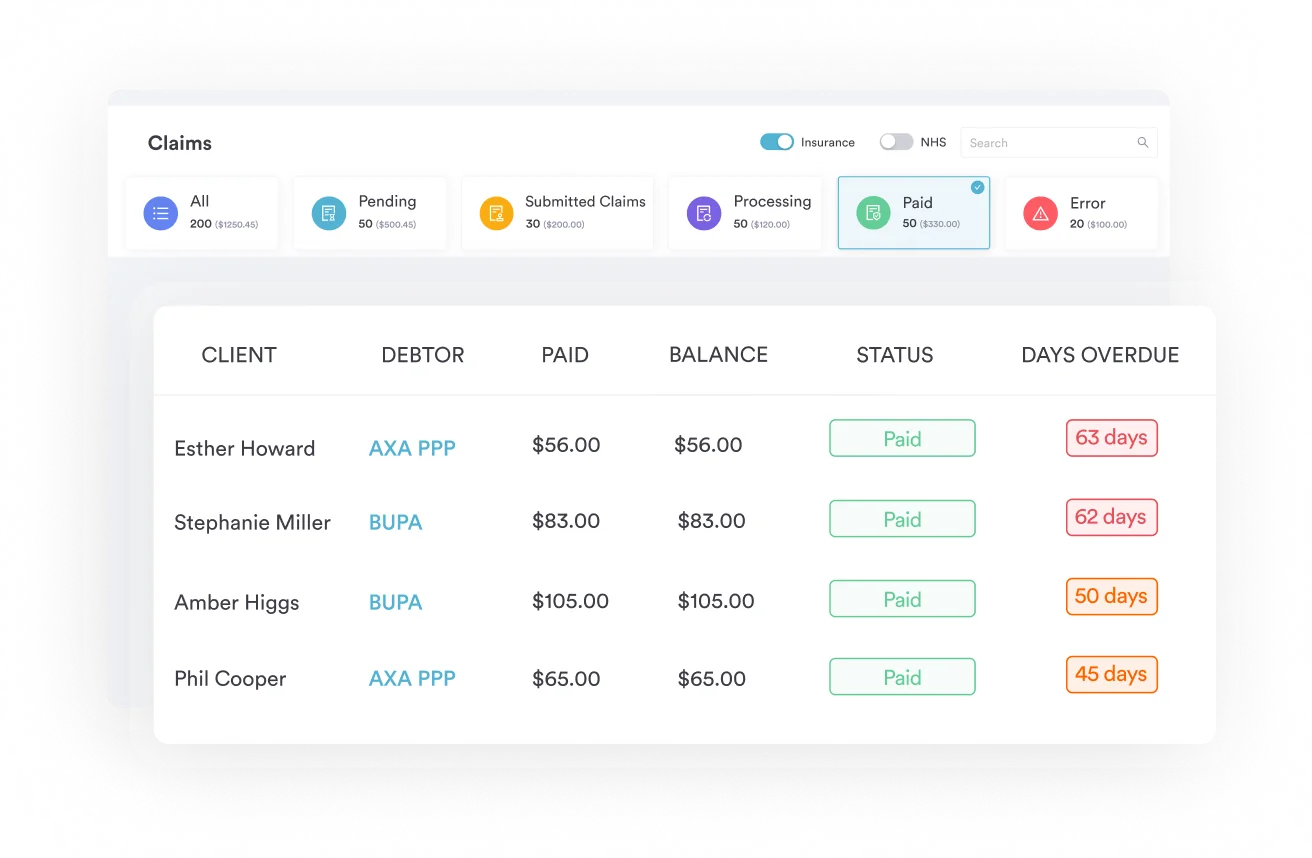
Audit your chart templates for fracture follow-up visits. Each note should capture four data points. Those are encounter type (initial or subsequent), healing status, documented laterality, and Salter-Harris classification where imaging assessed it. Missing any of these forces coders to use unspecified codes, increasing audit risk.
Most errors with this code family trace back to the chart note rather than the coder. Each one below carries a specific compliance consequence, so the repair usually belongs in the documentation. Accurate coding also keeps follow-up visits reimbursed, which supports patient compliance through the full healing period.
Practices with high pediatric orthopedic or sports medicine volume benefit from a dedicated coding protocol for growth plate fractures. Structured practice management software that flags encounter-type fields at billing time can catch these errors before claims go out. A shared coding reference also standardizes how two coders handle the same borderline case.
S59.209D sits inside the wider S59.2 family of physeal fracture codes at the distal radius. Coders in orthopedics and sports medicine practices meet these sibling codes constantly, usually across the same patient’s course of care.
The same 7th character logic travels beyond the wrist. a metatarsal growth plate applies it to a metatarsal growth plate, and S59.199S handles a late effect at the upper end of the radius.
The complete list of 7th characters sits on the ICD-10-CM entry for S59.209.
In most practices, the 7th character gets decided days after the visit. A coder opens the note, works out whether the encounter was initial or subsequent, and picks a character to match. When the note is thin, the unspecified code is the safe answer, and specificity quietly drains out of the claim.
Pabau, our practice management software, moves that decision back to the point of care. Encounter type, laterality, and healing status sit in the clinical note as structured fields rather than buried in free text. Your coder reads a finished record instead of rebuilding one from memory.
Those details then travel with the claim through Pabau’s claims management tools, so billing works from what the provider actually documented. For a pediatric orthopedic or physical therapy caseload, that is the difference between a clean S59.209D and a denial you rework three weeks later.

Pabau records encounter type, laterality, and healing status inside the clinical note, then carries them through to the claim. Fracture follow-up billing leaves your practice with the documentation already attached.

Physeal fracture coding at the distal radius rarely fails on the diagnosis. It fails on the 7th character. S59.209D is billable and HIPAA-valid for FY 2026, but only when the record supports every element of it.
That means a confirmed subsequent encounter, documented routine healing, genuinely unspecified laterality, and no Salter-Harris type recorded anywhere in the chart. Change any one of those and a different code applies.
For practices handling pediatric fracture follow-up at volume, the fix is structural rather than clerical. Clinical documentation tools that capture encounter type and healing status during the visit take the guesswork out of 7th character selection.
Book a demo to see how Pabau cuts denials on fracture follow-up claims.

Coding a buckle fracture at the same site? S52.529D covers a torus fracture at the lower end of the radius and the follow-up documentation behind it.
Billing a radial styloid fracture instead? S52.514M walks through a nondisplaced styloid fracture and the encounter rules behind its 7th character.
Need the ulnar side of the same wrist? S52.692R sets out the documentation for another fracture at the lower end of the ulna.
Billing Mohs surgery on the trunk or limbs? Trunk and limb Mohs billing covers CPT 17313, the first Mohs stage on the trunk, arms, or legs, covering up to five tissue blocks.
Tracking a healed fracture that stayed out of position? S62.163P covers a displaced pisiform fracture with malunion in the same wrist region.
S59.209D is a billable ICD-10-CM diagnosis code for an unspecified physeal fracture of the lower end of the radius, unspecified arm. The 7th character D places the visit at a subsequent encounter with routine healing. The code is valid for HIPAA-covered transactions in fiscal year 2026.
Yes. S59.209D is a billable, HIPAA-valid ICD-10-CM code for FY 2026. The parent code S59.209 (without a 7th character) is not billable and will cause claim rejections if submitted alone.
The 7th character D designates a subsequent encounter for fracture with routine healing. It applies when the patient is in a follow-up phase, active treatment has ended, and the chart documents that healing is progressing normally without complication.
Use S59.209D when the chart documents routine healing at a subsequent visit. Use S59.209G when notes or imaging show delayed healing. Use S59.209K when nonunion is confirmed, meaning no bridging callus and a fracture that has failed to heal. The documentation must support whichever 7th character you select.
S59.209A covers the initial encounter while the patient is actively receiving treatment (casting, surgery, splinting). S59.209D applies once active treatment has ended and the patient is in the monitoring and healing phase, with routine healing documented.
When the Salter-Harris type is documented, use the type-specific code. That is S59.219D for Type I, S59.229D for Type II, S59.239D for Type III, and S59.249D for Type IV. Each covers a subsequent encounter with routine healing at the lower end of the radius, unspecified arm. Reserve S59.209D for records where no type is classified.




