ICD-10 Code S42.444P: Medial epicondyle fracture, right humerus
ICD-10 Code S42.444P: full descriptor and code validity ICD-10 Code S42.444P car...

Last Updated: Oct 13, 2026
Billable Code Specific Code
O87.4 is the billable ICD-10-CM code for varicose veins of lower extremity in the puerperium.
Let Pabau's smart automation suggest the right codes, reduce claim denials, and keep your practice compliant—effortlessly.
Automate repetitive tasks and focus on what matters most—your patients.
Reduce coding errors and ensure compliance with the latest regulations.
Clean claims, fewer denials, and faster reimbursements.
Powerful insights and reporting to help your practice thrive.
HIPAA compliant SOC 2 certified GDPR-compliant Trusted by 4,000+ clinics worldwide

ICD-10 code O87.4 is the billable, specific code for varicose veins of the lower extremity in the puerperium.
The code sits in the O87 block, which covers venous complications and hemorrhoids in the puerperium.
Assignment needs physician documentation that names the lower extremity and places the diagnosis inside the six-week postpartum window.
The FY2026 edition took effect on October 1, 2025 and stays valid through September 30, 2026.
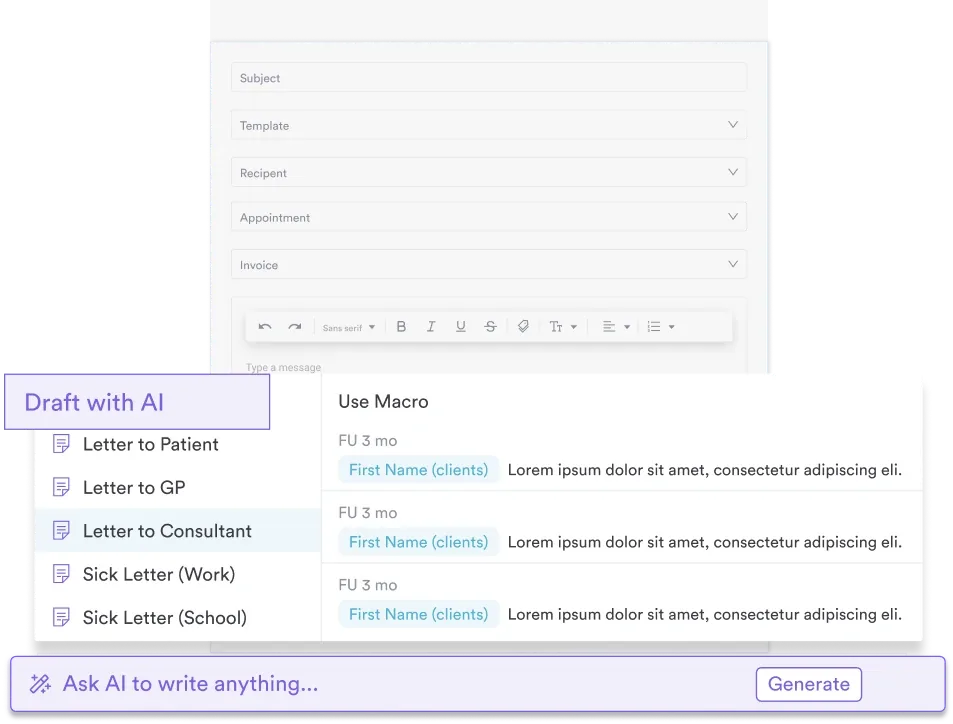
Practice management software like Pabau keeps postpartum exam findings in structured fields, so coders can support O87.4 on the claim.
ICD-10 code O87.4 is the billable ICD-10-CM code for varicose veins of the lower extremity in the puerperium. It covers dilated surface veins in the legs that appear or worsen in the weeks after delivery.
The Centers for Medicare and Medicaid Services, known as CMS, lists the code as valid for the fiscal year 2026 edition. That edition took effect on October 1, 2025 and runs through September 30, 2026.
The full descriptor is “Varicose veins of lower extremity in the puerperium.” O87.4 is a terminal code, so there is no further digit to add and none is expected. It belongs to Chapter XV, which covers pregnancy, childbirth and the puerperium. The CDC ICD-10-CM tool carries the official tabular list entry.
Before assigning O87.4, confirm three things. The treating physician documented the diagnosis, the site is the lower extremity, and the event falls inside the puerperium. The table below holds the quick-reference facts your claims management workflow needs.
Varicose veins of the lower extremity in the puerperium are dilated, twisted surface veins in the legs. During pregnancy, higher progesterone relaxes the vein walls and a larger blood volume raises venous pressure. Both changes leave the leg veins prone to dilation.
After delivery those changes settle gradually. Varicosities that started in pregnancy often persist or worsen in the early postpartum weeks. Teams working in OB/GYN practice management software can build the finding into the postpartum visit template, so it reaches the coder.
The puerperium runs from delivery to about six weeks later. O87.4 applies to varicose veins that appear or are diagnosed inside that window. Patients may report ropey veins on the legs, aching, heaviness, or mild swelling of the limb.
The classification tree shows why O87.4 is the most specific option on offer. It sits four levels deep in ICD-10-CM. Coders who work across the same chapter, including codes such as O90.9, will recognize the structure.
The alphabetic index lists several alternate terms that lead to O87.4. Physician notes rarely use the formal descriptor, so the variants are worth knowing. Keep a medical coding cheat sheet beside the chart for the wording your providers use most.
When a note uses any of these terms, O87.4 is the correct and specific code. The diagnosis still has to sit inside the six-week puerperium and name the lower extremity. For synonyms attached to other O87 subcodes, check the AAPC code search tool.
The O87 block covers every venous complication and hemorrhoid case arising in the puerperium. Picking the wrong subcode is the most common error here, usually a slip between O87.4, the thrombosis codes, and the unspecified O87.9. The table below maps all seven siblings in the block.
Assigning O87.4 depends on what the physician documents, not on what the coder infers. The ICD-10-CM Official Guidelines ask the treating provider to record the diagnosis before a coder assigns it. In obstetric coding, the timing relative to delivery is part of that record.
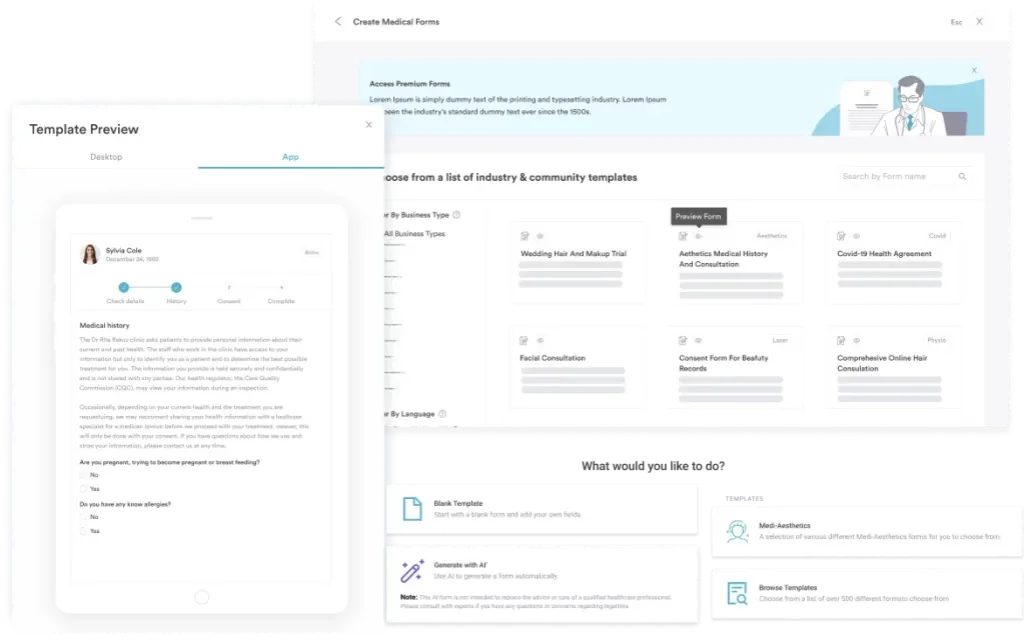
Practices that standardize their postpartum notes with digital clinical forms lose fewer of these details between the exam room and the claim.
These are the core documentation requirements for O87.4, taken from the ICD-10-CM official guidelines:
Audit your postpartum visit template for a vascular field covering the lower limbs. Without a checkbox for varicose veins or lower limb venous changes, coders have no basis to assign O87.4. The clinician may have examined the legs and said so out loud, but that never reaches the claim.
Postpartum notes carry the same privacy obligations as the rest of the chart, and the documentation compliance checklist for primary care sets out the standards.
Each O87 subcode describes a distinct clinical picture. O87.4 is for varicose veins of the lower extremity, so thrombosis, hemorrhoids and unspecified venous complications all sit elsewhere. Providers who manage postpartum care in pelvic health software can put this decision logic in front of the clinician at the visit. A coding error surfaces as a cash flow problem weeks later, which is why the healthcare revenue cycle is measured end to end.
O87.9 is a last resort. When the note is vague, query the provider before you settle for an unspecified code. Deep phlebothrombosis needs imaging confirmation, usually a duplex scan billed under 93970. Hemorrhoids in the puerperium belong to Hemorrhoids in the puerperium.
The alphabetic index offers several routes to O87.4. Knowing them stops the code slipping past when a note uses non-standard wording. A records system that surfaces those terms straight from the chart saves the coder a manual search.
Check index references against the WHO ICD-10 browser for the international definition. Then cross-check the US tabular list in the CDC tool for the rules specific to ICD-10-CM.
O87.4 is usually lost at the exam rather than at the claim. The clinician sees the varicosities, mentions them to the patient, and moves on to the rest of the check. Nothing structured reaches the chart, so the coder has nothing to work from.
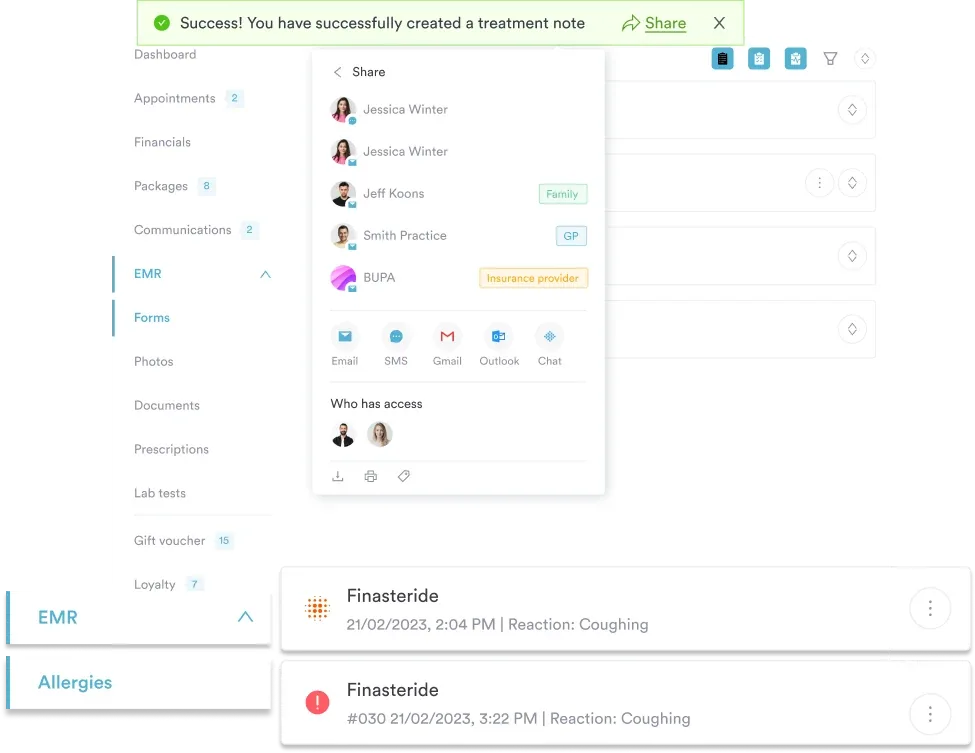
Practice management software like Pabau replaces that free-text note with a postpartum form that has its own field for lower-limb venous findings. The clinician records the finding during the visit. It lands in the client record with the visit date attached, which is the timing evidence the puerperium window calls for.
Pabau Scribe, our AI scribe, writes the note up from the consultation itself. The wording a coder depends on is captured while the clinician is still talking. Digital forms cover the rest of the obstetric record, from the Apgar score at delivery to the six-week check.
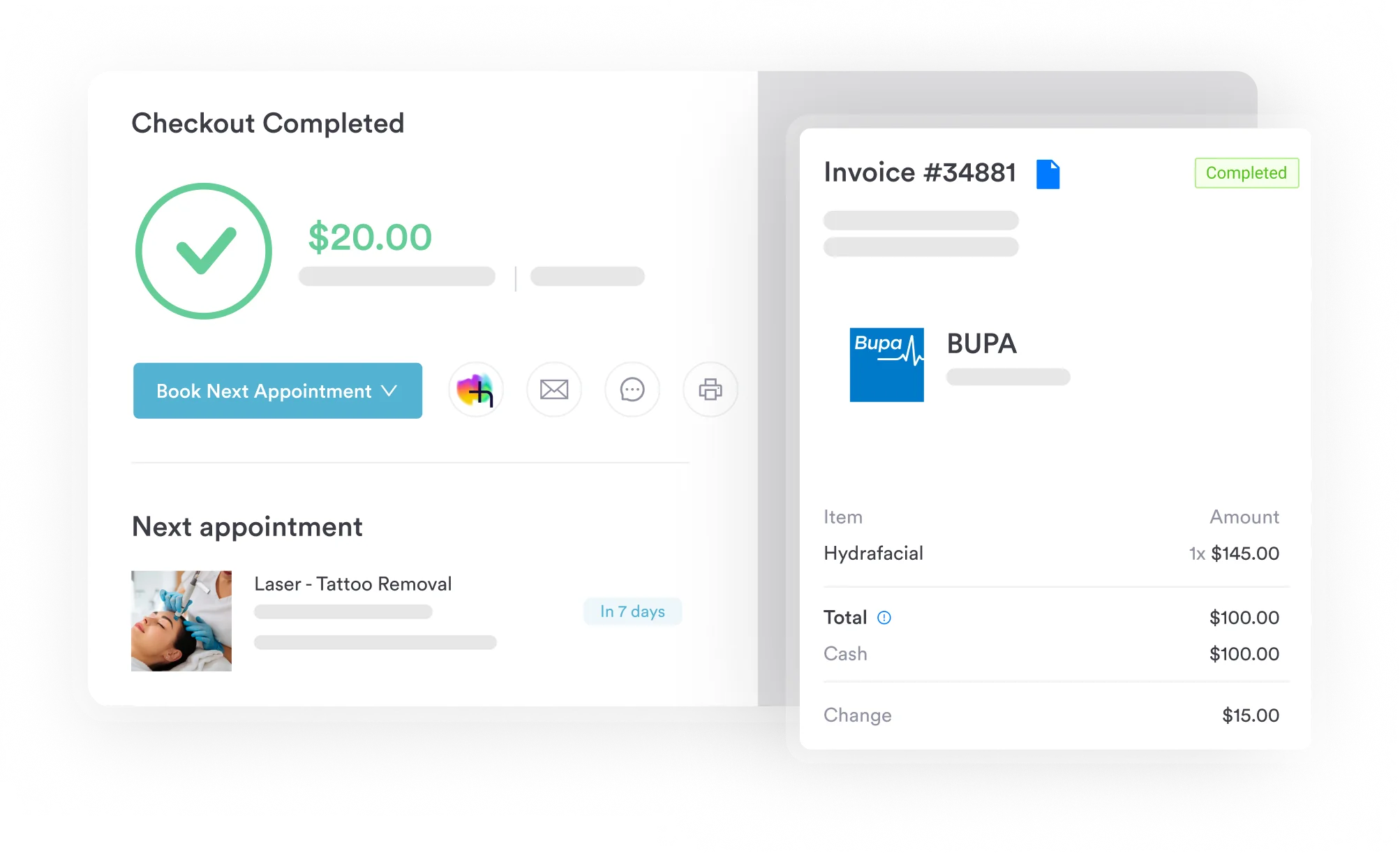
Send the new patient questionnaire ahead of the first visit and the history is already in the chart when the patient arrives. Claims then draw on a complete record, so fewer postpartum submissions come back asking for more detail.

Pabau’s structured digital forms and integrated claims tools record obstetric findings at the point of care. Your team submits specific codes like O87.4 with the documentation already attached.

The coding work on O87.4 is straightforward once the note is right. The risk sits earlier, in a postpartum exam where nobody was prompted to record the leg findings in a structured field.
So fix the template before you audit the claims. When the postpartum form asks for lower-limb venous findings, O87.4 stops being a judgment call. The unspecified O87.9 fallback then becomes rare, and your denial rate follows it down.
Book a demo to see how Pabau structures postpartum documentation, so obstetric claims leave your practice with the specific code attached.

Coding the treatment as well as the diagnosis? CPT code 36471 covers sclerotherapy billing, reimbursement, and the modifiers that go with it.
Working through the rest of the puerperium chapter? ICD-10 code O90.9 handles puerperium complications that fall outside the O87 block.
Need the vein code for a non-obstetric patient? ICD-10 code I87.9 is the unspecified vein disorder code used outside the postpartum window.
Need the code for acute bronchitis? ICD-11 CA42.Z for acute bronchitis covers the WHO’s updated classification for acute inflammation of the bronchial airways.
Transitioning a GERD diagnosis to ICD-11? ICD-11 DA22 for GERD sets out the WHO code for gastro-oesophageal reflux disease as practices move from ICD-10 K21.
ICD-10 code O87.4 documents varicose veins of the lower extremity in the puerperium. That means dilated surface leg veins diagnosed within roughly six weeks of delivery. It is the specific, billable code for this presentation inside the O87 venous complications block.
Yes. O87.4 is a billable, specific ICD-10-CM code valid for fiscal year 2026. That edition runs from October 1, 2025 through September 30, 2026. It is a terminal code with no subcodes, so no further specificity is available or required.
The puerperium begins immediately after delivery and lasts about six weeks. ICD-10-CM Chapter XV codes in the O85-O92 block, including O87.4, apply to conditions that arise or are diagnosed during this postpartum window.
O87.4 covers varicose veins of the lower extremity, meaning surface vein dilation without an inflammatory or thrombotic component. O87.0 covers superficial thrombophlebitis and O87.1 covers deep phlebothrombosis. O87.2 covers hemorrhoids and O87.3 covers cerebral venous thrombosis. Use O87.9 only when the documentation does not state the type.
The physician must document the diagnosis by name, using varicose veins or an accepted synonym. The note also has to specify the lower extremity and place the diagnosis inside the six-week puerperium. Coders cannot assign O87.4 from imaging or indirect notes alone.
The FY2026 edition of ICD-10-CM O87.4 took effect on October 1, 2025 and is valid through September 30, 2026. The code definition and its billable status are unchanged from the prior editions.