ICD-10 code S61.201A: Open wound of left index finger without nail damage
ICD-10 code S61.201A covers a left index finger wound of unstated type ICD-10 co...

Last Updated: Oct 16, 2026
Billable Code Specific Code
O66.9 is the billable ICD-10-CM code for obstructed labor, unspecified.
Obstructed labor happens when the baby can't descend through the pelvis because of a physical impediment. When the operative note or discharge summary doesn't name what caused that impediment, coders turn to ICD-10 Code O66.9; the billable, specific ICD-10-CM diagnosis code for obstructed labor, unspecified.
The code is valid for FY2026, effective October 1, 2025, under the CMS ICD-10 codes update cycle. It applies only to maternal records and should never appear on a newborn's chart.
Let Pabau's smart automation suggest the right codes, reduce claim denials, and keep your practice compliant—effortlessly.
Automate repetitive tasks and focus on what matters most—your patients.
Reduce coding errors and ensure compliance with the latest regulations.
Clean claims, fewer denials, and faster reimbursements.
Powerful insights and reporting to help your practice thrive.
HIPAA compliant SOC 2 certified GDPR-compliant Trusted by 4,000+ clinics worldwide

ICD-10 Code O66.9 is the billable ICD-10-CM diagnosis code for obstructed labor, unspecified, valid for FY2026 (effective October 1, 2025).
Use O66.9 only when clinical documentation does not identify a specific cause of obstruction. More specific sibling codes, such as O66.0 for shoulder dystocia or O33.x for CPD, take priority when the cause is documented.
O66.9 is POA-exempt, valid for HIPAA-covered transactions, and applies to maternal records only, never newborn records.
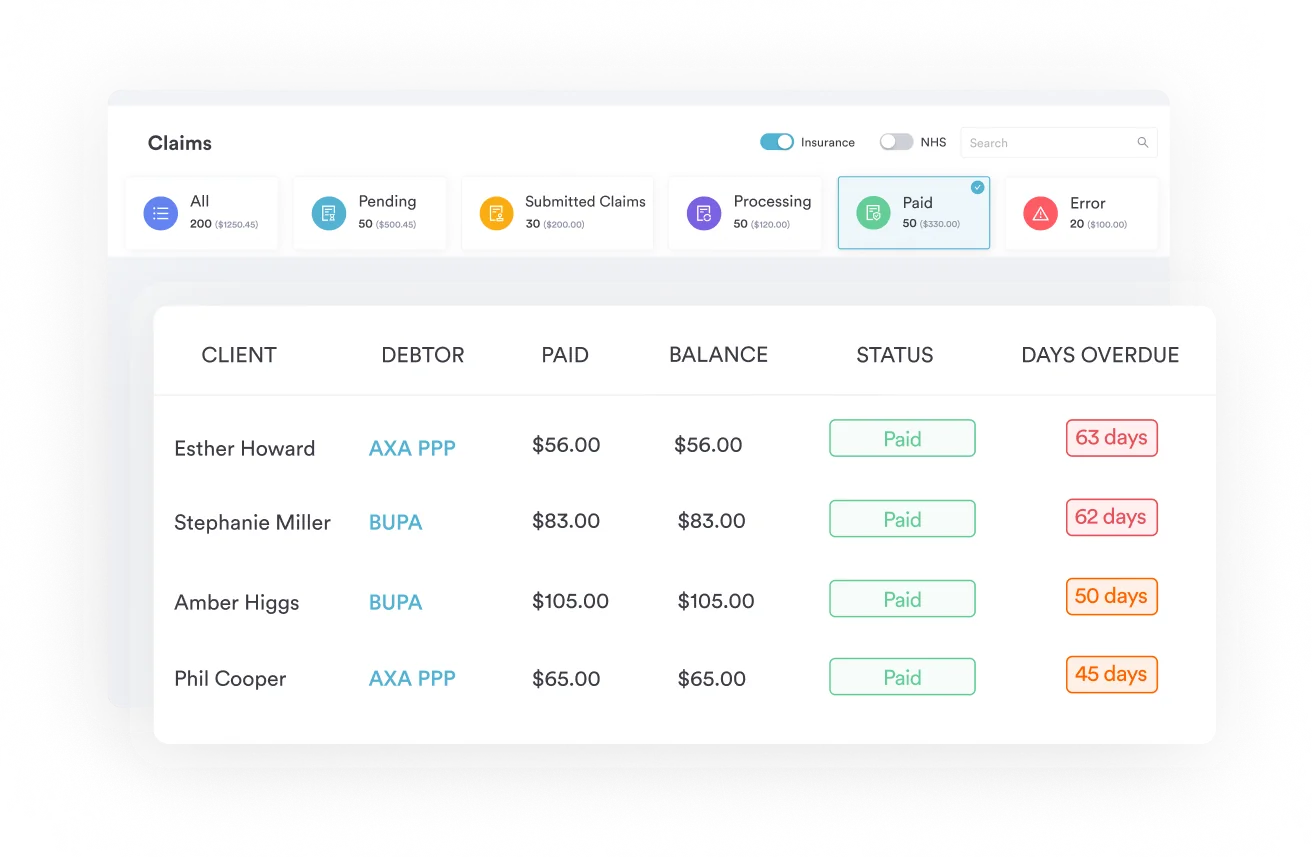
Pabau’s claims management software helps billing teams validate claims before submission and track outcomes across payers.
The quick-reference table below summarizes the key administrative facts coders and billers need before submitting a claim using ICD-10 Code O66.9.
Obstructed labor occurs when the presenting part of the fetus cannot progress through the maternal pelvis despite adequate uterine contractions.
The obstruction may stem from fetal factors (abnormal presentation, excessive size), maternal factors (pelvic abnormalities, soft-tissue masses), or a combination. When the obstructing cause is not recorded in the clinical documentation, ICD-10 Code O66.9 is the appropriate selection.
The term covers a few other names clinicians use. These include “difficult labor unspecified,” “obstructed delivery NOS” (not otherwise specified), and an arrest of descent without a named etiology. These index synonyms all point to the same code.
Chapter XV of both ICD-10-CM and the international ICD-10 carries an explicit note: codes from this chapter apply to maternal records only. A code from the O00-O9A range must never appear on a newborn’s record, regardless of the delivery circumstances.
O66.9 sits at the end of the O66 parent group. It’s the catch-all for when documentation doesn’t support a more specific code. Understanding the full group helps coders pick the most specific code available. Standard ICD-10-CM guidelines always prefer specificity.
An EMR built for OB-GYN care tracks a pregnancy’s coded complications alongside its scan and appointment schedule.
Unspecified codes should function as a last resort, not a default. Before assigning ICD-10 Code O66.9, coders should review all available documentation for language that supports a more specific code. The AAPC Codify ICD-10-CM lookup is a practical cross-reference when searching for specific obstructed labor codes.
Confirm as well that the documentation describes a physical obstruction. Labor that stalls without one falls into the O63 prolonged labor group, where O63.1 covers a prolonged second stage.
O66.0 is the code for shoulder dystocia. That’s a delivery complication where the baby’s shoulder gets stuck behind the maternal pubic bone after the head delivers.
Shoulder dystocia must be explicitly documented by the delivering clinician. If the operative note states “shoulder dystocia,” O66.0 applies. If the note describes a difficult delivery without naming the complication, O66.9 may be appropriate pending a query.
Similarly, O66.3 covers obstructed labor due to other fetal abnormalities, including brow presentation, when the malpresentation is the documented cause of obstruction. Fetal malpresentations coded under O64.x are distinct. Those codes cover obstructed labor due to malposition and malpresentation, so don’t confuse them with O66.3.
Cephalopelvic disproportion (CPD) is coded under the O33.x group, not O66.x. Sometimes the documented reason for obstructed labor is that the fetal head is too large for the maternal pelvis. In that case, the appropriate code comes from O33, maternal care for disproportion.
The distinction matters for payer audits. Assigning O66.9 on a claim where O33.x is clearly supported by documentation may trigger a query or denial.
Key documentation phrases that point away from O66.9 toward O33.x include: “CPD,” “disproportion,” “pelvis too small,” or any documented measurement confirming pelvic inlet inadequacy. When those phrases appear, query the physician before defaulting to the unspecified code.
The O66 category carries Excludes1 and Excludes2 notes that coders must apply to every code within the group, including O66.9. These are drawn from the WHO ICD-10 browser and the ICD-10-CM tabular list.
Always verify excludes notes against the current CMS ICD-10-CM tabular list. Annual updates can add, remove, or modify notes between fiscal years.
The most preventable reason for using O66.9 when a more specific code applies is incomplete discharge documentation. Solid clinical documentation workflows at the point of delivery reduce the need to default to an unspecified code and lower the risk of post-payment audits.
To support O66.9 on a claim, the medical record should contain at minimum:
When documentation is ambiguous, the coding team should initiate a physician query rather than assigning O66.9 by default. This aligns with American Health Information Management Association (AHIMA) query guidelines, which require that queries seek clarification without leading the clinician toward a specific code.
The same logic applies across the O66 family. O66.1 and O66.5 raise the identical documentation question, just with a different cause: locked twins for one, a failed instrumental delivery for the other.
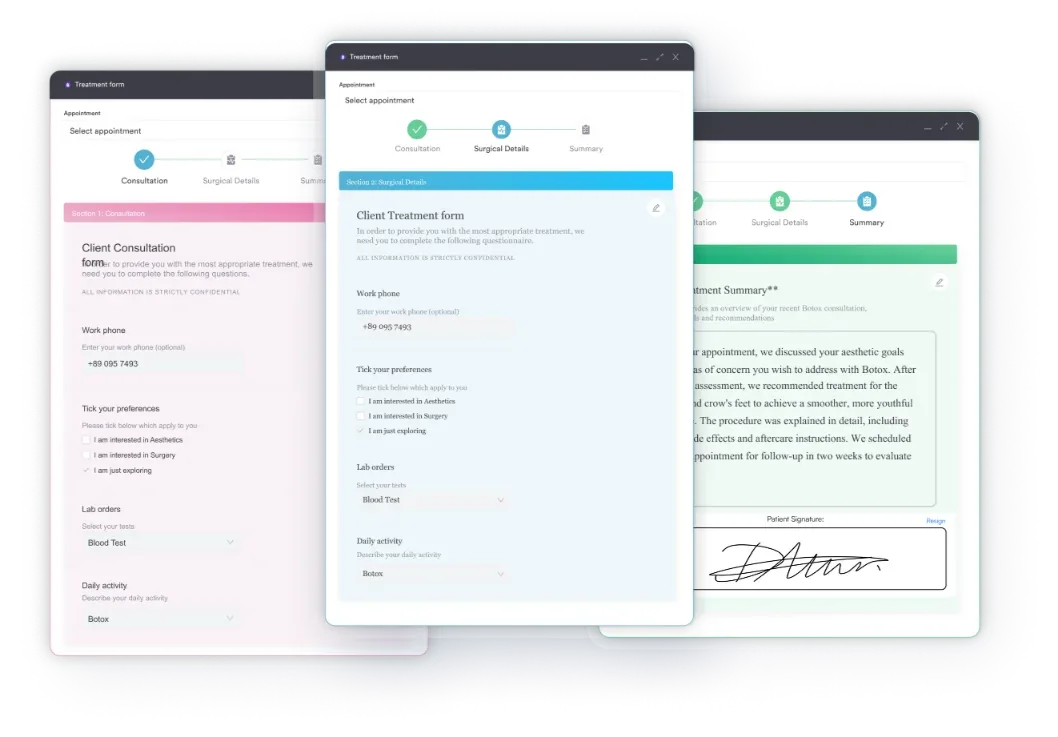
Storing structured delivery notes and digital intake forms in a centralized system makes documentation easy to find. Coders can locate what they need without chasing paper records across departments.
Review the operative note and discharge summary together before assigning O66.9. Operative notes often name the delivery complication (shoulder dystocia, instrument failure, arrest of descent) while the discharge summary may simply state ‘complicated delivery.’ The operative note typically holds the specificity needed to move from O66.9 to a more precise sibling code.
Both the US ICD-10-CM and the international WHO ICD-10 use the code O66.9, but there are meaningful differences coders should recognize. The CDC/NCHS ICD-10-CM web tool is the authoritative reference for US-specific code descriptions and annual updates.
For US billing purposes, always use the ICD-10-CM version. The WHO international version may appear in academic literature or global epidemiological reporting, but it carries no reimbursement validity for US payers.
O66.9 is valid for submission on HIPAA-covered transactions, including UB-04 inpatient facility claims and CMS-1500 professional claims where appropriate. It is classified as POA (Present on Admission) exempt, meaning the POA indicator is not required for this code on inpatient claims.
Payer-specific considerations to check before submission:
Claims management software that flags missing fields before submission can catch many of these issues early. That matters most on high-volume OB/GYN services, where a missed field means hours spent tracking down the fix later.
Obstructed labor most often results in an operative or instrumental delivery. The CPT procedure codes on the same claim as O66.9 typically reflect the delivery method used to resolve the obstruction.
The table below covers the most common pairings. Always verify each pairing against current patient record management documentation and payer policy before submission.
Other ICD-10-CM codes often appear alongside O66.9 on the same encounter. O68 covers labor and delivery complicated by an abnormality of fetal acid-base balance, while O75.1 covers shock during or after labor and delivery.
Add the appropriate trimester-specific prenatal visit code as well, and make sure the full coding picture reflects the encounter accurately.
When O66.9 and a cesarean CPT code appear on the same claim, spell out the timeline in the note. Show that labor started, the obstruction showed up, the team decided on a C-section, and the C-section happened. Payers auditing labor and delivery claims look for this clinical narrative to confirm medical necessity for the operative delivery.
Most OB/GYN billing teams still verify claims by hand. A coder checks the discharge summary, cross-references it against the CPT code selected for delivery, and hopes the payer doesn’t flag a mismatch.
When a claim carries an unspecified code like O66.9, that manual check matters even more, since payers scrutinize unspecified diagnoses more closely during audits.
Practice management software like Pabau brings documentation and claims into one system, so that check happens automatically. Our claims management feature validates the fields a payer requires before a claim goes out, and it stops the send if anything’s missing.
Billing teams can then track where a claim stands with each payer from one dashboard, instead of piecing status together across separate portals.
For an OB/GYN practice handling a high volume of labor and delivery claims, that adds up. Claims come back less often for missing information, reimbursement lands faster, and the coding team doesn’t take on extra work.

Pabau’s claims management software validates insurer-submission fields before a claim goes out and gives billing teams a dashboard to track outcomes across payers.

Obstructed labor claims built on O66.9 are only defensible when the clinical record genuinely lacks a more specific cause. The code is correct when documentation is incomplete. It becomes a risk when documentation is specific but coded incorrectly. Review the full O66 sibling group, check excludes notes, and query the physician before defaulting to the unspecified code. A coding error surfaces as a cash flow problem weeks later, which is why the healthcare revenue cycle is measured end to end.
Pabau brings documentation and claims together in one system, cutting the time billing teams spend chasing what caused an obstruction after the fact. Book a demo to see how Pabau supports OB/GYN billing workflows.

Want to see how the cesarean CPT code gets billed? CPT code 59510 walks through billing for a routine cesarean, the delivery method that often follows obstructed labor.
Need the vaginal delivery billing side too? CPT code 59400 covers the global package for a vaginal delivery with antepartum and postpartum care.
Curious about the anesthesia side of a cesarean claim? CPT code 01968 explains anesthesia billing when a labor epidural converts to cesarean-level anesthesia.
Want more on pregnancy complications that pair with obstructed labor? ICD-10 code O21.8 covers vomiting complicating pregnancy, another common companion code on an OB/GYN claim.
Want the coding guide for uterine inertia? ICD-10 code O62.2 covers weak contractions as a distinct cause of a stalled labor.
ICD-10 Code O66.9 is the billable ICD-10-CM code for obstructed labor, unspecified. Coders assign it when the delivery record documents an obstruction but doesn’t name its cause.
Yes. ICD-10-CM guidelines require a code from category Z37, outcome of delivery, on every maternal record when delivery happens during the encounter. Z37.0, for a single liveborn, pairs most often with O66.9.
No. O66.9 describes an obstruction encountered during labor, so the record needs to show labor was attempted. A cesarean scheduled with no labor needs a different delivery code.
No. Modifiers attach to the CPT procedure code, such as 59510, not to the ICD-10 diagnosis code. If the delivery itself needs a modifier, it goes on the procedure line, not on O66.9.
No. Unlike some other obstetric categories, O66.9 doesn’t split by trimester. Documenting the trimester still helps establish clinical context, but it doesn’t change which code you bill.
Obstructed labor (O66.x) means a physical impediment is blocking fetal descent. Failure to progress, coded under the O63 prolonged labor group, means labor has stalled without a named physical cause. The two terms sometimes get used interchangeably in notes, so query the physician when the record is unclear.