ICD-10 code S61.201A: Open wound of left index finger without nail damage
ICD-10 code S61.201A covers a left index finger wound of unstated type ICD-10 co...

Last Updated: Oct 16, 2026
Billable Code Specific Code
M83.1 is the billable ICD-10-CM code for senile osteomalacia.
Metabolic bone disease codes trip up even experienced coders. The M83 block alone contains seven subcategories, and selecting the wrong one can mean a claim denial or an audit flag.
For ICD-10 code M83.1, the clinical distinction that matters is age-related bone softening without a nutritional or postpartum cause. That specificity has to come from the documentation before anyone touches a code field.
Nail the descriptor first, because the documentation, differential codes, and billing rules below all hang on it.
Let Pabau's smart automation suggest the right codes, reduce claim denials, and keep your practice compliant—effortlessly.
Automate repetitive tasks and focus on what matters most—your patients.
Reduce coding errors and ensure compliance with the latest regulations.
Clean claims, fewer denials, and faster reimbursements.
Powerful insights and reporting to help your practice thrive.
HIPAA compliant SOC 2 certified GDPR-compliant Trusted by 4,000+ clinics worldwide

ICD-10 code M83.1 is the billable diagnosis code for senile osteomalacia, classified under Chapter 13 of ICD-10-CM (Diseases of the Musculoskeletal System and Connective Tissue).
M83.1 is distinct from M83.0 (Puerperal osteomalacia) and M83.2 (Adult osteomalacia due to malabsorption). Select the subcategory that matches the clinical etiology documented in the patient record.
Accurate coding of M83.1 requires physician documentation of age-related bone softening with deficient bone mineralization. Common co-codes include vitamin D deficiency (E55.9) and hypocalcemia (E83.51).
M83.1 supports medical necessity for the procedure billed, such as a DXA scan. The procedure code, not the diagnosis, sets the payment classification under OPPS.
ICD-10 code M83.1 is a billable ICD-10-CM diagnosis code for senile osteomalacia, the age-associated form of defective bone mineralization occurring in older adults.
Per the CMS ICD-10-CM tabular list, M83.1 is valid for the current fiscal year and acceptable for use on claims submitted to Medicare, Medicaid, and most commercial payers.
Senile osteomalacia refers to softening of the bones due to impaired mineralization in the elderly population. The usual drivers are vitamin D deficiency, reduced sun exposure, impaired renal conversion of vitamin D, or calcium malabsorption associated with aging. It differs from osteoporosis (M80-M81 codes), which involves loss of bone mass rather than defective mineralization. A shared coding reference also standardizes how two coders handle the same borderline case.
Clinicians and coders must distinguish between these two conditions before assigning M83.1, because they carry different clinical management pathways and payer coverage criteria.
The ICD-10-CM hierarchy runs from a broad clinical chapter down to the specific billable code. M83.1 sits four levels deep in Chapter 13.
The full M83 block contains seven subcategories. Each maps to a distinct clinical etiology, which is exactly why the physician’s documentation must specify the cause before a coder selects a subcategory.
Senile osteomalacia, coded as M83.1 in ICD-10-CM, is a metabolic bone condition in which bone matrix is produced but fails to mineralize adequately. The result is bones that are softer and more prone to fracture and deformity than normal age-related bone loss alone would predict.
Several age-related physiological changes converge to cause M83.1. Reduced sunlight exposure limits cutaneous vitamin D synthesis. Aging kidneys convert 25-hydroxyvitamin D to its active form (1,25-dihydroxyvitamin D) less efficiently.
Calcium absorption from the gastrointestinal tract also declines. Together, these factors deplete the mineral supply needed for normal osteoid mineralization.
Common clinical presentations associated with this diagnosis include:
These findings distinguish senile osteomalacia from osteoporosis. In metabolic health practice, the two conditions frequently coexist in elderly patients, and the physician must document which condition is being treated when coding the encounter.
When a patient presents with both osteoporosis and osteomalacia, code both conditions. Do not assume osteoporosis subsumes a senile osteomalacia diagnosis. Payers and auditors expect separate codes when the physician documents distinct diagnoses.
Chiropractors work with these codes constantly, and chiropractic software keeps adjustments, plans, and progress in one record.
Per the CDC/NCHS ICD-10-CM official guidelines, a diagnosis code may only be assigned when the physician has documented the condition as present. The documentation can also support a “confirmed” or “established” clinical impression.
For M83.1 specifically, coders and clinical staff need to confirm several elements are present in the medical record before assigning the code.
Required documentation elements include:
Build these documentation prompts into the encounter template rather than relying on memory after the visit. That cuts down on the coder having to query the physician once the patient has already left.
Coders should also apply the ICD-10-CM Official Guidelines sequencing rules. M83.1 may be coded as a principal or secondary diagnosis, depending on whether the osteomalacia was the primary reason for the encounter or an incidental finding documented alongside another condition.

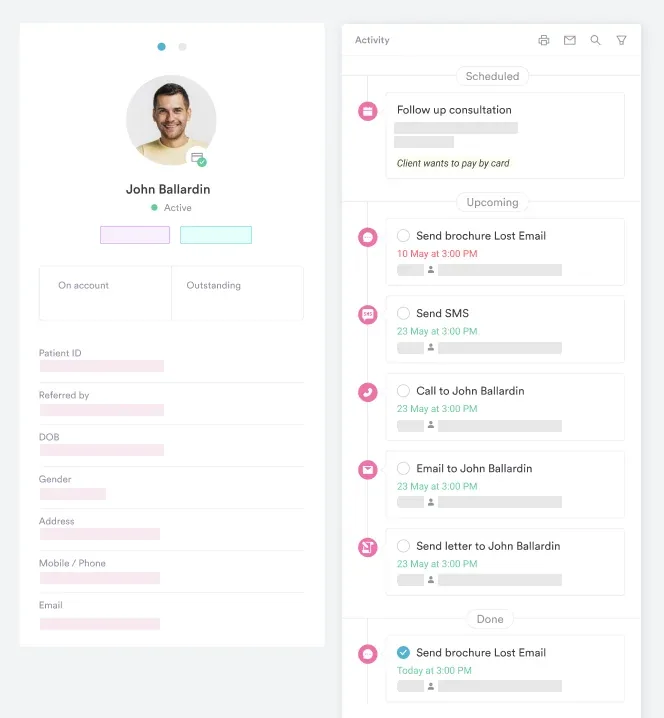
Practice management software like Pabau lets you build encounter templates that capture the clinical details coders need before they submit a claim.

Senile osteomalacia rarely presents in isolation. Clinicians managing patients with M83.1 commonly document coexisting metabolic conditions that should be coded separately when they are addressed during the same encounter.
Missing one of these secondary codes at submission under-documents the visit and can understate medical necessity.
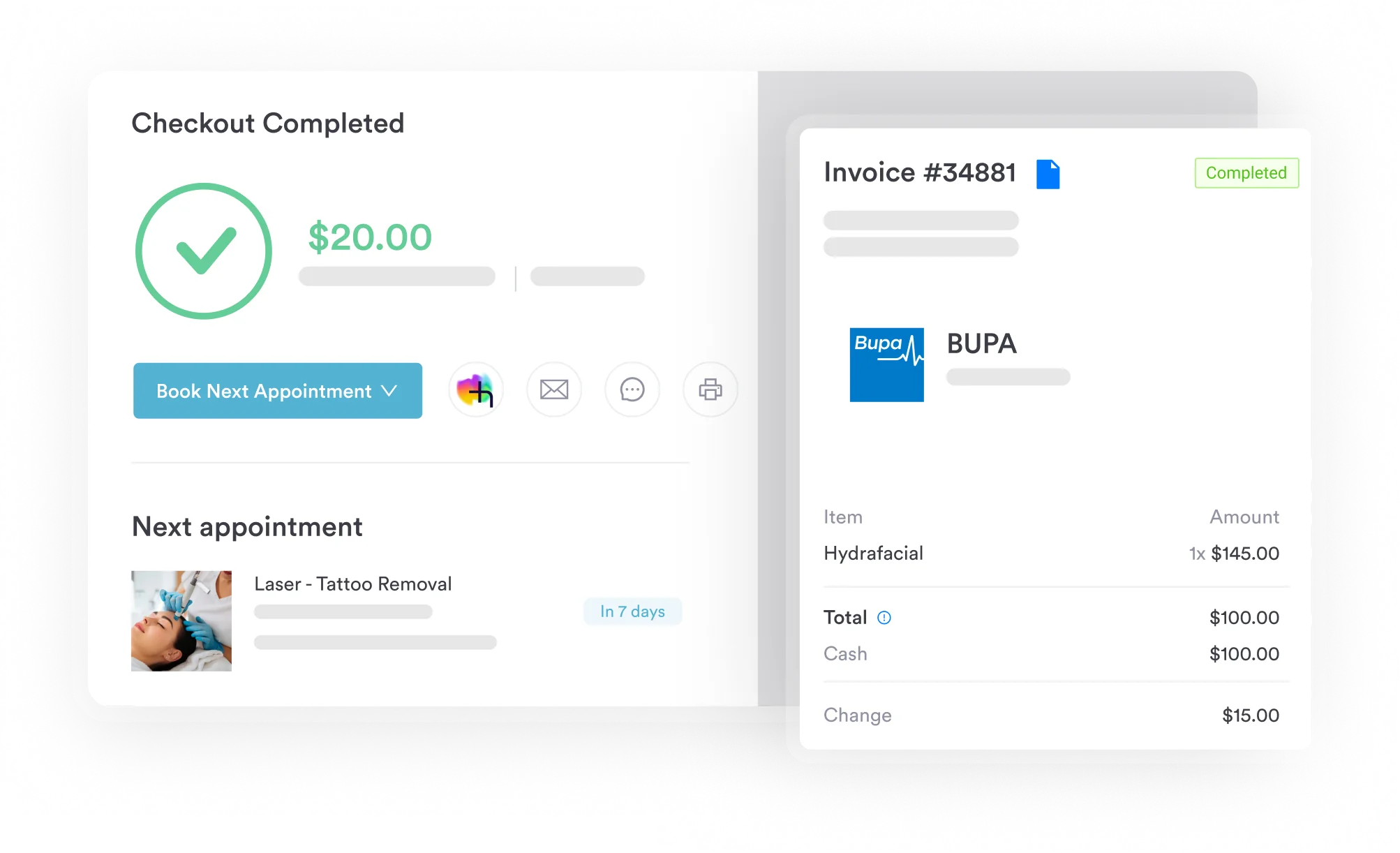
NCCI edits only bundle procedure codes, never diagnosis codes. So the check that matters here is whether the CPT or HCPCS services you bill for this encounter, like lab panels or DXA imaging, trigger a procedure-to-procedure edit.
Several conditions share clinical features with senile osteomalacia but require different ICD-10 codes. Getting this wrong at coding time creates downstream problems: incorrect payer mapping, weak medical necessity documentation, and potential audits.
This section covers the mix-ups coders make most often.
The most common miscoding error is substituting M83.9 (unspecified) when the physician’s documentation supports a more specific subcategory. Query the physician before defaulting to unspecified. A quick query is always better than a guess.
Document the etiology pathway in every M83 encounter note: is the osteomalacia senile, postpartum, malabsorption-related, or drug-induced? That single sentence in the assessment determines which M83 subcategory is correct and prevents a retrospective coding query.
M83.1 is accepted by Medicare, Medicaid, and most commercial payers as a valid billable diagnosis for encounters addressing senile osteomalacia. However, code acceptance alone does not guarantee reimbursement.
Payer policies require additional evidence of medical necessity tied to the clinical services billed. Practices using HIPAA-compliant documentation workflows are better positioned to satisfy payer audit requests for supporting records.
Key billing considerations for M83.1 include:
For payer-specific coverage policies, use the AAPC Codify ICD-10-CM lookup to cross-reference M83.1 with applicable LCD and NCD policies before submitting claims.
Run through this list before the claim goes out the door:
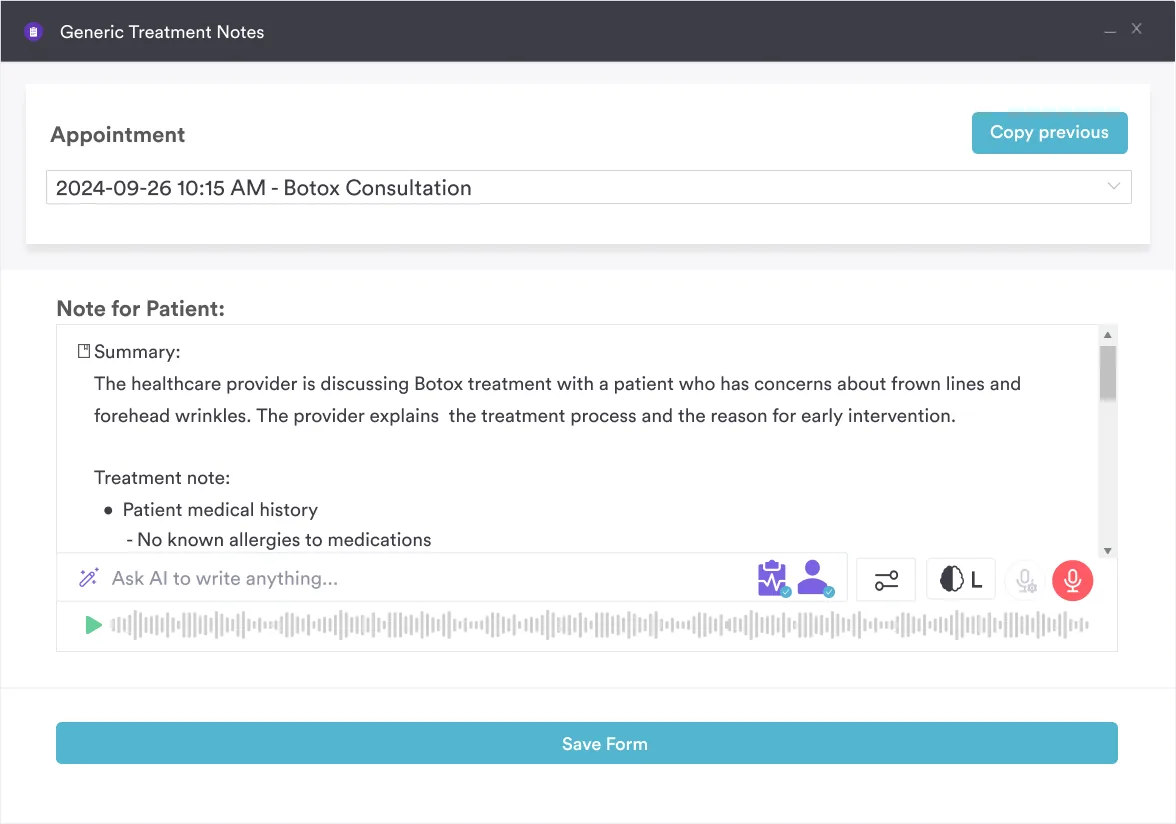
Accurate ICD-10 coding starts with complete documentation at the point of care, not at the billing stage. Pabau’s digital forms let practices build encounter templates that prompt clinicians for the etiology, lab findings, and functional status. That’s what a coder needs to choose the right M83 subcategory instead of defaulting to unspecified.

Echo AI. The diagnostic impressions and supporting details a coder needs are already sitting in the record, not reconstructed later from memory.
Pabau’s claims management software also supports multi-code submissions, so when M83.1 appears alongside E55.9 or E83.51, both codes are captured on the claim without manual re-entry. This comes up often for practices using functional medicine software, where older patients frequently carry more than one metabolic diagnosis at once.
ICD-10 code M83.1 identifies senile osteomalacia specifically, the age-related form of defective bone mineralization. Selecting it correctly depends on physician documentation that supports the senile etiology over other M83 subcategories, and on capturing co-occurring metabolic conditions like vitamin D deficiency or hypocalcemia as additional codes.
Pabau’s structured clinical records and Echo AI documentation tools help practices build the habits that support accurate M83.1 coding from the first encounter note. To see how practice management software fits into your coding workflow, book a demo with the team.

Billing a joint injection procedure? 20605 covers intermediate joint arthrocentesis and injection billing.
Need an anesthesia code for an upper-limb procedure? 01710 covers anesthesia for open elbow and humerus procedures.
Coding lasting metacarpal fracture effects? metacarpal fracture sequela coding S62.232S applies once a left first metacarpal fracture has healed but leaves stiffness, pain, or grip weakness.
ICD-10 code M83.1 is the billable diagnosis code for senile osteomalacia, the age-related form of defective bone mineralization in adults. It falls under category M83 (adult osteomalacia) in Chapter 13 of ICD-10-CM, and it’s accepted on claims by Medicare, Medicaid, and most commercial payers.
M83.0 covers puerperal osteomalacia, bone softening tied to pregnancy or lactation. M83.1 is for age-related cases in elderly patients with no postpartum cause. The physician’s documented etiology decides which one applies.
The most frequent co-codes are E55.9 (vitamin D deficiency) and E83.51 (hypocalcemia). E83.39 (other disorders of phosphorus metabolism) and osteoporosis codes from the M80-M81 range may also apply if the physician addresses those conditions in the same encounter.
No. National Correct Coding Initiative edits bundle procedure codes, not diagnosis codes, so they never apply to M83.1 directly. Check instead whether the CPT or HCPCS codes billed for the same encounter, such as lab panels or DXA imaging, trigger a procedure-to-procedure edit.
M83.1 is osteomalacia, defective bone mineralization from a vitamin D or calcium shortfall. M81.0 is age-related osteoporosis, a loss of bone mass with normal mineralization. The two can coexist, and each needs its own code when the physician documents both.