

Pediatric assessment triangle
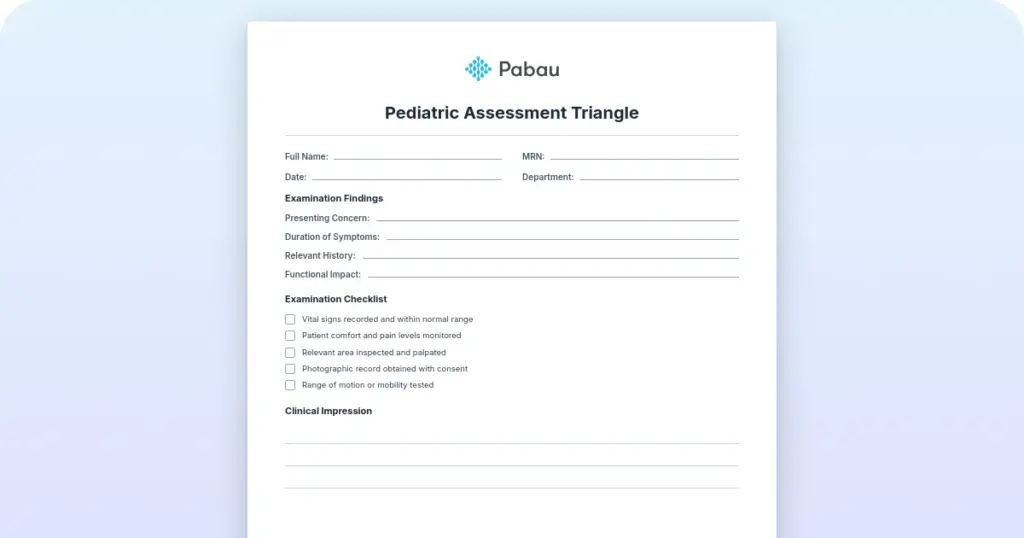
The pediatric assessment triangle is a rapid, equipment-free way to judge how sick a child is, and it takes 30 to 60 seconds. Ronald Dieckmann and colleagues published it in 1996. Its three equally weighted sides are appearance, work of breathing, and circulation to skin, and you read all three without touching the child. Reading […]
Therapy aid worksheet
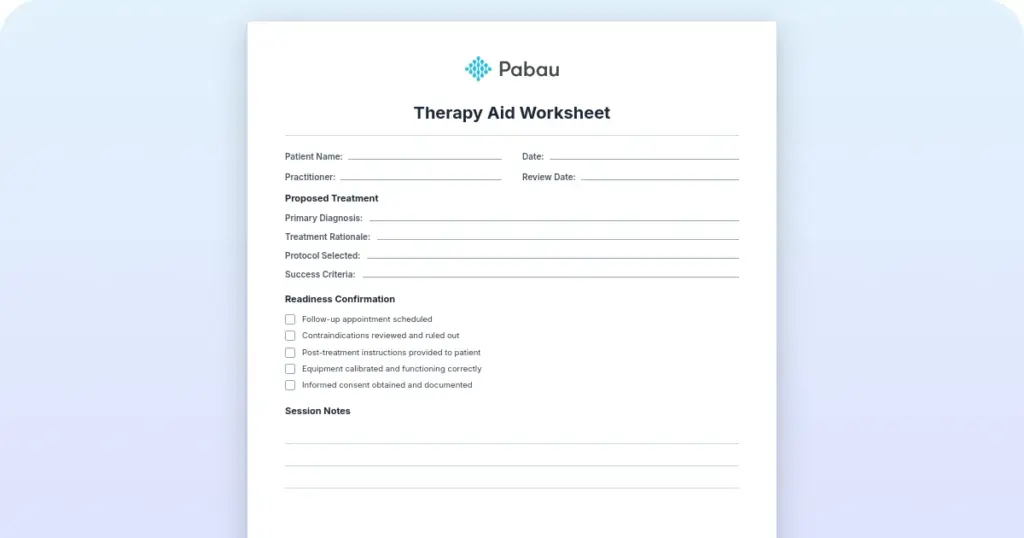
A therapy aid worksheet is a structured clinical tool that guides mental health practitioners through assessment, symptom tracking, and therapeutic planning in one document. It holds the client’s presenting concerns, severity ratings, treatment goals, and measurable progress, so a single form covers intake and every session after it. Scattered session notes make progress hard to […]
Health screening tests: What to get, and at what age
A health screening test looks for disease in a patient who has no symptoms yet. That silent window is when treatment works best. Every adult carries a running list of these tests, and each one has its own start age. Blood pressure begins at 18, cholesterol at 20, colorectal and breast cancer at 45. Family […]
Infant bilirubin chart: Phototherapy thresholds by age
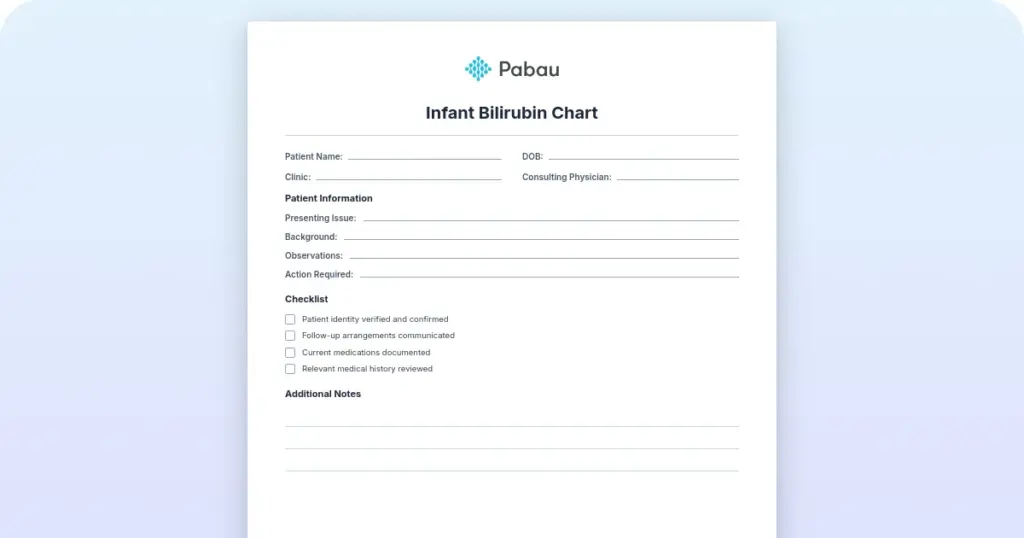
An infant bilirubin chart plots a newborn’s total serum bilirubin (TSB) against age in hours and gestational age at birth. Where the reading falls tells you whether the baby needs phototherapy, exchange transfusion, or only a repeat test. Neonatal jaundice affects roughly 60% of term and 80% of preterm infants, so that judgment gets made […]
Self-Compassion Journal ACT Worksheet

A self-compassion journal is a worksheet that walks you through one difficult moment and helps you answer it with warmth instead of blame. The free template below follows Kristin Neff’s three pillars of self-compassion: self-kindness, common humanity, and mindful awareness. You describe the situation, name the emotions and the self-talk that came with it, then […]
A day diet plan for 1000 calories: Template for supervised weight loss
A day diet plan for 1000 calories is a structured very low calorie diet (VLCD) that caps daily energy intake at roughly 1,000 kilocalories. It runs under clinical supervision for rapid weight loss, not as a self-directed diet. This template hands you the meal structure, the macronutrient targets, and the safety checks that go with […]
Whole30 food list: Complete guide to approved and prohibited foods
A Whole30 food list is the set of foods you can and cannot eat during the program’s 30-day elimination diet. Five groups come out for the full 30 days: grains, dairy, legumes, added sugar, and alcohol. What stays in is broad. All vegetables, all meat and seafood, eggs, fruit, nuts, seeds, and natural fats are […]
Fasting Mimicking Diet Meal Plan
A fasting mimicking diet meal plan is a 5-day, plant-based, low-calorie protocol that produces fasting-like biological responses without complete food restriction. Dr. Valter Longo developed it at the USC Longevity Institute. The protocol allows roughly 1,100 kcal on day 1 and 750 kcal on days 2 to 5. Fixed macronutrient ratios across all five days […]
HCPCS Code B4161: Pediatric enteral formula billing guide

HCPCS Code B4161: Full description and code details The official CMS descriptor names the patient population, the protein source, the route, and the billing unit. It reads: Enteral formula, for pediatrics, hydrolyzed/amino acids and peptide chain proteins, includes fats, carbohydrates, vitamins and minerals, may include fiber, administered through an enteral feeding tube. 100 calories = […]
Blood type diet chart: Foods to eat and avoid by type

Download your free blood type diet chart A printable chart of foods to eat and avoid for each ABO blood type, with portion guidance and a one-day meal plan per type. Hand it to a patient at the end of a nutrition consultation. Download template A blood type diet chart sorts foods into eat, avoid […]