Journal prompts for mental health
Journal prompts for mental health are guided questions that help people process ...

2
Last Updated: Oct 13, 2026

The Holmes and Rahe stress scale is a 43-item assessment developed in 1967. It measures life stress using numerical life change unit (LCU) values.
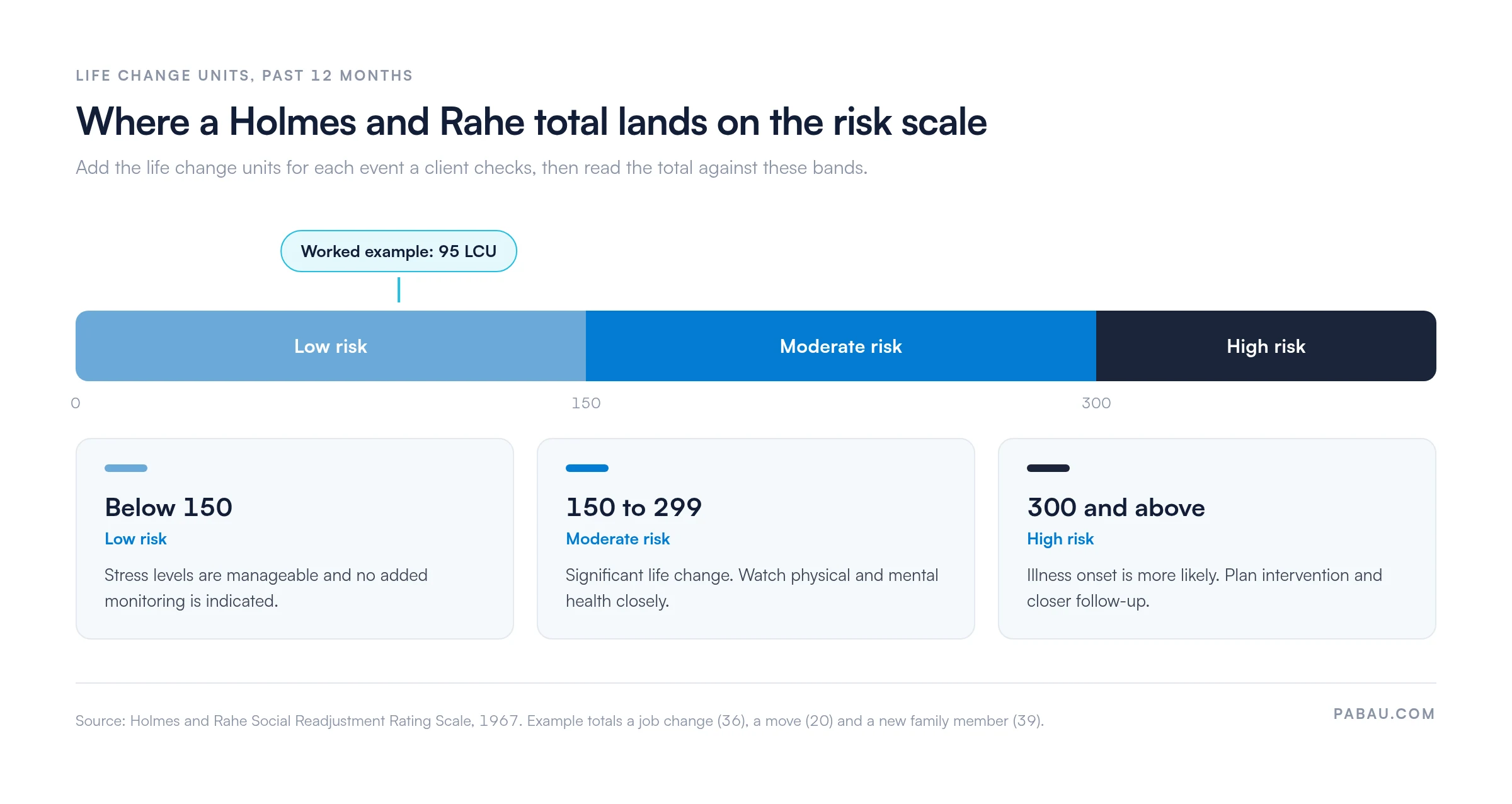
A total above 300 LCU indicates high risk of stress-related illness. Totals of 150 to 299 suggest moderate risk, and totals below 150 suggest low risk.
Clients check the life events they experienced in the past 12 months. Summing the matching LCU values gives their total stress burden score.
The original weightings came from 394 subjects who rated each event against marriage, so the scale screens for risk rather than diagnosing illness.
Pabau’s digital forms and client records let clinicians send, score, and store the assessment inside the workflow they already use.
All 43 life events with their life change unit values, a scoring box for the 12-month total, and the three interpretation bands. Printable and ready to hand a client at intake.
Download templateThe Holmes and Rahe stress scale is one of the most widely used psychological instruments in clinical practice. Psychiatrists Thomas Holmes and Richard Rahe published it in 1967. It puts a number on the cumulative stress from major life events over a 12-month period.
Healthcare professionals use it to weigh a patient’s stress burden and spot who is at elevated risk of stress-related illness. That makes it useful in mental health screening, occupational health, and wellness practices.
This guide covers how the scale works, how to administer it, how to read a score, and how to record it in clinical documentation. The downloadable PDF above holds the complete 43-item inventory, ready for patient use.
The Holmes and Rahe stress scale is a validated psychometric tool that measures cumulative life stress. It is also published as the Social Readjustment Rating Scale (SRRS). The scale lists 43 significant life events and gives each one a number reflecting how much readjustment it demands.
Values run from death of a spouse at 100 life change units down to minor violations of law at 11 LCU. Clients add the values for every event they experienced in the preceding year. That total correlates with their risk of illness.
The scale came out of research showing that a pile-up of stressful life changes tended to precede the onset of illness. Putting a number on that burden gave clinicians a way to set a patient’s stress in context. It also shows who may benefit from earlier intervention.
Life change units (LCUs) express the relative stress weight of each life event. Holmes and Rahe built the original weightings from 394 subjects, who rated every event against marriage as a fixed baseline. Death of a spouse sits at the top with 100 LCU, and each remaining event is scored relative to it.
The figure of 5,000 often attached to this study belongs somewhere else. It comes from a separate retrospective review of medical records, which is where the correlation between life events and illness was tested.
A divorce scores 73 LCU, being fired scores 47 LCU, and marriage scores 50 LCU. Welcome changes still demand readjustment, so they carry a value of their own.
The mechanism is simple. A client marks the events that occurred in their past 12 months, notes the LCU value for each, and adds them up. Take a client who changed to a different line of work (36 LCU), moved house (20 LCU), and gained a new family member (39 LCU). That totals 95 LCU.
That figure gives you something concrete to discuss with the client. It replaces a general sense that the year has been hard with a number you can compare against the next reading.
The inventory covers life events across family, work, health, legal, and financial domains. Events are ranked by LCU value, with the highest-stress events first. The downloadable PDF above carries the complete printable table, and the sample below shows how the values are spaced:
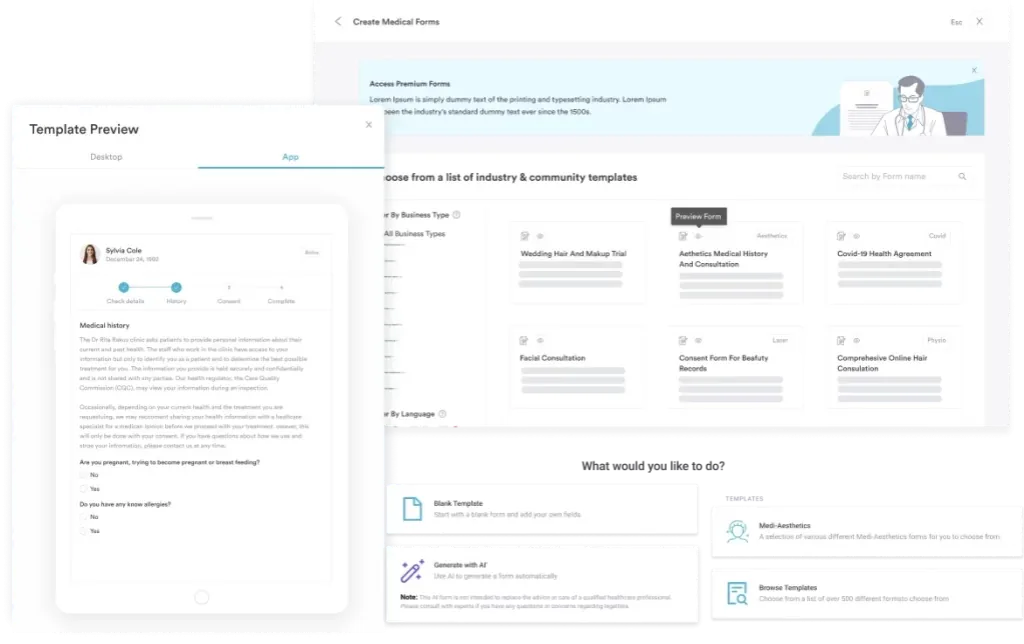
The template holds all 43 events, so nothing has to be reconstructed from memory at the desk. Digital assessment forms let you send the same inventory electronically and calculate the total inside the practice workflow.
Scoring is straightforward. Clients read through the 43 life events, check the ones that occurred in the past 12 months, and record the matching LCU value. You then add the values to produce a total.
Interpretation depends on that total, and the chart below plots the three bands on a single scale:
One caveat matters more than the rest. The scale measures exposure to stressful life events, not how the client responded to them, and it diagnoses nothing.
Two people with identical LCU totals can have very different health outcomes, depending on resilience, social support, and coping skills. Treat the score as a screening signal rather than a diagnostic instrument.
A modified youth version exists for adolescents and young adults. It swaps in age-relevant events in place of divorce or job loss, covering school changes, peer conflicts, and parental separation. The LCU weightings are adjusted for the younger population.
The structure stays the same. Clients mark the events that apply and sum the matching values. Research on the youth version is thinner than on the adult scale, so read the totals cautiously and pair them with clinical observation.
Administration: Hand the client the printable PDF or a digital form at intake, or at the start of a therapy session. Ask them to read all 43 events and check any that occurred in the past 12 months. Allow 5 to 10 minutes.
Scoring: Sum the LCU values for the checked items. Mental health practice software can run that calculation inside secure client records, which takes arithmetic errors out of the process.
Interpretation: Show the client the total and explain what it means alongside their current symptoms. A high score does not make illness inevitable. It flags heightened vulnerability, and it makes the case for acting early.
Integration: Record the total in the clinical notes and let it shape the treatment plan. Clients above 300 usually need an active stress management plan. Moderate scorers tend to do well with preventive counseling and routine health checks.
Pair the total with a measure of how the client experienced that year. The perceived stress scale captures subjective strain, which the Holmes-Rahe count deliberately leaves out.
The score also works as a baseline. Running it again after a major life event shows whether the burden is rising or easing. That direction tells you more than a single reading.
Reassess at quarterly intervals, or after a major life event, so you can see how the stress burden shifts over time.
Mental health practitioners: Therapists, counselors, psychologists, and psychiatrists use the scale to screen for cumulative life stress. It flags clients at risk of depression, anxiety, and post-traumatic stress.
Occupational health teams: Nurses and physicians use it to weigh workplace stress and forecast wellness risk. It is most useful after a restructure or a long high-pressure period.
Wellness and integrative medicine practices: Practitioners treating stress-related illness use the total to quantify a patient’s stress load and tailor preventive lifestyle work.
Primary care: Primary care physicians run it during a routine assessment to understand a patient’s social and stress context, then arrange the right support.
An objective baseline: The total moves the conversation past clinician intuition and gives you a number to compare across patients and across time.
Predictive value: Decades of research support the link between accumulated life change and illness onset, which helps you find the patients who need preventive work.
Patient engagement: The checklist format makes stress tangible. Clients who see their own total are often readier to commit to a change.
Cleaner documentation: A recorded total creates an auditable, standardized record of stress assessment, which supports clinical notes and treatment justification.
Recognition: The scale is evidence-based and widely known, so it sits comfortably alongside best-practice guidance in mental health and occupational health.
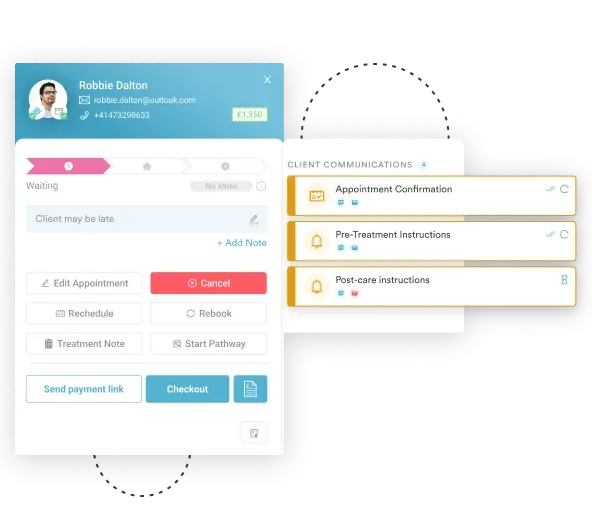
Track totals longitudinally. Repeating the assessment quarterly, or after a major life event, shows you how the stress burden moves and whether your interventions are working. Pabau’s automated workflows can schedule those repeat assessments and flag high scorers for follow-up.
The scale is evidence-based and widely used, and it still has recognized limits. The 1967 weightings came from one narrow demographic and say nothing about modern stressors such as cyberbullying, social media pressure, or pandemic disruption.
A 2023 revision of the SRRS reweighted the values against contemporary life events, so consider the modernized version where you can get it.
The scale also ignores individual differences in stress perception, coping capacity, and cultural context. Two clients can report the same events, score the same total, and differ widely in resilience and outcome. Use it beside qualitative assessment, never on its own.
One more limit is worth naming. The scale counts discrete life events and misses chronic strain such as poverty, discrimination, or a long-term health condition. Add a broader stress assessment where the clinical picture calls for it.
On paper, the scale creates work after the appointment. Someone scans the sheet, adds the values by hand, and files the result where the next clinician may not look for it. Repeat assessments then sit in separate documents, so the trend is hard to see.
Practice management software like Pabau handles the same job end to end. You build the 43 items as a digital form, send it before the appointment, and the total arrives in the client record already calculated. Pabau is software for therapy practices, so that total sits with the session notes and the appointment history.
The outcome is a stress score you can trend. Repeat readings line up in one place, so you can show a client that their burden has fallen since the last review. Automated reminders make sure the reassessment happens.

Pabau’s digital forms and client records send the Holmes-Rahe inventory, calculate the total, and file it with the session notes. Reassessments are scheduled automatically, so the trend is there when you need it.

The Holmes and Rahe scale earns its place because it turns a vague clinical impression into a number you can compare across visits. Its simplicity is also its cost: the total records what happened to a client, not how they carried it.
Use it where a baseline helps. Intake, a return after a long absence, and the review that follows a major life event are the three moments it pays for itself. Score it, record it, and run it again.
The direction of travel between two totals tells you more than either total alone. Book a demo to see how Pabau turns the scale into a digital form that scores itself and files the result in the client record.

Comparing this with a symptom-based measure? Hamilton anxiety scales rate current symptom severity, where the Holmes-Rahe rates exposure to life events.
Need the client’s own read on the same year? The DASS-21 scores depression, anxiety and stress from self-reported symptoms.
Need to see when each event happened? A life events timeline puts the same events in order, which helps when several cluster in one month.
Want a quick in-session check? The stress thermometer gives a one-minute rating you can repeat every session.
Looking at what protects a high scorer? A resilience worksheet covers the coping factors an LCU total deliberately ignores.
The Holmes and Rahe stress scale is a validated 43-item assessment that measures cumulative life stress. It assigns a life change unit (LCU) value to each significant life event. Published in 1967, it helps clinicians weigh a patient’s stress burden over a 12-month period and gauge their risk of illness.
Clients read the 43 life events, mark the ones that occurred in the past 12 months, and note the matching LCU values. You then add those values to produce a total. Totals above 300 indicate high illness risk, 150 to 299 indicate moderate risk, and totals below 150 indicate low risk.
Yes. A modified youth version rewrites the 43 events into age-relevant scenarios such as peer conflicts and school changes, with adjusted LCU weightings. The youth version is less extensively researched than the adult scale, so interpret totals with clinical oversight.
The original scale ignores individual coping differences, cultural context, and modern stressors such as social media. A 2023 revision reweighted the values against contemporary life events. The scale also counts discrete life events rather than chronic strain, so use it alongside other assessments.
Clinicians hand it out at intake or at the start of a session, then score the result. The total shapes the treatment plan and shows who needs preventive work. Running it again later tracks how the stress burden moves and shows whether an intervention is working.
The Holmes-Rahe measures cumulative life stress through major life events and gauges illness risk. The Hamilton anxiety rating scale measures the severity of current anxiety symptoms. They answer different clinical questions, one preventive screening and the other symptom assessment.