CRM for chiropractors: how to manage patients, bookings and marketing
A CRM for chiropractors is a patient relationship management system built around...

Last Updated: Oct 13, 2026
A stages of relapse worksheet is a two-page clinical form that tracks the warning signs a client shows as relapse builds. Relapse almost never starts with a drink. It starts weeks earlier, with skipped meetings, a short temper, and feelings nobody talks about. Cravings and bargaining come next. Only then does use restart.
That sequence is the point of the form. It hands you two earlier moments to act, and it records which signs this client shows. Catch those moments and the work stays preventive. Miss them and the next session turns into damage control. Here is the free PDF, followed by how to work through it.
Two pages, one section per relapse stage. Each stage carries its own warning-sign checklist and a free-text box for the strategy that answers it. There is also space for contact details, relevant medical information, and closing notes.
Download template
Relapse moves through three stages, emotional, then mental, then physical, so you get two chances to act before use restarts.
Each stage on the worksheet has its own warning-sign checklist and one free-text box for the response.
Emotional signs are behavioral, like isolation and anger, while mental signs are cognitive, like cravings and bargaining.
Review the form monthly, and again straight after any lapse, so it reflects what the client is facing now.
Store completed copies in the client record, so the next clinician can see how the plan changed.
Relapse gets talked about as a moment. Clinically it behaves more like a slope. The worksheet is built on the Gorski-CENAPS model, which describes relapse as a run of warning signs that build over weeks or months. The pace varies from person to person, so the form tracks signs rather than dates.
According to the Substance Abuse and Mental Health Services Administration, relapse prevention sits at the center of addiction treatment across outpatient, residential, and intensive settings.
The worksheet turns that principle into something a client can hold. You complete it together in session, and it becomes their reference for the week the plan gets tested.
Each stage gets its own section on the form, and the checklists get shorter as the stages advance. That shape is deliberate. By the third section there is less to notice, because the behavior has already started.
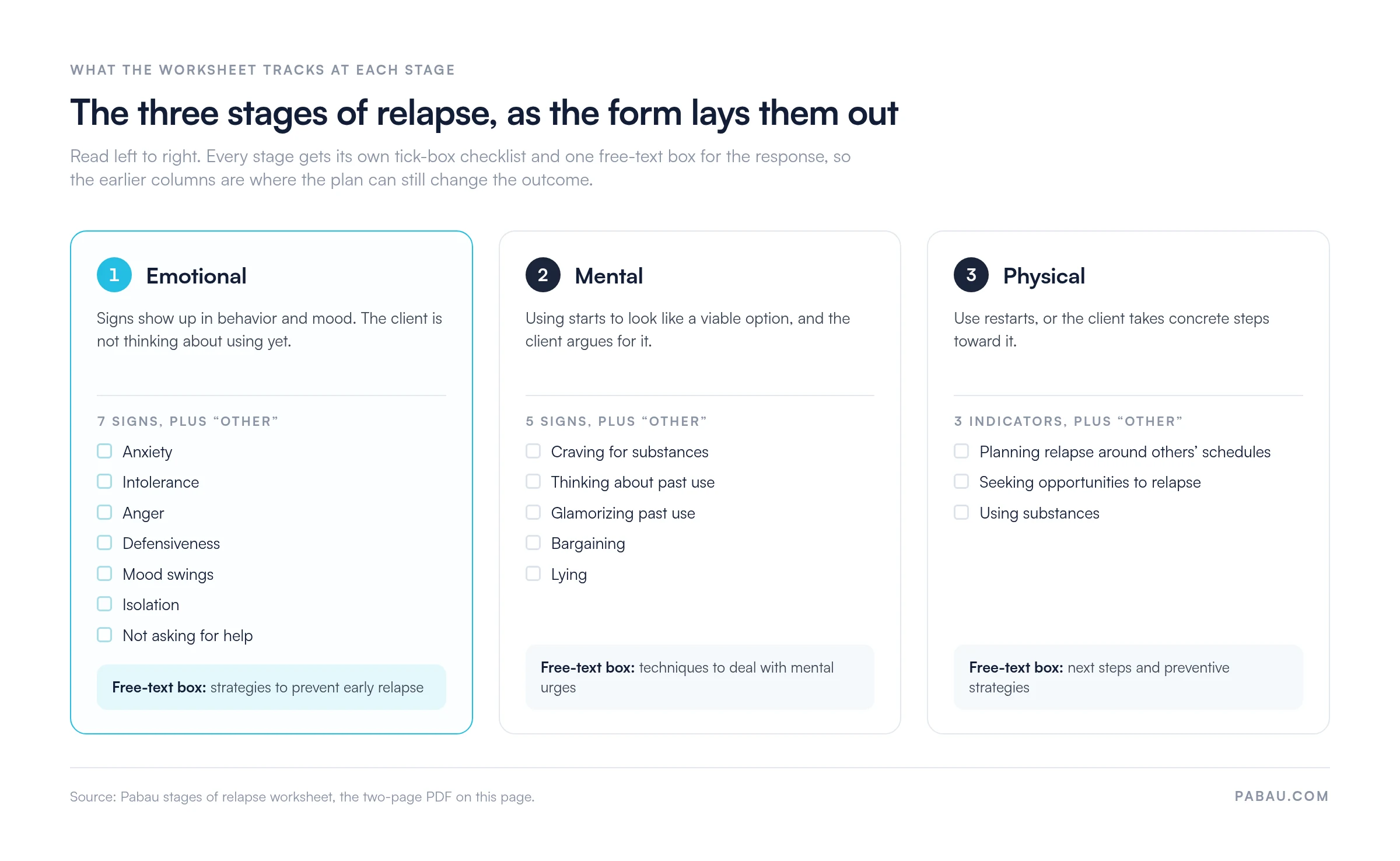
Emotional relapse arrives before the client consciously considers using. Routine slides first. Sleep, meals, and meetings get dropped, and feelings stay bottled up.
The checklist here covers anxiety, intolerance, anger, defensiveness, mood swings, isolation, and not asking for help. Most clients tick two or three, not seven. Watch the pattern rather than the count, and note which sign showed up first.
What you hear in the room is usually smaller than the checklist suggests. “I’m fine, just tired.” “I didn’t want to bother anyone.” Both belong under not asking for help, and clients rarely file them there without a prompt.
Mental relapse is the argument stage. The client wants to stay sober and wants to use, and the two run at the same time. Cravings arrive with a justification attached.
Its five items are craving for substances, thinking about past use, glamorizing past use, bargaining, and lying. Bargaining is the one clients almost never report unprompted. Ask for the sentence in their head, word for word, then write it in the box below.
Lying sits on this list for a reason. Once a client starts editing what they tell you, your view of the emotional stage goes with it. Treat a vague answer as data, not as evasion.
Physical relapse covers use itself, plus the steps that lead to it. The form tracks three indicators: planning relapse around other people’s schedules, seeking opportunities to relapse, and using substances.
Two of those three happen before any substance is taken, which leaves a narrow window. Escalation at this point usually means more frequent contact, a higher level of care, or both. Agree in advance who gets called and how quickly.
The useful claim in the Gorski model is that the first two stages respond to early recognition and rehearsed coping. Physical relapse stops looking inevitable once someone names the earlier signs out loud.
The PDF runs to two pages and stays deliberately plain. Page one opens with name, date, contact information, and a line for relevant medical information. The rest is split across the three stages.
Each stage gives you a tick-box list and one writing box. The emotional section closes with strategies to prevent early relapse. The mental section closes with techniques to deal with mental urges. The physical section closes with next steps and preventive strategies, and a final notes box ends the form.
Every list also carries an “other” line, and that line is where the useful material tends to land. A client who writes “Sunday afternoons” under other has told you more than the seven printed items did.
Three moments suit the form, and each one needs a different amount of time.
Book the next review before the client leaves. The form rarely goes missing, but the follow-up date does. Software for therapy practices keeps the worksheet and the appointment on the same client record. The review then lands in the diary instead of on a sticky note.
A short check first saves a wasted session. Run through these five points:
The checklists are the easy part. The writing boxes decide whether the form still helps in six weeks. A strategy has to be specific, available, and already rehearsed.
“Call someone” fails all three tests. “Call Marcus, and if he doesn’t answer, walk to the 7pm meeting on Vine Street” passes all three. Work each box in three moves:
Add a backstop under the number. In the US that is the SAMHSA National Helpline on 1-800-662-4357, which runs around the clock and takes calls in English and Spanish.
The physical section’s box is the one people skip. Fill it in anyway. Someone in the middle of a lapse will not invent a plan, so the page in their pocket has to be the plan.
When the boxes start running long, the client has outgrown the form. That is the point to move onto a full relapse prevention plan, which has room for schedules, named contacts, and escalation steps.
One habit is worth building alongside the form. After each review, write two lines into the session note saying what changed. The trend then reads at a glance, without reopening every copy.
Plenty of practices still run this on paper. The client fills in the form, the counselor means to photocopy it, and the original goes home. Six weeks later nobody can say which signs were ticked last time.
Practice management software like Pabau removes that step. You build the worksheet once as a digital form, then send it ahead or complete it on a tablet in the room. Answers save straight onto the client record, attached to the session they belong to.
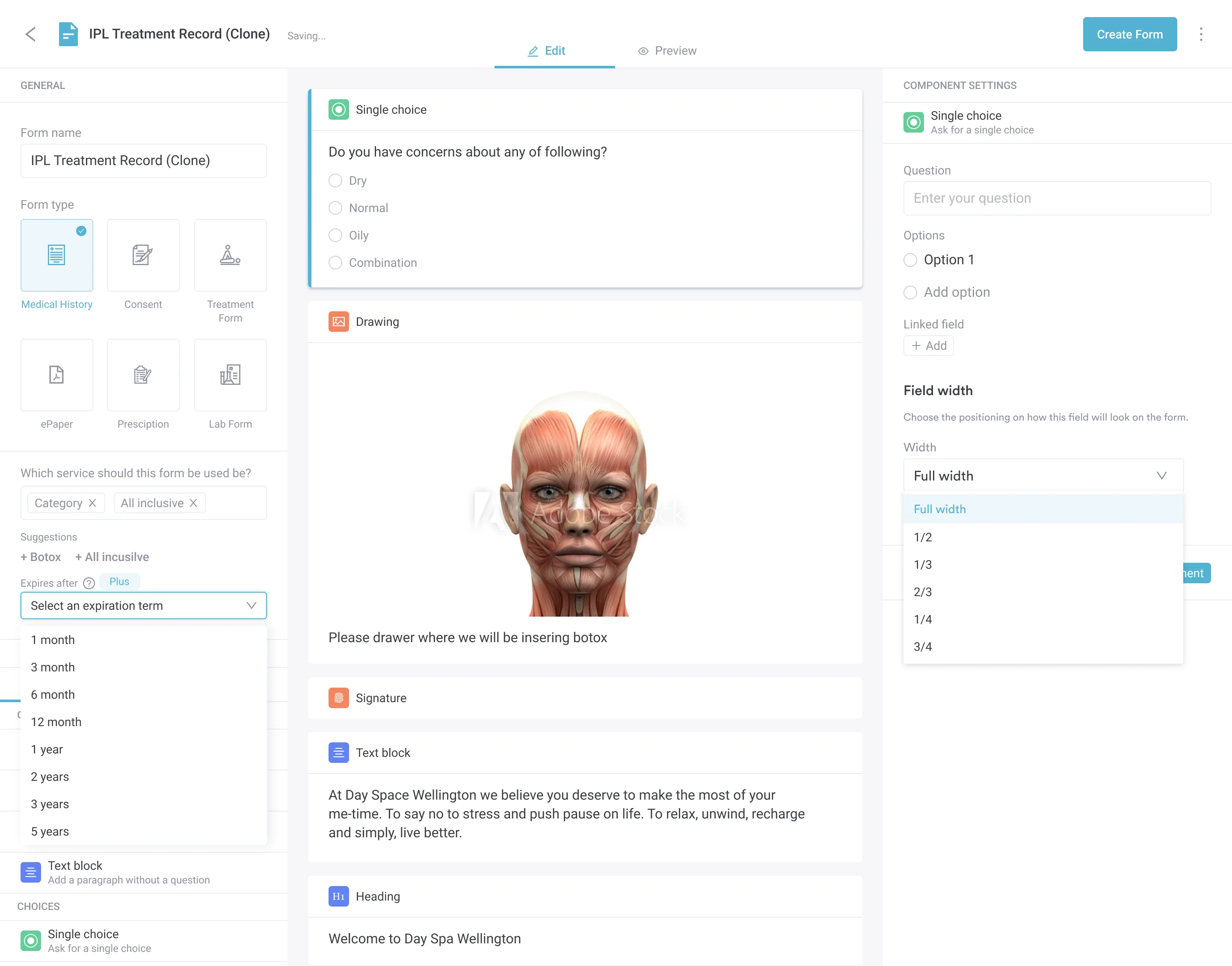
Because each submission is stored separately, the client records hold a version history rather than one flat document. Access is role-restricted, and the audit log shows who opened or changed a record. In addiction work, where confidentiality carries statutory weight, that matters as much as the clinical detail.
Follow-up runs from the same screen. You book the review before the client leaves, and the reminder goes out without you reopening anything. Nobody has to remember which of 60 clients was due a re-check this month.
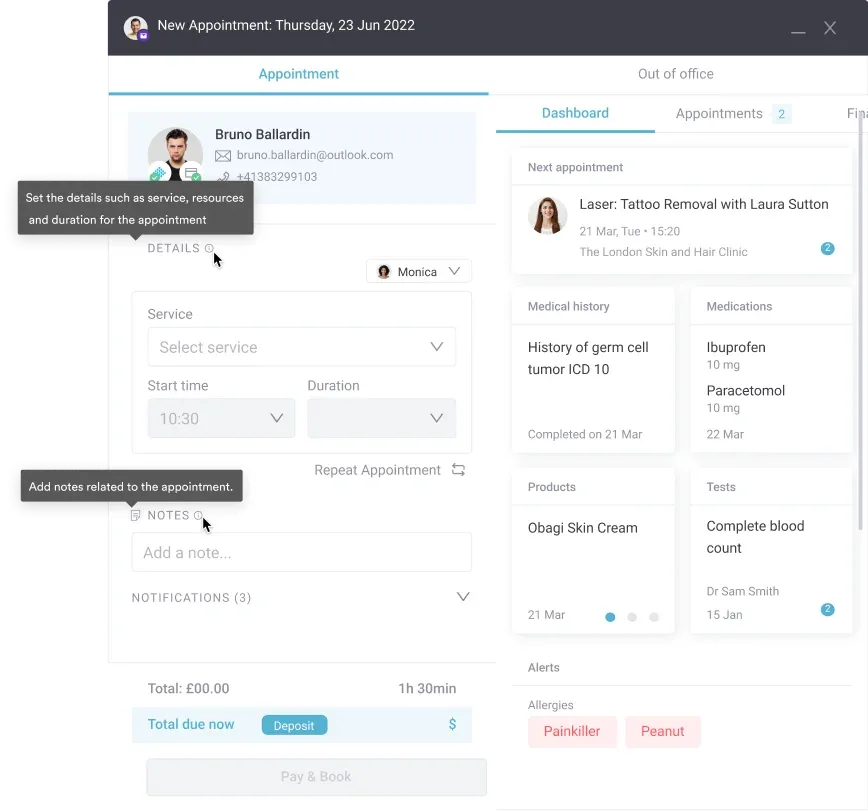

Build the worksheet once as a digital form, collect it on a tablet or by link, and store every completed copy on the client record. Review appointments get booked from the same screen.

The worksheet earns its place by making early warning signs boring and specific. Anxiety, isolation, and not asking for help are easy to miss one at a time. Printed on a page and ticked in front of you, they stop being invisible.
Use it more than once. The first copy sets a baseline, and the value shows up in the second and third, when you can point at what changed. Keep the completed copies somewhere the whole treatment team can reach.
Book a demo to see how Pabau stores completed relapse worksheets on the client record and books the next review for you.

Ready to turn warning signs into a full plan? Relapse prevention plan worksheet covers the coping steps, named contacts, and escalation routes this form only has space to summarize.
Need a crisis document for a client at risk? Mental health safety plan template sets out the warning signs, the coping steps, and who to call when a client is unsafe.
Not sure how ready the client is to change? Stages of change worksheet places them on the readiness model, which tells you how hard to push in the next session.
Want a commitment the client will recognize later? Change plan worksheet turns a vague intention into dated steps they agree to in session.
A lapse is a single episode of use. A relapse is a return to the old pattern. Treating a lapse as a full relapse can push a client to give up, so name the difference out loud in session.
Yes, and many do well with it. Ask them to tick only what they noticed that week, then bring the page in. Solo use works best once you have filled the form in together at least twice.
It does. The stage structure holds, and only a few sign labels need rewording. Swap craving for substances for the behavior in question, then keep the rest of the form as written.
Any clinician or trained recovery worker doing relapse prevention work. It supports a conversation, so it carries no cut-off score and gives no diagnosis. Treatment decisions stay with the responsible clinician.
This form spots the warning signs. A prevention plan says what happens next, in detail, including who to call and when. Most counselors run the worksheet first, then build the plan from what it surfaces.