Antipsychotic medication list
An antipsychotic medication list is a structured reference that organizes psychi...

2
Last Updated: Oct 13, 2026

A spirituality worksheet is a structured reflective tool that helps therapists and individuals explore spiritual beliefs, values, practices, and their role in wellbeing.
Spiritual assessment is recognized as a standard component of holistic healthcare by Joint Commission and APA clinical guidelines.
Spirituality worksheets support clinical conversations in mental health, substance abuse recovery, palliative care, and wellness coaching without requiring religious affiliation.
Give the worksheet to every new client rather than the ones who seem religious. Secular clients often engage hardest with the meaning and purpose prompts.
Pabau’s digital intake forms and client records hold the completed worksheet, so a spiritual goal can be tracked alongside clinical progress.
Five reflection sections covering beliefs and values, current practices, purpose and meaning, spiritual community, and goals. Print it for the room or send it ahead of the session, and use it as it is.
Download templateAsking a client about spirituality is easy to get wrong. Push too hard and it reads as preaching. Leave it out and you miss what holds someone together on a bad week. A spirituality worksheet handles the framing for you, with secular prompts the client answers in their own terms.
According to Joint Commission standards, spiritual assessment is a required part of care in accredited organizations. Most practitioners still have no consistent tool for the conversation itself.
This guide covers what the worksheet asks and how to introduce it without steering the answers. It also covers how someone can work through it alone. The PDF above is free, and it is ready to use as it stands.
A spirituality worksheet is a structured, secular tool for exploring a client’s beliefs, values, and practices. It is not a diagnostic instrument, and it asks for no religious affiliation.
The prompts ask what spirituality means to this person, which practices support their wellbeing, and where they find purpose. Mental health EMR software now often ships a spirituality module inside intake, which shows how routine the assessment has become.
The American Psychological Association supports addressing spirituality in psychotherapy, provided the clinician does not impose personal beliefs. A worksheet is one way to hold that line, because the prompts do the asking.
The template runs five reflection sections, and the order below is deliberate. The first four open the conversation, and the fifth converts it into something you can review at the next session.
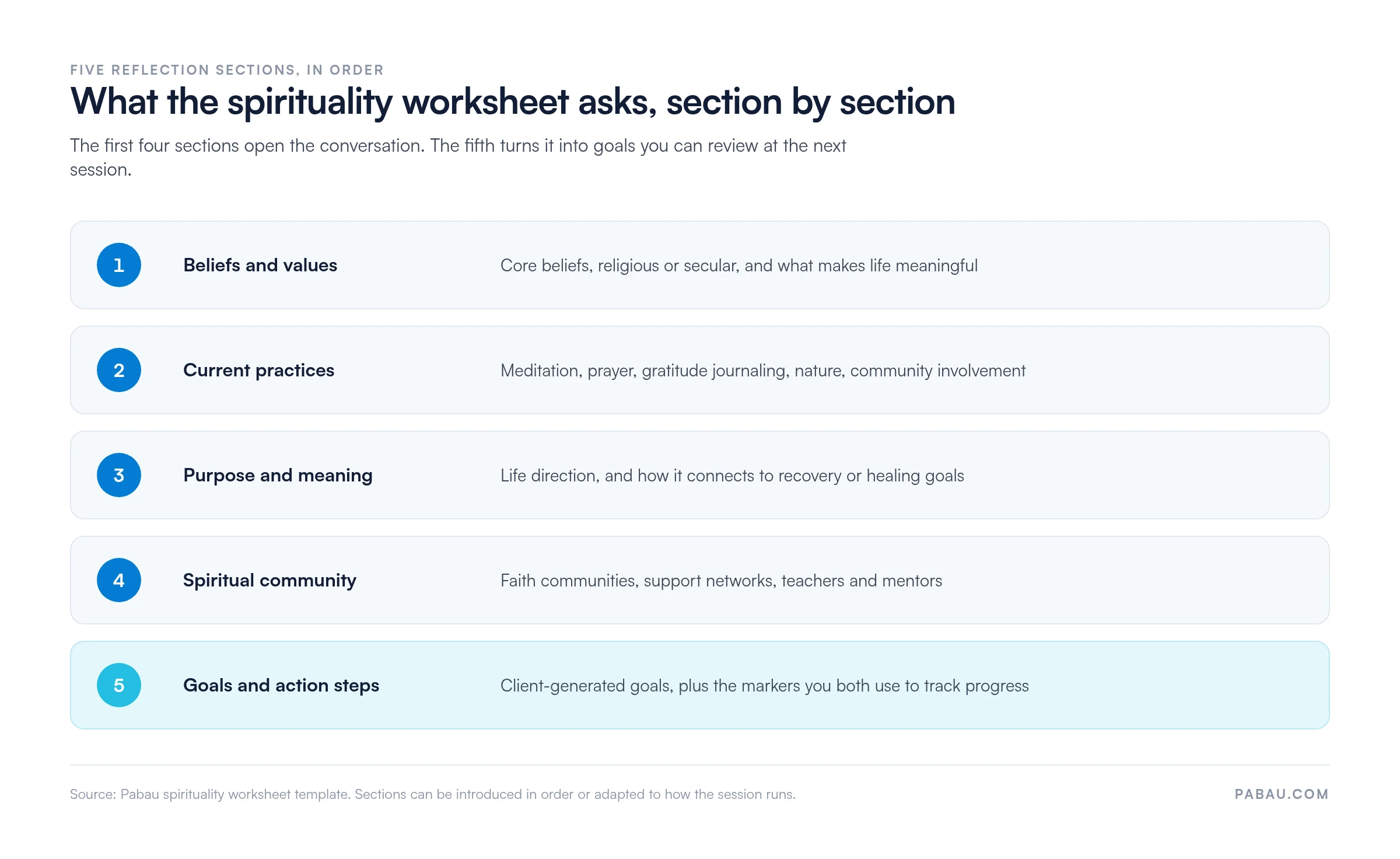
Every prompt is open-ended, so a yes or no answer will not fill the space. If a client stalls on the values question, the personal values worksheet gives them a shortlist to rank instead of a blank page.
Timing and framing matter more than the form does. Treat this as an active therapeutic tool rather than a one-time intake question, and expect to return to it.
Store completed worksheets with the clinical notes using client record management. Six sessions later you can quote what the client wrote, which is the part that makes the exercise feel worth their time.
The worksheet also works without a therapist in the room. It suits journaling, a retreat, or structured reflection between sessions, and personal use puts exploration ahead of assessment.
There are no correct answers here. The point is a clearer view of what you believe and what you want to practice.
Section five asks for commitments rather than aspirations. Aim for a practice the client can keep on a bad week, since those are the weeks that matter.
Review the goals monthly and adjust them. Keep what supports the client’s wellbeing, and drop what only sounded good on the page.
Spiritual care is one of seven areas covered by a self-care plan template, alongside physical, mental, emotional, social, creative, and work-life care. Setting a spiritual goal here works better when the client’s other areas get the same attention.
Spirituality is sometimes treated as being outside the scope of evidence-based medicine. Regulators and clinical guidelines increasingly disagree, and treat it as a legitimate dimension of mental and physical health.
Research in the Journal of Religion and Health and other peer-reviewed journals links spiritual engagement with better mental health outcomes. Reported associations include lower rates of depression, anxiety, and suicide. These are associations rather than causal claims. The relationship runs through individual meaning-making, community support, and coping style.
Spirituality in substance abuse recovery: SAMHSA, the Substance Abuse and Mental Health Services Administration, builds spiritual principles into holistic addiction treatment. The higher-power concept in the 12-step model treats spirituality as a recovery tool rather than a religious requirement. A worksheet gives that conversation a structure inside a trauma-informed framework.
Joint Commission standards require a spiritual care assessment in every accredited healthcare organization. That places spirituality inside patient safety and quality of care, not alongside it as an optional extra.
The worksheet earns its place with practitioners who already accept that spirituality affects healing but have no consistent way to raise it. The settings below cover most of that ground.
Whatever the setting, the constraint is the same. The worksheet has to reach the client and then come back into the record. That is a workflow problem rather than a clinical one, and it is what therapy practice management software takes off your desk.
For practitioners: a form makes the assessment consistent, so it reaches every client rather than the ones who raise the subject first. You stop guessing about who wants the conversation.
For clients: being asked at all is most of the value. Dedicated space and explicit permission surface material people rarely volunteer, and clients feel understood when a clinician asks about what matters most to them.
Compliance and documentation: a completed worksheet is your evidence that the spiritual assessment happened. It answers Joint Commission, CQC, and HIS expectations, and it gives you a clear trail in a quality review.
Treatment planning: spiritual goals become objectives you can track. That gives the client something concrete to report on between sessions, and gives you a measure of progress.
Give the worksheet to every new client rather than selecting the ones who seem religious. Clients who identify as atheist or agnostic often engage hardest with the meaning and purpose sections, finding spiritual value in nature, creativity, service, or relationships. Universal distribution says the question is part of your whole-person intake, not a guess about somebody’s beliefs.
Right now the worksheet probably lives as a PDF. You print it, the client fills it in, and it goes into a drawer or gets scanned into a folder nobody opens again. The answers stop informing the work after that one session.
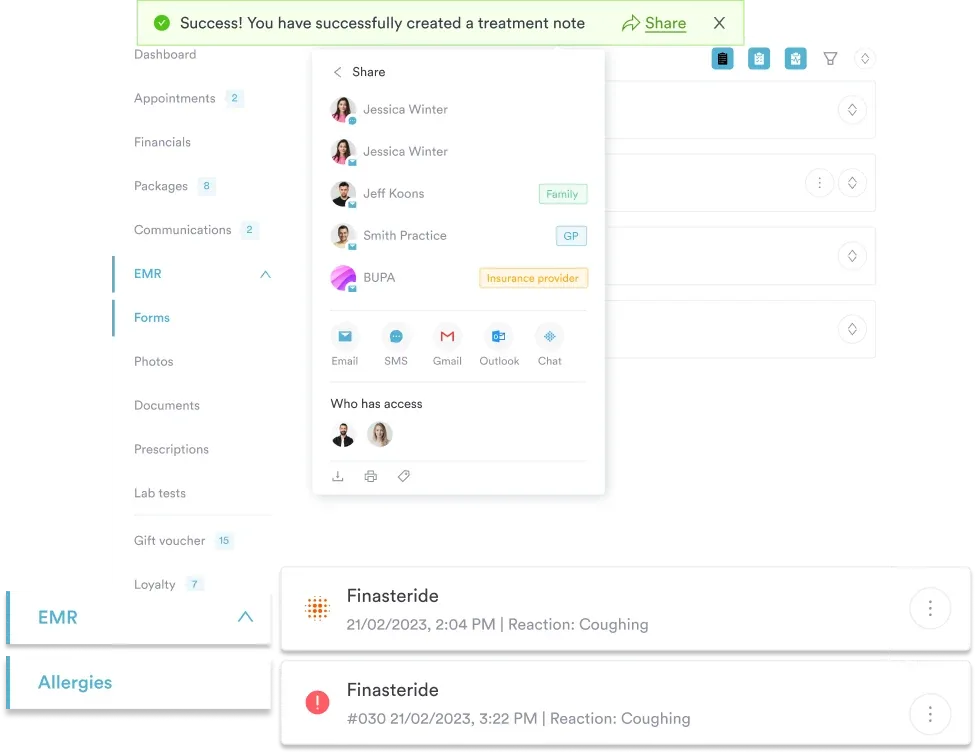
Practice management software like Pabau sends the worksheet out as a digital form before the appointment, and the answers land straight in the client record. You can pull up what somebody wrote about purpose in March when you review their goals in September.
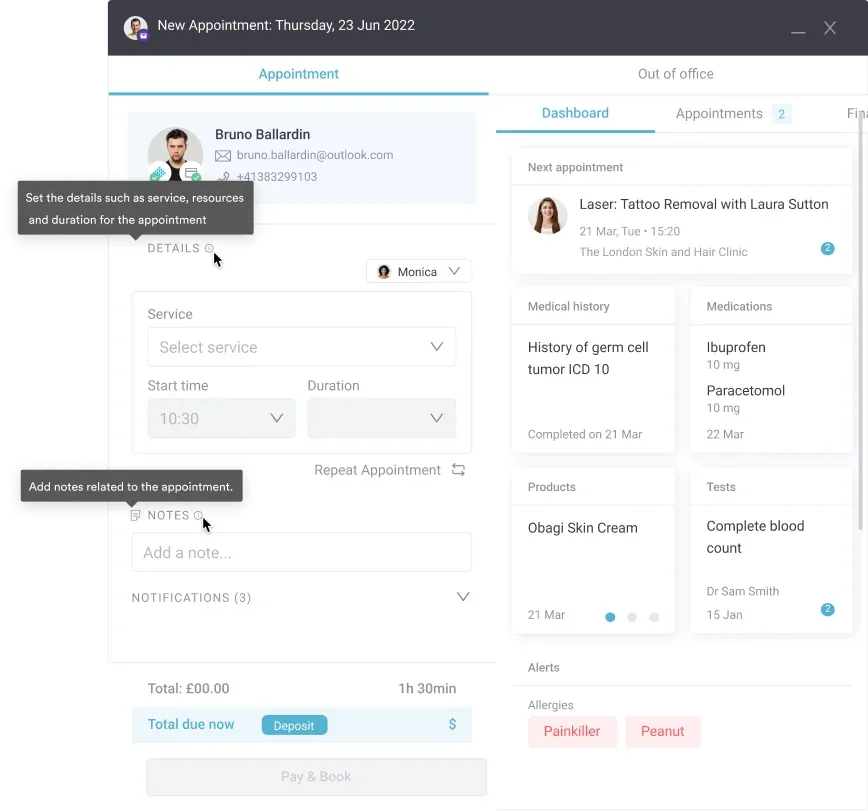
Forms, notes, appointments, and reminders sit in one system, so a spiritual goal gets handled like any other treatment objective. Every subscription includes every feature, so none of this depends on a bigger plan.

Pabau sends the worksheet as a digital form before the appointment and files the answers in the client record. Book a demo to see how spiritual goals get tracked alongside the rest of a client’s care.

Spiritual assessment stops being awkward once there is a form to point at. The prompts carry the framing, so you are not the one deciding what spirituality ought to mean to this client.
Give it to every new client, review the answers out loud, and turn section five into two goals you both track. That is the whole method, and it costs you one session plus a follow-up.
The part that decays is the follow-through, because a paper worksheet stops existing the moment it leaves the room. Book a demo to see how Pabau keeps a client’s spiritual goals in the same record as their notes and appointments.

Stuck when a client cannot name their values? Personal values worksheet gives them a shortlist to rank instead of a blank page.
Want to see where spirituality sits among the other domains? 8 dimensions of wellness worksheet maps spiritual wellbeing alongside physical, social, and occupational health.
Prefer a visual check-in with a client? Wellness wheel worksheet scores each area of life, so an imbalance shows up before you discuss it.
Working with clients in 12-step recovery? 4th step worksheet structures the moral inventory that follows the higher-power work.
Ready to turn a spiritual goal into a daily habit? 5-minute gratitude journal gives clients a low-effort practice to start between sessions.
A spirituality worksheet is a structured reflective tool that helps individuals and therapists explore spiritual beliefs, values, practices, and their role in wellbeing. It is not a diagnostic instrument or a religious assessment. It stays secular and inclusive of all worldviews, including atheism and agnosticism.
Therapists introduce the worksheet with explicit permission, hand it over on paper or digitally, and allow enough time for the client to complete it. They then review the responses together and translate the insights into measurable treatment goals. The worksheet becomes a reference point across later sessions.
Spiritual assessment is recognized as evidence-based practice by Joint Commission, the APA, and SAMHSA. The worksheet itself is a reflective tool rather than a validated psychometric instrument. The practice of spiritual assessment, however, is clinically and ethically endorsed across major regulatory and professional bodies.
Yes. SAMHSA builds spiritual principles into holistic addiction treatment. The worksheet gives clients in recovery a structured way to explore meaning, purpose, and spiritual connection, which are core elements of trauma-informed recovery work.
Spirituality is broader than religion. Secular clients often engage meaningfully with questions about purpose, values, nature, creativity, service, and relationships. The worksheet frames spirituality inclusively, so clients define it for themselves rather than working inside any tradition.
Many practitioners introduce it at the start of therapy or at a key treatment milestone. Clients can update their responses every 6 to 12 months, or whenever a significant life transition happens. For anyone using it independently, an annual run-through tracks spiritual growth over time.